 English
 Spanish
 Portuguese
 Arabic
 German
 Russian

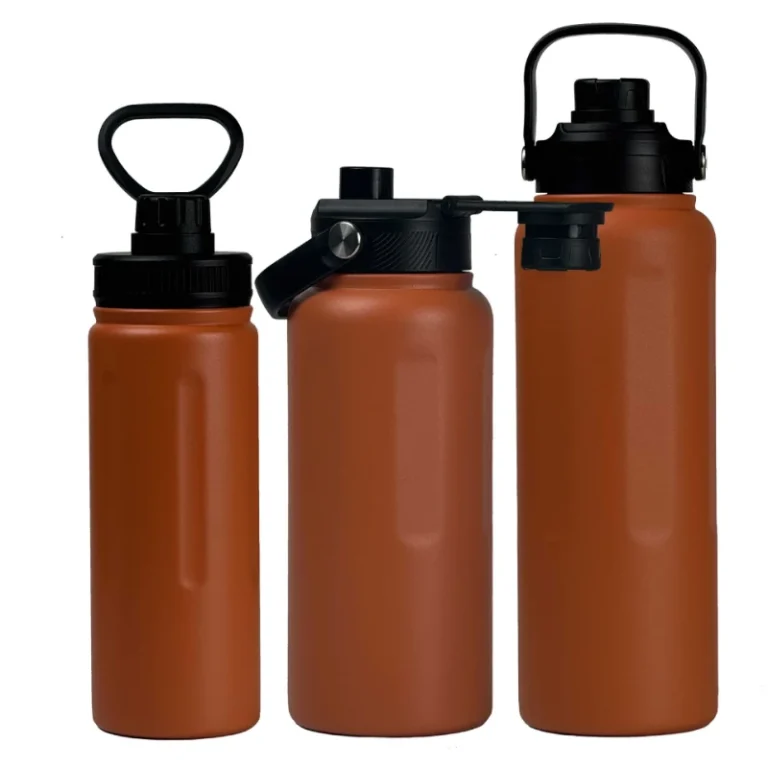
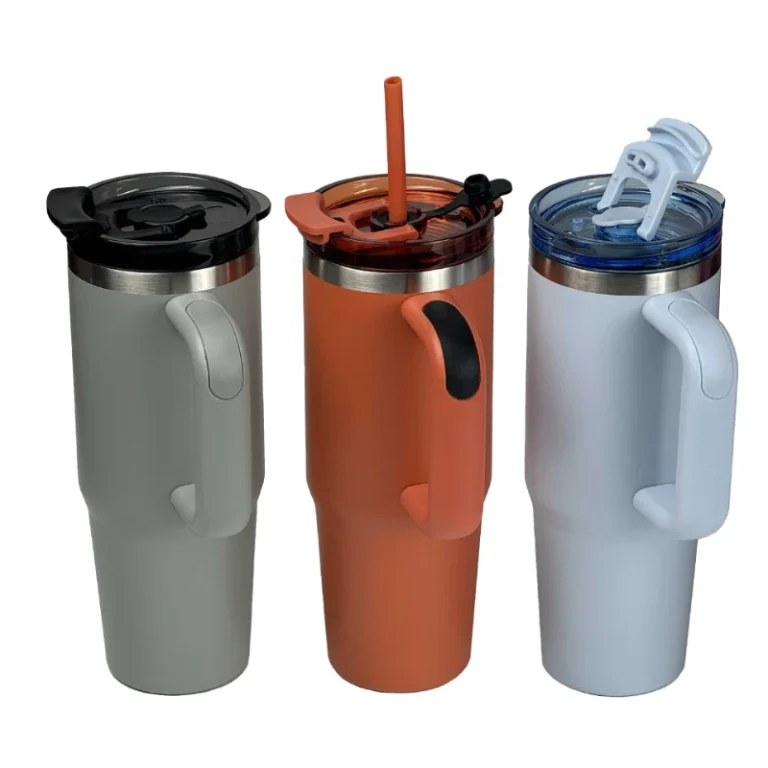
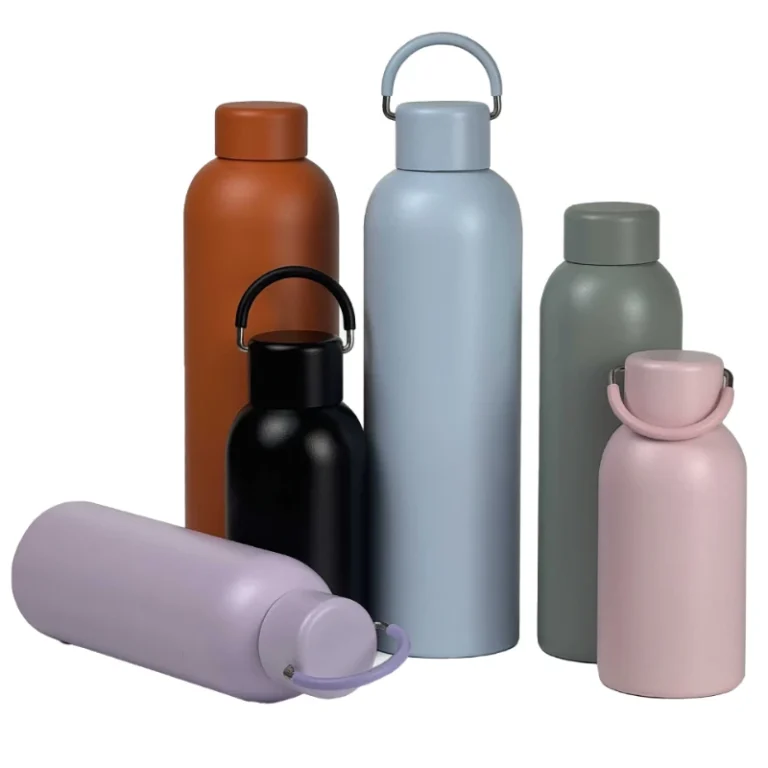
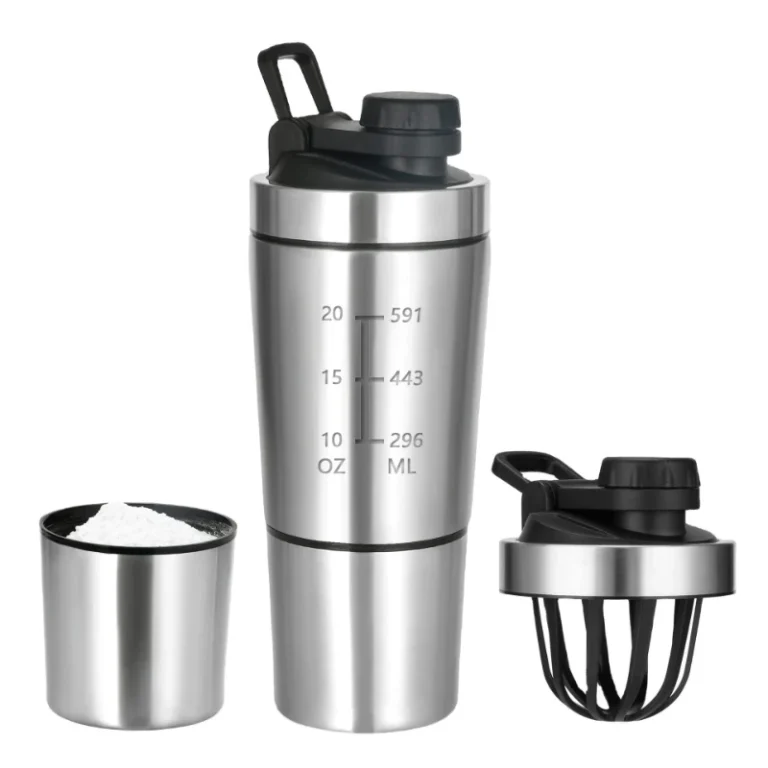
A few years ago, a water bottle was simply something children carried to school to drink water. Today, it has become a regular part of school life. Children take their bottles to classrooms, playgrounds, sports practice, family trips, and almost everywhere they go.
For parents, a good kids’ water bottle should be safe for everyday use, easy to clean, durable, and convenient to carry. For children, it should also look attractive and be easy to drink from. These changing expectations have created new opportunities for stainless steel insulated water bottles in the children’s drinkware market.
Now reusable water bottles remain an important part of back-to-school shopping. Parents are paying attention to practical features, while children are becoming more involved in choosing colors, designs, and accessories. For importers, wholesalers, and retailers, understanding these buying preferences can help build a more competitive product collection.
Let’s look at why stainless steel insulated water bottles are popular among kids and what wholesale buyers should consider when sourcing them.
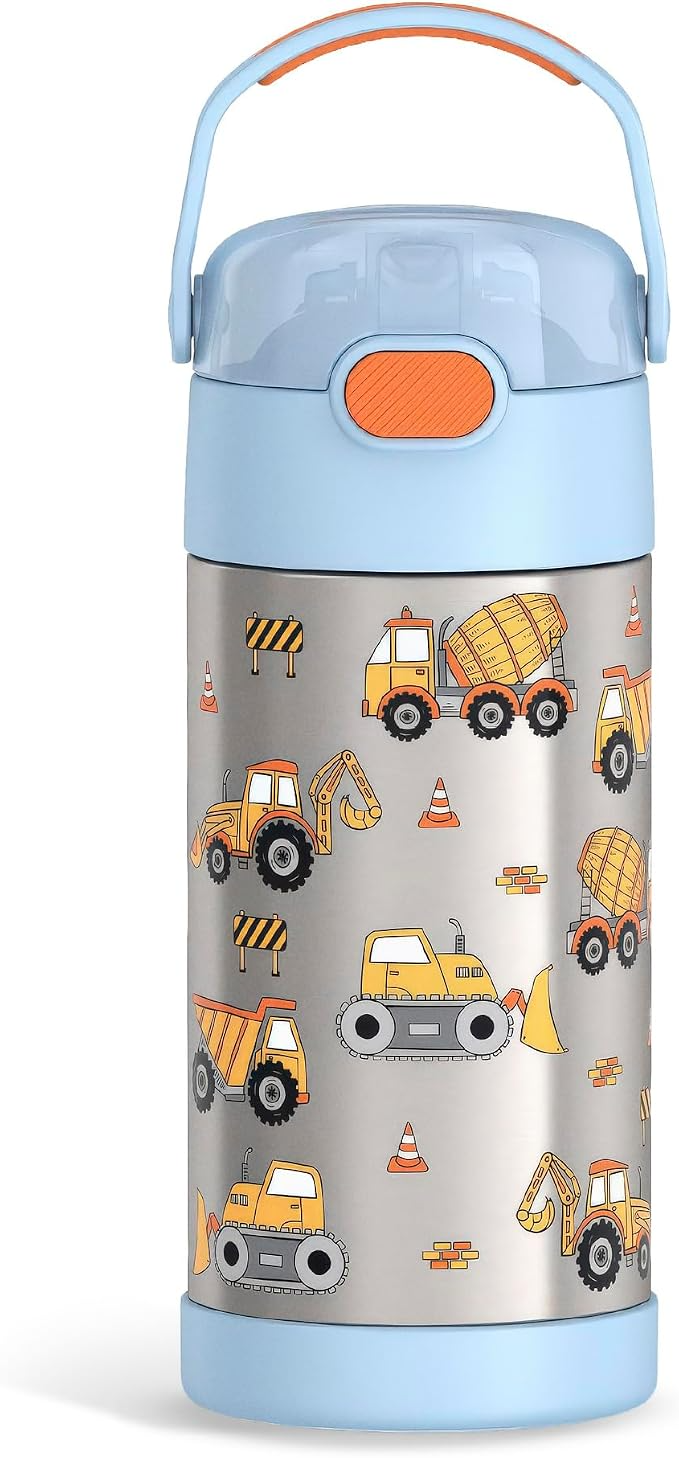
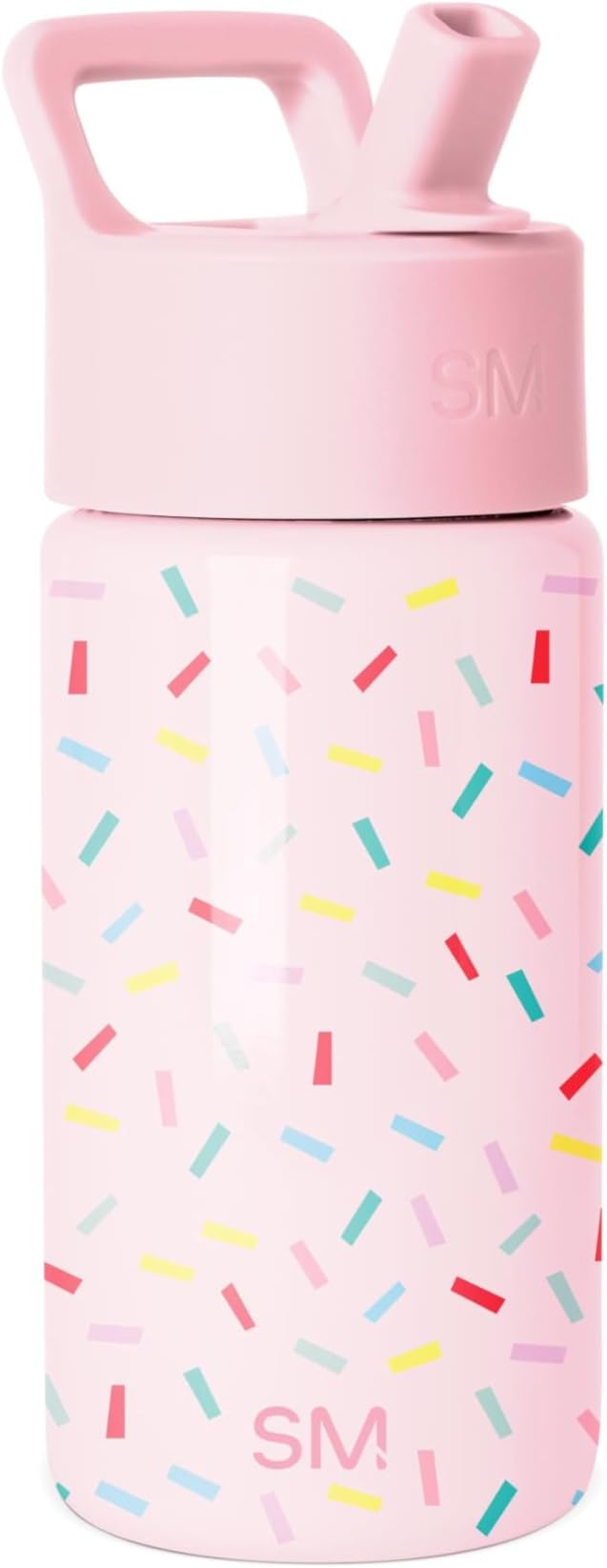
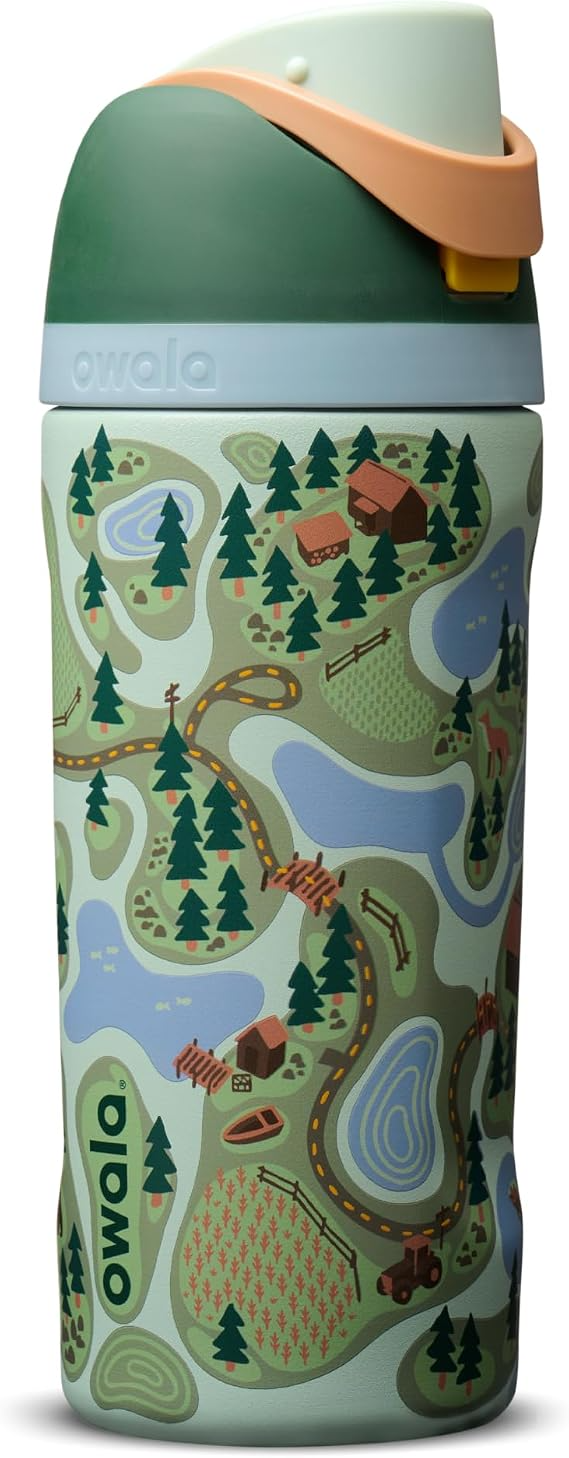
THERMOS FUNTAINER Water Bottle Simple Modern Kids Water Bottle Owala FreeSip Kids Stainless Steel Bottle
Reusable Water Bottles Have Become a Daily School Essential
Children spend many hours away from home. Whether they are attending kindergarten, elementary school, or taking part in after-school activities, having drinking water nearby is important.
More parents now prepare reusable water bottles as part of their children’s everyday school supplies. A 2026 survey shared by Contigo reported that 80% of parents with children aged 3–13 planned to send their children to school with a reusable water bottle. This reflects how common reusable bottles have become in family shopping lists.
Back-to-school shopping also creates an important sales opportunity for drinkware suppliers. Water bottles are often purchased together with backpacks, lunch boxes, pencil cases, and other school essentials.
However, demand is not limited to the back-to-school season. Children use water bottles throughout the year for sports, outdoor activities, travel, and daily family outings. Some parents also replace bottles when they are lost, damaged, or no longer suitable for a growing child.
Stainless Steel Offers Durability for Everyday Use
Children do not always handle their belongings carefully. Water bottles may be dropped on classroom floors, placed inside crowded school bags, or carried around playgrounds.
This is one reason many parents consider stainless steel bottles. Compared with some lightweight plastic bottles, stainless steel models can offer a stronger body for regular use. Double-wall vacuum insulation also helps keep drinks cold for longer periods.
For children who prefer cool water during school hours or outdoor activities, this feature can make a real difference.
Stainless steel bottles are also reusable and can be used repeatedly with proper care. Parents who want to reduce their use of disposable drink containers may find them a practical choice.
However, stainless steel is not the best solution for every customer. Plastic bottles are usually lighter and may be more affordable, making them suitable for younger children or budget-focused families. Stainless steel products are often more attractive to buyers looking for insulation, durability, and a higher-value product.
Leakproof Performance Is One of the Most Important Buying Factors
Ask parents what they dislike most about children’s water bottles, and leakage is likely to be high on the list.
A leaking bottle can wet school books, homework, lunch boxes, clothes, and electronic devices inside a backpack. For this reason, parents often pay close attention to the lid design before making a purchase.
In 2026, practical lid features remain important in the kids’ water bottle market. Popular options include:
- Flip-up straw lids: Convenient for children who prefer drinking through a straw.
- One-button pop-up lids: Easy to open and close with one hand.
- Locking mechanisms: Help prevent accidental opening when the bottle is inside a school bag.
- Silicone sealing rings: Help reduce the risk of water leakage when properly fitted.
- Protective spout covers: Keep the drinking area covered when the bottle is not in use.
For wholesale buyers, it is important to look beyond the appearance of a lid. A bottle may look attractive in product photos, but the lid must also work reliably in daily use.
When evaluating samples, buyers should test the bottle in different positions, check the sealing parts, and make sure the opening and closing mechanism is easy for children to operate.
It is also important to understand the difference between spill-resistant and fully leakproof designs. Suppliers should describe product performance accurately rather than using claims that have not been tested.
Easy-to-Use and Easy-to-Clean Designs Matter to Parents
A water bottle may have an attractive appearance, but parents are unlikely to be satisfied if it is difficult to clean.
Straws, narrow drinking openings, lid components, and silicone seals can collect water residue if they are not cleaned properly. Over time, this may lead to unpleasant smells or hygiene concerns.
Easy cleaning is therefore an important product feature, especially for bottles used every day at school.
Many parents prefer designs with removable straws, accessible lid components, and fewer complicated corners. A bottle that is easy to take apart and reassemble can make daily cleaning more convenient.
For younger children, the drinking mechanism should also be simple. A complicated lid may frustrate children or require help from teachers and parents.
Before placing a bulk order, wholesalers should pay attention to the following details:
- Can the straw be removed for cleaning?
- Are the lid components easy to assemble?
- Can the silicone seal be removed and put back correctly?
- Are replacement straws or seals available?
- Are the cleaning instructions clear?
Dishwasher suitability should also be checked rather than assumed. Some stainless steel bodies may tolerate certain cleaning methods, while painted surfaces, plastic lids, and silicone parts may have different care requirements.
Attractive Colors and Personalization Influence Children’s Choices
Parents usually focus on practical performance, but children often care about how their water bottles look.
A bottle in a favorite color or with an interesting design may encourage a child to carry it every day. This is why appearance has become an important part of kids’ drinkware product development.
Back-to-school trend coverage in 2026 has highlighted the popularity of water bottles, personalized accessories, charms, and other products that allow students to express their personal style. Education-focused promotional product coverage has also pointed to growing interest in retail-inspired and personalized items, including drinkware.
For wholesalers and private-label brands, this creates several product development opportunities:
- Bright and playful colors for younger children.
- Pastel and gradient finishes for elementary school students.
- Simple, modern colors for teenagers.
- Custom logos for schools, clubs, and children’s brands.
- Personalized packaging for retail and gift markets.
- Compatible accessories, where the bottle design allows them.
One useful strategy is to develop several color options around the same bottle structure. This gives retailers more choices without requiring them to introduce a completely different product for every design.
Buyers should also consider the target age group. A bottle designed for a preschool child may need a smaller capacity, a lighter structure, and an easy-grip shape. Older students may prefer a larger bottle with a more mature appearance.
Different Age Groups Need Different Bottle Designs
Not every child has the same drinking habits or carrying needs. A single bottle size or lid style may not suit every age group.
For wholesalers, dividing products by age and usage can make product selection more effective.
Preschool children
Younger children generally need bottles that are easy to hold and operate. Smaller capacities, soft colors, simple straw lids, and convenient handles may be suitable choices. Weight is especially important because a bottle that is too heavy can be difficult for a small child to carry.
Elementary school students
Children in this group often need bottles for a full school day. Practical capacities, leak-resistant lids, attractive colors, and easy-to-use straws are worth considering. Designs that fit common school bag pockets can also be helpful.
Middle school and high school students
Older students may prefer products that look less childish. Modern colors, clean designs, larger capacities, and convenient carrying features can make these bottles more attractive.
Sports and outdoor activities
Children who participate in sports or outdoor activities may need bottles with larger capacities, stronger handles, and easy drinking access. Buyers should consider how the bottle will be carried and used during physical activities.
By offering different styles for different age groups, retailers can serve more customers and build a more complete children’s drinkware collection.
What Should Importers and Wholesalers Look for When Sourcing Kids’ Water Bottles?
Growing interest in children’s insulated drinkware does not automatically mean every product will sell well. The right sourcing decision still depends on product quality, target market, selling price, and supplier reliability.
Here are several points worth checking before placing a wholesale order.
Material and product specifications
Ask for clear information about the stainless steel grade used for the inner and outer walls, as well as the materials used in the lid, straw, and sealing parts. For children’s products, the complete product needs to be evaluated. Checking only the stainless steel body is not enough.
Food-contact compliance requirements vary by destination market and product construction. Buyers should identify the applicable requirements and request relevant test reports or supporting documents for the actual materials and finished product.
Insulation performance
Ask the supplier for the tested hot and cold retention performance. Make sure the testing conditions and product specifications are clear. Avoid relying only on general claims such as “long-lasting insulation.”
Leakage testing
Check how the bottle performs when closed and carried in different positions. If the product has a locking mechanism, test whether it stays securely locked during normal handling.
MOQ and customization
For retailers and distributors, flexible customization can be useful when developing a private-label collection. Ask whether the supplier supports custom colors, logo printing, packaging, and different lid options. Also check the MOQ for each customization method.
Production capacity and quality control
A supplier should be able to explain its production process, inspection procedures, sample arrangements, and estimated lead time. Consistent quality across repeat orders is particularly important for buyers building a long-term brand.
Why Work with a Manufacturer for Your Kids’ Water Bottle Collection?
For importers and wholesalers, choosing the right manufacturer is about more than finding a competitive unit price. A reliable manufacturing partner can help reduce communication costs, improve product consistency, and support the development of new designs.
Working directly with a factory may also give buyers more flexibility in product selection and customization. Instead of choosing only from ready-made retail products, buyers can discuss colors, logos, packaging, and product details based on their own market needs.
At Anhui IFUN, we focus on stainless steel insulated drinkware, including insulated water bottles, kids’ straw cups, travel tumblers, and other daily-use drinkware.
We support OEM and ODM projects for overseas wholesalers, importers, distributors, and private-label brands. Depending on the product, customization options can include:
- Custom colors and surface finishes.
- Logo printing and branding.
- Different lid and drinking styles.
- Customized retail and shipping packaging.
- Product selection for different sales channels.
We understand that different markets have different customer preferences. A product suitable for a kindergarten supply store may not be the best choice for a teenage lifestyle brand. Our goal is to help buyers select suitable products and develop drinkware collections that match their target customers.
A Practical Product Category with Room for New Opportunities
The popularity of stainless steel insulated water bottles among kids is driven by several factors: everyday school use, interest in reusable products, demand for better insulation, concerns about leakage, and children’s growing interest in attractive designs.
For wholesalers and importers, the opportunity is not simply to purchase more water bottles. It is to choose the right combination of capacity, lid design, material, color, and price for a clearly defined customer group.
A well-planned collection can include smaller bottles for preschoolers, practical straw bottles for elementary school students, and modern insulated bottles for teenagers. This approach gives retailers more options and helps them serve different customer needs.
If you are planning to expand your kids’ drinkware range or prepare for the next back-to-school season, now is a good time to review your product options.