English
  Spanish
  Portuguese
  Arabic
  German
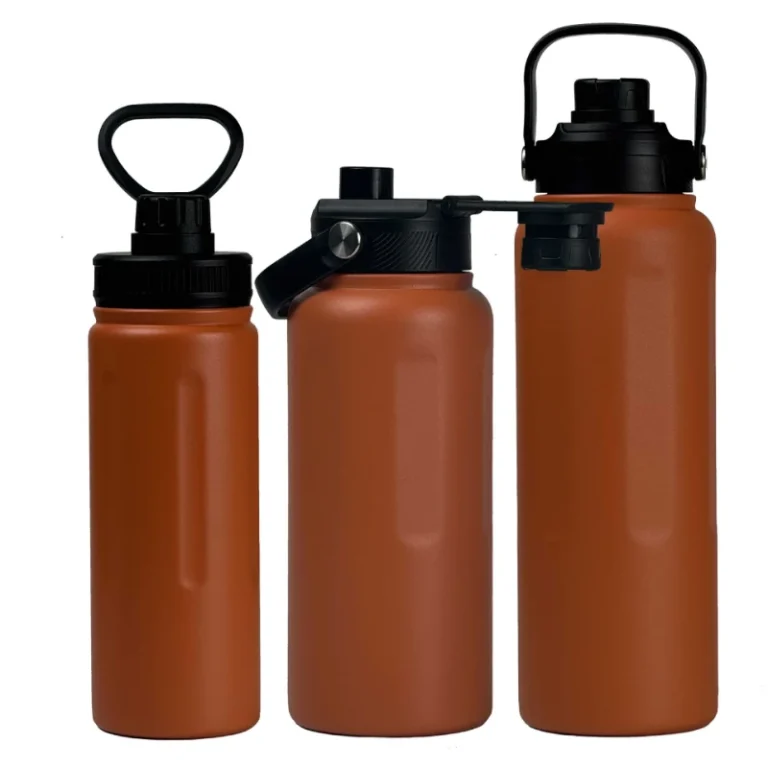
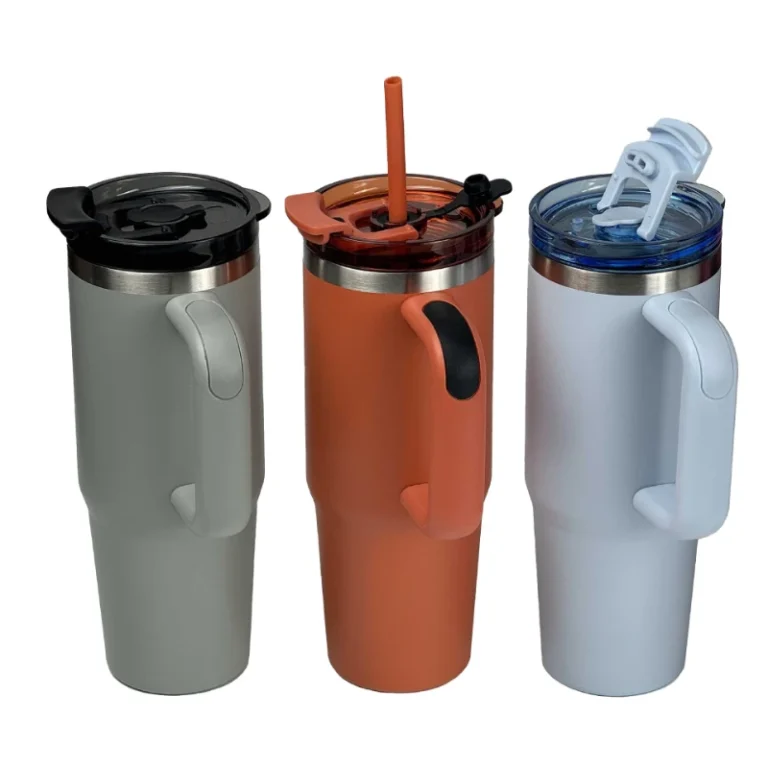
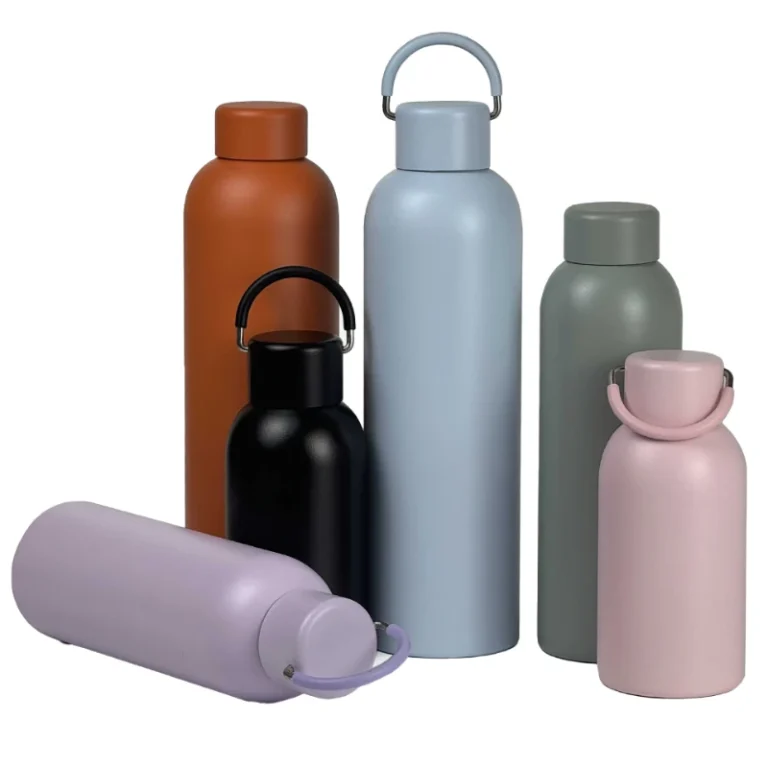
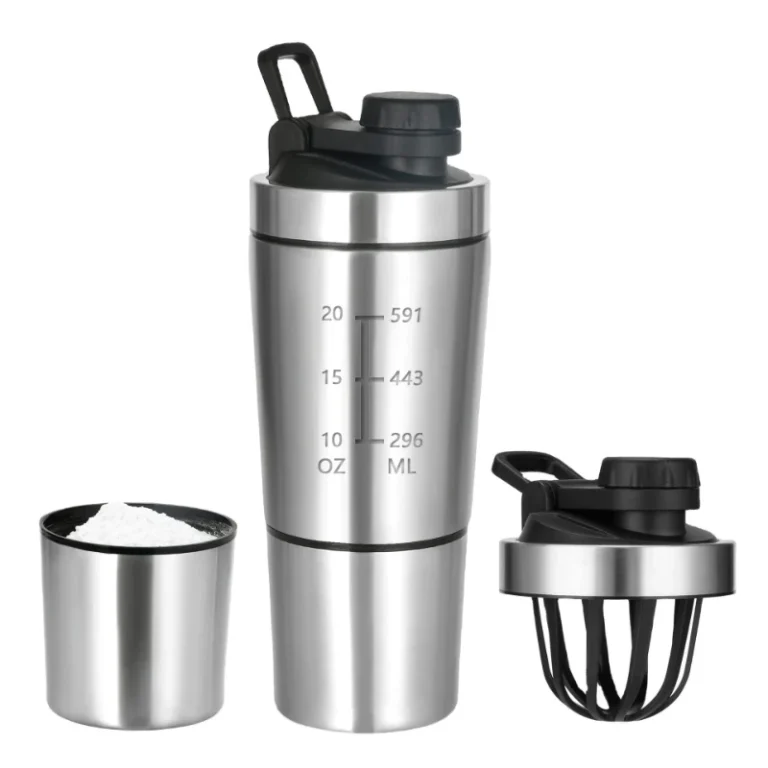
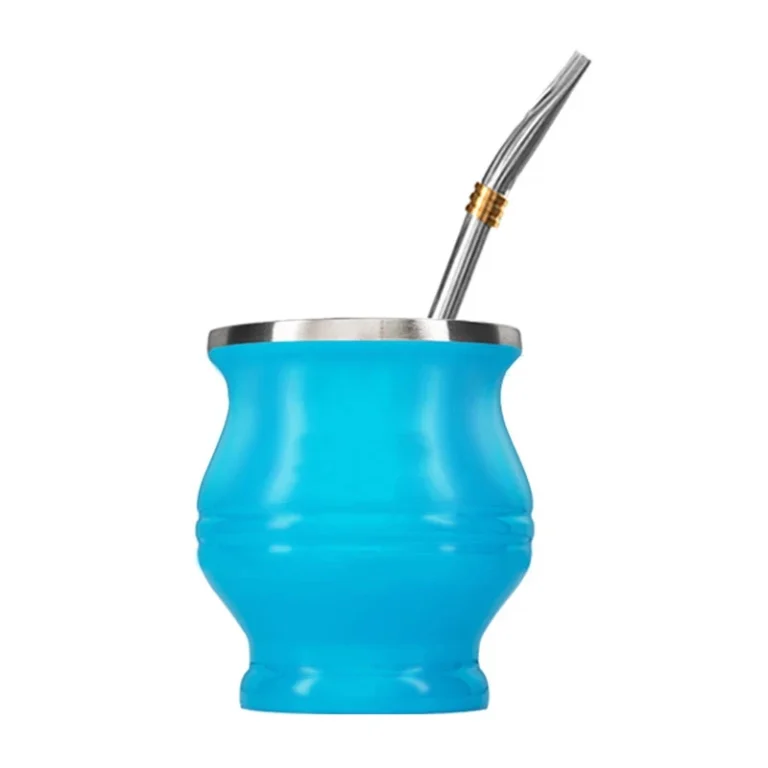
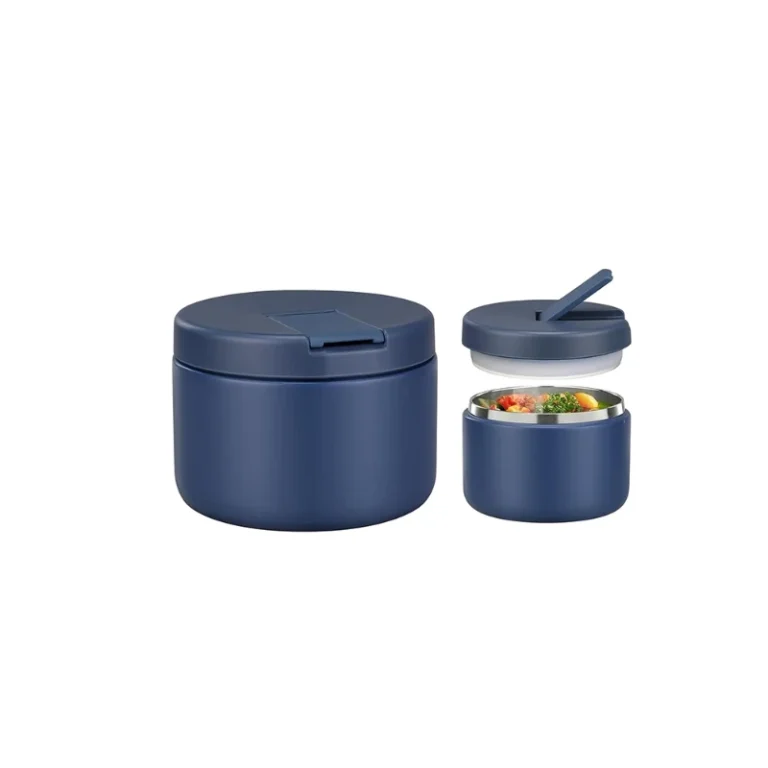
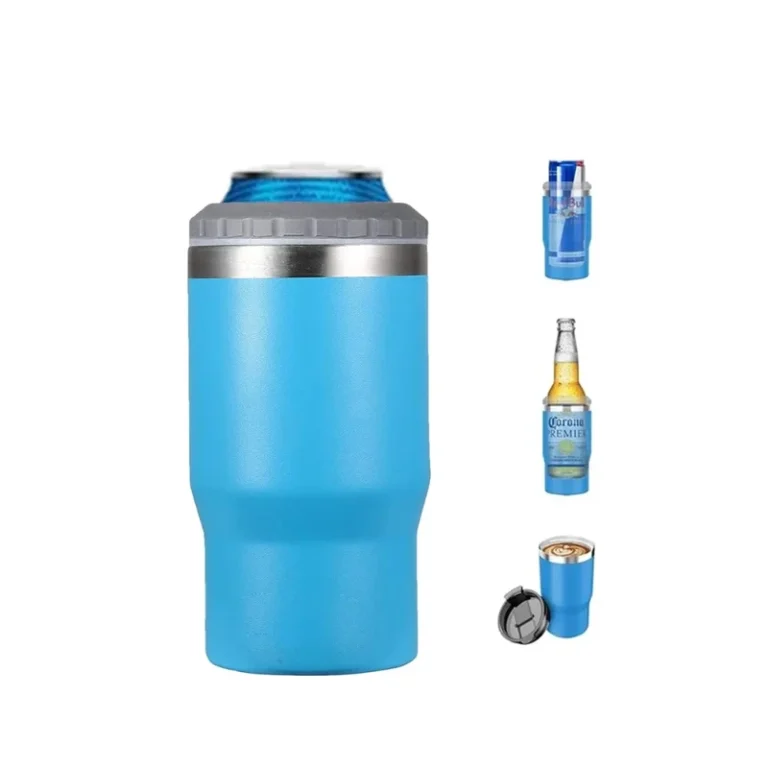
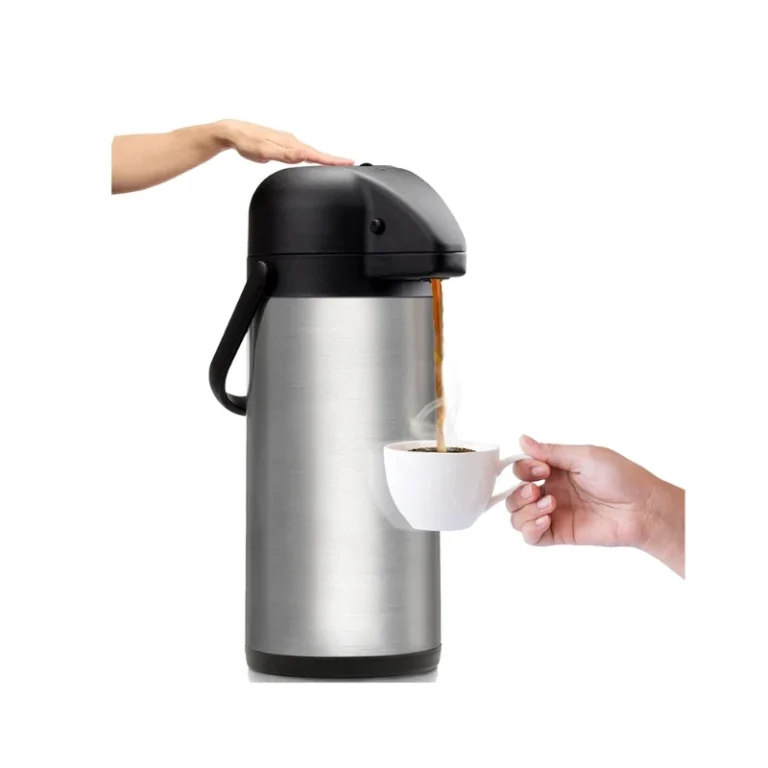
When it comes to coffee chain bulk cup procurement, you face unique challenges when purchasing cups in large quantities for coffee chains. Major coffee chains must ensure that each location receives the correct cups promptly. Often, a hub-and-spoke system is utilized to facilitate the quick and efficient movement of cups. Centralized procurement systems enable you to maintain a consistent brand image while securing better pricing for large orders across all coffee shops.
Consider negotiating fixed prices or discounts by entering into contracts or making early purchases. Establishing prices in advance can shield you from fluctuations and assist in budgeting for the future.
Recent trends in coffee chain bulk cup procurement indicate a growing demand for eco-friendly options. There is an increasing presence of reusable and environmentally friendly cups in coffee shops today. Many coffee chains are opting for biodegradable and compostable cups in response to customer preferences for sustainable choices.
Large chains must ensure brand consistency across all their locations.
They encounter challenges in distributing cups to various sites.
Discussing minimum order quantities (MOQs) is crucial for obtaining favorable pricing and managing inventory effectively.
Effective coffee chain bulk cup procurement requires careful planning, strategic supplier negotiations, and a commitment to both cost efficiency and environmental responsibility. The approach you take can significantly impact the success of your coffee business.
Minimum Order Quantities (MOQ) & Pricing
What Is the Typical MOQ for Bulk Cup Orders?
When you buy cups for your coffee chain, you need to know about minimum order quantity, or MOQ. MOQ means the smallest number of cups you must buy from a supplier. Suppliers use MOQs to help with making cups and to keep quality high. The MOQ can be different depending on who makes the cups and what kind you want.
Here is a table showing MOQs from different manufacturers:
Manufacturer | Minimum Order Quantity (MOQ) |
|---|---|
Manufacturer 1 | Not specified |
Manufacturer 2 | Not specified |
Manufacturer 3 | Not specified |
Manufacturer 4 | 1,000 pieces |
Manufacturer 5 | 10,000 pcs per size |
MOQ by Product Type
The kind of cup you pick changes the MOQ. For example, plastic cups and paper cups have different rules. Specialty coffee shops often use both kinds, based on their menu and what customers like. You should check if each cup type is available before you order. The table below shows usual MOQs for each cup type:
Product Type | Minimum Order Quantity (MOQ) |
|---|---|
Plastic Cups | 5,000–10,000 pcs |
Paper Cups | 10,000+ pcs |
If you want reusable cups for your coffee shop, the MOQ might be higher. This is because reusable cups need more materials and better quality. Always ask your supplier about which cup types they have and their MOQs before you buy.
How Does Pricing Work for Bulk Orders?
Pricing is important when you buy lots of cups for your coffee chain. Most suppliers give discounts if you buy more cups. This means the price for each cup goes down when you order a lot. Specialty coffee chains get these discounts, especially if they buy from wholesale coffee bean suppliers who also sell cups.
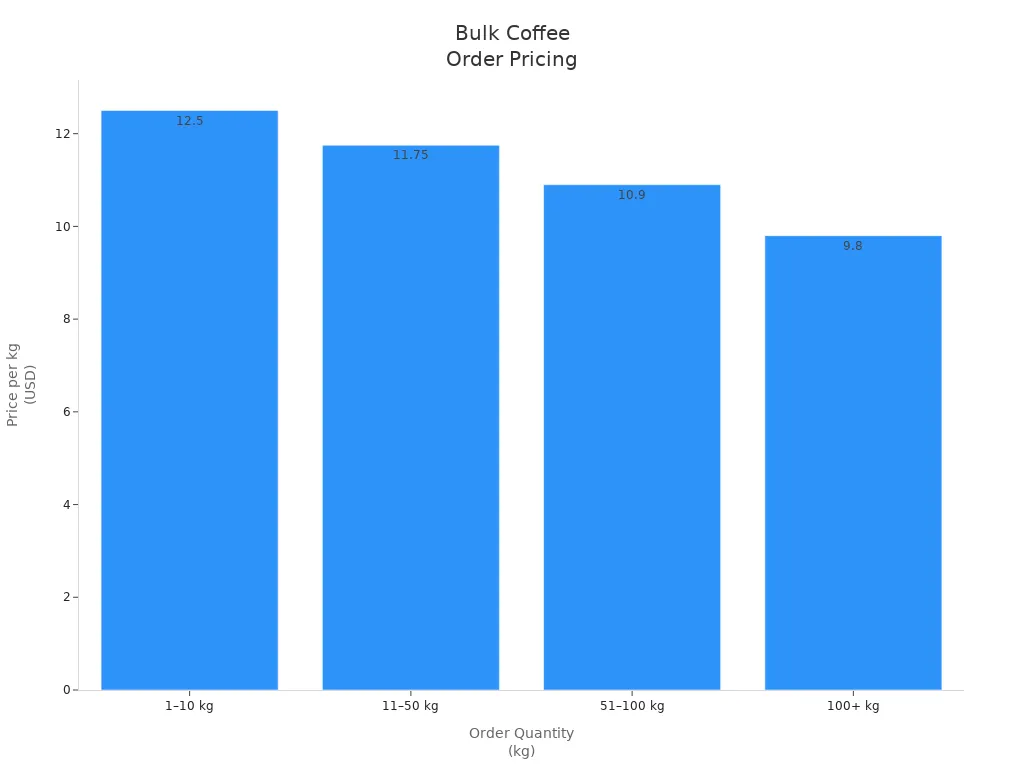
Here is a table showing how prices change with bigger orders:
Order Quantity | Price per kg (USD) | Savings |
|---|---|---|
1–10 kg | $12.50 | Base Rate |
11–50 kg | $11.75 | 6% Off |
51–100 kg | $10.90 | 12.8% Off |
100+ kg | $9.80 | 21.6% Off |
You can also find special deals like harvest season offers, flash sales, and subscription plans. These deals help you save money and get good cups for your coffee shop.
Volume Discounts & Price Breaks
Suppliers use different ways to figure out discounts. Some use a threshold formula, where only the extra cups above a certain number get a lower price. Others use an all-units formula, where every cup gets the lowest price after you reach a certain amount. Here is a table to show the difference:
Pricing method | Calculation | Final price | Margin protection |
|---|---|---|---|
Threshold formula | (100×$10)+(20×$8) | $1,160 | Higher |
All-units formula | 120 × $8 | $960 | Lower |
When you buy from wholesale coffee bean suppliers, ask about their pricing methods. This helps you plan your coffee and cup orders together. Always check for discounts and cup quality before you decide. Specialty coffee chains that care about quality can use these pricing ideas to stay competitive.
Tip: Always check if your favorite cup type and quality are available before you order in bulk. This helps you meet your coffee shop standards and avoid delays.
Custom Logo & Packaging Options
Logo Customization Methods
You want your coffee chain to be noticed. Custom logos on cups help your brand grow. There are different ways to put your logo on cups. The most common ways are laser engraving and printing.
Laser Engraving vs. Printing
Laser engraving uses a laser to carve your logo on the cup. This works best for metal or reusable cups. The logo stays on and does not fade. It looks neat and professional. Printing uses ink to put your logo on the cup. This works well for paper, plastic, and biodegradable cups. You can use many colors and make bright designs.
Here is a table to compare materials and logo choices:
Material | Advantages | Limitations | Best For |
|---|---|---|---|
Paper | Biodegradable, great for logo printing, light, cheap | Can get soggy, not strong for heavy use | Coffee shops, eco-friendly brands |
Plastic | Very strong, good for colorful logos, reusable | Not biodegradable, some people dislike it | Smoothie bars, iced coffee chains |
Biodegradable | Compostable, made from plants, liked by eco-customers | Needs special composting, costs more | Sustainable brands, zero-waste cafes |
Foam | Keeps drinks hot, light, cheap to make | Not biodegradable, some people think it is bad | Takeout restaurants, budget shops |
Tip: Pick a logo method that fits your cup material and brand. Laser engraving lasts longer, but printing gives more color options.
Packaging Options for Coffee Chains
Packaging protects your cups and shows your brand style. You can choose single cup packaging or special packaging for promotions. Single cup packaging keeps each cup clean and fresh. Promotional packaging uses cool designs or messages to get attention.
Individual & Promotional Packaging
You can add extras to your packaging to make your coffee special. Some extras are creamers, syrups, and healthy ingredients like protein or matcha. These extras give customers more choices and make their visit better.
Description | |
|---|---|
Creamers | Flavored creamers like caramel, hazelnut, and vanilla. |
Syrups | Different syrup flavors to make coffee taste better. |
Add-ons | Sweeteners and milk choices. |
Functional Ingredients | Healthy options like protein and matcha powders. |
Studies show that packaging color and design change how customers think your coffee will taste. Brands with clear and steady packaging build trust and seem more valuable. Research also says packaging words and pictures help customers remember your coffee and buy it again.
Note: Use your packaging to share your coffee story. Good packaging can make a simple cup feel special.
Lead Time & Shipping Methods
Production Lead Time
When you order cups for your coffee chain, you need to plan for production lead time. This is the time it takes from when you approve your cup design to when the cups are ready for shipping. Most suppliers in the coffee industry need about 30 to 40 days after you approve the final design. This time helps them make sure your cups look right and meet your standards.
You can see the main steps in the production process below:
Design approval: You check and approve the artwork for your cups.
Sample production: The supplier makes a sample cup for you to review.
Mass production: The factory makes all the cups you ordered.
Quality control: The team checks the cups to make sure they are perfect.
Shipping: The cups travel to your warehouse or coffee shops.
Timeline from Artwork to Mass Production
Each stage in the process has its own timeline. Planning helps you avoid delays and keeps your coffee business running smoothly. Here is a table that shows how long each step usually takes:
Stage | Duration |
|---|---|
Design Approval | 1-2 weeks |
Sample Production | 1-2 weeks |
Mass Production | 3-4 weeks |
Quality Control | 1 week |
Shipping | 1-3 weeks |
After you approve the artwork, you can expect the first batch of cups in about 10 to 15 days. If you work with bulk coffee roasters who also supply cups, you may get updates at each step. This helps you track your order and plan for your next coffee launch.
Tip: Always ask your supplier for a clear timeline before you place your order. This helps you avoid running out of cups during busy coffee shop hours.
Shipping Methods for Bulk Cup Orders
Once your cups are ready, you need to choose a shipping method. The two main options are sea freight and air freight. Your choice will affect how fast you get your cups and how much you pay.
Sea Freight vs. Air Freight
Sea freight is the most common way to ship large orders of coffee cups. It costs less, but it takes longer. You may wait several weeks or even months for your cups to arrive. Air freight is much faster. You can get your cups in just a few days, but you will pay more for this speed.
Here is a table to help you compare the two shipping methods:
Shipping Method | Cost | Delivery Time |
|---|---|---|
Sea Freight | Low | Long (weeks to months) |
Air Freight | High | Fast (days) |
If you need cups quickly for a new coffee shop opening, air freight may be the best choice. If you want to save money and can wait, sea freight works well for most coffee chains. Many bulk coffee roasters use sea freight for regular shipments and air freight for urgent needs.
Note: Always check with your supplier about shipping times and costs. Planning ahead helps you keep your coffee chain running without delays.
Quality Assurance & Factory Certifications
Material Standards
When you buy cups, you want safe materials. Good cups help your customers enjoy their coffee. Many coffee chains use stainless steel, paper, or biodegradable cups. Each type must pass safety and strength tests.
Stainless Steel Grades
Stainless steel cups are good for using again. You should check the grade before you buy. Grades 304 and 316 are common choices. Grade 304 does not rust and keeps drinks fresh. Grade 316 protects even better from rust. This helps you serve great coffee every day.
Coffee chains also want proof that cups are safe and eco-friendly. Here is a table with important certifications for cup materials:
Certification Type | Description |
|---|---|
OK Compost Certification | Makes sure cups break down in compost without bad microplastics. |
Australian Standards (AS4736, AS5810) | Shows cups break down safely in home or factory compost. |
EU Ecolabel Certification | Checks for low harm to the environment and easy recycling. |
FDA Food Contact Safety Certification | Makes sure cups do not make drinks unsafe, which is important in the U.S. |
ISO 22000 and FSSC 22000 | International rules for food safety in the supply chain. |
SGS Food Contact and BRC Global Standard | Checks for no toxins and focuses on safe packaging. |
SMETA Ethical Audit | Looks at worker safety, health, and the environment in factories. |
Tip: Always ask your supplier for proof of these certifications. This keeps your coffee chain safe and shows you care about quality.
Factory Certifications
You need to trust your cup suppliers. Factory certifications help you do this. If your supplier has ISO or SGS certifications, they follow strict safety rules. These certifications mean your cups meet world standards. This helps you give customers the coffee they expect.
ISO, SGS & Quality Control
Factories with ISO 22000 and FSSC 22000 follow strong food safety rules. This lowers risks and keeps coffee safe. SGS checks for toxins and makes sure packaging is safe. BRC adds more safety and quality checks.
Here is a table showing how these certifications help:
Certification Type | Description | Impact on Reliability |
|---|---|---|
ISO 22000 | International food safety rules | Makes sure safety rules are followed, so cups are reliable |
FSSC 22000 | Adds more rules to ISO 22000 | Lowers risks in trade and keeps things clean |
ISO and SGS certifications show your cups are safe and high quality.
They mean strong safety rules and checks by outside experts.
These certifications help customers trust you and follow the law.
Coffee chains must also follow local and world rules. Many importers use digital tracking and supplier lists to follow laws like the EU Deforestation Regulation. This helps you avoid problems with shipments and keeps your coffee chain working well.
Note: Picking certified suppliers helps you give the best coffee and build trust with your customers.
Efficient Bulk Ordering Process for Coffee Chains
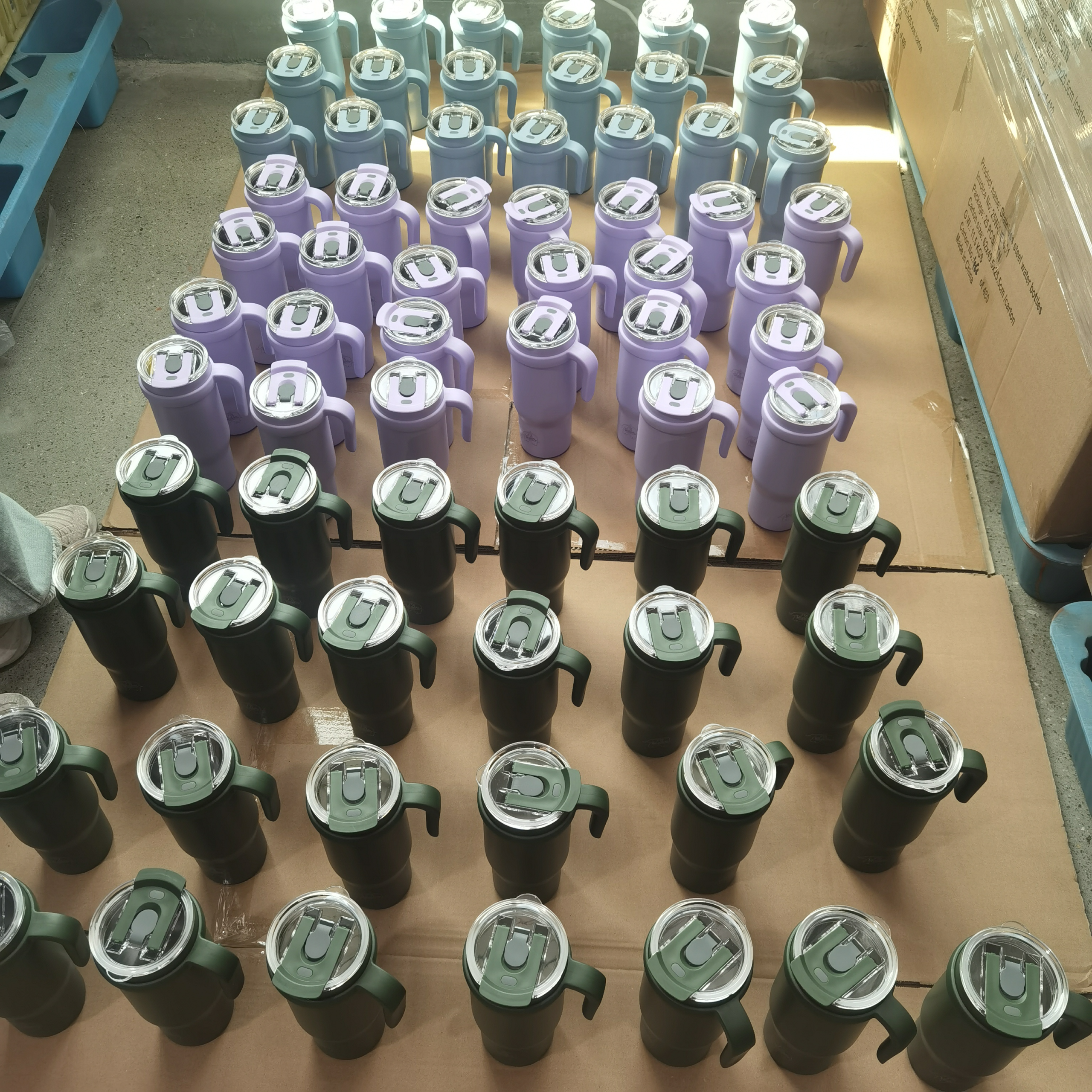
Wholesale Custom Stainless Steel Tumblers
Step-by-Step Procurement Flow
Inquiry → Sample → Order → Delivery
You need a simple plan to order cups in bulk. The process has several steps. Each step helps you check quality and timing. Top suppliers use different ways to get cups and move them. Some suppliers work with exporters and roasters. This direct method can make delivery faster. It also helps with quality checks. You can see where your cups come from. This makes it easy to track each stage from farm to cup.
Here is an easy flow to follow:
Inquiry: You talk to the supplier and tell them what you need. You ask about cup types, materials, and how they get their cups.
Sample: The supplier sends you a sample cup. You look at the quality, logo, and material. This step shows if the cup fits your brand and farm to cup story.
Order: You place your order. You pick the amount, price, and delivery time. You agree on how the cups are sourced and any custom features.
Delivery: The supplier ships your cups. You watch the shipment and get ready for the cups to arrive at your coffee shops.
Tip: Talk to your supplier at every step. This helps you stop mistakes and delays.
Working with a Reliable Supplier
Long-Term Procurement Partnerships
You want a supplier you can trust for a long time. Good suppliers help your coffee chain run well. They support your farm to cup mission by using ethical sourcing and strong relationships.
Use this table to see if a supplier is right for you:
Criteria | Description |
|---|---|
Product Quality and Material | Make sure the cups are strong and safe for hot drinks. |
Pricing and Cost Efficiency | Check all costs, including shipping and sourcing fees. |
Customization and Branding Options | Look for ways to add your logo and share your farm to cup story. |
Supplier Reliability and Delivery | See if the supplier delivers on time and gives tracking. |
Sustainability and Eco-Friendliness | Ask about eco-friendly materials and sourcing certifications. |
Customer Service and Support | Test how fast the supplier answers and fixes problems. |
Minimum Order Requirements | Find out if you can change order sizes when your needs change. |
Long-term partnerships give you many good things. You get steady prices and a regular supply of cups. This helps you plan your coffee business and avoid surprises. When you choose ethical sourcing, you help producers earn steady money. This lets them make better cups and coffee. You build trust and make a strong farm to cup connection.
Ethical sourcing gives producers steady money and helps your coffee chain grow.
Producers can make better cups and coffee.
Strong relationships mean you get cups on time and have a better farm to cup experience.
As your coffee chain grows, costs can change. Long-term partnerships help you handle these changes. You can plan ahead and keep your coffee supply chain strong.
Note: Pick suppliers who care about sourcing transparency and long-term relationships. This helps your brand and supports the farm to cup journey.
You can make your coffee chain’s bulk cup procurement better by doing a few simple things. First, build good relationships with suppliers. Use contracts to keep prices steady. Pick reusable cups and use ethical sourcing to help the planet. Teach your staff how to waste less. Use inventory software so you don’t run out of cups.
Tips for Success:
Change your menu to earn more money.
Check your disposal systems often.
Challenge | Solution |
|---|---|
Supply disruptions | Use real-time tracking and backup plans |
High waste | Switch to reusable cups |
If you use these ideas, your coffee chain will work better. You will protect your brand and help the environment.