English
  Spanish
  Portuguese
  Arabic
  German
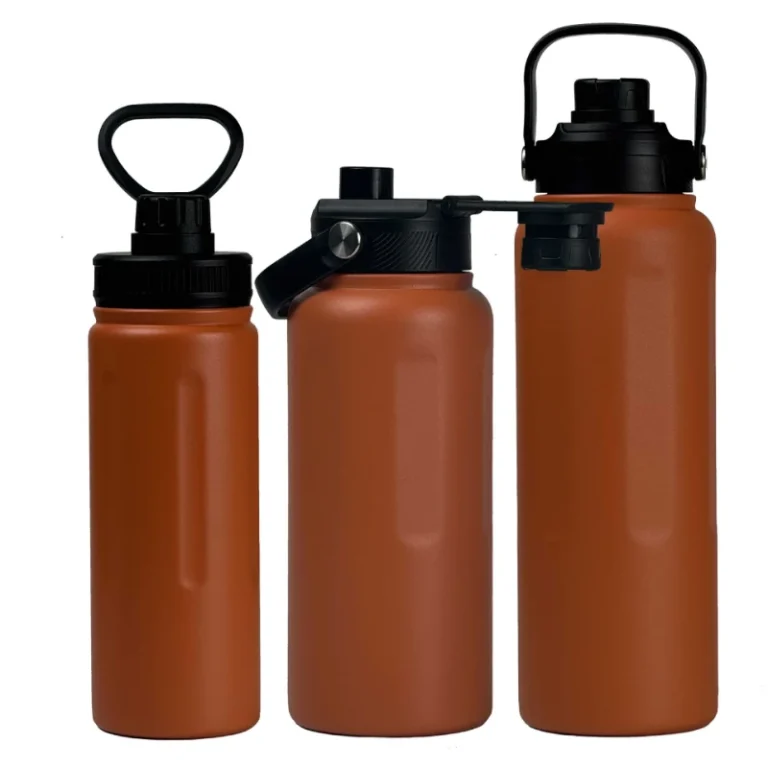
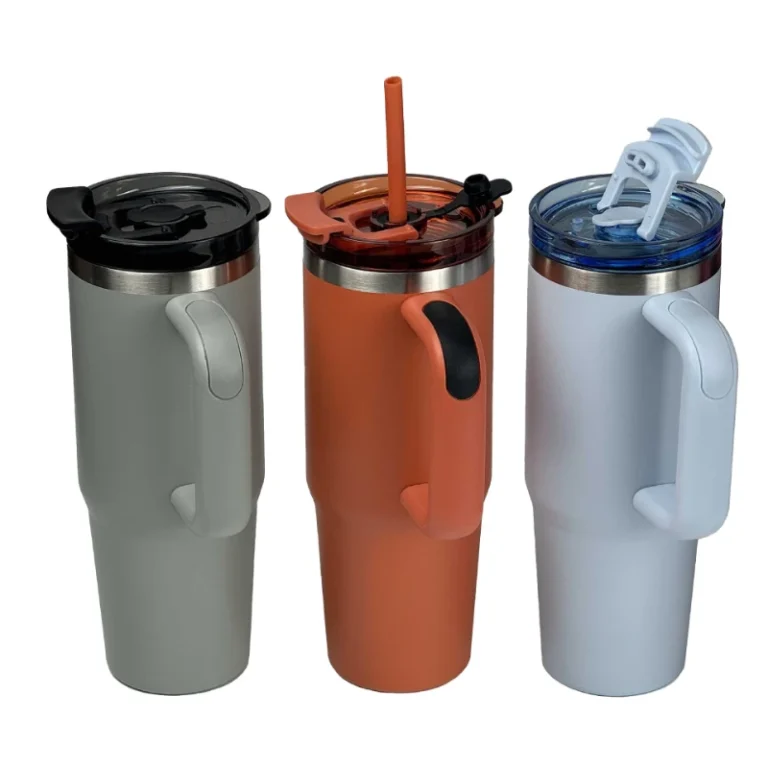
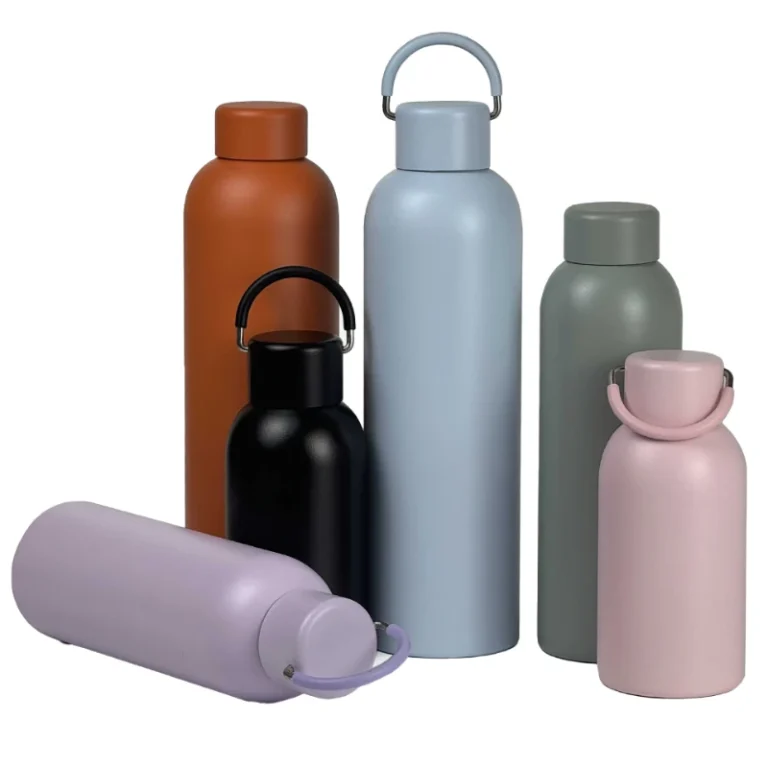
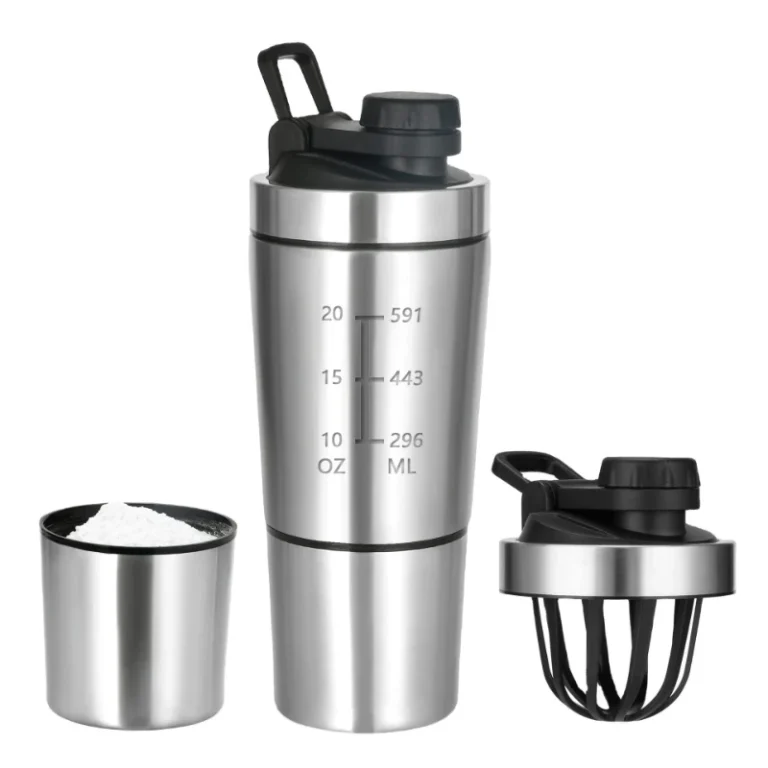
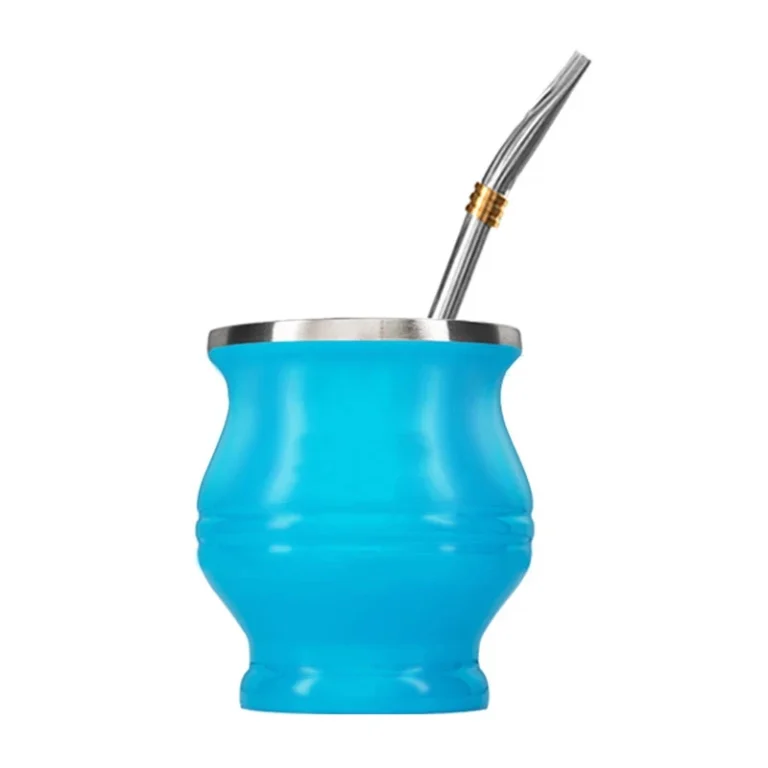
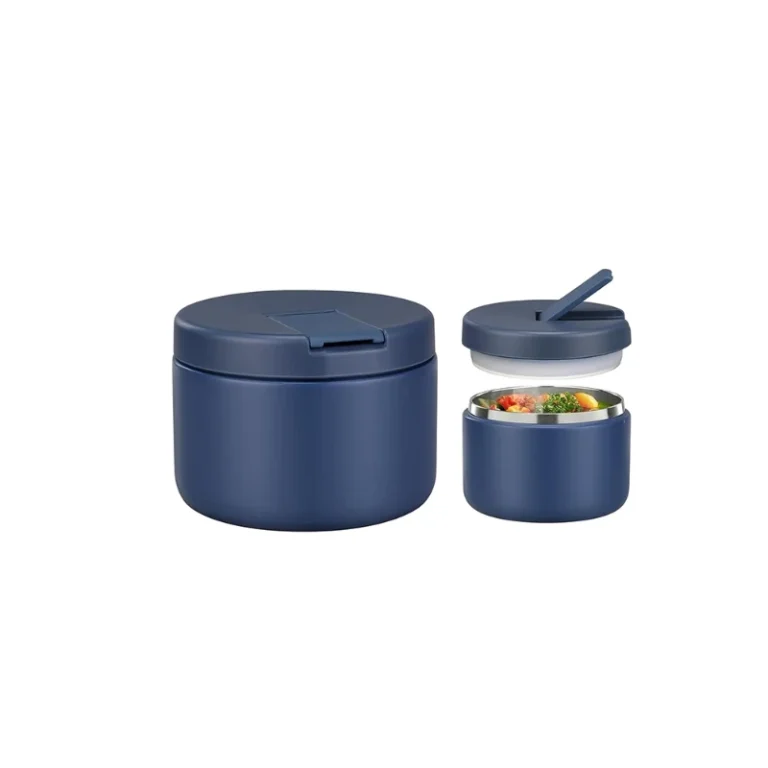
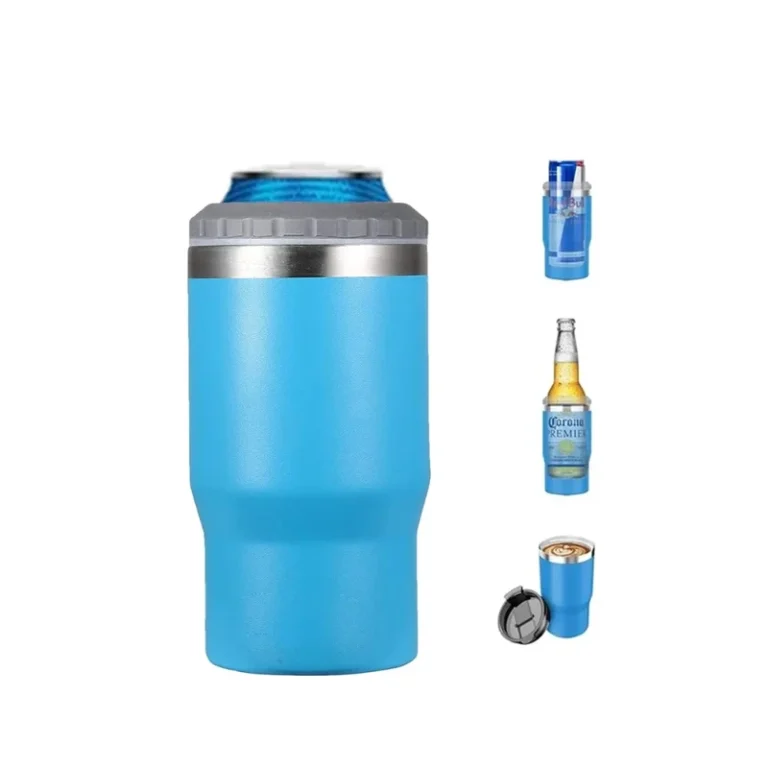
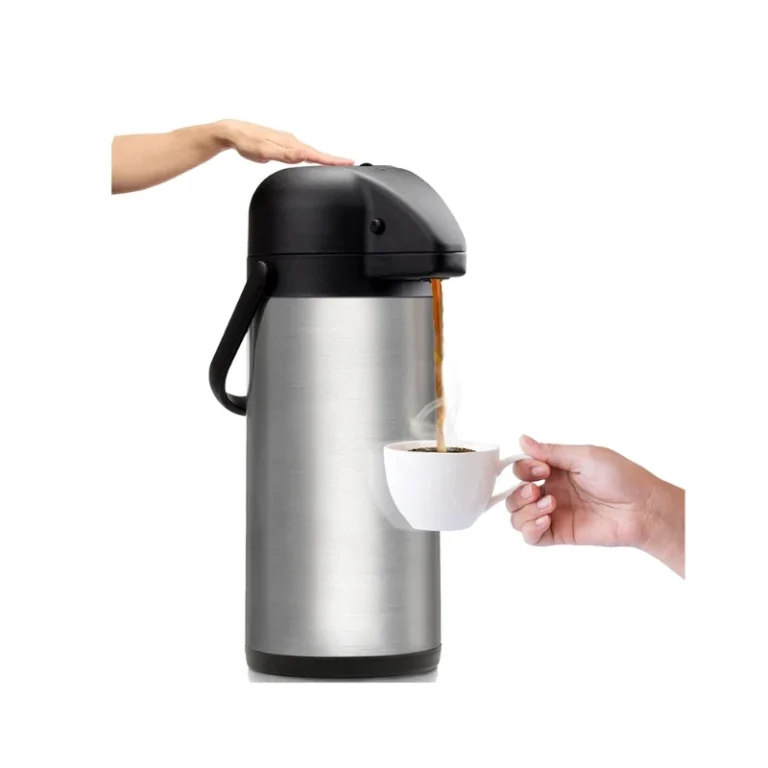
You can make your own custom coffee pot for your brand. Work with an OEM manufacturer to do this. Pick a good OEM or ODM partner who knows what you want. Look at the minimum order quantity and check the quality. Private label lets you control the design. White label does not let you change much.
Custom coffee pots help brands be different. You can make special products that show your brand’s style. These products also fit what your customers want.
Pick the best OEM partner for your brand. Find one with lots of experience and good quality checks. Make sure they let you choose how your coffee pots look and work.
Good packaging is very important. Nice packaging makes your product look better. It also helps people remember your brand.
The Growing Demand for Custom Coffee Pots in Private Label Markets
You see coffee everywhere today. People drink it at home, at work, and in cafes. This love for coffee creates a big market for coffee accessories. Many brands want to stand out, so they look for ways to offer something special. A custom coffee pot helps you do that. You can design a product that matches your brand and meets your customers’ needs.
Private label brands have become more popular in recent years. In the United States, companies like Joe’s Garage create new and exciting products for coffee lovers. These brands do not just sell coffee. They also focus on accessories that make the coffee experience better. The packaging of coffee pods and accessories keeps the coffee fresh. This makes the products more appealing to buyers.
Here are some facts about the market:
The coffee pods and capsules market may reach USD 65.16 billion by 2032.
Private label brands keep growing in the U.S.
Packaging that keeps coffee fresh attracts more customers.
You can use these trends to your advantage. When you offer a custom coffee pot, you give your customers a reason to choose your brand. You also show that you care about quality and design. As more people shop online, you have a chance to reach new buyers with unique products. The demand for custom coffee pots will keep rising as coffee culture grows.
Why Private Label Coffee Pots Are a Growing Opportunity
Rising Global Coffee Consumption
Coffee is more popular now than ever before. People all over the world drink coffee every day. The coffee market gets bigger each year.
The world coffee market could be worth $380.28 billion by 2033.
Experts think the market will grow by 5.4% every year from 2026 to 2033.
In 2025, people might drink about 180.2 million 60-kg bags of coffee.
In the United States, 66% of adults drink coffee every day. This is the highest number in 20 years.
This means there are many customers who want new coffee products. You can use this trend to help your brand grow.
Increasing Demand for Branded Coffee Accessories
Young people want more than just coffee. They like special tools and accessories to make their coffee time different.
Younger people are making their own ideas of premium and super-premium coffee. They do this by using coffee accessories, appliances, and customizations. These people are less likely to have regular drip coffee brewers. They are more likely to have special appliances and accessories like handheld milk frothers and coffee flavoring syrups. They also like premium appliances such as espresso machines and cold coffee machines.
You can make custom coffee pots that fit these new styles.
Growth of E-commerce and Direct-to-Consumer Brands
More people are buying coffee and accessories online. E-commerce helps you reach buyers everywhere. Direct-to-consumer brands can sell special products without big stores. You can use online shops to show your custom coffee pots. This helps your brand grow and lets you connect with coffee fans who want something new.
What Is OEM Manufacturing for Coffee Pots
Understanding OEM vs ODM Manufacturing
If you want to make your own coffee pot, you should know about OEM and ODM. OEM means Original Equipment Manufacturer. ODM stands for Original Design Manufacturer. Here is a table that shows how they are different:
Factor | OEM | ODM |
|---|---|---|
Intellectual Property | Owned by you, the brand | Owned by the factory |
Product Uniqueness | High. You get an exclusive product | Low. Many brands use the same base product |
Upfront Investment | Very high. You pay for research and design | Very low. Factory shares the cost |
Time to Market | Long. 6 months to 2 years | Fast. 1 to 4 months |
Client Control | Maximum control over design and quality | Limited control. Mostly cosmetic changes |
Barrier to Entry | High. Needs more money and expertise | Low. Easier for small businesses |
Competitive Advantage | Unique features and protected ideas | Branding and speed to market |
How OEM Helps Brands Build Unique Products
OEM manufacturing lets you make a coffee pot just for your brand. You pick the shape, color, and features. You decide how it looks and works. This makes your coffee pot special. It will not look like other coffee pots in stores. You also keep your ideas safe from others.
Advantages of Working with an Experienced Manufacturer
Working with a skilled OEM gives you many good things. You can ask for a coffee pot made just the way you want. The manufacturer listens to your needs. You get strong and high-quality products. You have control over your brand and design. Your ideas are safe because the OEM protects them. You also build a good relationship with your supplier. This helps your business grow and plan for the future.
Types of Coffee Pots Suitable for Private Label Brands
Stainless Steel Insulated Coffee Pots
You can pick stainless steel insulated coffee pots for your brand. These coffee pots have many good things for you and your customers. Look at the table below to see the main benefits:
Benefit | Description |
|---|---|
Durability | Stainless steel coffee pots do not break easily. They stay strong for a long time. |
Heat Retention | These coffee pots keep drinks hot for many hours. |
Flavor Preservation | They help keep the coffee taste fresh and good for longer. |
Easy to Clean | Stainless steel is simple to wash and does not stain easily. |
Long-term Cost-effectiveness | They last a long time and do not rust, so you save money. |
These features help you build trust with your customers. You can give them a product they can count on.
Pour Over Coffee Kettles
Pour over coffee kettles are liked by people who love coffee. More people want to make coffee their own way. These kettles have special things that coffee fans enjoy:
Gooseneck spouts and temperature control let people pour water carefully.
Fancy models have cool features and look nice.
Many coffee lovers want the best tools for making coffee.
You can add a custom coffee pot to your products to meet what people want.
Thermal Coffee Carafes
Thermal coffee carafes keep drinks hot for a long time. People use them at home, at work, or at parties. These carafes have two walls to keep heat in. They are tough and easy to move around. Many people like them because they do not need power to keep coffee warm.
Glass and Borosilicate Coffee Pots
Glass and borosilicate coffee pots look fancy and new. You can watch the coffee brew, which many people like. Borosilicate glass can handle heat and does not break fast. These coffee pots are a smart pick if you want something safe and stylish for your brand.
Customization Options for Private Label Coffee Pots
Logo Printing and Laser Engraving
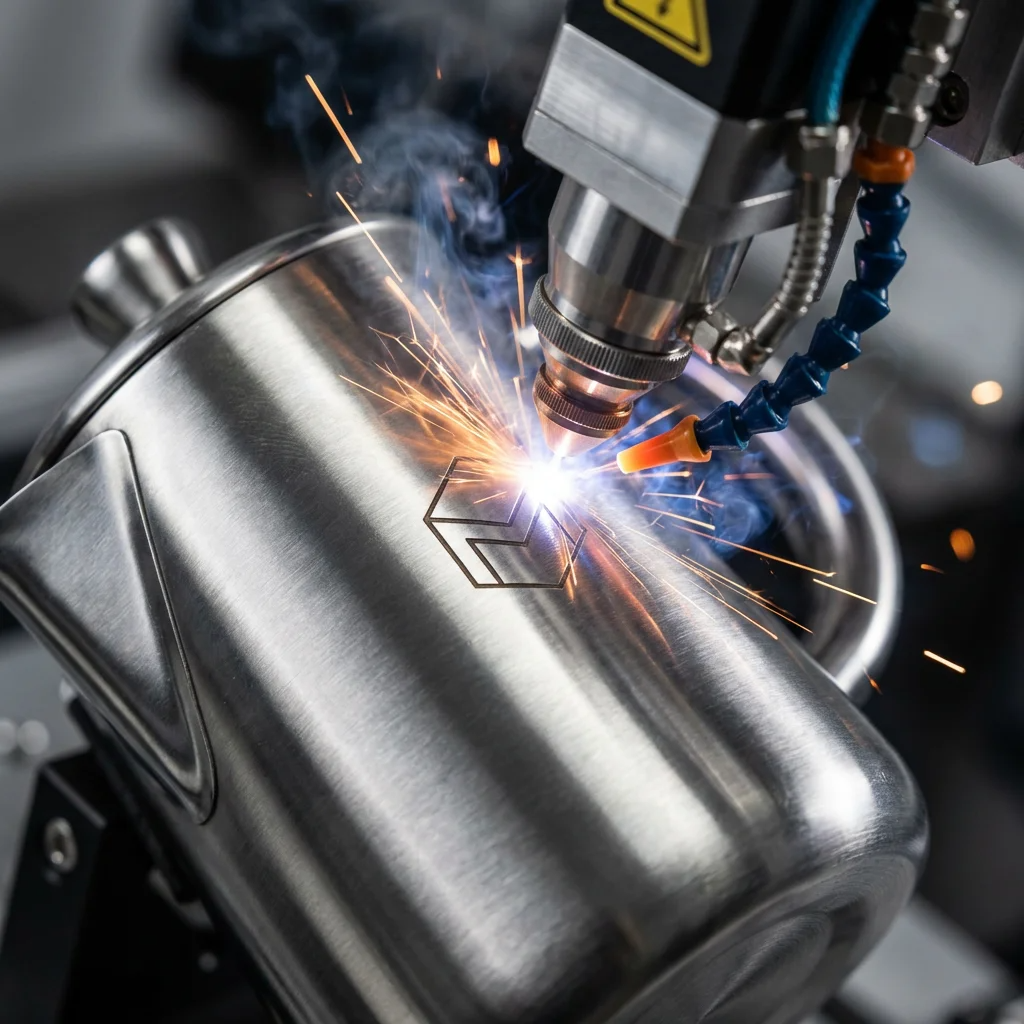
You can make your coffee pot special by adding your logo. Logo printing and laser engraving help people remember your brand. When someone uses your coffee pot, they see your logo. This helps more people know about your brand at home, work, or in a cafe. A coffee pot with a logo looks professional and makes a nice gift. People use coffee pots every day, so they see your brand a lot. This helps them remember your brand for a long time. Sharing coffee also brings people together and makes them feel close to your brand.
Here are some ways logo printing and engraving help your brand:
Your logo is seen each time someone makes coffee.
Branded coffee pots are good gifts for companies.
A logo makes the coffee pot look more valuable.
People feel closer to your brand during coffee breaks.
You get more people to see your brand without extra cost.
Custom Colors and Surface Finishes
You can pick from many colors and finishes for your coffee pots. Some factories let you match the color to your brand or pick a special finish. Matte, shiny, or metallic surfaces can make your coffee pot look different. Bright colors catch people’s eyes and help your brand stand out in stores.
Lid and Handle Design Options
You can choose different lid and handle designs for your coffee pot. Some brands use handles that are easy to hold. Others pick fancy lids or special spouts. These choices make your coffee pot easy to use and look nice. Special hardware can also make your coffee pot better than others.
Packaging and Gift Box Customization
Packaging is important. You can add gift boxes, ribbons, or thank-you cards to make your coffee pot special. Custom packaging makes your coffee pot look fancy and is great for gifts. Many people buy products with nice packaging for holidays or special days.
Here is a table of popular customization techniques:
Customization Technique | Description |
|---|---|
Screen Printing | Good for bright, colorful logos on ceramic or glass. |
Laser Engraving | Makes a lasting, fancy mark on stainless steel coffee pots. |
Pad Printing | Works well on curved or bumpy surfaces, often for small logos. |
Heat Transfer | Great for detailed designs on insulated or plastic coffee pots. |
Engraving | Gives a smooth, professional look and lasts long on stainless steel thermal pots. |
Custom Decals | Lets you add colorful, detailed designs to smooth surfaces. |
Color Customization | Some factories offer many body or lid colors for your brand or style. |
Gift Packaging | You can get boxes, ribbons, or thank-you cards to make your coffee pot look special. |
Name or Monogram Printing | Add a name, initials, or date for a personal touch—great for gifts or weddings. |
Artistic Designs | Custom art can be added with decals, screen printing, or photo transfers. |
Hand-Painted Details | Artists can paint special designs by hand for a fancy look. |
Custom Hardware | Upgrade with cool spouts, easy-to-hold handles, or fancy lids in matching or different colors. |
A custom coffee pot with the right design and packaging can help your brand grow and get more loyal customers.
Key Materials Used in High-Quality Coffee Pots
When you pick materials for your custom coffee pot, you want the best for your customers. Good materials help your coffee pot last longer and work better. Here are the main choices for making coffee pots:
Material | Key Features |
|---|---|
Stainless Steel | Strong, thermal efficient, rust and corrosion resistant, ideal for daily use, superior insulation. |
Ceramic | Timeless look, excellent heat retention, fragile, requires careful handling. |
Glass | Modern appearance, allows monitoring of coffee levels, prone to breakage, lacks insulation. |
Iron | Rugged appearance, substantial feel, pairs with glass liner for flavor preservation, vacuum insulation. |
Food-Grade Stainless Steel (18/8 or 304)
Many top coffee pots use 18/8 or 304 stainless steel. This material gives you lots of good things:
Advantage | Description |
|---|---|
Superior Corrosion Resistance | Highly resistant to rust and staining, ensuring long-term cleanliness and durability. |
Strength and Durability | Maintains shape and structure under heavy use, ideal for kitchen tools. |
Safe for Food Contact | BPA-free and non-toxic, does not leach harmful chemicals, meeting food safety standards. |
Eco-Friendly | Recyclable and sustainable, reducing waste and promoting eco-conscious manufacturing. |
You will not taste metal or plastic in your coffee. The smooth surface is easy to clean and keeps germs away. You do not have to worry about bad chemicals.
Both 18/8 and 304 stainless steel are safe for food. They do not let out toxins, so you can trust them in your kitchen.
Double-Wall Vacuum Insulation Technology
Double-wall vacuum insulation keeps your coffee hot for a long time. This technology uses two layers of stainless steel with a vacuum in the middle. The vacuum stops heat from getting out. Your coffee stays warm, and the outside stays cool. You get better heat holding and a nicer coffee time.
Tip: If you want your coffee to stay hot all morning, look for double-wall vacuum insulation.
Heat-Resistant Borosilicate Glass
Borosilicate glass makes your coffee pot look modern. You can watch your coffee brew. This glass does not break from heat and is strong. It is good for people who want style and safety. You get a coffee pot that looks nice and works well every day.
The OEM Coffee Pot Manufacturing Process
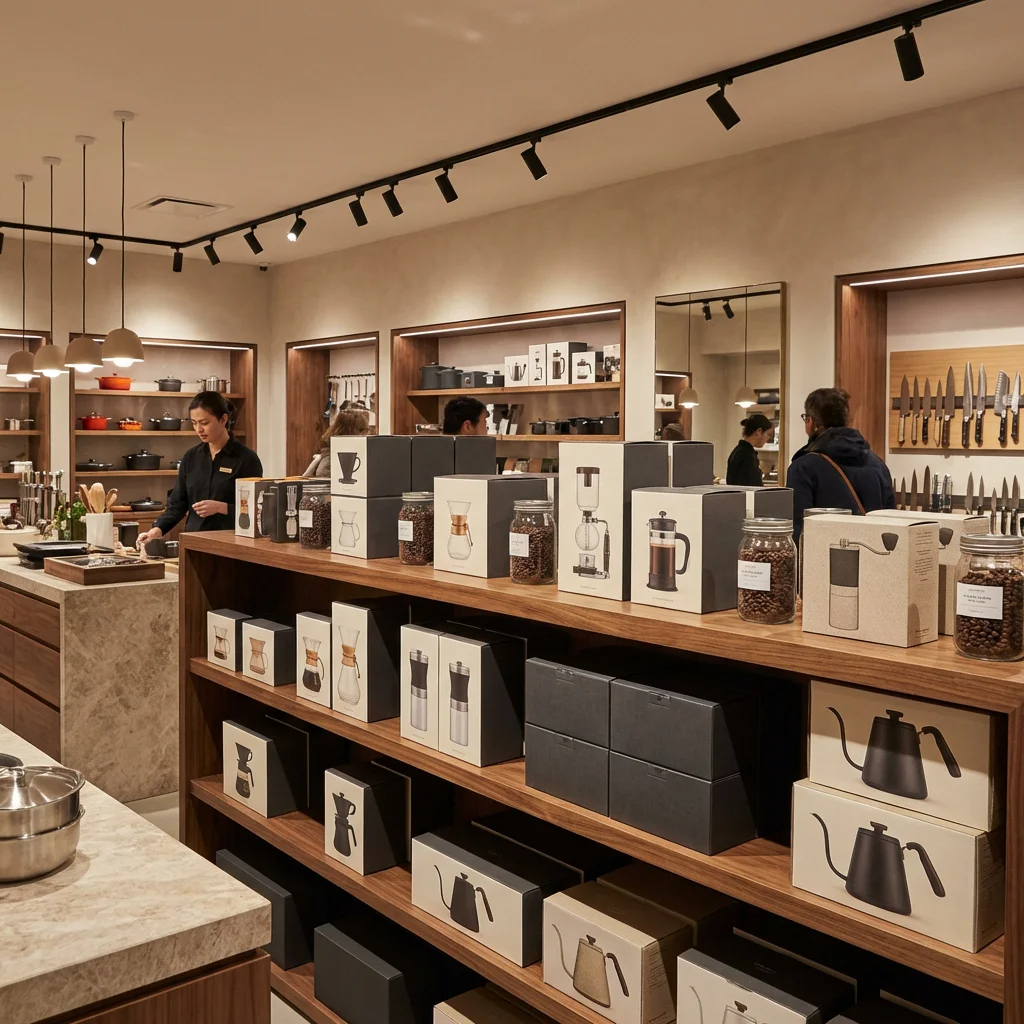
When you want to launch a custom coffee pot, you need to know how the OEM manufacturing process works. Each step helps you turn your idea into a real product that meets your brand’s needs. Here is a table that shows the main stages:
Stage | Description |
|---|---|
Initial Consultation | You share your needs, market trends, and target customers with the manufacturer. |
Design and Prototyping | You and the factory create concepts and test prototypes to see what works best. |
Product Development and Testing | The team tests the coffee pot for safety, performance, and industry standards. |
Mass Production | The factory makes your coffee pots in large numbers, keeping quality high. |
Packaging and Shipping | The manufacturer packs and ships your products on time. |
After-Sales Support | You get help with technical questions and warranty support. |
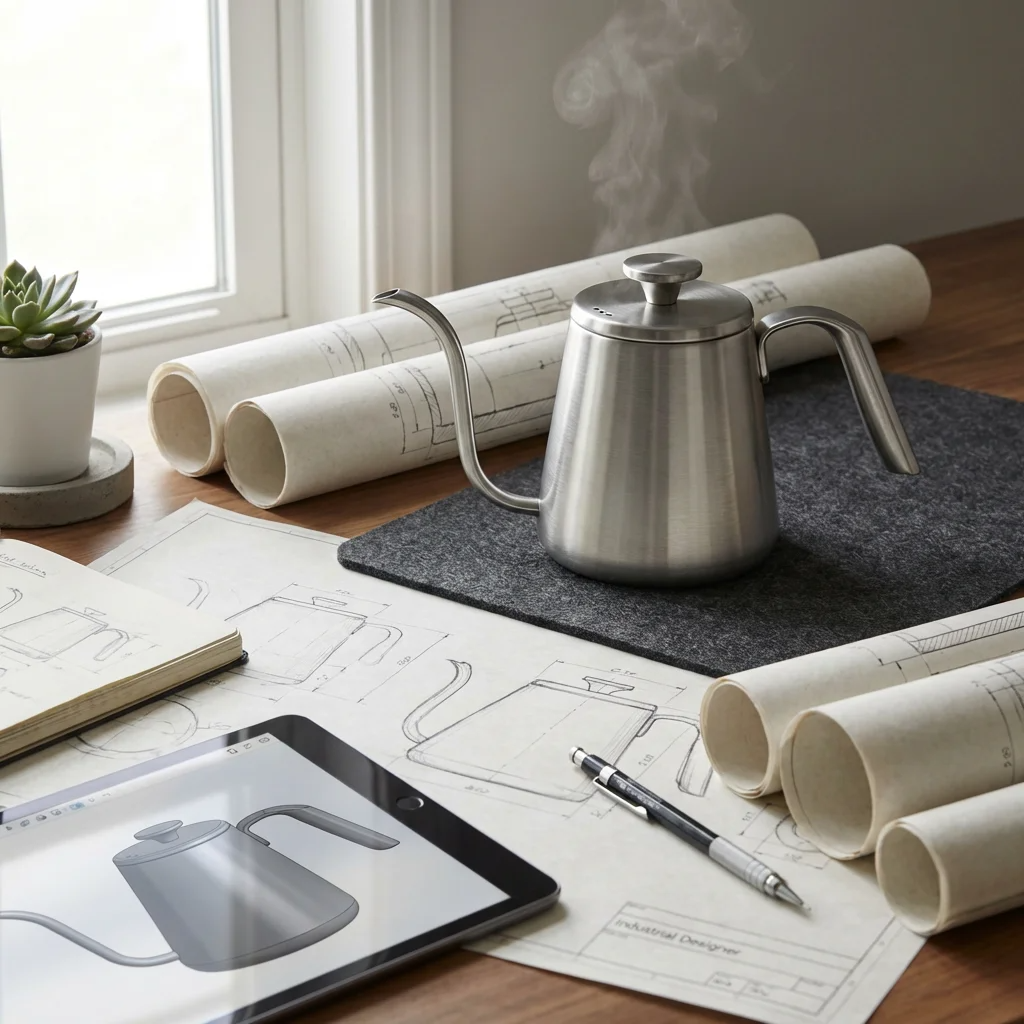
Product Design and Prototype Development
You start with a simple idea for your coffee pot. First, you think about how it should look and work. Next, you make a basic model using easy materials. Then, you design a better prototype that looks more like the final product. You test this model to see if it works well. You also show mockups to people and ask for feedback. After testing, you make changes to improve the design.
Tooling and Mold Production
Once you finish the design, you need special tools and molds. These help the factory shape the parts of your coffee pot. The manufacturer creates molds for the body, lid, and handle. Good molds make sure every coffee pot looks the same and works well.
Sample Approval and Product Testing
The factory makes a few samples for you to check. You test these samples to see if they meet your standards. You look for things like leaks, heat retention, and how easy it is to use. If you find problems, you ask for changes. Only after you approve the sample does the factory move to the next step.
Mass Production and Quality Control
The factory starts making your coffee pots in large numbers. Workers check each batch to make sure every pot is safe and high quality. You get updates on progress and can ask for reports. This process helps you deliver a custom coffee pot that your customers will trust and enjoy.
Important Certifications for Coffee Pot Manufacturing
FDA and LFGB Food Safety Standards
You need to make sure your coffee pots are safe to use with food. The FDA and LFGB have rules for this. These rules keep your customers safe. They also help you sell in big places like the United States and Europe. The table below shows the main certifications and what they mean:
Certification | Region | Focus Areas | Significance |
|---|---|---|---|
FDA 21 CFR 177 | United States | Material composition, extraction limits | Needed for US market access |
EU 1935/2004 | European Union | Migration limits, traceability | Key for European distribution |
LFGB | Germany | Comprehensive material testing | Premium verification, exceeds EU standards |
You should ask your factory for these certificates. This step helps you stay out of trouble with the law. It also helps buyers trust your brand.
BPA-Free Compliance
BPA means bisphenol A. This is a chemical that can move from plastic into drinks or food. Many countries do not let BPA be in things that touch food. You need to check that your coffee pots are BPA-free. Look for clear labels or test papers from your supplier. BPA-free coffee pots keep people safe and make your brand look good.
Tip: Always ask for BPA-free proof before you buy.
Quality and Safety Testing Requirements
You want your coffee pots to be strong and work well. Quality and safety tests check for leaks and if the handles are strong. These tests also make sure the coffee pot does not break easily. You should ask your factory for test results. Good test reports show your coffee pots are high quality. This helps you sell with confidence and keeps your customers happy.
How Importers and Retailers Can Choose the Right Coffee Pot Manufacturer
Manufacturing Experience and Production Capacity
Check how long the company has made coffee pots. A manufacturer with lots of experience can fix problems fast. Ask how many coffee pots they make each month. This helps you know if they can handle big orders. If they have a strong production capacity, you will not wait long for your products.
Customization Capabilities
You want your coffee pot to look special. Ask what changes the factory can do for you. Some factories let you pick colors, shapes, and finishes. Others only allow small changes. Try to find a partner who can print your logo or change the handle. They might also help you design cool packaging. These choices make your brand stand out.
Quality Control Systems
Quality is important for every coffee pot. Ask if the factory checks each product before shipping. Good factories test for leaks and weak handles. You can ask to see their quality reports. If they have good quality control, your customers get safe and strong coffee pots.
Communication and Lead Time Reliability
Good communication helps you avoid mistakes. Pick a manufacturer who answers your questions fast. Ask how long it takes to get your order. Reliable partners give updates and deliver on time. When you get answers and products quickly, your business can grow.
Tip: Write down what you need before you talk to a factory. This makes it easier to compare and pick the best one.
Common Challenges in Private Label Coffee Pot Production
Minimum Order Quantity (MOQ) Requirements
You will face MOQ requirements when you start a private label coffee pot project. MOQ means the smallest number of units you must order from the factory. This number can change based on the design, material, or factory policy. If you want a custom coffee pot, you may need to order more units than you expect.
Here is a table that shows how MOQ can affect your business:
MOQ Impact | Description |
|---|---|
Initial Investment | Determines the upfront cost for businesses entering the market. |
Scalability | Small MOQs enable gradual scaling based on demand, essential for new entrants. |
A high MOQ means you need more money at the start. A low MOQ lets you test the market and grow slowly. You should ask your manufacturer about their MOQ before you start.
Design and Tooling Costs
Custom coffee pots need special molds and tools. You pay for these at the start of your project. These costs can be high, especially for unique shapes or features. If you change your design, you may need new tools. You should plan your budget for these costs. Good planning helps you avoid surprises.
Tip: Ask your manufacturer for a clear quote on tooling before you approve the design.
Shipping and Supply Chain Management
Shipping your coffee pots to your warehouse or customers can be tricky. You must think about shipping costs, delivery times, and customs rules. Delays can happen if there are problems at the port or with paperwork. You should work with a partner who knows how to handle shipping. Good supply chain management helps you deliver products on time and keep your customers happy.
Tips for Building a Successful Private Label Coffee Pot Brand
Differentiating Your Product Design
You want your coffee pot to stand out on the shelf. Start by choosing a design that is different from others. Use unique colors, shapes, and finishes. Add your logo in a way that is easy to see. Pick packaging that looks good and keeps your product safe. Eye-catching packaging attracts customers. Strong packaging also protects your coffee pot and keeps it fresh. A well-designed label with the right logo, colors, and materials helps people remember your brand.
Targeting the Right Coffee Enthusiast Market
Think about who will use your custom coffee pot. Define your target audience before you start. Some people care about adventure, while others want wellness or sustainability. When you know your audience, you can pick features and designs they will like. Work with your OEM to test different options. Try out several designs and ask for feedback. This helps you find the best match for your market. Make sure your OEM can grow with you and handle bigger orders as your brand gets more popular.
Building a Strong Brand Story
A strong brand story helps people connect with your product. Share why you started your brand and what makes it special. Tell the story of your coffee pot, from the idea to the finished product. Use your packaging and labels to show your values. For example, you can talk about how you care about the environment or support local farmers. When you highlight your story, you build trust and make customers feel close to your brand.
Tip: Use your brand story to create an emotional connection with your customers. People remember stories more than facts.
Why OEM Coffee Pots Are a Smart Investment for Private Label Brands
You want your brand to stand out. Choosing OEM manufacturing for your custom coffee pot gives you many advantages. You do not need to build your own factory. You can focus on your brand and let experts handle production. This saves you money and time.
You get to control how your coffee pot looks and works. You can add your logo, pick colors, and design features that match your brand. Customers notice these details. They remember your brand when they use your product every day.
OEM partners help you make large numbers of coffee pots with steady quality. You do not worry about mistakes or delays. Your customers get reliable products. Your team feels proud to offer something unique.
Here is a table that shows why OEM coffee pots are a smart choice:
Benefit | Description |
|---|---|
Cost Efficiency | You avoid the cost of building your own factory. You keep your brand strong and control quality. |
Branding Flexibility | You can change the look and features to fit your brand and improve customer experience. |
Operational Benefits | You get many coffee pots with the same quality. Your team works better and spends less on fixes. |
You can grow your business faster. You reach more customers and build trust. OEM manufacturing helps you create products that match your vision. You make smart choices for your brand’s future.
Tip: Start with a clear plan for your custom coffee pot. Work closely with your OEM partner to get the best results.
You can make your own custom coffee pot if you follow some steps. First, you need to know what you want and plan your project. Then, you work on the design and build a model. After that, you start making the coffee pots and check the quality. Use a checklist to help you pick a good partner, decide on the smallest order, and make sure your design is right. You should also check if your coffee pot follows the rules. Talk to trusted OEMs or write down what your product should be like. Keep learning about new coffee trends so your product stays popular.
Phase | Duration | Key Activities |
|---|---|---|
1 | 1-2 Weeks | Figure out what your brand needs, who will use your coffee pot, what features are most important, and how much money and time you have. |
2 | 3-5 Weeks | Draw ideas, make 3D models, build a sample, and ask people what they think. |
3 | 6-8 Weeks | Make the molds, do a test run, start big production, and get your coffee pots packed and shipped. |
4 | Ongoing | Tell people about your coffee pot, look at sales numbers, listen to what users say, and plan how to make your product better. |
FAQ
How do you start a custom coffee pot project with an OEM?
You contact the OEM, share your ideas, and ask for a quote. The OEM guides you through design, samples, and production.
What is the typical minimum order quantity (MOQ) for custom coffee pots?
You usually need to order at least 500 to 1,000 units. Some factories offer lower MOQs for simple designs.
Can you add your own logo and packaging design?
Yes, you can add your logo.
You can also choose custom packaging to match your brand.