English
  Spanish
  Portuguese
  Arabic
  German
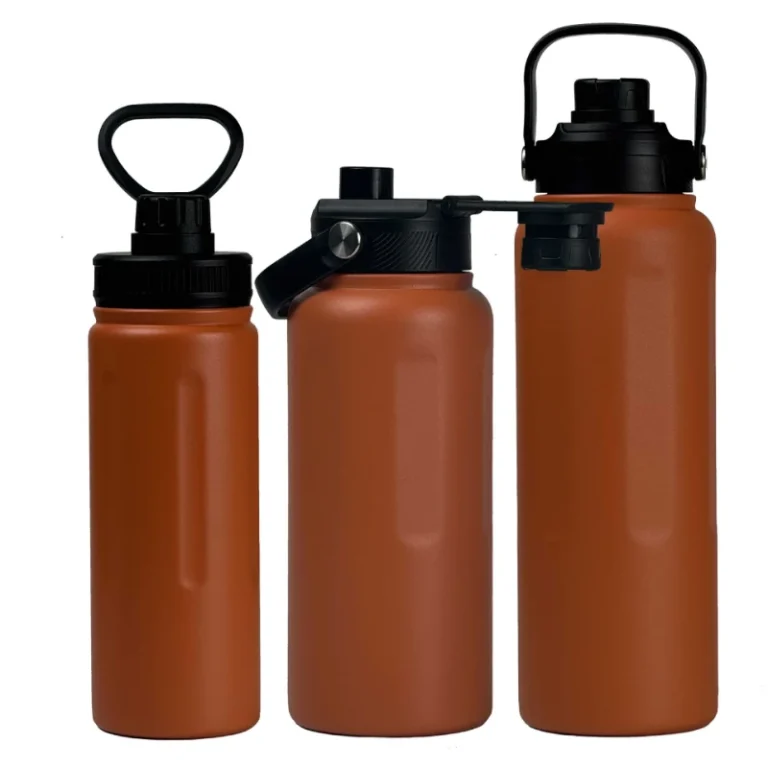
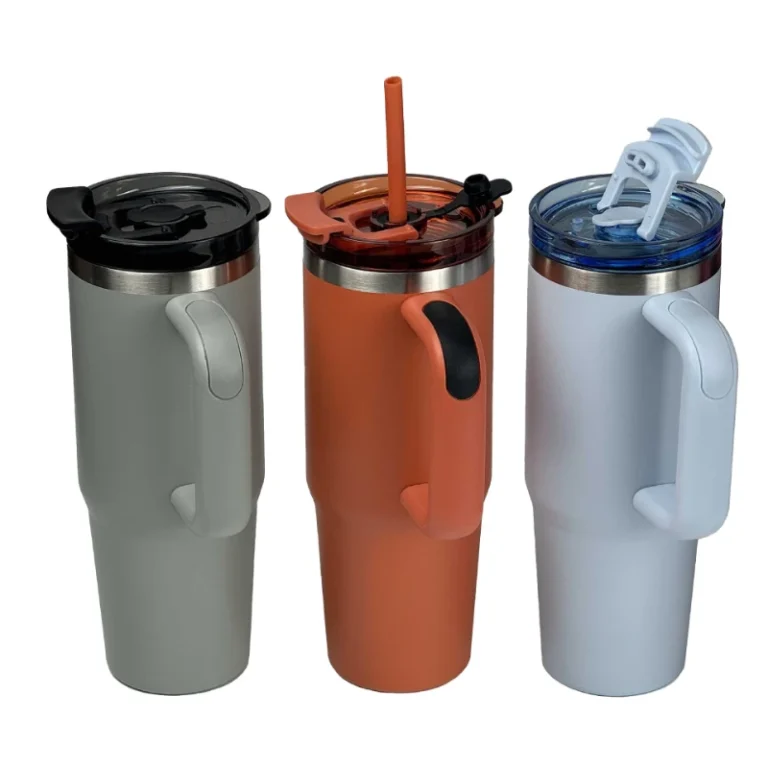
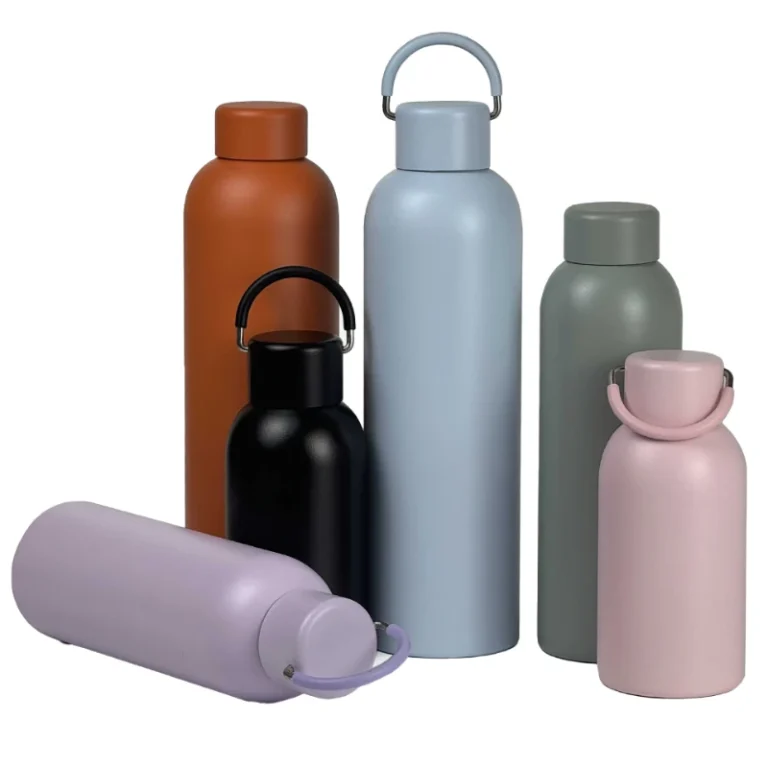
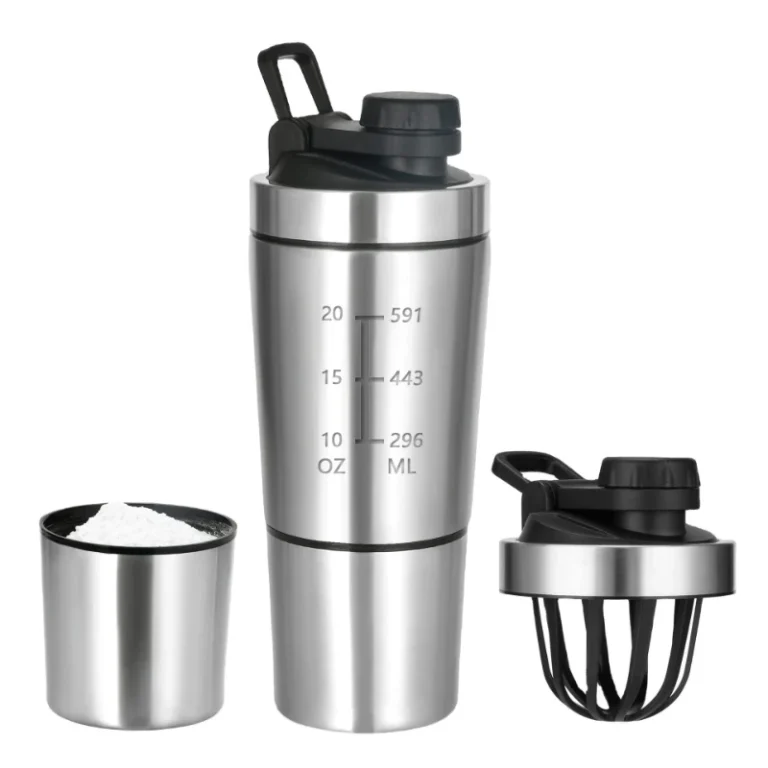
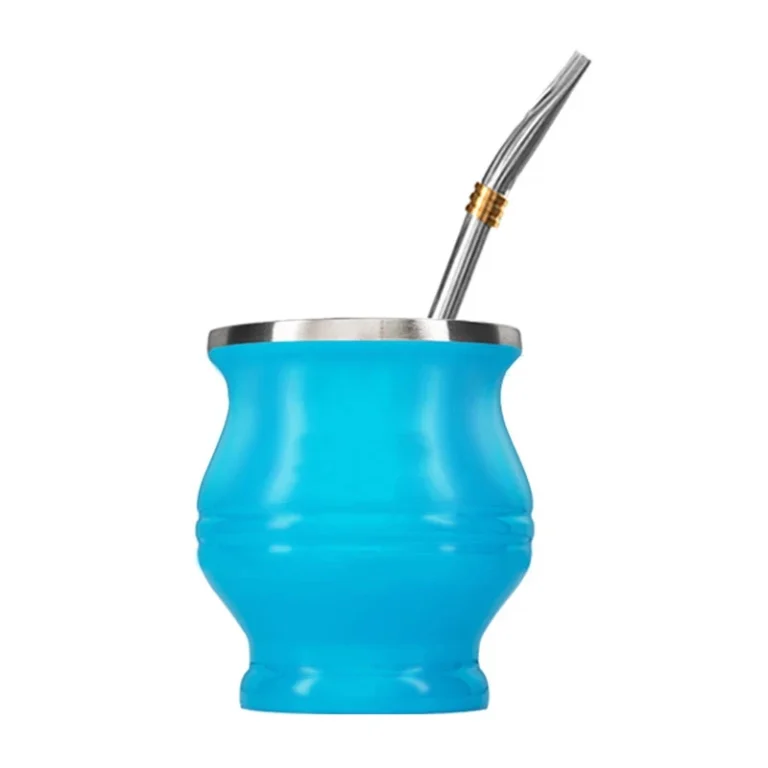
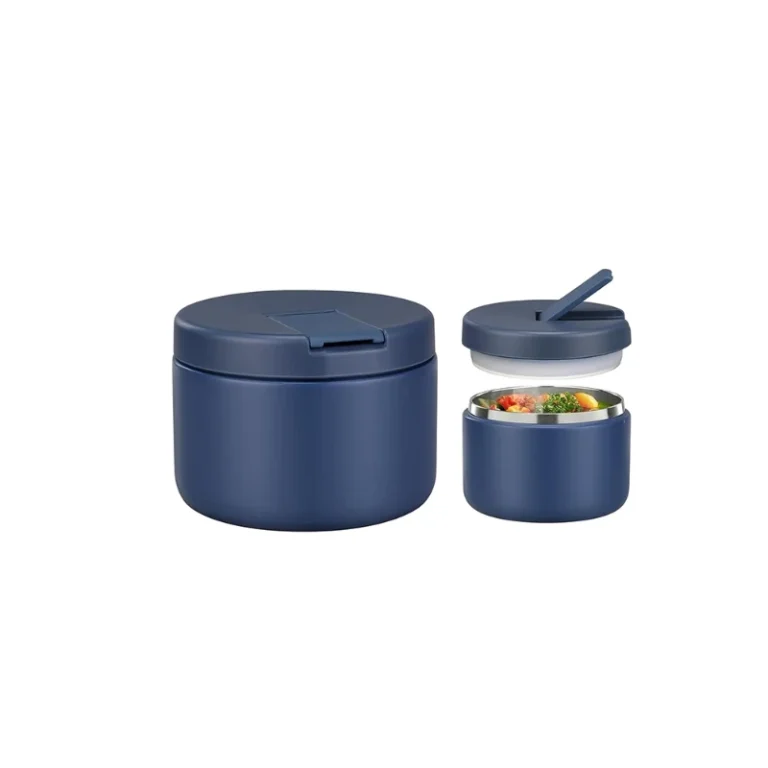
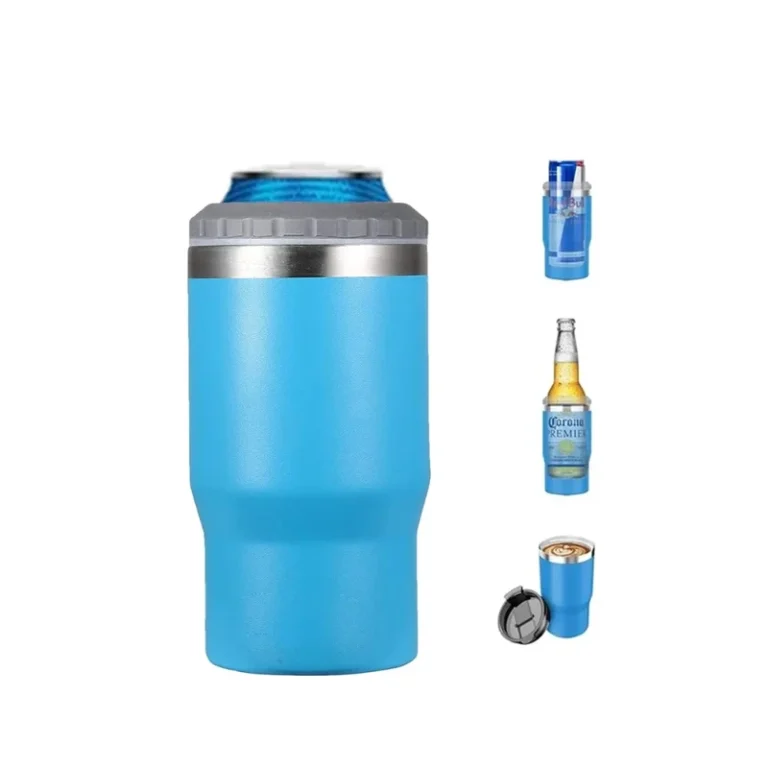
Picking the right water bottle manufacturer is very important for your business. If you hurry, you could have big problems:
Quality that changes can make customers unhappy and hurt sales.
Some suppliers may use cheap materials, not food-grade ones.
Bad insulation can make buyers upset.
Lids and seals that are weak can cause leaks and breaks.
If you search carefully, you can avoid these problems and keep your brand strong.
Key Takeaways
Picking a good water bottle manufacturer is very important. It helps keep your product quality high and protects your brand’s name. Good suppliers follow health and safety rules.
Always check your suppliers to avoid problems like bad quality or legal trouble. Look for certifications and do good research before you order.
Know what you need before you look for manufacturers. Think about materials, insulation, and special features. This helps make sure the bottles fit your brand’s needs.
Why Choosing the Right Water Bottle Manufacturer Matters
Impact on Product Quality and Brand Reputation
You want your customers to trust your brand. Picking the right water bottle manufacturer helps you keep that trust. When you work with reliable wholesale water bottle suppliers, you can make sure your bottles meet health and safety standards. This protects your customers and your brand’s image. Here’s why it matters:
Compliance with health and safety standards builds customer trust.
Following regulations keeps your business safe from trouble.
Product safety checks at every stage help you keep high product quality and a strong reputation.
How Manufacturing Affects Cost, Lead Time, and Scalability
You need to think about more than just price. The way your supplier runs their factory can change your costs, how fast you get your bottles, and how much you can grow. In the water bottle industry, you can start small because startup costs are low. This lets you test the market without spending too much. As your business grows, you can scale up production quickly. You do not need to worry about long delays or big investments. This flexibility helps you meet demand and keep your business moving.
Risks of Working with Unverified Suppliers
You should always check if a supplier is real and trustworthy. If you skip this step, you face big risks:
Some suppliers use marketing terms that are not true.
Without certifications, you could face legal problems and lose your good name.
No third-party checks can mean false claims about how sustainable or safe the bottles are.
Not following rules in your target market can cost you money and cause trouble.
If you want customized bottles that meet your standards, always verify your supplier before you order.
Know What You Want Before You Start Looking
You should decide what you need before searching for a water bottle factory. This step helps you save time and avoid mistakes that cost money. Here are some ways to begin:
Material Choices (Stainless Steel, Tritan, Glass, Aluminum)
The material you pick affects your brand and how your bottle works. Look at this simple comparison:
Material | Good Points | Bad Points |
|---|---|---|
Stainless Steel | Strong, easy to wash, keeps drinks hot or cold | Heavy, costs more |
Glass | Tastes pure, can be recycled | Breaks easily, heavy |
Tritan | Light, BPA-free, safe for dishwashers | Not as strong as metal, costs more |
Aluminum | Light, can be recycled | Needs a lining, does not keep drinks hot |
Insulation Types (Double Wall Vacuum, Single Wall)
Insulation changes how your bottle keeps drinks hot or cold. Here is what you should know:
Feature | Bottles With Insulation | Bottles Without Insulation |
|---|---|---|
Temperature Control | Stays hot or cold longer | Does not keep temperature |
Condensation | No sweat on the outside | Sweats with cold drinks |
Weight | Heavier | Lighter |
Size, Lid Styles, and Design Details
Think about what your customers want. Most people like bottles between 16 and 24 ounces. Many like lids that let them sip or drink fast. Leak-proof bottles, bright colors, and eco-friendly features help your custom bottles stand out.
Custom Features (Logo Printing, Powder Coating, Laser Engraving)
You can make your bottles special. You can use laser engraving, powder coating, or colorful printing. Add handles or straps if you want. Custom bottles let you show your brand’s style, whether it is simple, bold, or fun.
Safety Rules for Your Market (FDA, LFGB, BPA-Free, EU Standards)
You must follow safety rules for your market. Here is a quick list:
Compliance Standard | What It Means |
|---|---|
FDA Regulations | Materials are safe and have no bad chemicals |
EU Regulations | Bottles are tested for food safety |
BPA-Free Certification | Shows bottles do not have BPA |
Tip: Always ask your factory for proof that they follow safety rules before you buy custom bottles.
Where to Find Reliable Water Bottle Manufacturers
B2B Platforms (Alibaba, Global Sources, Made-in-China)
You can look for water bottle suppliers on B2B websites. These sites let you connect with factories from many countries. Here are some good places to start:
Alibaba: You can find lots of suppliers and many custom bottle choices.
Global Sources: This site checks suppliers and gives detailed company info.
ThomasNet: If you want North American suppliers, ThomasNet is a smart choice. It is good for finding eco-friendly bottles.
Faire: This platform has unique and green products. It also lets you pay in different ways.
Etsy Wholesale: You can find handmade bottles and talk to sellers directly.
Trade Shows (Canton Fair, Ambiente, HK Gifts & Premium Fair)
Trade shows let you meet water bottle suppliers in person. You can see their products and ask questions. You can compare different options easily. Here are some benefits:
Benefit | Description |
|---|---|
Direct access to verified manufacturers | You can meet trusted factories and check if they are real. |
Compare multiple suppliers | You can see many suppliers at the same event. |
Face to face negotiation | Talking in person helps you get better deals. |
Early access to new products | You can see new bottles before they are sold everywhere. |
Stronger pricing advantage | Buying directly can help you save money. |
Insight into global market trends | You can learn about new ideas and styles in the industry. |
Private label and bulk order opportunities | You can find ways to put your brand on bottles and buy in large amounts. |
Long term partnership building | You can start relationships that last a long time. |
Tip: At trade shows, you can check samples, talk about custom designs, and meet experts.
Google Search & SEO-Based Supplier Websites
You can use Google to find water bottle suppliers. Many suppliers try to show up first in search results. But being at the top does not always mean they are the best. Always check the supplier’s real business name. Make sure it matches official records. Ask for product test reports like TUV or SGS. These reports show the supplier cares about quality, even if they only test some batches.
Referrals and Industry Networking
Getting advice from people you trust can help you find a good supplier. Joining industry groups or using LinkedIn can lead to helpful contacts. Recommendations from others often point you to suppliers who have done a good job before.
How to Evaluate a Water Bottle Manufacturer
Factory vs Trading Company: How to Identify
When you check suppliers, you must know who makes the bottles. Factories make bottles themselves. Trading companies buy bottles from factories and sell them. Here is a table to show the differences:
Aspect | Water Bottle Factory | Trading Company |
|---|---|---|
Product Knowledge | Knows a lot, works with bottles every day | Knows about sales, learns from factory partners |
Customization | Can help with new designs and molds | Can only do what partner factories allow |
Pricing | Gives prices based on real costs | Adds extra fees to prices |
Quality Control | Checks quality directly | Depends on factory to check quality |
Delivery Stability | Sends orders on time, especially repeat orders | Delivery can change if factory changes plans |
Communication | Talks with engineers and managers | Talks slower, passes messages between people |
Production Capacity and Lead Time
You need a supplier who can fill your orders. The best water bottle manufacturers can make over 200,000 bottles each month. They deliver on time almost always. Most take about 45 days to finish an order. Ask how long they usually take. Ask what happens if there are delays. Ask if they have backup plans for supply chain problems. Local suppliers may ship faster. International suppliers can make more bottles.
Quality Control System and Certifications (ISO, BSCI, Sedex)
To get good bottles, check for strong quality control. Look for certificates like FDA, LFGB, REACH, RoHS, ISO 9001, ISO 14001, and SGS. These show the company cares about safety and quality. ISO 9001 means the company follows strict steps to keep quality high. Always ask to see these certificates before you buy.
Experience in Export Markets (US, EU, Australia)
A good water bottle manufacturer knows the rules in your country. If they have shipped to the US, EU, or Australia, they know different safety rules. This helps you avoid customs problems and keeps your bottles legal.
OEM & ODM Capabilities
If you want custom bottles, check if the supplier can do OEM and ODM. ODM lets you add your logo or pick colors. OEM lets you design your own bottle shape, lid, or features. OEM takes longer and costs more, but it makes your brand special. Make sure your supplier can do both if you want to grow.
Requesting Samples the Smart Way
When you ask a supplier for samples, you want to make sure you get the best possible look at their work. This step helps you avoid surprises later, especially if you plan to order customized bottles. Here’s how you can check samples like a pro.
What to Check in Sample Quality
Start by looking at the basics. Open the box and check the carton markings. Make sure the bottles match your order. Try the lids and see if they fit well. Give the bottle a gentle shake on a flat surface to check for wobble. If you notice any leaks or odd smells, that’s a red flag. You can use this table to keep track:
Criteria | Result | Comments |
|---|---|---|
Carton mark descriptions | OK | |
Leak test | OK | |
Tape test on coatings | OK | |
Decoration quality | OK | No color issues |
Wobble test | OK | No wobble on flat surface |
Insulation Performance Testing
You want your bottle to keep drinks hot or cold. Fill the sample with hot water and check the temperature after a few hours. For a real test, drop the bottle from different heights and see if it still works. Here’s a simple way to do it:
Pick drop heights that match real-life use.
Drop the bottle on a hard surface.
Check for dents, leaks, or broken parts.
Repeat a few times for each sample.
Surface Finish and Logo Durability
Look at the bottle’s finish. Run your finger over the logo. Try a tape test—stick and peel tape over the logo to see if it comes off. Different finishes work best for different uses. For example:
Method | Description | Best Use Case |
|---|---|---|
Powder Coating | Scratch-resistant, durable | Outdoor/Sports |
Laser Engraving | Permanent branding, clean lines | Tech or minimalist brands |
Heat Transfer Print | Colorful, flexible designs | Kids’ or promo bottles |
Packaging Quality and Drop Test
Good packaging protects your bottles during shipping. Domestic suppliers and international suppliers both need to pass drop tests. Drop the box from different angles—bottom, top, side, and corners. After each drop, check for dents, leaks, or broken lids. If the bottles survive, you know the packaging is strong.
Tip: Always ask for a sample shipment before placing a big order. This step helps you spot problems early and keeps your business safe.
Audit and Verification Process
Conducting a Virtual Factory Tour
You can ask for a virtual factory tour. Many factories use video calls or show recorded videos. You will see machines, workers, and storage rooms. Ask to see how they make customized bottles. Check if the factory looks clean and neat. If you work with local suppliers, you might visit in person. For suppliers far away, a virtual tour is a good option.
Third-Party Factory Audit Options
You want your supplier to follow good rules. Third-party audits help you check this. Companies like UL Solutions do cGMP Audit and Certification. These audits look at how the factory works and if it follows strict quality rules. If a factory passes, it shows they care about safety and quality. This step helps you lower risks and build trust with customers.
Checking Business Licenses and Export Records
Always ask for business license copies. Make sure the company name matches their website. You can check export records too. These records show if the supplier has shipped to other countries. If they have a long history, they know how to work with local and international suppliers. This helps you avoid scams.
Reviewing Customer Testimonials and Case Studies
Read what other buyers say about the supplier. Look for reviews about product quality, delivery speed, and customer service. Some suppliers share case studies about helping brands with customized orders. These stories show real examples of what to expect. If you see many happy customers, you can feel more confident in your choice.
Negotiating MOQ, Pricing, and Payment Terms
Understanding MOQ for Custom Bottles
MOQ means the smallest number you must buy. Wholesale water bottle suppliers set this for custom bottles. You should ask about MOQ before you order. Some local suppliers let you buy fewer bottles. This is good if you want to try selling first. Suppliers from other countries may want you to buy more. Sometimes you can talk them into lowering it. Always check if the MOQ covers all features you want, like special lids or colors.
Balancing Price vs Quality
You want bottles that are strong and not too expensive. If a price is very low, ask the supplier why. Sometimes, cheap bottles use bad materials or skip checks. Ask for a list of costs to see where your money goes. A reliable water bottle manufacturer will not skip steps just to get your order.
Tip: Paying a bit more for good bottles can help you save money later.
Safe Payment Methods (T/T, L/C, Trade Assurance)
You should use safe ways to pay. T/T is a bank transfer and is common, but you need to trust the supplier. L/C is a letter of credit and protects both sides. Trade Assurance on B2B sites gives extra safety. Never pay everything before you get samples or proof of production. Ask your supplier which payment ways they accept.
Strategies to Reduce Procurement Risk
You can lower your risk with smart steps:
Start with a small order to test the supplier.
Ask for references from other buyers.
Use contracts that list all details, like delivery time and quality checks.
Keep records of all messages and agreements.
If you do these things, you can build trust and avoid big problems with wholesale water bottle suppliers.
Building a Long-Term Manufacturing Partnership
Clear Communication and Technical Documentation
You need clear communication with your supplier. Simple messages work best. Use pictures, drawings, or even short videos to show what you want. Ask for technical documents like product specs and quality checklists. These help you avoid mistakes and keep everyone on the same page.
Tip: Make a shared folder for all files and updates. This keeps things organized and easy to find.
Forecast Planning and Repeat Orders
You should talk about your sales plans. Tell your supplier how many bottles you might need each month. This helps them get ready and avoid delays. If you plan repeat orders, let them know early. Good planning means you get your bottles on time, even when your business grows.
Continuous Product Development Support
Ask your supplier if they can help with new ideas or designs. Some factories offer design help or suggest new features. If you want a customized bottle, share your ideas and ask for feedback. Working together makes your products better.
Protecting Your Intellectual Property
Sign an NDA (Non-Disclosure Agreement) before you share new ideas. Ask your supplier how they keep your designs safe. Keep all contracts and emails. If you see your bottle copied, act fast. Protecting your ideas keeps your business strong.
Red Flags to Avoid When Selecting a Manufacturer
When you look for a good supplier, you need to watch out for warning signs. These red flags can save you from big headaches later.
Unrealistically Low Prices
Some wholesale water bottle suppliers offer prices that seem amazing. They might use cheap materials or skip important steps. You could end up with bottles that break or leak. Always compare prices with other suppliers. Ask questions about what is included in the price.
Slow or Unclear Communication
Good communication matters. If a supplier takes days to answer or gives confusing replies, you might face problems later. You want someone who answers your questions quickly and clearly. This helps you avoid mistakes with your customized orders.
No Verifiable Certifications
You should always ask for certificates. If a supplier cannot show real documents, you should worry. Real certificates prove the bottles are safe and meet rules in your country. Look for things like FDA, LFGB, or ISO. If you cannot check the certificates, pick another supplier.
Inconsistent Sample Quality
Samples show you what to expect. If the first sample looks great but the next one is bad, this is a big red flag. You want every bottle to match your standards. Inconsistent quality means you could get a bad batch when you order more.
Tip: Trust your gut. If something feels off, keep looking for a better supplier.
Final Checklist: 10 Steps to Confirm You’ve Found a Reliable Water Bottle Manufacturer
Ready to make your final decision? Use this checklist to make sure you’re picking the right partner for your business. If you can check off each step, you’re in good shape.
Inspect the Material
Check the glass or plastic for clarity. Make sure there are no cracks, chips, or scratches.Test the Seal
Close the bottle and turn it upside down. Look for leaks. The seal should feel tight and secure.Check the Cap Quality
Twist the cap on and off. It should fit smoothly and not strip the threads.Review Label Placement
Labels should sit straight and not peel at the edges. Ask for a sample with your customized design.Examine Print and Color
Look at the logo and colors. They should match your brand and not rub off easily.Measure Size and Shape
Use a ruler or scale. The bottle should match the size and shape you ordered.Weigh the Bottle
Pick up the bottle. It should feel sturdy, not too light or flimsy.Check for Discoloration
Hold the bottle to the light. There should be no cloudiness or odd colors.Inspect the Threads
Look at the neck of the bottle. Threads should be clean and undamaged.Test the Transparency
See through the bottle. The material should be clear if that’s what you want.
Tip: Take your time with this checklist. A careful check now saves you from big problems later.
You want finding a supplier to be easy. Here are some important steps:
Step | What You Do |
|---|---|
Factory audit | Go to the factory or check it online |
Sample | Try out bottles before buying them |
Price negotiation | Discuss prices to make sure they are fair |
Quality control | Make rules for how good the bottles must be |
Shipping & Logistics | Plan how bottles will be sent and tracked |
Follow these steps. You will build a strong supply chain and find a partner you can trust.
FAQ
How do you check if a water bottle manufacturer is reliable?
Ask the supplier for their business license and certificates. Look for reviews from buyers who have used them. Request a video call so you can see their factory working.
What is the usual lead time for custom water bottles?
Most suppliers need about 10 to 15 days to make bottles. Shipping will take more time after that. Always check how long everything will take before you order.
Can you order a small batch for your first order?
Yes, we support moq of 100pcs for your trial order. This helps you check the quality before you decide to buy more.