English
  Spanish
  Portuguese
  Arabic
  German
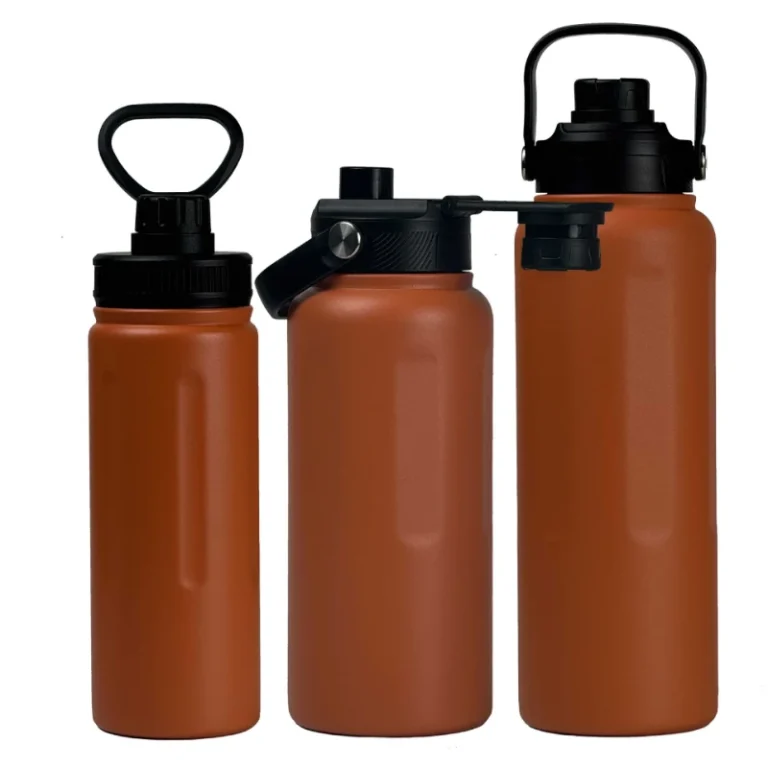
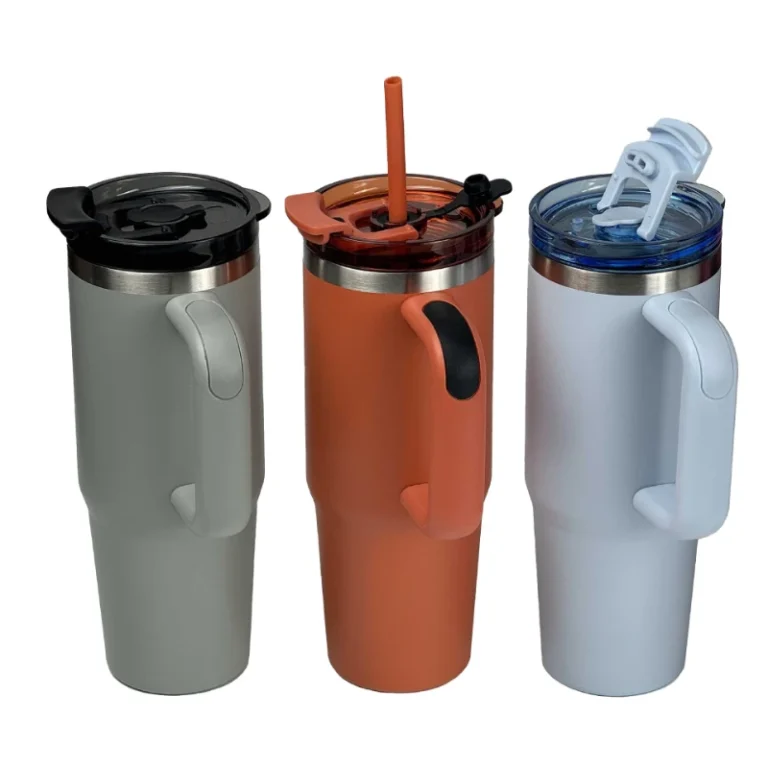
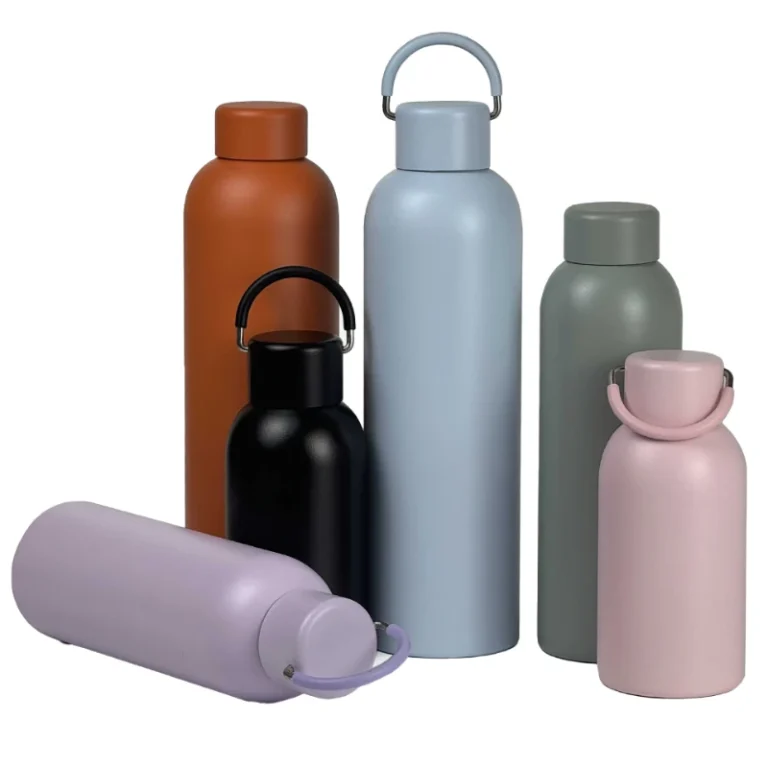
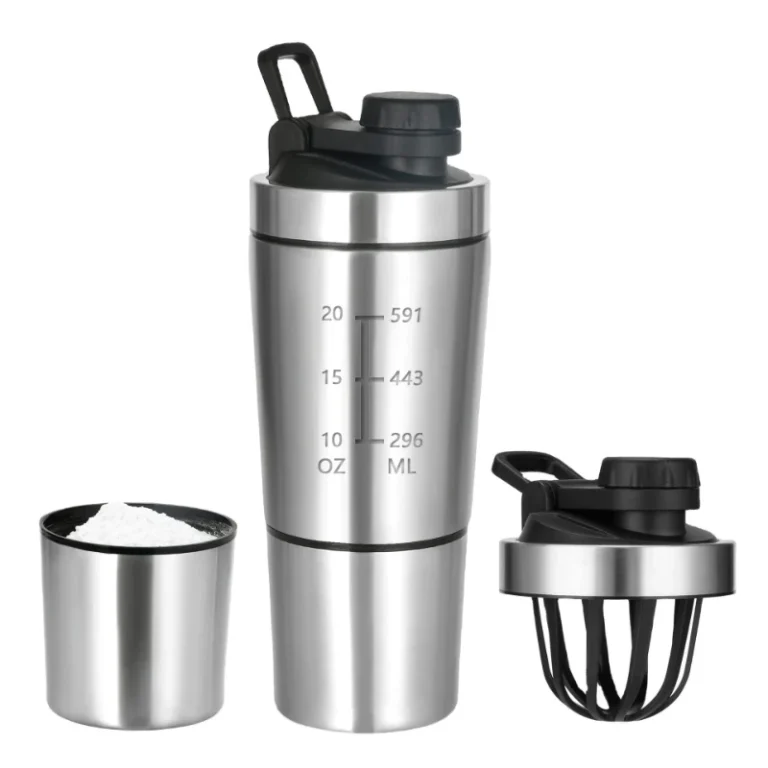
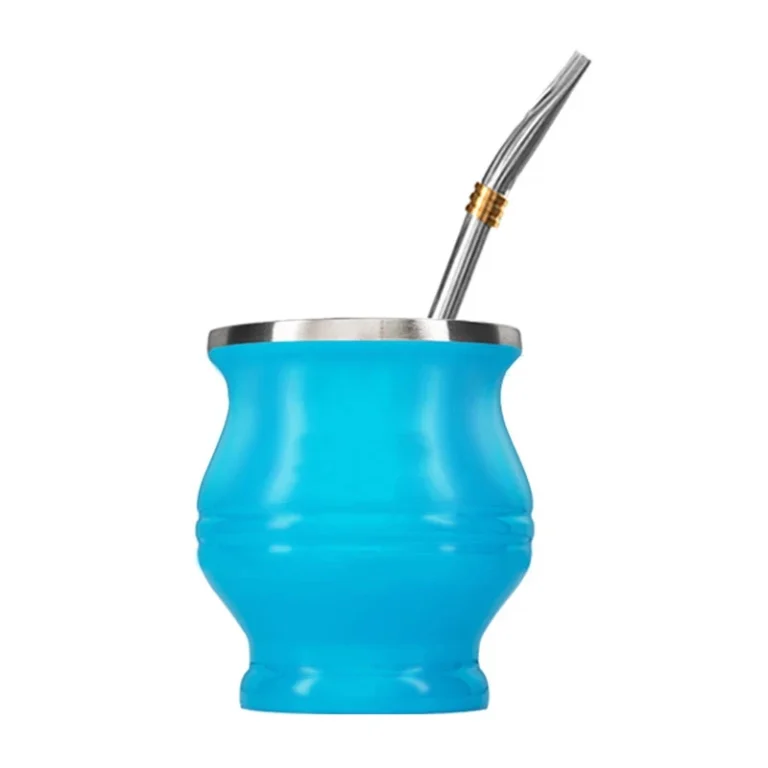
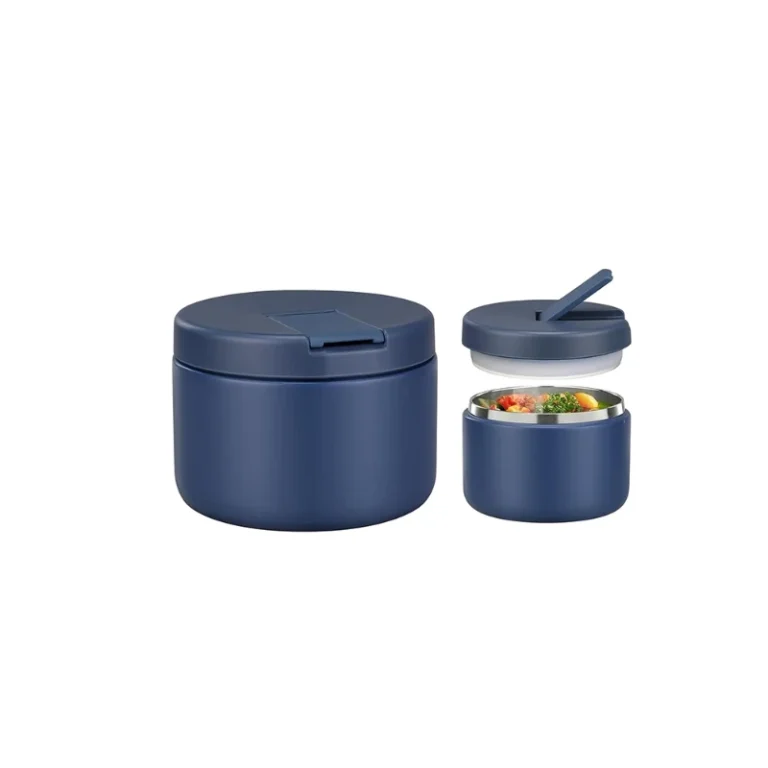
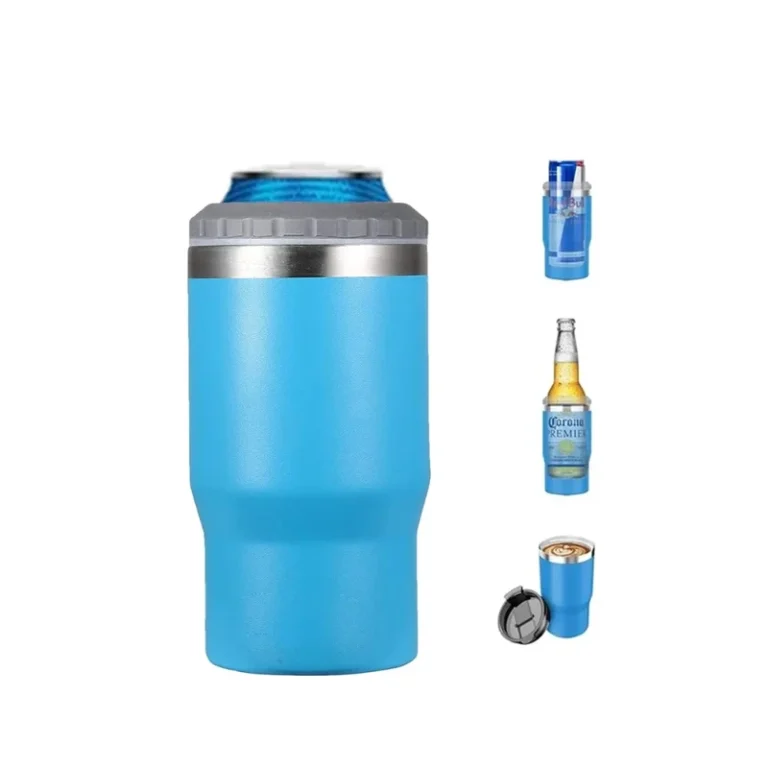
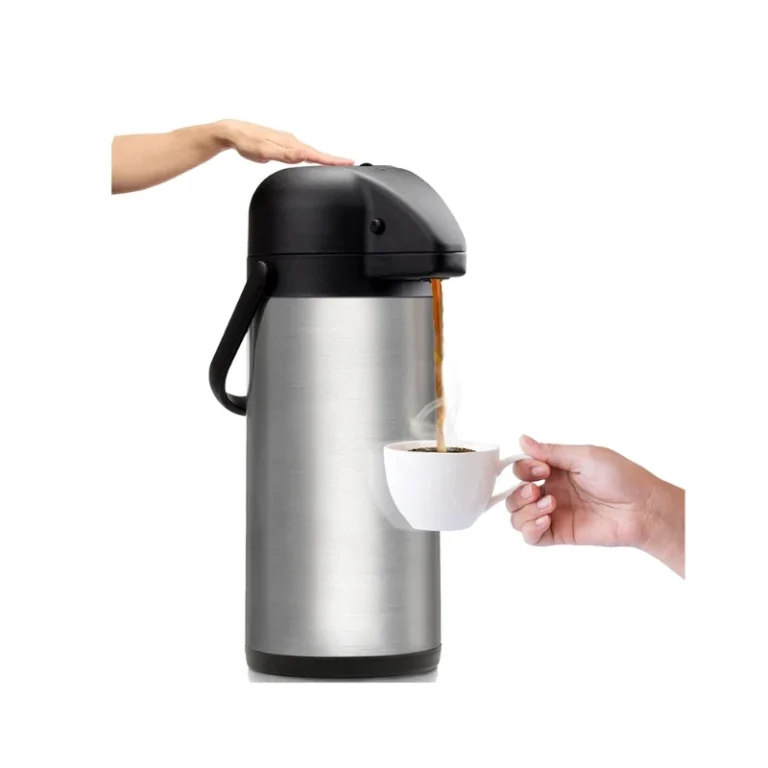

You may see that stainless steel tumblers have many prices. Many things affect the price you pay in stores. If you know these cost factors, you can make better choices. This helps if you are buying or selling. You can see if a tumbler factory uses good materials and steps. Many buyers think knowing the cost breakdown helps them see the value. You may also find ways to save money. You can buy in bulk or pick the best customization options. Custom designs and branding can help your business and make more profit.
Key Takeaways
Learn how stainless steel grades change tumbler quality and price. Pick 304 or 316 for safe use and strong tumblers.
Think about how making tumblers can change costs. Simple shapes and common materials help you spend less.
Look at buying in bulk to pay less for each tumbler. Getting more at once often means big savings.
Check accessory and packaging choices closely. Basic picks cost less but still look good.
Always look for certifications and quality checks at factories. This helps you get safe and trustworthy products.
Key Cost Factors in Stainless Steel Tumblers
Material Selection and Impact
You need to look at the materials when you want to understand tumbler costs. The type of stainless steel changes the price and quality. Factories use different grades for different needs. You see 201, 304 (18/8), and 316 stainless steel most often. Each grade has its own price and performance.
201 stainless steel costs less at first. You pay about 15-20% less than for 304. You may face more problems later. This grade needs more inspection, which adds 3-4 days to production. You also get more customer complaints, costing about $25 each. Products made with 201 steel cannot be sold as premium or food-grade. You only reach buyers who want the lowest price.
304 stainless steel (18/8 grade) is the standard for food contact. You get better durability and fewer failures. This grade costs more than 201, but you save money over time. You avoid extra labor and complaints.
316 stainless steel costs 25-30% more than 304. You get the best corrosion resistance. You can sell these tumblers at a higher price. This grade works best for special uses.
You must consider raw material requirements for each grade. Factories pay different prices per kilogram. Here is a table showing average prices:
Stainless Steel Grade | Price (USD per kg) |
|---|---|
201 | $16+ |
304 (18/8) | $30+ |
316 | $40+ |
You see that higher grades cost more. You also get better quality and fewer problems. You need to balance raw material requirements with your budget and target market.
Manufacturing Process Overview
You should know how factories make stainless steel tumblers. Each step adds to the total cost. The process starts with cutting and shaping the steel. Workers use machines to form the tumbler body. This step uses up raw materials and labor.
Next, factories weld and seal the tumbler. This step makes sure the tumbler does not leak. You pay more for skilled labor here. After welding, the tumbler goes through surface treatment. Workers polish and coat the tumbler. This makes it look good and last longer. Surface treatment adds extra cost.
Here is a table that shows how each step affects the cost:
Manufacturing Step | Contribution to Cost |
|---|---|
Cutting and Shaping | Involves raw material costs and labor. |
Welding and Sealing | Ensures product integrity, adding labor costs. |
Surface Treatment | Enhances aesthetics and durability, incurs additional costs. |
You also need to think about extra features. Tumblers with double-wall vacuum construction cost more. This design keeps drinks hot or cold longer. Factories need precise machines and skilled workers for this step. You pay more for leak-proof lids and straws. These features make the tumbler more useful, but they raise the price.
Tip: If you want to save money, choose simple designs and standard steel grades. You can still get good quality without paying for every extra feature.
Stainless Steel Production Cost Breakdown
Steel Grades and Price Differences
You have to check the steel grades to know the cost. Each grade changes how much you pay and how good the tumbler is. Factories use four main grades: 304, 316, 201, and 430. These grades are in many products. Each one works best for different uses.
Here is a table that shows the main differences:
Steel Grade | Pros | Cons | Best For |
|---|---|---|---|
304 | Excellent corrosion resistance, Good durability, Safe for food contact, Relatively affordable | Not as resistant to saltwater | General-purpose tumblers |
316 | Higher resistance to chlorides, Excellent for marine environments, Superior durability | More expensive than 304 | High-end tumblers, marine use |
201 | Lower cost, Good strength | Lower corrosion resistance | Budget-friendly options |
430 | Good corrosion resistance in mild environments, Lower cost | Less corrosion resistant than 304 or 316 | Budget-conscious consumers |
Each grade has a different price. Factories pay about $0.016 per gram for 201 stainless steel. 304 (18/8) stainless steel costs around $0.030 per gram. 316 stainless steel is about $0.040 per gram. These prices change how much it costs to make a tumbler. If you want a tumbler that lasts longer and does not rust, you pay more for better grades. You can save money with 201 or 430, but you might get more rust or unhappy customers.
Note: If you want to sell tumblers for food or drinks, pick 304 or 316. These grades are safe and keep your customers happy.
Accessory and Packaging Costs
You also need to think about accessories and packaging. Lids, straws, and seals add to the price. Factories use plastic, silicone, or metal for these parts. Each material changes how much you pay. Leak-proof lids cost more than simple plastic lids. Silicone seals cost extra because they stop spills.
Packaging is important for the total cost. You need boxes, inserts, and sometimes custom designs. Factories use cardboard, foam, or recycled paper. Plain boxes cost less. Printed boxes with your logo cost more. If you want to protect your tumblers, you pay for extra padding. Eco-friendly packaging costs even more.
Here are some ways packaging affects your cost:
Simple cardboard box: lowest cost, less protection
Printed box with logo: higher cost, better branding
Foam or paper inserts: extra cost, better protection
Eco-friendly materials: highest cost, good for the environment
Tip: If you want to spend less, pick basic accessories and simple packaging. Your product can still look nice and stay safe.
Every choice, from steel grade to packaging, changes your final price. You need to balance quality, safety, and budget to get the best value.
Tumbler Factory Manufacturing Costs
Forming and Welding Expenses
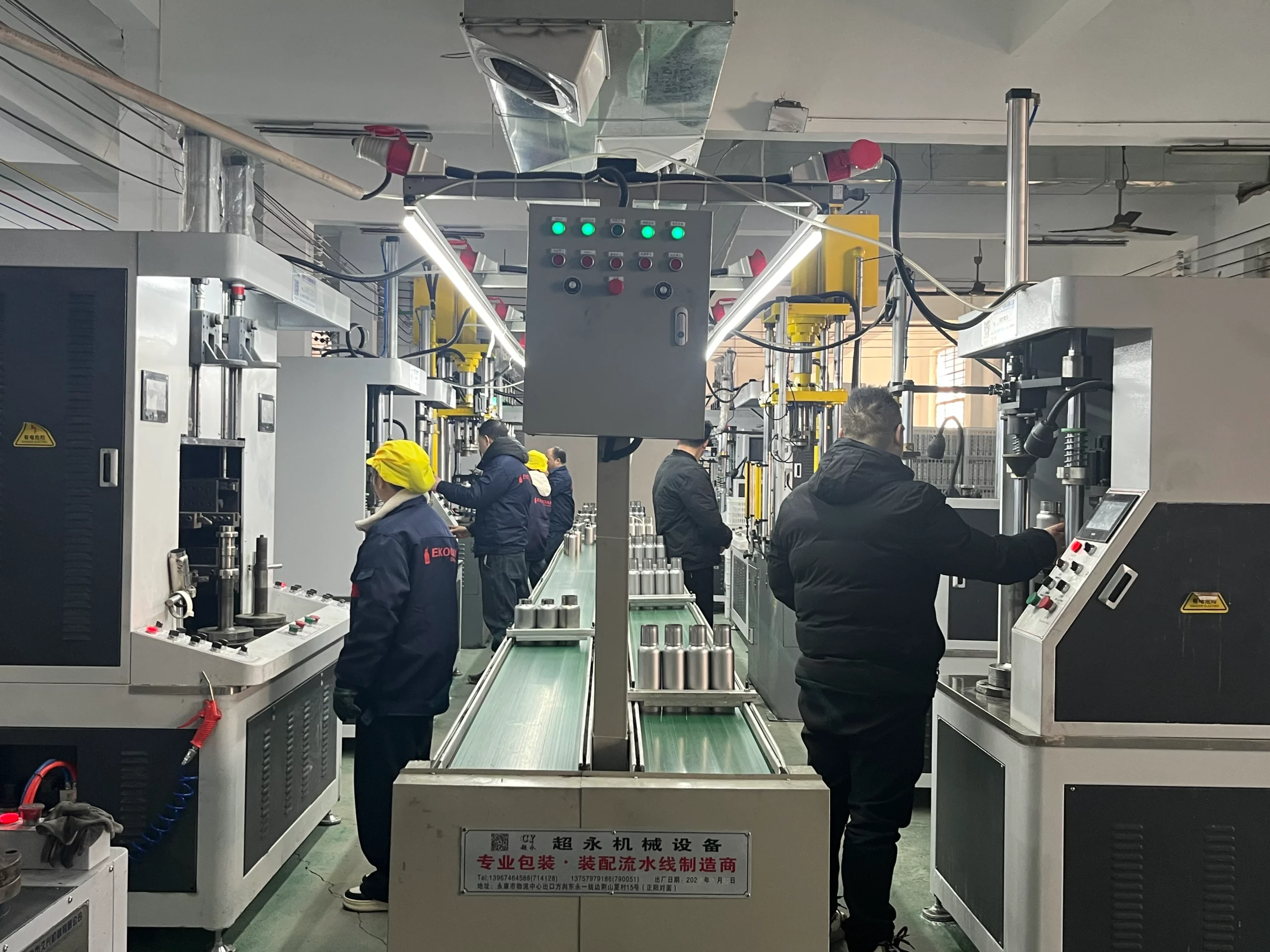
To make stainless steel tumblers, factories follow a few main steps. First, the steel is shaped into a tumbler body. Machines press and stretch the steel. This step uses energy and needs skilled workers. Factories pay for both the steel and the workers’ time. Most factories use machines to save money and keep quality high.
Next, the tumbler parts are joined together. This is called welding. Welding makes sure the tumbler does not leak. Factories must weld carefully to avoid weak spots. Skilled welders and good machines cost more. Double-wall tumblers need more work and cost more to weld. The cost for forming and welding is usually between $0.60 and $1.20 for each tumbler. The price depends on the tumbler’s size and shape.
Tip: Tumblers with simple shapes and single walls cost less to make.
Insulation and Finishing Costs
Insulation and finishing make tumblers better but also cost more. Many factories use vacuum insulation to keep drinks hot or cold. Special machines take out the air between the tumbler walls. This step costs extra, about $0.50 to $0.80 for each tumbler. Vacuum insulation makes tumblers more useful and lets you charge more.
Finishing means polishing, painting, and coating the tumbler. Powder coating is a common way to finish tumblers. It gives a smooth, colorful look and protects the steel. Powder coating adds about $0.40 to each tumbler. If you want fancy designs, it costs more to set up. Finishing also means checking for mistakes and packing the tumblers.
Here is a quick list of how insulation and finishing change the cost:
Vacuum insulation: adds $0.50–$0.80 for each tumbler
Powder coating: adds $0.40 for each tumbler
Fancy designs: cost more to set up
Every step in the factory changes how much your tumbler costs. When you pick features, think about how each one affects your budget and the tumbler’s quality.
Customization and Added Features
Logo Printing and Decoration
You can make your stainless steel tumblers special with custom logos and decorations. Adding a logo or design makes your brand look better. Factories have choices like laser engraving, screen printing, or UV prints. Each way changes how the tumbler looks and what it costs.
Here is a table that shows the usual prices for custom logos:
Product Description | Price Range |
|---|---|
Company Logo | $0.1 – $1 |
Custom Logo Laser Engraved 20 oz or 30 Oz Stainless Steel Tumbler | $0.1 – $0.5 |
Custom logos make tumblers cost more, but they also add value. If you buy a lot at once, you usually pay less for each one. Factories may give discounts for big orders. This helps you save money and still get a special product.
Special Finishes and Tooling Fees
Special finishes make tumblers look cool and last longer. You can pick powder coating for color or deep laser engraving for a strong mark. These choices make your tumbler worth more and help it sell.
Laser engraving lets you make each tumbler unique. This makes people think your brand is better.
Powder coating gives a smooth look and protects the tumbler. It costs more, but it can save money later.
Engraving on stainless steel makes a mark that stays. Tooling fees are higher for this, but you get a fancy finish.
Buying in bulk makes each tumbler cheaper. Here is a table that shows how different choices change the price:
Cost Driver | Lower-Cost Option | Higher-Cost Option | Estimated Cost Addition (Per Unit) |
|---|---|---|---|
Material & Capacity | 17oz (500ml), 304 Steel | 40oz (1200ml) or 316 Medical-Grade Steel | +$1.00 to $3.50+ |
Lid Complexity | Basic Screw Lid | Multi-function Lid (Straw, Spout, Handle) | +$0.30 to $1.20+ |
Exterior Finish | Raw Stainless Steel | Solid Color Powder Coating / Gradient Spray | +$0.40 to $1.50+ |
Branding Method | 1-Color Screen Print | Full-Wrap UV Print or Deep Laser Engraving | +$0.20 to $1.00+ |
Packaging | Bulk Pack | Custom-Printed Retail Box / Gift Tube | +$0.25 to $0.80+ |
You can save money by picking the right features and order size. Customizing tumblers makes them worth more, but you need to think about your budget and what you want for your brand.
Wholesale Price Breakdown and Bulk Discounts
Pricing Strategies for Bulk Orders
You can save money if you buy many stainless steel tumblers at once. Factories use different ways to set prices and get more buyers. When you order a lot, you pay less for each tumbler. This is called bulk or wholesale pricing. Some factories use tiered pricing. This means the price changes if you buy more or pick harder designs.
Here is a table that shows some common ways factories set prices:
Pricing Strategy | Description | Example Discounts/Prices |
|---|---|---|
Bulk and Wholesale Pricing | Attracts large-volume buyers through reduced prices for bulk orders. | 5% off for 1000+, 8% off for 3000+, 10% off for 10000+ tumblers |
Tiered Pricing | Different price points based on quantity or design complexity. | $2.5 for basic, $3 for mid-level, $4.5 for photorealistic designs |
Suppliers sometimes give special deals if you buy a lot. You can see how prices get lower for different products:
Product Description | Price (500pcs) |
|---|---|
Travel Tumbler SKU: 1081603T | $2.46 |
Custom 20oz Vacuum Insulated Mug SKU: 1081601T | $2.17 |
Wholesale Hydro Thermos Sports Flask SKU: 1081616W | $3.34 |
Tip: Try using a tumbler pricing calculator. It helps you compare prices and find the best deal when you buy in bulk.
Impact of Order Volume on Unit Cost
The number of tumblers you buy changes the price for each one. If you buy more, the price for each tumbler goes down. This means you get more for your money. Here is a table that shows how the price drops when you order more:
Customized Low MOQ Powder Coated Thermal Insulated Tumblers with 2 in 1 Lid 1081604T
Quantity | Per-Unit Price (Stainless Steel) |
|---|---|
1000 units | $2.46 |
3000 units | $2.31 |
10000+ units | $2.25 |
You can use a pricing calculator to try out different order sizes. This tool shows how buying in bulk makes each tumbler cheaper. It also helps you keep prices steady and protects you from price changes. When you plan your wholesale order, think about your budget and what you need. You can get the best price by ordering more and using smart tools.
Market-Side Costs and Final Pricing
Import Duties and Taxes
When you import stainless steel tumblers, you must pay attention to duties and taxes. These costs change based on where you sell your products. In the United States, you pay a low import duty. In the European Union, you pay much more. This difference can change your final price a lot.
Here is a table that shows the average import duty and tax rates:
Region | Import Duty Rate | Sales Tax Rate | Additional Notes |
|---|---|---|---|
European Union | ~40% | N/A | Countervailing and antidumping duties apply |
United States | 2% | 0% | No sales tax in many states |
If you ship tumblers to the US, you pay about 2% duty. Most states do not add sales tax at the import stage. In the EU, you pay around 40% because of extra duties. These high costs come from rules that protect local businesses. You need to add these costs to your price if you want to make a profit.
Note: Always check the latest rates before you order. Rules can change, and new duties may appear.
Distributor and Retail Markups
After you pay import duties, you must think about markups. Distributors and retailers add their own costs. They do this to cover shipping, storage, and sales. Each step adds to the final price you see in stores.
You can see how the price grows from factory to market:
Factory price: This is your starting cost.
Import duties and taxes: Add these to your base cost.
Distributor markup: Usually 20%–40% over your cost.
Retail markup: Often 50%–100% over distributor price.
For example, if your tumbler costs $3 at the factory, you may pay $3.06 after US duties. A distributor may sell it for $4.30. A retailer may price it at $8.60 or more.
Tip: If you understand each cost, you can set better prices and stay competitive.
Market strategies, taxes, and markups all shape the final price. You need to plan for these costs to succeed in selling stainless steel tumblers.
Optimizing Cost Factors Without Sacrificing Quality
Choosing the Right Tumbler Factory
You should pick a tumbler factory that gives good value. Make sure the factory has certifications like ISO 9001, FDA, or LFGB. These show the factory meets safety and quality rules. Check if the factory can make enough tumblers for your order. Ask about their quality checks to see if they catch mistakes. Always order samples before buying a lot. This lets you check if the tumblers are made well. Good communication is important. The factory should answer your questions quickly. Trust factories that tell you about their materials and how they work. You can ask for audit reports from other companies to check their claims. Stay away from suppliers with very low prices or slow replies.
Criteria | Description |
|---|---|
Certifications | Look for ISO 9001, FDA, LFGB for quality assurance. |
Production Capacity | Make sure the factory can meet your order volume and deadlines. |
Quality Control | Check for strong quality control systems. |
Sample Testing | Always order samples before bulk purchases. |
Communication | Choose factories with clear and quick responses. |
Transparency | Trust factories that share material and process details. |
Third-party Audits | Ask for audit reports from recognized organizations. |
Avoiding Red Flags | Avoid suppliers with very low prices or poor communication. |
MOQ and Customization Balance
You can save money and get what you want by balancing MOQ and customization. First, learn about the costs that come with MOQ. Check how many tumblers you need for your market. Talk to suppliers to get better MOQ deals. Buying more at once can lower the price for each tumbler. Offer custom options even with MOQ. This helps you get more buyers and sell more. Personal touches make your tumblers special. Bigger orders can help you get better prices.
Try offering custom choices within your MOQ.
This helps you order more and makes your tumblers unique.
Strategy | Description |
|---|---|
Understand cost factors | Analyze costs linked to MOQ for smart decisions. |
Analyze demand | Assess market demand to set the right order quantity. |
Negotiate with suppliers | Discuss terms to get favorable MOQ. |
Leverage bulk discounts | Use bulk buying to reduce overall costs. |
Explore customization | Offer customization within MOQ to attract more buyers. |
Tip: Always get samples before big orders. This helps you check the quality and avoid problems.
Balancing Quality, Customization, and Price
You need to find the best mix of quality, custom features, and price. Check if your supplier can give you both good quality and custom options. Make sure they follow safety and quality rules. Look at the total value, not just the lowest price.
Check the cost for each tumbler with the features you want.
Watch out for MOQ that makes you spend more at first.
Always test samples to make sure the quality is good.
Note: Careful planning helps you get good value and keep quality high.
You have learned that stainless steel tumbler prices depend on many things. These include the material, how they are made, special features, and market costs. If you only care about how a tumbler looks or its brand, you might miss important things. Insulation and steel grade are very important. To make good choices, use cost breakdowns and pricing calculators. These tools show you all the costs. They help you compare choices and pick better prices.
Look for double-wall insulation and strong steel.
Think about both the materials and the time to make it.
Custom designs can make a plain tumbler worth more.
If you plan well, you can save money and still get good quality.
FAQ
What factors most affect wholesale tumbler pricing?
The factory you pick changes the price a lot. The steel grade also matters. Design features can make tumblers cost more. Making stainless steel and running the factory both add to the price. How many you order and if you want custom designs also change the cost.
Why do travel tumblers cost more than basic coffee tumblers?
Travel tumblers need more work at the factory. They have double-wall insulation and special lids. They also get extra finishing. These things use more materials and labor. That is why travel tumblers cost more than basic coffee tumblers.
How much does logo customization add to unit cost?
Adding a logo costs $0.20 to $1.00 for each tumbler. The factory charges more for laser engraving or full-color prints. The price changes based on the method and how many colors you want.
Are promotional tumblers cheaper at higher volumes?
Yes, you pay less for each tumbler when you order more. Bulk orders make setup and production cheaper. You get better prices when you buy a lot at once.
How can buyers reduce costs when sourcing from a tumbler factory?
You can save money by picking a factory with good processes. Choose simple designs and order in bulk. Ask for discounts and do not add too many custom features. Always check the total factory cost before you buy.