English
  Spanish
  Portuguese
  Arabic
  German
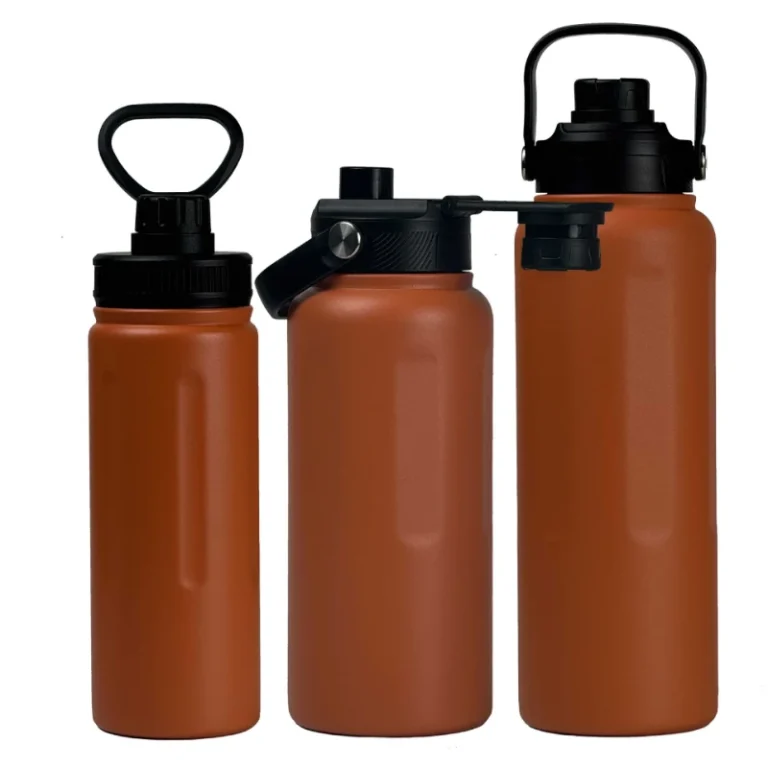
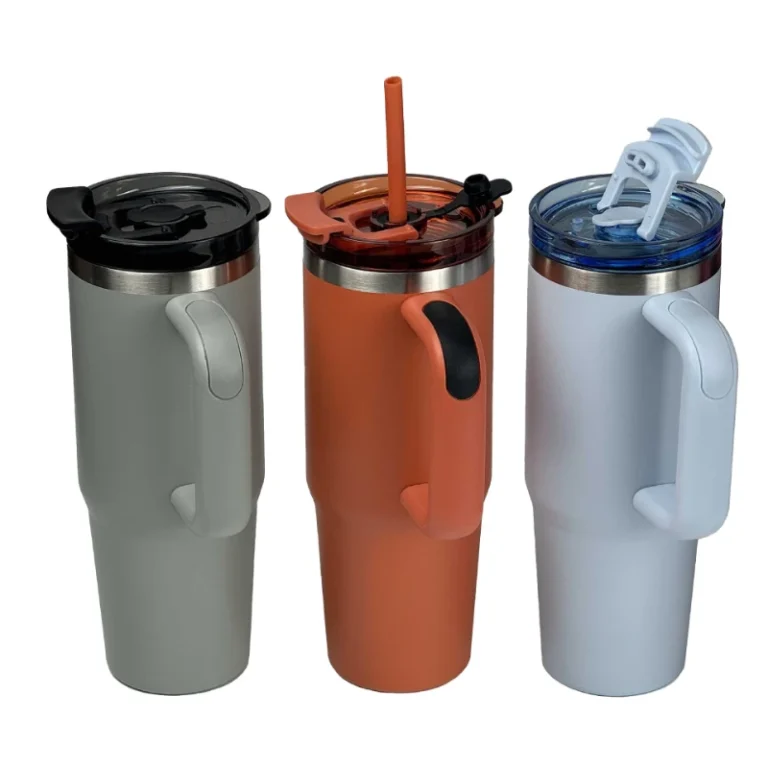
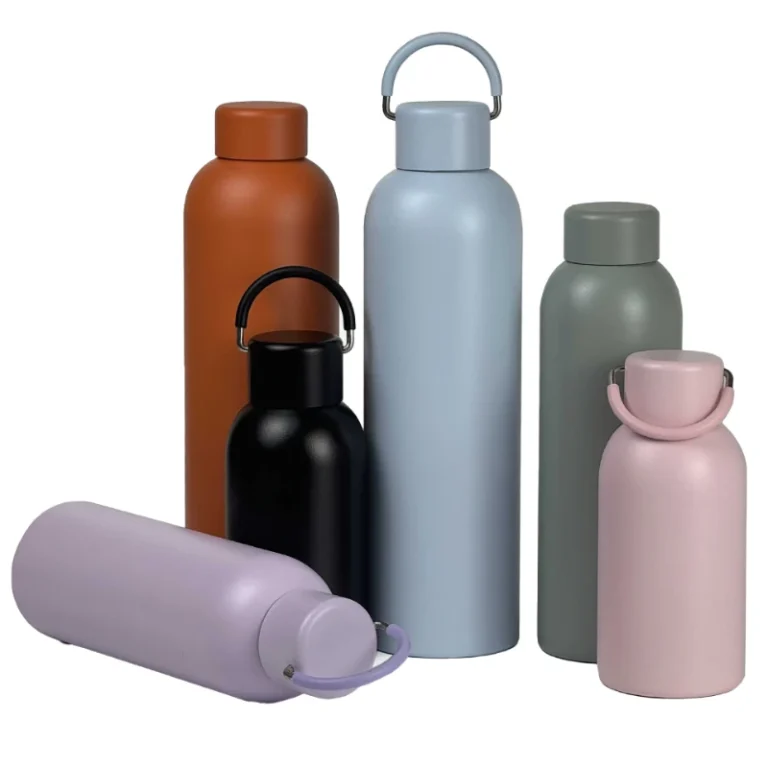
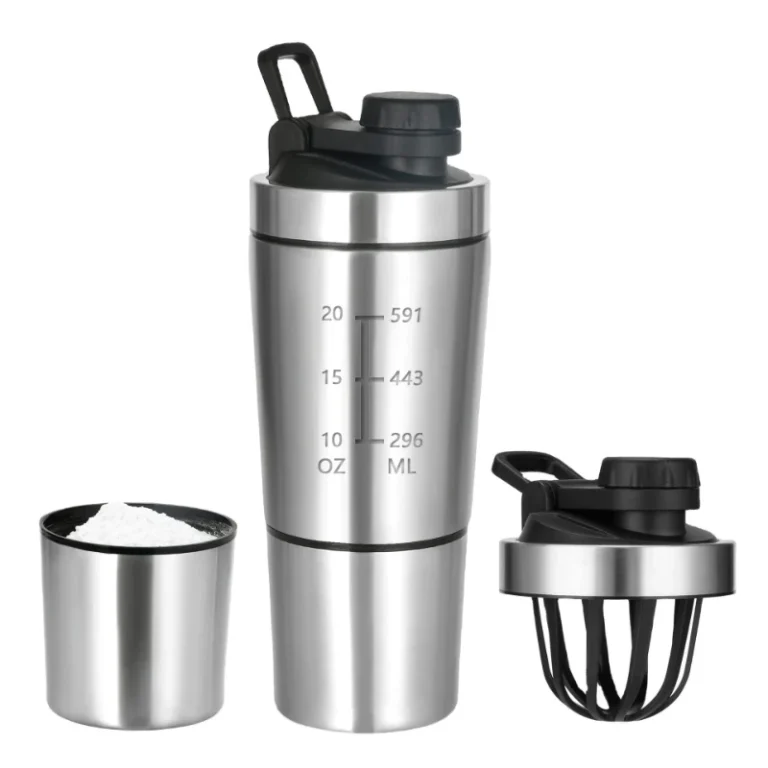
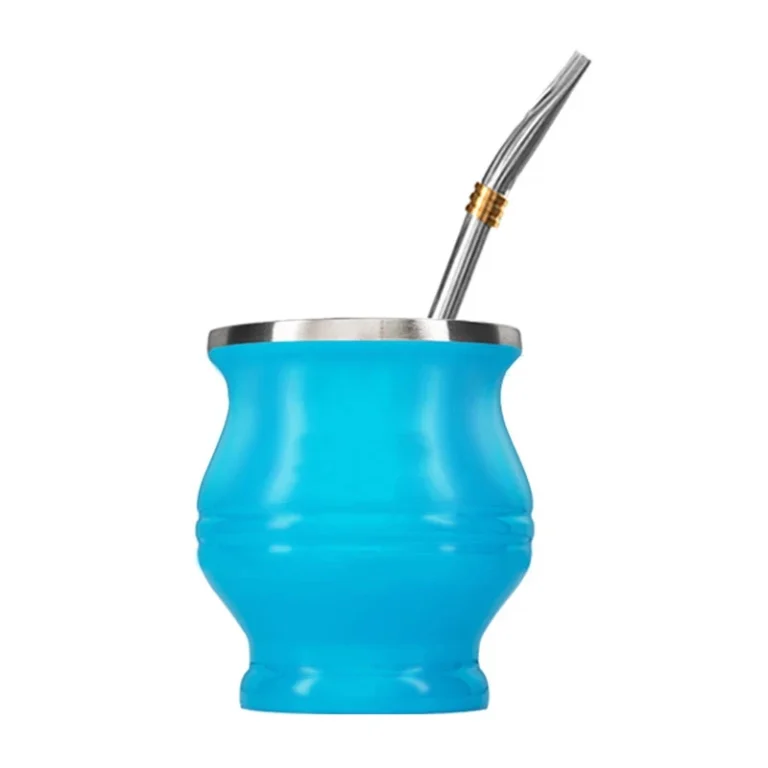
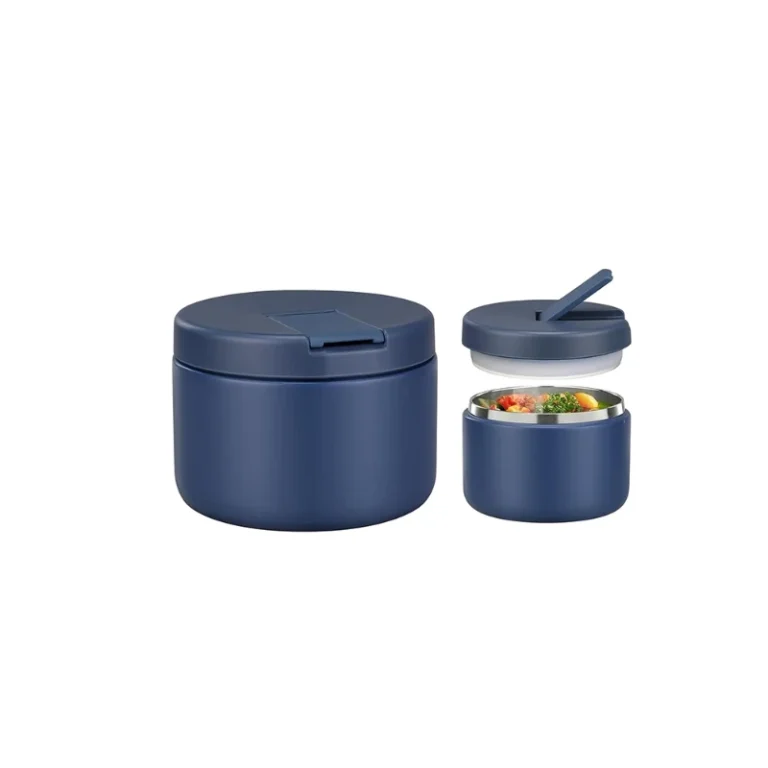
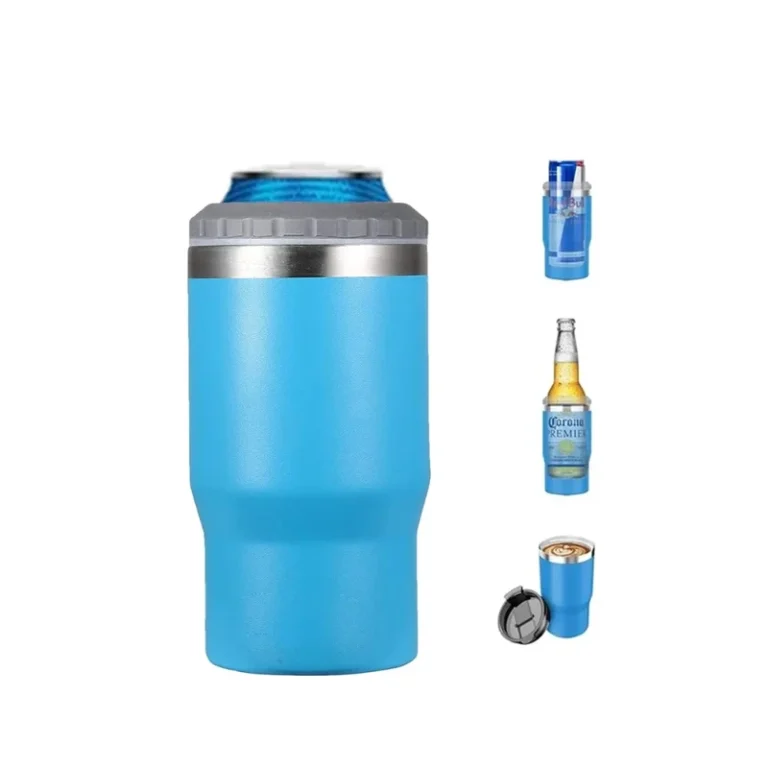
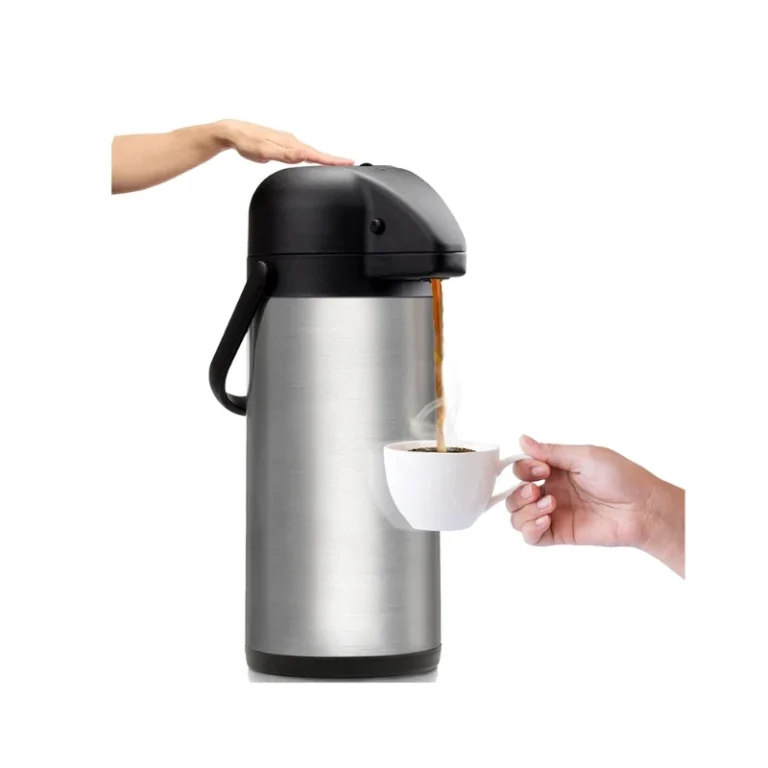
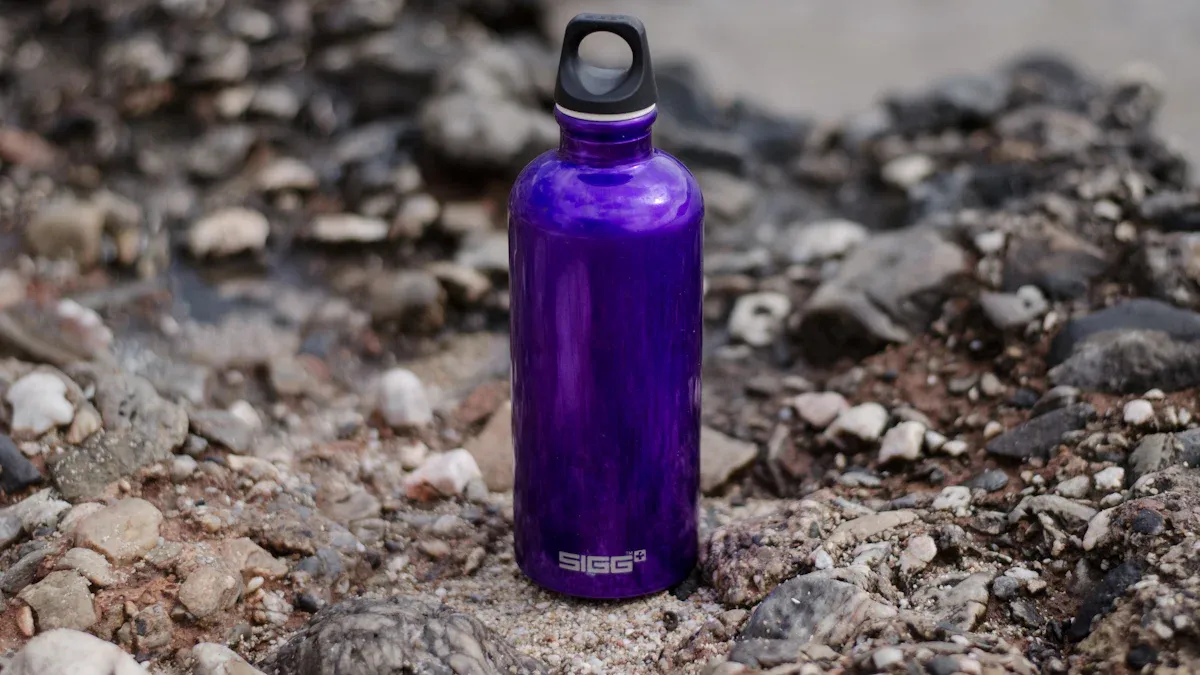
Do Ceramic Coated Water Bottles Crack? If you have ever picked up your favorite water bottle and noticed a chip or crack, you know how disappointing that feels. You want your bottle to last, but ceramic coatings can break more easily than plain stainless steel. Stainless steel bottles often survive drops, but ceramic coatings need gentle care to avoid damage. Understanding why cracks happen helps you keep your bottle in great shape.
Key Takeaways
-
Ceramic coated water bottles can crack due to thermal shock from sudden temperature changes. Avoid pouring hot liquids into cold bottles.
-
Physical impacts, like drops, can create microfractures. Use a silicone sleeve for extra protection and handle your bottle gently.
-
Clean your bottle with soft sponges and mild soap. Avoid metal utensils and harsh cleaners to prevent scratches.
-
Store your bottle in a cool, dry place. Keep the lid loose or off to prevent pressure buildup and moisture retention.
-
Regularly check your bottle for cracks or chips. Replace it every one to two years to ensure safe drinking.
Do Ceramic Coated Water Bottles Crack?
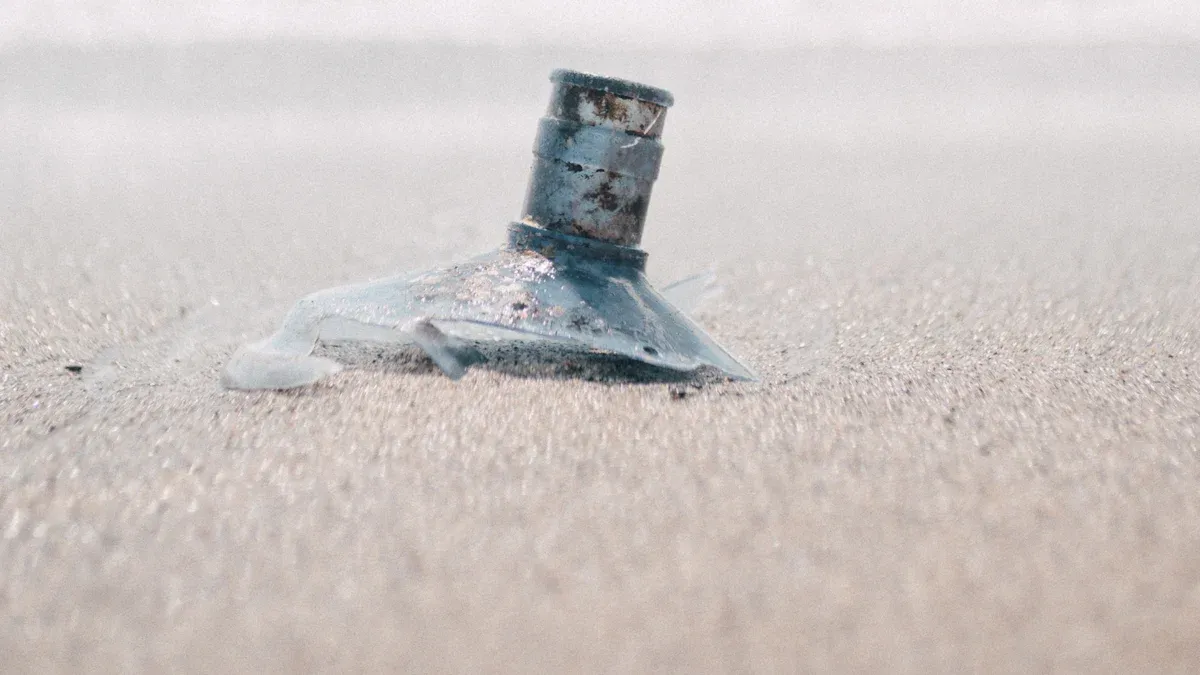
You might wonder, Do Ceramic Coated Water Bottles Crack? The answer is yes, and understanding why can help you protect your bottle. Many people choose ceramic coated bottles for their clean taste and stylish look. However, these bottles need extra care because the ceramic layer can develop cracks over time.
How Cracks Happen
Cracks in ceramic coated water bottles do not appear out of nowhere. You often see them after the bottle experiences stress or sudden changes in temperature. When you pour hot water into a cold bottle or move your bottle from a hot car to a cold room, the ceramic coating faces rapid temperature changes. These changes cause the materials to expand or contract at different rates.
The findings indicate that the temperature-dependent properties of materials significantly influence the initiation and propagation of cracks, particularly under thermal shock conditions, which is pertinent to ceramic coated water bottles.
Thermal shock is a common reason for cracks. When the ceramic layer and the metal underneath expand or shrink at different speeds, the coating can break apart. Even small cracks can grow larger if you keep exposing the bottle to temperature swings.
The study discusses how complex crack patterns form on the surface of ceramic materials under thermal shock, emphasizing the role of thermal stress and the differences in thermal expansion coefficients between the ceramic matrix and glaze layers.
You also need to watch out for other environmental factors that can damage your bottle. Here are some common causes:
-
UV rays can fade and weaken the ceramic coating, making it more likely to crack.
-
Acid rain can react with the ceramic surface, causing etching and deeper damage.
-
Temperature fluctuations can make the coating expand and contract, increasing the risk of cracks.
The research reveals that the tensile part of the strain energy primarily drives thermal shock-induced cracking in ceramics, which is crucial for understanding crack formation in ceramic coated water bottles.
Physical impacts, like dropping your bottle or bumping it against hard surfaces, can also start small cracks. Over time, these cracks can grow, especially if you keep using the bottle in tough conditions.
Signs Your Bottle Is Cracked
You may not always notice a crack right away. Sometimes, cracks start small and hide under the surface. Here are some signs to look for if you ask yourself, Do Ceramic Coated Water Bottles Crack?
-
You see thin lines or spiderweb patterns on the inside or outside of the bottle.
-
The coating feels rough or uneven when you run your finger over it.
-
You notice small chips or flakes coming off the ceramic layer.
-
Water starts to taste different, or you see stains that will not wash away.
-
The bottle leaks, even when the lid is tight.
If you spot any of these signs, you should stop using the bottle. Cracks can trap bacteria and make the bottle unsafe for drinking. Checking your bottle often helps you catch problems early. When you know what to look for, you can answer the question, Do Ceramic Coated Water Bottles Crack?, and take steps to keep your bottle in good shape.
Causes of Cracking
Physical Impact and Drops
You might think your bottle can handle a few bumps, but even a small drop can cause problems. When you drop a ceramic coated water bottle, the impact can create tiny cracks called microfractures. These cracks often start small and may not show right away. Over time, they can grow and make the coating break apart.
-
Physical impacts are a main reason ceramic coatings fail.
-
Dropping your bottle, even from a low height, can start microfractures that spread.
-
Using a silicone sleeve helps absorb shock and lowers the risk of damage.
If you ever wonder, Do Ceramic Coated Water Bottles Crack?, remember that even careful people can have accidents. Protecting your bottle from drops is one of the best ways to keep it safe.
Metal Utensils and Abrasive Cleaners
Cleaning your bottle with metal utensils or rough scrubbers can scratch the ceramic layer. These scratches weaken the surface and make it easier for cracks to form. You should always use soft sponges or cloths when you clean your bottle. Avoid harsh cleaners that can wear down the coating. If you notice stains or marks, gentle cleaning works best.
When you ask, Do Ceramic Coated Water Bottles Crack?, think about how you clean your bottle. Gentle care keeps the coating strong and smooth.
Over-Tightening and Pressure Buildup
Many people twist the lid as tight as possible, thinking it will stop leaks. This can actually hurt your bottle. Over-tightening the lid creates too much pressure inside. That pressure can cause cracks in the ceramic coating.
Safety Warning: Never expose ceramic thermoses to direct heat sources such as stovetops or microwaves unless explicitly labeled as microwave-safe. Sudden temperature changes can cause thermal shock, leading to cracks or breakage.
-
Over-tightening lids builds up pressure inside the bottle.
-
Pressure buildup can make the coating weak and lead to cracks.
If you store your bottle with the lid on tight, you also risk pressure changes from temperature swings. Loosen the lid before storing to help prevent damage.
Prevention Tips
Handle with Care
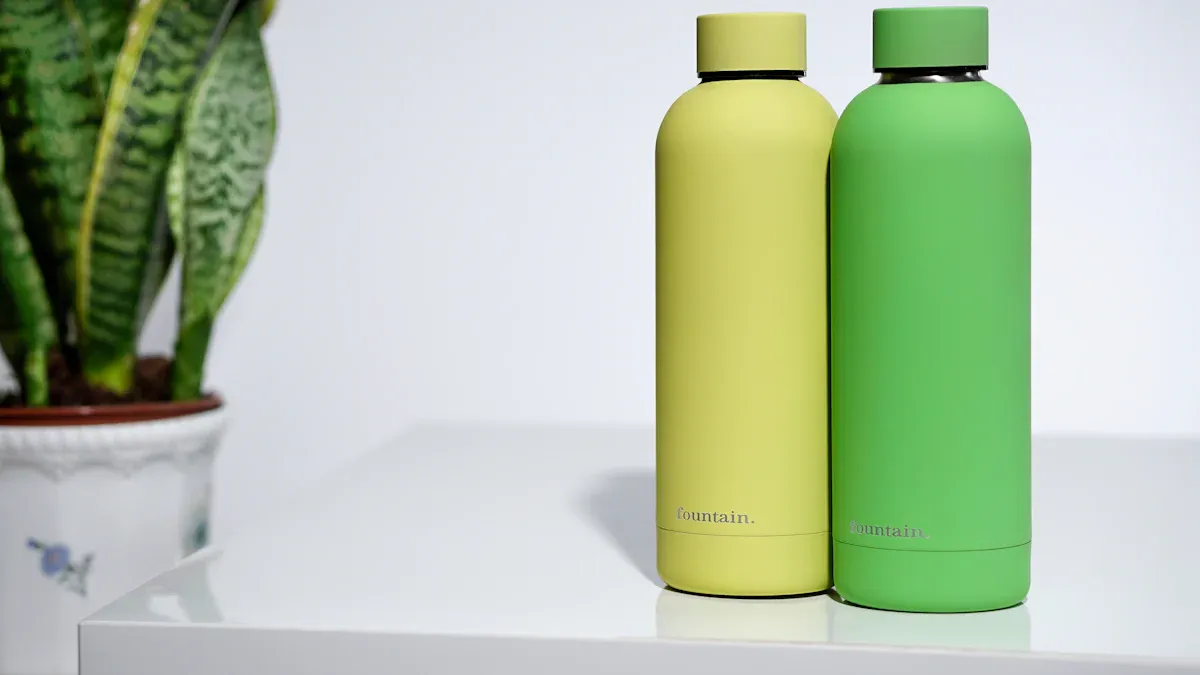
You can keep your ceramic coated water bottle in great shape by handling it gently every day. Drops and bumps often cause cracks, so always set your bottle down softly. Carry your bottle in a padded bag or use a silicone sleeve for extra protection. Avoid using your bottle for hot drinks unless the label says it is safe. Sudden heat can weaken the ceramic glaze and lead to cracks. Acidic drinks, like juice or soda, can erode the finish if left inside for too long. Pour them out and rinse your bottle soon after use.
Here are some simple ways to handle your bottle with care:
-
Hold your bottle firmly and avoid swinging it by the lid.
-
Do not toss your bottle into bags with hard objects.
-
Handwash your bottle instead of using a dishwasher unless the manufacturer says it is safe.
-
Rinse your bottle after each use to prevent bacteria from building up.
-
Store your bottle in a spot where it will not roll or fall.
-
Replace your bottle every year or two to avoid hidden micro-cracks.
“Microban® has been more than just a supplier but a partner which helps us think and innovate. The Microban® team is very supportive in going the extra mile to help us think how we can serve our customers better.”
Mr. Prakit Chareonchitmun | President
Clean Gently
Cleaning your ceramic coated water bottle the right way helps prevent scratches and cracks. Always use soft tools and gentle cleaners. Avoid metal utensils, scouring pads, or harsh chemicals. These can scratch the coating and make it easier for cracks to form. Choose pH-neutral soaps and soft sponges or microfiber towels for the best results.
Here is a quick guide to cleaning:
-
Wash your bottle by hand with mild soap and warm water.
-
Use a soft brush or sponge to clean the inside and outside.
-
Avoid washing your bottle in direct sunlight to prevent water spots.
-
Dry your bottle with a high-pile, edgeless microfiber towel.
-
Perform a deep clean every few weeks to remove any buildup.
You can see the difference between safe and unsafe cleaning methods in the table below:
|
Do |
Don’t |
|---|---|
|
Use non-abrasive cleaners like baking soda or mild dish soap |
Use steel wool, scouring pads, or harsh detergents |
Regular gentle cleaning keeps the ceramic coating smooth and strong. You also help prevent bacteria and odors from building up inside your bottle.
Store Properly
Proper storage protects your ceramic coated water bottle from cracks and other damage. Always store your bottle in a cool, dry place. Avoid leaving it in hot cars or freezing environments. Extreme temperatures can cause the ceramic layer to expand or contract, leading to cracks. When you finish using your bottle, leave the lid off. This allows moisture to escape and prevents pressure from building up inside.
Follow these tips for safe storage:
-
Store your bottle upright to avoid rolling and falling.
-
Keep the lid loose or off to prevent trapped moisture and pressure.
-
Avoid storing your bottle near heat sources or in direct sunlight.
-
Place your bottle on a padded surface or in a soft holder.
-
Check the lid seal often to make sure it stays clean and dry.
By following these simple steps, you can extend the life of your ceramic coated water bottle. Avoiding extreme temperatures, using gentle cleaning tools, and storing your bottle properly all help prevent cracks and keep your bottle safe for daily use.
Tip: Periodic deep cleaning and careful storage can make your bottle last much longer.
You can keep your ceramic coated water bottle in great shape by following a few simple steps. Regular gentle cleaning, using pH-neutral soap, and drying with a clean towel all help protect the coating.
-
Wash your bottle every 1–2 weeks
-
Avoid harsh chemicals
-
Use soft cleaning tools
-
Apply products like SLIQ for extra care
|
Durability |
Ceramic linings can last several years with proper care. |
|---|---|
|
Signs of Degradation |
Chipping or off-flavors mean it is time to replace it. |
Handle your bottle with care and store it properly. These habits help your bottle last longer and keep your drinks safe. 😊
FAQ
Can you repair a cracked ceramic coated water bottle?
You cannot repair cracks in the ceramic coating. Once you see a crack, you should stop using the bottle. Cracks can trap bacteria and make the bottle unsafe for drinking.
Is it safe to drink from a bottle with a chipped ceramic coating?
No, you should not drink from a chipped or cracked bottle. Bacteria can hide in the damaged area. You may also swallow small ceramic pieces.
How often should you replace your ceramic coated water bottle?
You should replace your bottle every one to two years. If you see chips, cracks, or taste changes, replace it sooner. Regular checks help you spot problems early.
Can you put ceramic coated bottles in the dishwasher?
-
Most ceramic coated bottles are not dishwasher safe.
-
Handwash your bottle with mild soap and a soft sponge.
-
Check the manufacturer’s instructions for cleaning tips.
What drinks are safe for ceramic coated bottles?
You can use water, tea, or coffee if the bottle is labeled safe for hot drinks. Avoid acidic drinks like juice or soda for long periods. Acid can damage the ceramic coating.