 Arabic
  English
  Spanish
  Portuguese
  German
  Russian
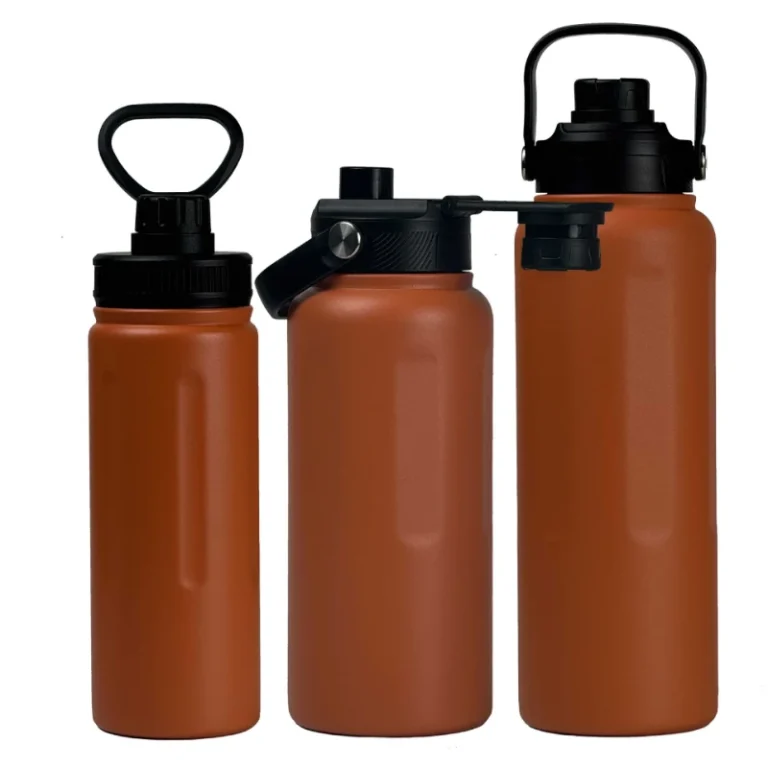
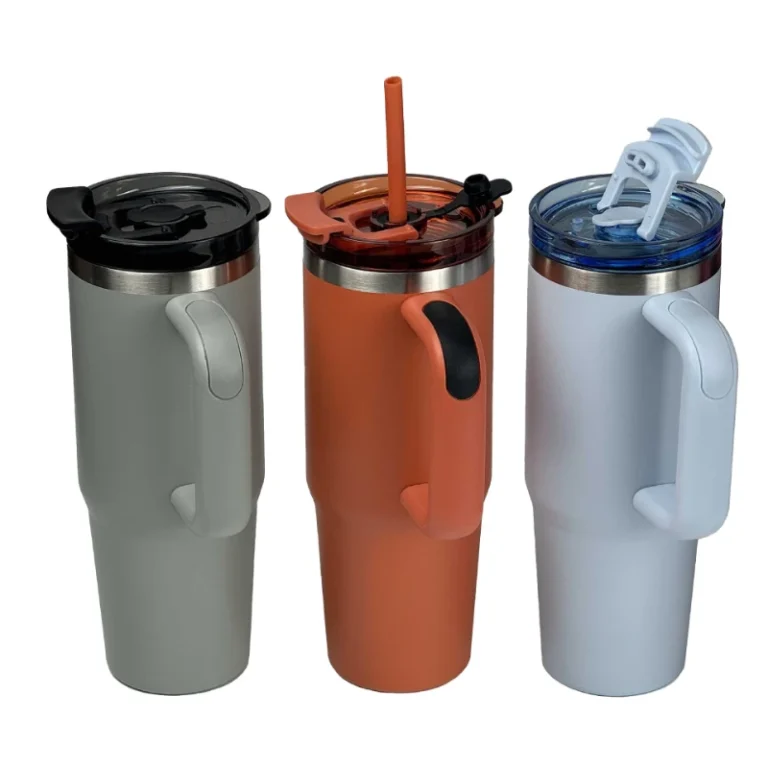
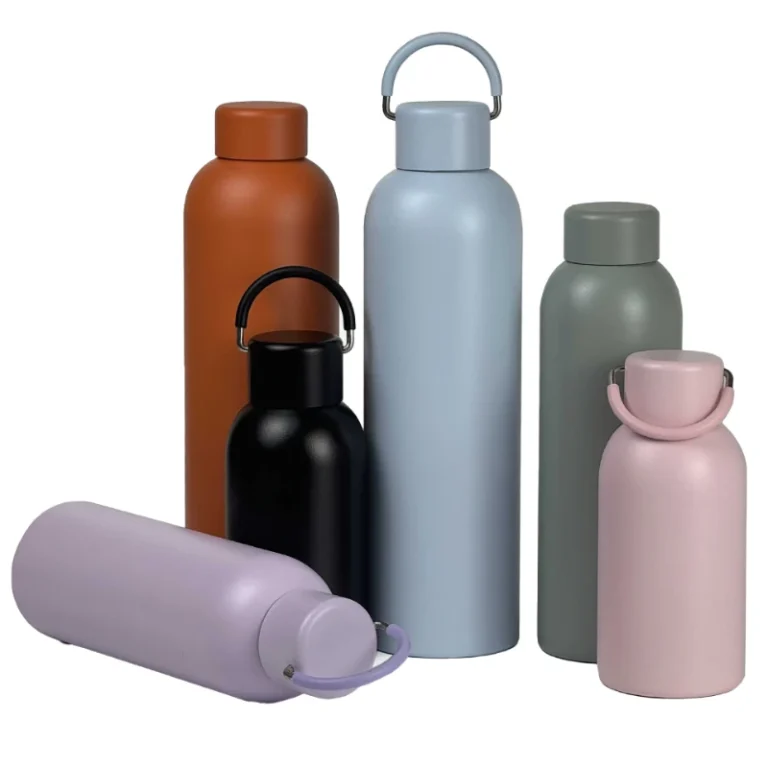
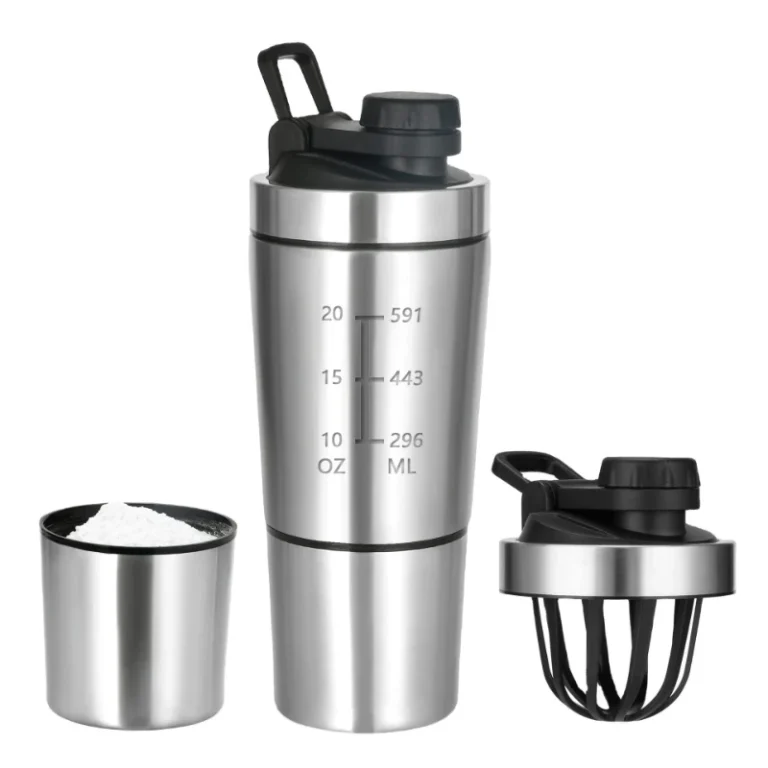
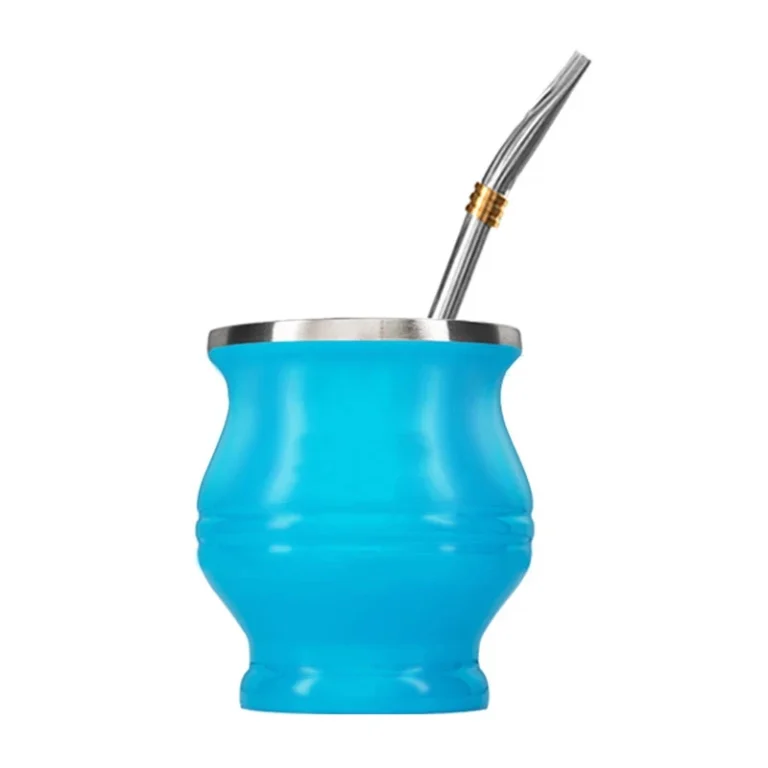
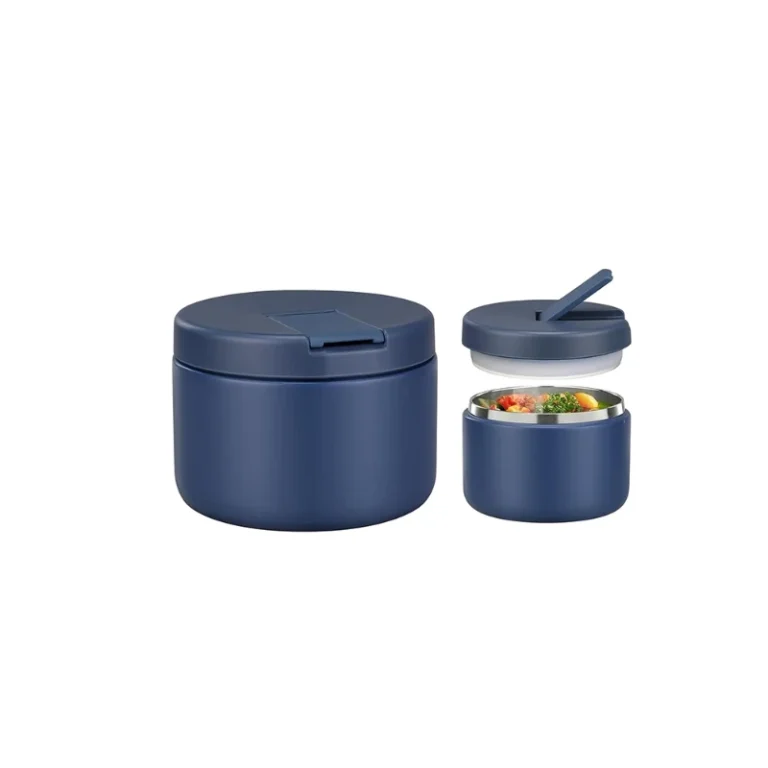
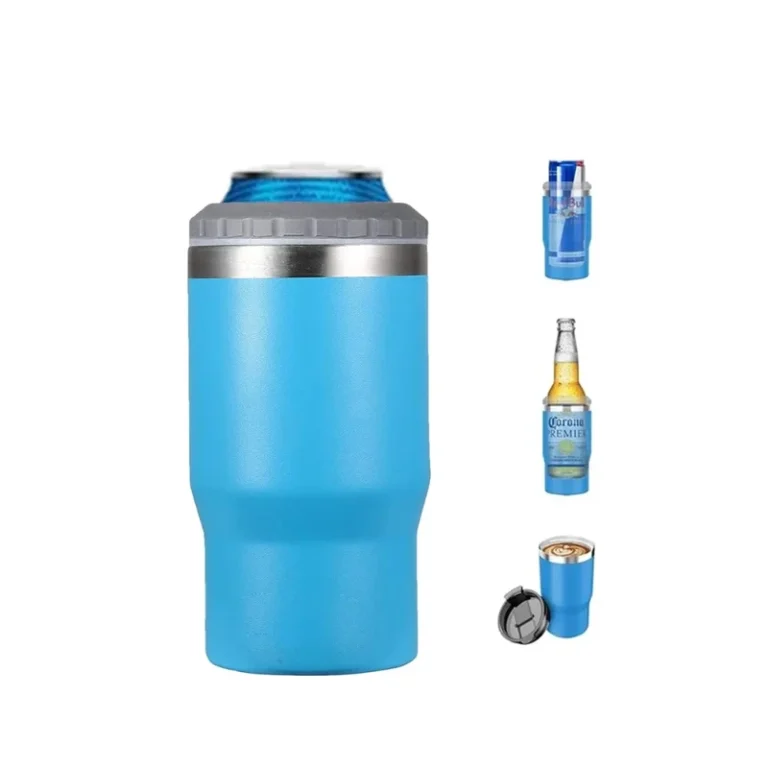
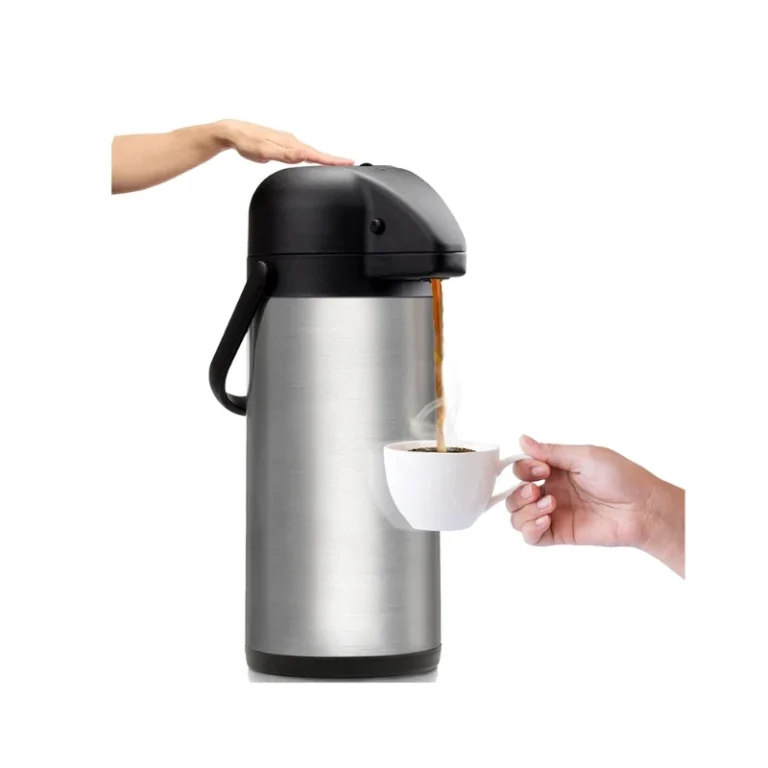
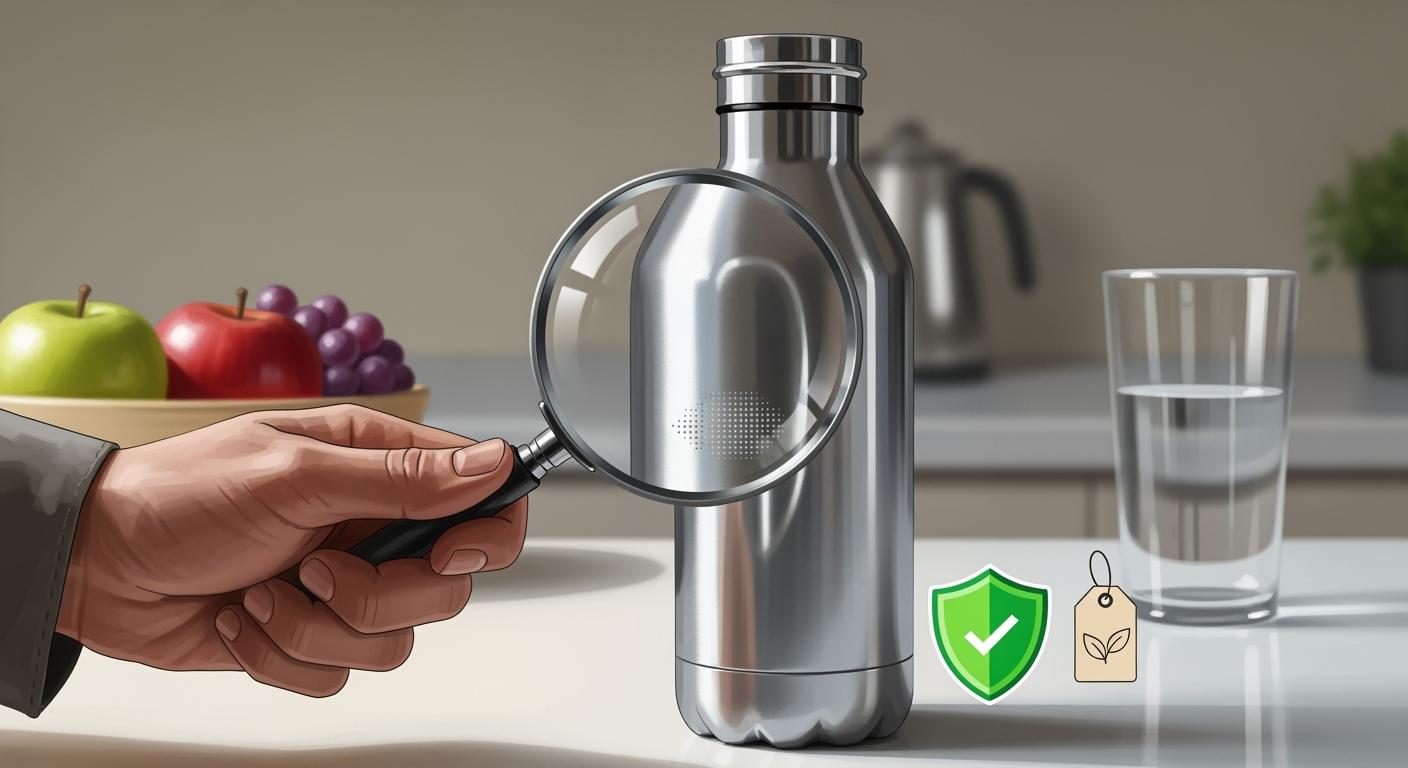
When choosing a stainless steel water bottle, always look for labels indicating “304 stainless steel,” “316 stainless steel,” or “18/8.” These stainless steel water bottle materials are safe for food, rust-resistant, and durable. Avoid purchasing bottles that lack clear labeling or are priced too low. Stainless steel bottles offer numerous advantages over plastic or glass:
-
الفولاذ المقاوم للصدأ لا تطلق مواد كيميائية ضارة مثل مادة BPA، والتي يمكن العثور عليها في بعض الزجاجات البلاستيكية.
-
على عكس الزجاج، الذي يمكن أن ينكسر بسهولة ولا يُعد خيارًا مثاليًّا للاستخدام اليومي، الفولاذ المقاوم للصدأ متين وطويل العمر.
اختر الزجاجات التي تتوافق مع دليل المواد المستخدمة في صناعة القوارير والأكواب لضمان تجربة شرب أكثر أمانًا.
الوجبات الرئيسية
-
Pick stainless steel bottles marked ‘304,’ ‘316,’ or ’18/8.’ These are safe and strong.
-
لا تستخدم الزجاجات التي لا يظهر عليها تصنيفها. فقد تحتوي على مواد غير آمنة.
-
اشترِ الزجاجات من العلامات التجارية التي تثق بها. وتأكد من حصولها على شهادات سلامة الأغذية.
-
قم بتنظيف زجاجتك المصنوعة من الفولاذ المقاوم للصدأ بشكل متكرر. فهذا يحافظ على نظافتها ويساعد على إطالة عمرها الافتراضي.
-
زجاجات من الفولاذ المقاوم للصدأ تقلل من النفايات البلاستيكية. كما أنها تحافظ على مشروباتك آمنة.
لماذا تُعد مادة الفولاذ المقاوم للصدأ المستخدمة في صناعة زجاجات المياه آمنة؟
مزايا الفولاذ المقاوم للصدأ المخصص للاستخدام الغذائي
عندما تختار زجاجات مصنوعة من الفولاذ المقاوم للصدأ المخصص للاستخدام الغذائي، فإنك تحصل على العديد من الفوائد الصحية. فهذه المادة تخضع لقواعد صارمة تتعلق بسلامة الأغذية. كما أنها تحافظ على مياهك آمنة من الجراثيم والأوساخ. ولا يحتوي الفولاذ المقاوم للصدأ، مثل الفولاذ المقاوم للصدأ 304 و316، على مادة BPA أو أي مواد كيميائية ضارة أخرى. لن تتعرض للمخاطر التي تنطوي عليها الزجاجات البلاستيكية، مثل الاضطرابات الهرمونية أو المخاطر الصحية. يتكون الفولاذ المقاوم للصدأ من مكونات آمنة وطبيعية. ولا يحتوي على مواد كيميائية قد تسبب لك المرض أو السرطان. يمكنك شرب الماء من هذه الزجاجات لفترة طويلة دون قلق.
-
زجاجات المياه المصنوعة من الفولاذ المقاوم للصدأ خالية من مادة BPA أو أي مواد كيميائية ضارة.
-
يمكنك الحفاظ على سلامتك من خلال تجنب استخدام الزجاجات البلاستيكية التي تنطوي على مخاطر.
-
الفولاذ المقاوم للصدأ هو مصنوع من مكونات طبيعية وآمنة.
-
يمكنك حفظ الماء في زجاجات من الفولاذ المقاوم للصدأ لفترة طويلة.
الفولاذ المقاوم للصدأ 316 لا يصدأ كما يمنع حدوث التفاعلات الضارة. يمكنك غسل الزجاجة عدة مرات دون أن تفقد جودتها. لا تتشقق المادة ولا تتعرض للخدش أو الانثناء بسهولة. ويجعل السطح الأملس تنظيفها والحفاظ عليها خالية من الجراثيم أمرًا سهلاً.
-
الفولاذ المقاوم للصدأ 316 لا يصدأ ويحافظ على سلامة المياه.
-
يشكل الكروم والنيكل طبقة واقية تمنع الصدأ.
-
الفولاذ المقاوم للصدأ إنه قوي ولا يسمح بحدوث الأمور السيئة أضفها إلى الماء.
السلامة مقارنةً بالبلاستيك والزجاج
زجاجات من الفولاذ المقاوم للصدأ توفر لك طريقة أكثر أمانًا للشرب مقارنةً بالبلاستيك أو الزجاج. الزجاجات البلاستيكية يمكن أن تنبعث منها مواد كيميائية، خاصةً عندما ترتفع درجة حرارتها. المواد الكيميائية مثل مادة BPA والفثالات قد يؤثر سلبًا على هرموناتك ويسبب مشاكل صحية. أما الفولاذ المقاوم للصدأ فلا يتفاعل مع المشروبات ولا يطلق أي مواد كيميائية ضارة. وبذلك تظل مياهك نظيفة وآمنة.
|
نوع الزجاجة |
ميزات السلامة |
|
|---|---|---|
|
زجاجة مياه زجاجية |
عالية |
قابل للكسر، وقد يتسبب في إصابة في حالة تحطمه |
|
الفولاذ المقاوم للصدأ |
منخفضة |
متينة، وآمنة للاستخدام في بيئات متنوعة، ولا تنكسر |
لا داعي للقلق بشأن كسر الزجاجات. فالزجاجات المصنوعة من الفولاذ المقاوم للصدأ متينة وآمنة للاستخدام في العديد من الأماكن. ولا يتعرض الفولاذ المقاوم للصدأ من النوع 316 للصدأ، لذا تظل زجاجتك متينة وآمنة. وتُعد مادة الفولاذ المقاوم للصدأ المستخدمة في صناعة زجاجات المياه الخيار الأمثل لضمان سلامة الأغذية والحفاظ على الترطيب لفترة طويلة.
نظرة عامة على درجات الفولاذ المقاوم للصدأ
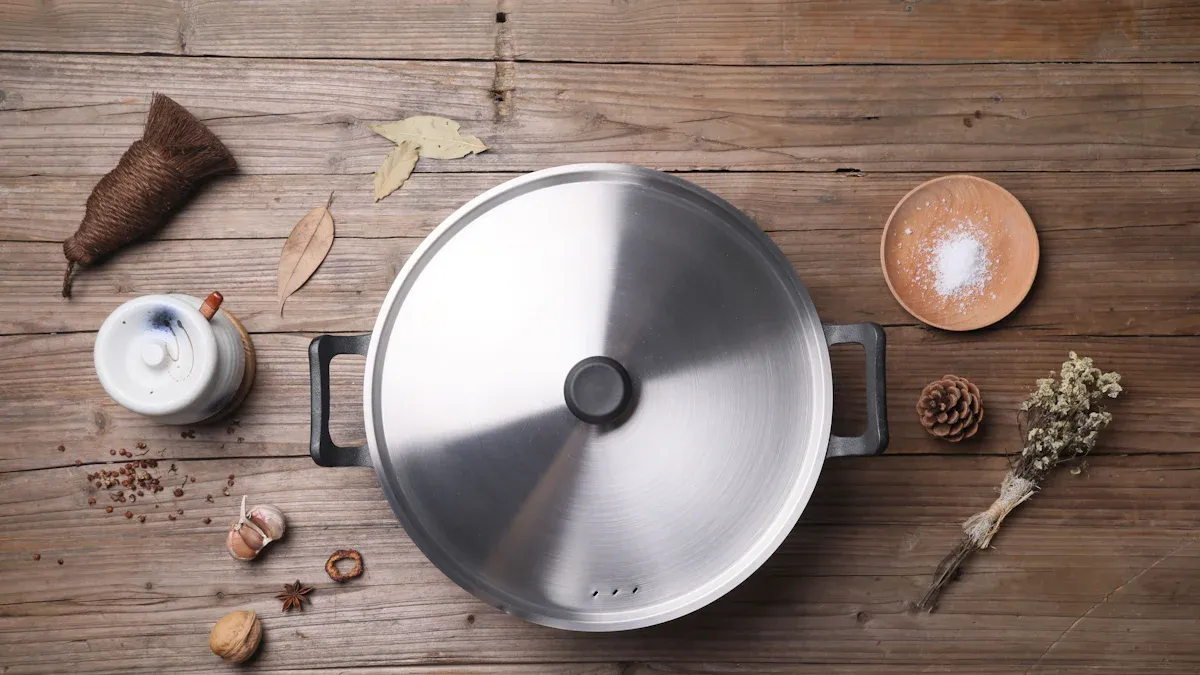
الفولاذ المقاوم للصدأ 304 (18/8)
تُصنع معظم زجاجات المياه من الفولاذ المقاوم للصدأ 304. ويُطلق عليه أيضًا اسم الفولاذ المقاوم للصدأ 18/8. ويتكون من 18% من الكروم و8% من النيكل. وتساعد هذه المكونات على منع الصدأ والبقع. ولا تتفاعل هذه المادة مع الماء أو المشروبات. لذا، سيظل طعم الماء نقيًّا دائمًا.
إليك نظرة سريعة على ما يحتويه هذا الكتاب:
|
نوع الفولاذ المقاوم للصدأ |
محتوى الكروم |
محتوى النيكل |
محتوى الموليبدينوم |
|---|---|---|---|
|
304 |
18% |
8% |
غير متاح |
الفولاذ المقاوم للصدأ 304 قوي جدًّا. يمكنك إسقاط الزجاجة دون أن تنكسر. يمكنك استخدامه للمشروبات الساخنة أو الباردة. إنه يعمل بشكل جيد يوميًا ويستمر لسنوات. أظهرت الاختبارات أن 304 زجاجة لا تتسرب منها السوائل ولا تفقد شكلها. تدوم لفترة أطول من الزجاجات الزجاجية أو البلاستيكية. إن استخدام واحدة منها يساعد كوكب الأرض لأنك لن تضطر إلى شراء زجاجات جديدة بشكل متكرر.
الفولاذ المقاوم للصدأ 316 والفولاذ المقاوم للصدأ 316L
تُصنع بعض الزجاجات من الفولاذ المقاوم للصدأ من النوع 316 أو 316L. وتوفر هذه الأنواع حماية أفضل. ويحتوي الفولاذ المقاوم للصدأ من النوع 316 على نسبة أعلى من النيكل والموليبدينوم. ويساعد الموليبدينوم على منع الصدأ، حتى في الأماكن المالحة.
|
نوع الفولاذ المقاوم للصدأ |
محتوى الكروم |
محتوى النيكل |
محتوى الموليبدينوم |
|---|---|---|---|
|
316 |
16% |
10% |
2% |
يحتوي الفولاذ المقاوم للصدأ 316L على نسبة كربون أقل من الفولاذ 316. وهذا يساعد على منع الصدأ في مناطق اللحام بالزجاجة. ويمكن لكل من الفولاذ 316 و316L تحمل درجات الحرارة العالية. كما أنهما يمنعان نمو البكتيريا. وتجد هذه الأنواع في الزجاجات الطبية وزجاجات الرضاعة وزجاجات الرياضة.
نصيحة: اختر الفولاذ المقاوم للصدأ من النوع 316 أو 316L إذا كنت بحاجة إلى أفضل حماية في الظروف القاسية.
مقارنة بين الفولاذ المقاوم للصدأ 304 و316
قد تتساءل أيهما الأنسب لك. فيما يلي جدول بسيط لمساعدتك في الاختيار:
|
الميزة |
الفولاذ المقاوم للصدأ 304 |
الفولاذ المقاوم للصدأ 316 |
|---|---|---|
|
المتانة |
مناسب للاستخدام اليومي، وفعال من حيث التكلفة |
متانة فائقة على المدى الطويل، تتحمل ضغوطًا ودرجات حرارة أعلى |
|
مقاومة التآكل |
مقاومة معتدلة |
مقاومة معززة بفضل الموليبدينوم، مما يجعلها مثالية للاستخدام في الأماكن المفتوحة والبيئات المالحة |
|
أداء العزل |
فعال في الحفاظ على درجة الحرارة |
أداء أفضل قليلاً في الظروف القاسية، ويحافظ على استقرار درجة الحرارة لفترة أطول |
الفولاذ المقاوم للصدأ 316 أغلى ثمناً لأنه يتميز بمزايا إضافية. تدفع سعرًا أعلى، لكنك تحصل على مزيد من الأمان والمتانة. يختار الكثيرون الفولاذ المقاوم للصدأ 304 للاستخدام اليومي. أما إذا كنت تريد الأفضل للسفر أو الرياضة أو الاستخدام الطبي، فاختر الفولاذ المقاوم للصدأ 316 أو 316L.
كيفية تحديد مادة زجاجة المياه المصنوعة من الفولاذ المقاوم للصدأ
العثور على علامات الدرجات
You can find out if a stainless steel water bottle is safe by looking for grade markings. Check the bottle, box, or product details for numbers like “18/8,” “18/10,” or “304.” These numbers tell you how much chromium and nickel are in the steel. Chromium and nickel help stop rust and keep your water tasting good. Good bottles show these numbers clearly. If you see “18/8” or “304,” the bottle is strong and safe.
نصيحة: إذا لم ترَ أي علامة تصنيف، فقد لا تكون الزجاجة آمنة. احرص دائمًا على التحقق قبل الشراء.
فيما يلي جدول يساعدك على فهم معنى هذه العلامات:
|
وضع العلامات |
الاسم (الأسماء) الشائع(ة) |
الخصائص الرئيسية |
الأهمية |
|---|---|---|---|
|
304 |
18/8, 18/10 |
مناسب للاستخدام الغذائي، يتمتع بمقاومة جيدة للصدأ، متين |
معيار صناعي، آمن للعملاء |
|
201 |
غير متاح |
محتوى أقل من النيكل، ومقاومة أقل للصدأ |
أرخص، وقد لا تدوم طويلاً |
Markings like “18/8” and “304” show the stainless steel water bottle material is food-grade. These bottles will not put bad stuff in your drink.
قراءة الملصقات والشهادات
يجب عليك دائمًا التحقق من الملصقات والبحث عن الشهادات عند اختيار زجاجة. تُثبت الشهادات أن الزجاجة آمنة للاستخدام مع الأطعمة والمشروبات. ابحث عن هذه الشهادات المهمة:
-
لوائح إدارة الغذاء والدواء (FDA): تتحقق إدارة الغذاء والدواء (FDA) من سلامة المواد المستخدمة في الأغذية والمشروبات.
-
معايير ISO: تضع منظمة ISO قواعد لضمان سلامة وجودة الزجاجات.
-
شهادة خلو المنتج من مادة BPA: وهذا يعني أن الزجاجة خالية من مادة BPA.
-
شهادة LFGB: يهدف هذا الاختبار الألماني إلى التحقق من السلامة الكيميائية.
-
الاختبار من قبل جهات خارجية: تقوم المختبرات بفحص الزجاجات للتأكد من خلوها من المواد الكيميائية الضارة.
-
ضمان الجودة والتوثيق: ابحث عن وثائق وشهادات السلامة.
ملاحظة: الزجاجات الحاصلة على شهادات FDA أو ISO أو LFGB قد اجتازت اختبارات صارمة. يمكنك الوثوق بهذه الزجاجات في استخدامك اليومي.
تساعدك الشهادات على التأكد من أن الزجاجة آمنة وتستوفي قواعد سلامة الأغذية. كما أنها تثبت أن الزجاجة لن تطلق أي مواد كيميائية في الماء.
التحقق من مادة البطانة الداخلية
البطانة الداخلية هي الجزء الذي يتلامس مع الماء. وهي الأهم من حيث السلامة. تستخدم معظم الزجاجات الفولاذ المقاوم للصدأ في الجزء الداخلي. فالفولاذ المقاوم للصدأ متين، ولا يصدأ، ويسهل تنظيفه. وتستخدم بعض الزجاجات طلاءً خزفيًّا. فالسيراميك يمنع طعم المعدن ويحجب المواد الكيميائية الصادرة عن البطانات البلاستيكية.
يمكنك اختبار البطانة الداخلية في المنزل:
-
احصل على مغناطيس صغير للثلاجة.
-
جربه على قاع الزجاجة وجوانبها وغطائها.
-
تحقق مما إذا كان المغناطيس يلتصق أم لا. فالفولاذ المقاوم للصدأ يتمتع بقوة جذب ضعيفة.
-
اشعر بوزنها. الزجاجات الجيدة تكون ثقيلة ومتوازنة.
نصيحة: تأكد دائمًا من أن البطانة الداخلية مصنوعة من الفولاذ المقاوم للصدأ أو من السيراميك عالي الجودة. لا تستخدم الزجاجات ذات البطانات البلاستيكية.
زجاجة مياه من الفولاذ المقاوم للصدأ المادة المصنوعة من الفولاذ المقاوم للصدأ مع بطانة داخلية من الفولاذ المقاوم للصدأ تحافظ على مياهك آمنة ونقية. كما أنها تزيد من عمر الزجاجة وتمنع الصدأ.
ما يجب تجنبه في زجاجات الفولاذ المقاوم للصدأ
فولاذ غير مُعلَّم أو عام
لا تختر أبدًا الزجاجات المصنوعة من الفولاذ غير المُعلَّم أو العادي. فهذه الزجاجات لا تحمل أي تصنيف أو شهادة. وقد يستخدم المصنعون مواد غير آمنة. إذا لم ترَ علامات واضحة، فلا يمكنك الوثوق بالزجاجة. فقد تصاب بالمرض بسبب المواد الكيميائية أو مشاكل أخرى. وقد تنكسر الزجاجة أو تحتوي على مواد ضارة بداخلها. راجع الجدول أدناه لمعرفة المشاكل التي قد تحدث:
|
نوع المخاطر |
الوصف |
|---|---|
|
الترشيح الكيميائي |
قد تتسرب مواد كيميائية ضارة إلى مياهك من الفولاذ. |
|
مشكلات السلامة الهيكلية |
قد لا تكون الزجاجة متينة، وقد تنكسر أو تتسرب منها السوائل. |
|
وجود مواد ضارة |
قد تحتوي أجزاء الزجاجة على مواد غير آمنة. |
Tip: Always check for grade markings like “304” or “18/8” before you buy a bottle.
مخاطر الفولاذ المقاوم للصدأ 201
يجب أن تكون على علم بمخاطر الفولاذ المقاوم للصدأ 201. يحتوي هذا النوع على نسبة أقل من النيكل ونسبة أعلى من المنغنيز. وهو يتعرض للصدأ بشكل أسرع ولا يضمن سلامة المياه. إذا وضعت مشروبات حامضة في أوعية مصنوعة من الفولاذ المقاوم للصدأ 201، فقد تتسرب المعادن إلى مشروبك. كما أن النيكل قد يسبب الحساسية لدى بعض الأشخاص. يمكن أن يكون الكروم ضارًا بصحتك وقد يسبب السرطان. تشير دراسات حديثة إلى أن الفولاذ المقاوم للصدأ 201 غير مناسب للاستخدام الغذائي. اختر الزجاجات المصنوعة من الفولاذ المقاوم للصدأ 304 من أجل مزيد من السلامة.
|
المخاطر الصحية |
الوصف |
|---|---|
|
مقاومة التآكل |
الفولاذ المقاوم للصدأ من النوع 201 يتعرض للصدأ بسهولة ولا يدوم طويلاً. |
|
ترشيح المعادن |
قد تؤدي المشروبات الحامضة إلى تسرب النيكل والكروم إلى مشروبك. |
|
الآثار الصحية |
يمكن أن يتسبب النيكل في مشاكل جلدية؛ ويمكن أن يؤدي الكروم إلى الإصابة بالسرطان. |
-
يُعد الاحتفاظ بالمشروبات الحامضة في أوعية مصنوعة من الفولاذ المقاوم للصدأ 201 لفترة طويلة أمرًا محفوفًا بالمخاطر.
-
النيكل والكروم هما المعدنان الرئيسيان اللذان يتسربان إلى المشروبات.
-
غالبًا ما يتسبب النيكل في ظهور طفح جلدي أو حساسية.
-
يمكن أن يتسبب الكروم في الإصابة بالأمراض، كما أنه مرتبط بسرطان الرئة.
المؤشرات التحذيرية: السعر والجودة
يمكنك التعرف على الزجاجات غير الآمنة من خلال النظر إلى السعر والجودة. زجاجات آمنة تكلفة عادةً من $10 إلى $15 بالنسبة للزجاجات البسيطة. تتراوح أسعار الزجاجات المعزولة بين $20 و$40. أما الزجاجات الفاخرة فقد يتجاوز سعرها $50. إذا رأيت زجاجة رخيصة جدًّا، فمن المحتمل أن تكون مصنوعة من فولاذ رديء مثل 201. أما الزجاجات الجيدة فتُصنع من الفولاذ المقاوم للصدأ 304، وهو أقوى ولا يصدأ. أما الزجاجات الرخيصة فتصدأ بسرعة وتنكسر بسهولة. يفضل الناس دفع المزيد مقابل زجاجات تدوم طويلاً وتكون آمنة. يتم إرجاع الزجاجات المصنوعة من الفولاذ المقاوم للصدأ بمعدل أقل من الزجاجات البلاستيكية، لذا فهي تحظى بثقة أكبر.
ملاحظة: إذا كانت الزجاجة رخيصة جدًّا، فاحرص دائمًا على التحقق من المادة المصنوعة منها والبحث عن الشهادات قبل الشراء.
نصائح لشراء زجاجات آمنة مصنوعة من الفولاذ المقاوم للصدأ
العلامات التجارية ومتاجر التجزئة الموثوق بها
Pick stainless steel water bottles from brands people trust. Good brands show grade markings like “304” or “316” on their bottles. They tell you what materials they use and show certifications. You can find safe bottles at outdoor stores, special shops, and big online stores. These places sell bottles that follow food safety rules. If you buy from a trusted store, you are less likely to get a bottle with unsafe materials.
نصيحة: اختر العلامات التجارية التي تقدم ضمانات أو تتعهد بأنك ستكون راضياً. فهذا يعني أنها تثق في منتجاتها.
أسئلة يجب طرحها قبل الشراء
قبل شراء زجاجة مياه من الفولاذ المقاوم للصدأ، اطرح بعض الأسئلة على البائع للتأكد من أنها آمنة:
-
اطلب تقارير الاختبار التي تثبت أن الزجاجة بأكملها آمنة للاستخدام الغذائي، وليس الفولاذ فقط.
-
تأكد من أن الاختبارات تشمل الأغطية، والأختام، وجميع الأجزاء غير المعدنية.
-
تأكد من أن التقارير تتعلق بنفس الطراز الذي ترغب في شرائه.
-
اسأل عما إذا كانت الزجاجة تخضع للاختبار أكثر من مرة، وليس مرة واحدة فقط.
تساعدك هذه الأسئلة على الحفاظ على سلامتك وتجنب الزجاجات التالفة. البائعون الذين يجيبون على أسئلتك ويُظهرون المستندات يهتمون بصحتك.
|
سؤال |
لماذا هذا مهم؟ |
|---|---|
|
تقارير اختبارات التلامس مع الأغذية |
يُظهر أن الزجاجة بأكملها آمنة |
|
يشمل نطاق الاختبار جميع الأجزاء |
يضمن سلامة الأغطية والأختام |
|
التقارير تتطابق مع طرازك |
يؤكد سلامة الزجاجة التي لديك بالضبط |
|
إعادة الاختبار |
يثبت استمرار الجودة والسلامة |
العناية والصيانة
يمكنك الحفاظ على زجاجة المياه المصنوعة من الفولاذ المقاوم للصدأ في حالة جيدة وإطالة عمرها الافتراضي باتباع هذه الخطوات البسيطة:
-
اغسل الزجاجة يوميًا بالماء الدافئ والصابون وفرشاة الزجاجات.
-
قم بتنظيف خيوط الغطاء وموانع التسرب حتى لا يتراكم الماء والأوساخ.
-
للتنظيف العميق، اخلط الماء والخل الأبيض أو عصير الليمون. اتركه لعدة ساعات، ثم اشطفه جيدًا.
-
أخرج الأختام أو الحشيات واغسلها على حدة لمنع تراكم العفن والأوساخ.
-
افحص الزجاجة بانتظام للتأكد من عدم وجود تشققات أو أختام مكسورة. استبدل أي أجزاء تالفة على الفور.
-
احفظ الزجاجة في مكان بارد وجاف. لا تتركها تحت أشعة الشمس أو في أماكن شديدة الحرارة.
-
استخدم صابون أطباق لطيف أو مزيجًا من الماء الدافئ وصودا الخبز لتنظيفه. أما بالنسبة للبقع أو الروائح العنيدة، فاستخدم الماء والخل الأبيض أو عصير الليمون.
ملاحظة: العناية بزجاجتك تحافظ عليها وتضمن مذاقًا جيدًا للمياه.
يمكنك العثور على زجاجات مياه آمنة مصنوعة من الفولاذ المقاوم للصدأ من خلال التحقق من علامات الدرجة. ابحث عن أرقام مثل 304 أو 316 أو 18/8. كما يجب التحقق من وجود شهادات الاعتماد على الزجاجة. اختر الزجاجات التي تحمل ملصقات واضحة من العلامات التجارية الموثوقة. تُعد زجاجات الفولاذ المقاوم للصدأ خيارًا أفضل لأنها تحافظ على سلامة مشروباتك. فهي لا تدع المواد الكيميائية الضارة اشرب الماء من هذه الزجاجة. الفولاذ المقاوم للصدأ يمنع تكاثر البكتيريا ويدوم لفترة أطول من البلاستيك أو الزجاج. استخدام هذه الزجاجات يساعد كوكبنا من خلال تقليل كمية النفايات. اتخذ خيارات صحيحة من أجل صحتك واستمتع بزجاجة متينة وآمنة.
-
الزجاجات المصنوعة من الفولاذ المقاوم للصدأ تمنع تسرب المواد الكيميائية إلى مشروبك.
-
فهي لا تنكسر أو تتشقق بسهولة.
-
أنت تساهم في الحد من التلوث والنفايات البلاستيكية.
الأسئلة الشائعة
What does “18/8 stainless steel” mean?
You see “18/8” on bottles. This means the steel has 18% chromium and 8% nickel. These metals help stop rust and keep your water safe.
كيف يمكنك التأكد من أن الزجاجة التي تستخدمها مناسبة للاستخدام الغذائي؟
Look for markings like “304,” “316,” or “18/8” on the bottle or packaging. You can also check for certifications such as FDA or ISO. Trusted brands always show these details.
هل الفولاذ المقاوم للصدأ آمن لاستخدام المشروبات الساخنة؟
نعم، يمكنك استخدام زجاجات الفولاذ المقاوم للصدأ للمشروبات الساخنة. فهذه المادة لا تطلق أي مواد كيميائية، كما أنها تحافظ على سخونة مشروبك وتضمن سلامته.
لماذا يجب تجنب الزجاجات التي لا تحمل علامات الدرجات؟
Bottles without grade markings may use unsafe materials. You cannot trust their quality. Always choose bottles with clear markings like “304” or “316.”
هل يمكن أن تغير زجاجات الفولاذ المقاوم للصدأ طعم الماء؟
الزجاجات المصنوعة من الفولاذ المقاوم للصدأ لا تغير مذاق الماء. ستحصل على مشروب نقي ومنعش في كل مرة. إذا لاحظت وجود مذاق غريب، فقم بتنظيف الزجاجة جيدًا.