 Arabic
 English
 Spanish
 Portuguese
 German
 Russian

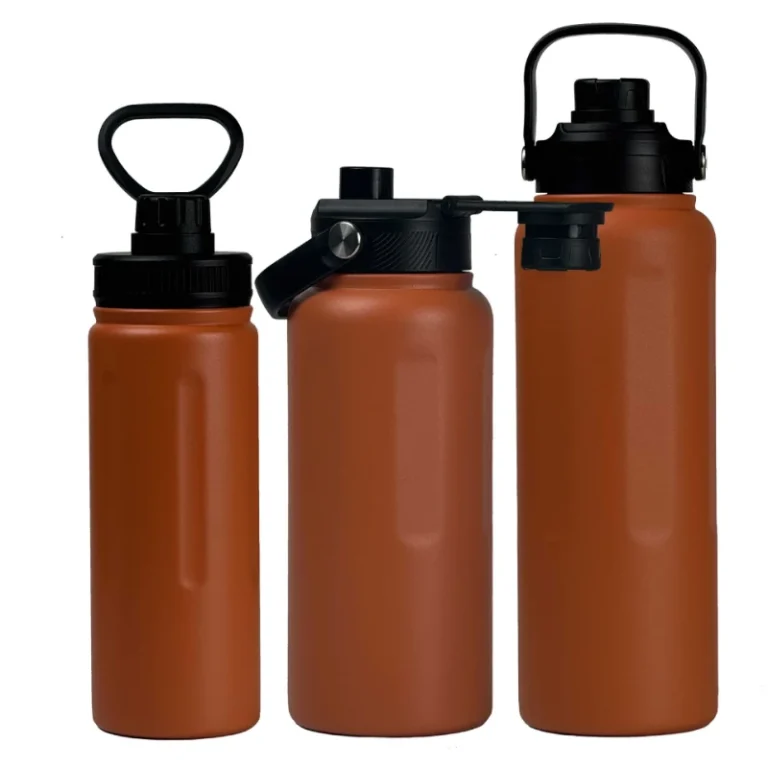
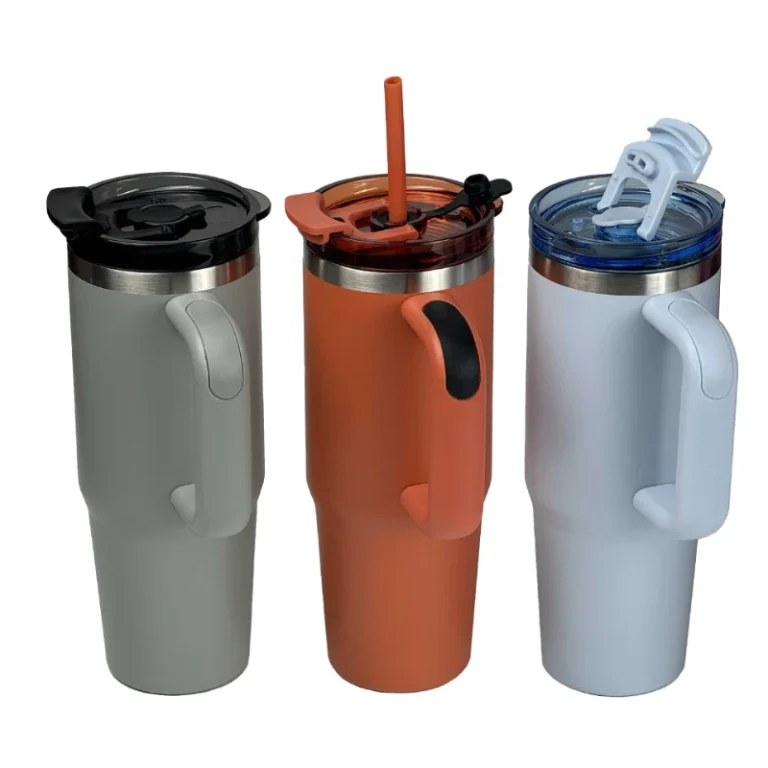
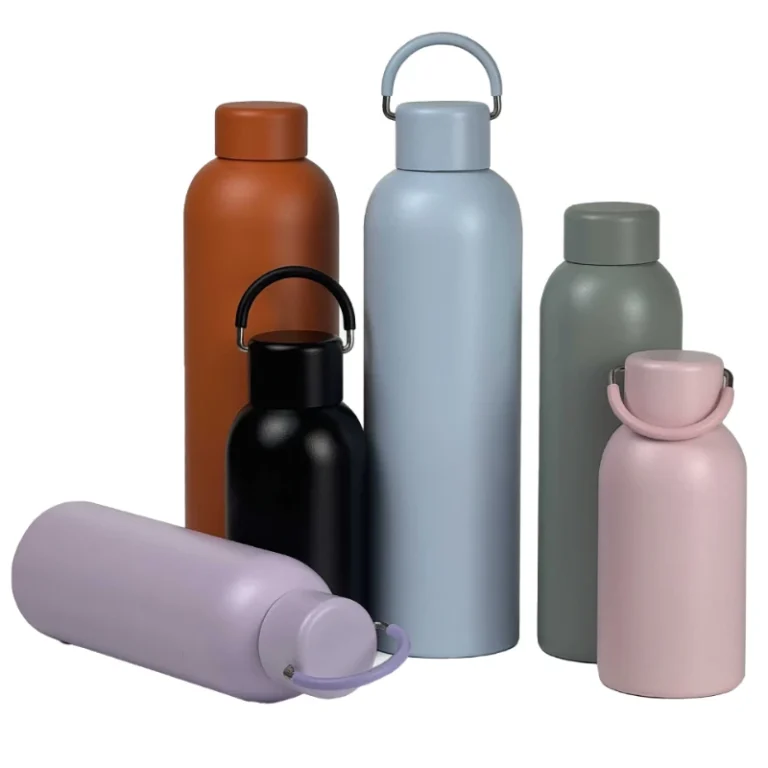
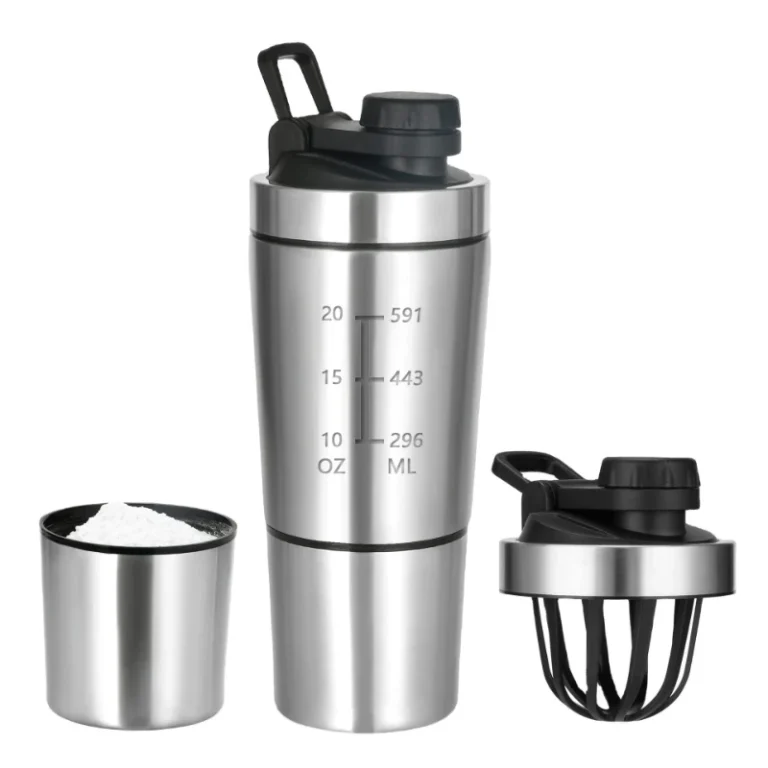
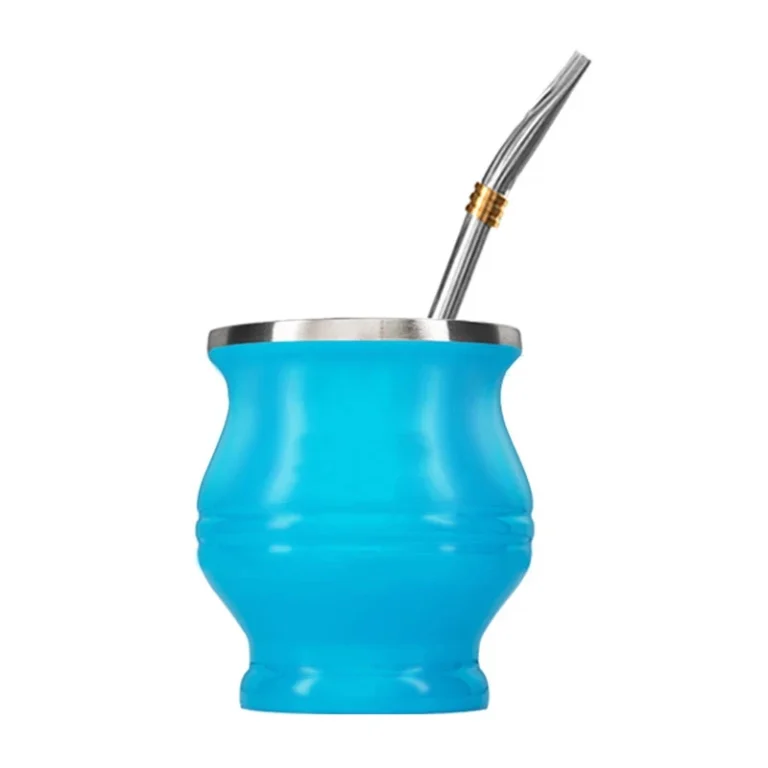
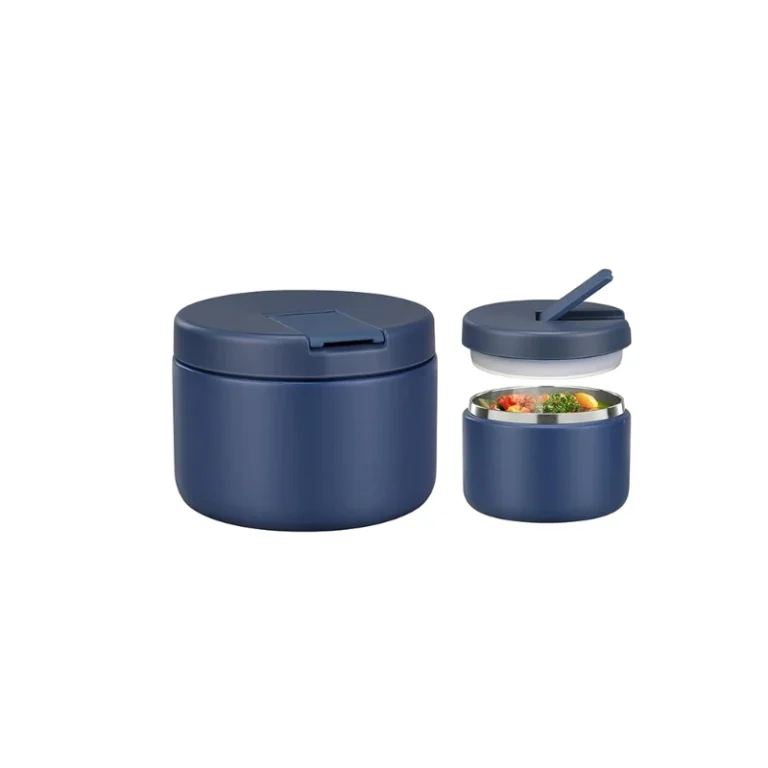
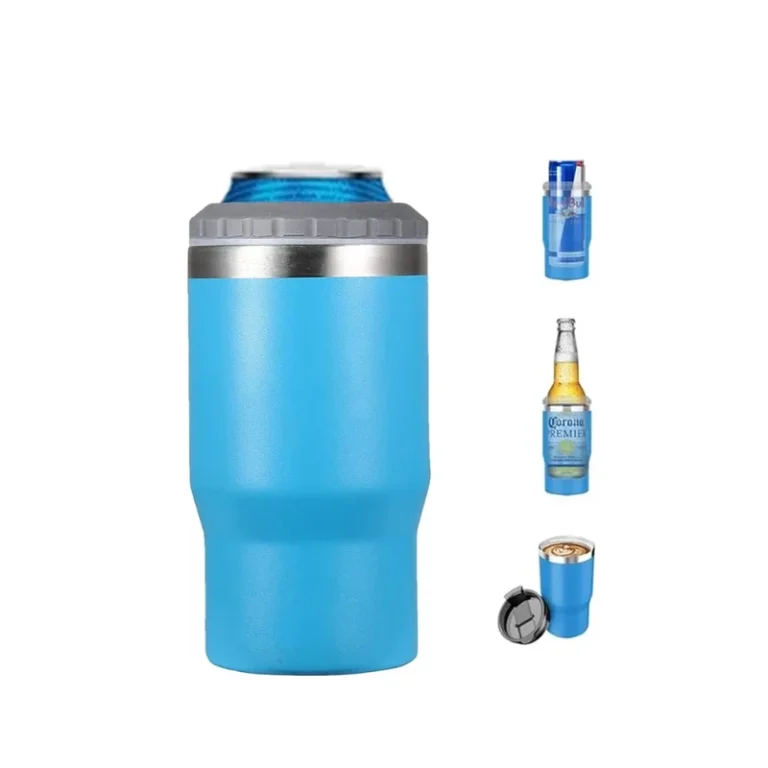
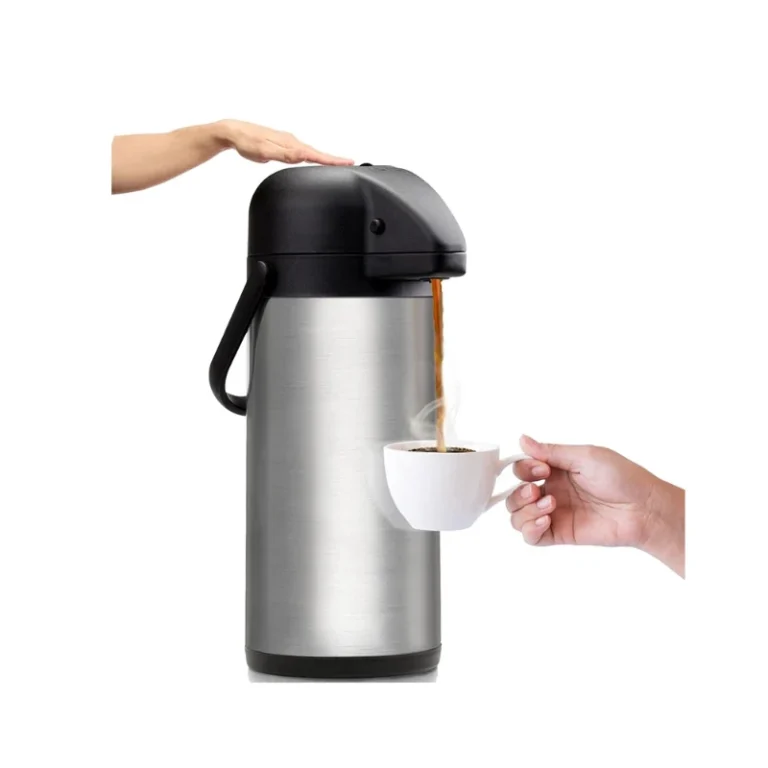
The global drinkware market is evolving rapidly. Stainless steel tumblers, insulated water bottles, travel mugs, and reusable coffee cups are no longer just everyday drinking products. They have become lifestyle accessories, promotional gifts, and important retail products.
For wholesalers, importers, distributors, and private-label brands, understanding upcoming drinkware trends is essential to making profitable purchasing decisions.
As we approach 2027, buyers should look beyond traditional large-capacity tumblers and focus on product functionality, distinctive designs, customization, and long-term market demand.
So, what stainless steel drinkware trends should wholesalers watch in 2027? And how can you choose the right products and manufacturers for your next order?
Let’s explore.
Top 7 Stainless Steel Drinkware Trends for 2027
Functional Tumblers with Innovative Lids
Functionality will remain one of the strongest purchasing drivers in 2027.
Consumers want drinkware that fits different daily situations, including commuting, working, exercising, traveling, and outdoor activities.
Popular designs include:
- 2-in-1 lids supporting both direct drinking and straw drinking.
- Foldable straw lids with dust covers.
- One-touch flip lids for convenient operation.
- Leak-resistant lids with secure locking mechanisms.
- Interchangeable lids and accessories for different drinking preferences.

2 in 1 Lid Double Wall Insulation Bottles For Outdoor Sports Travel
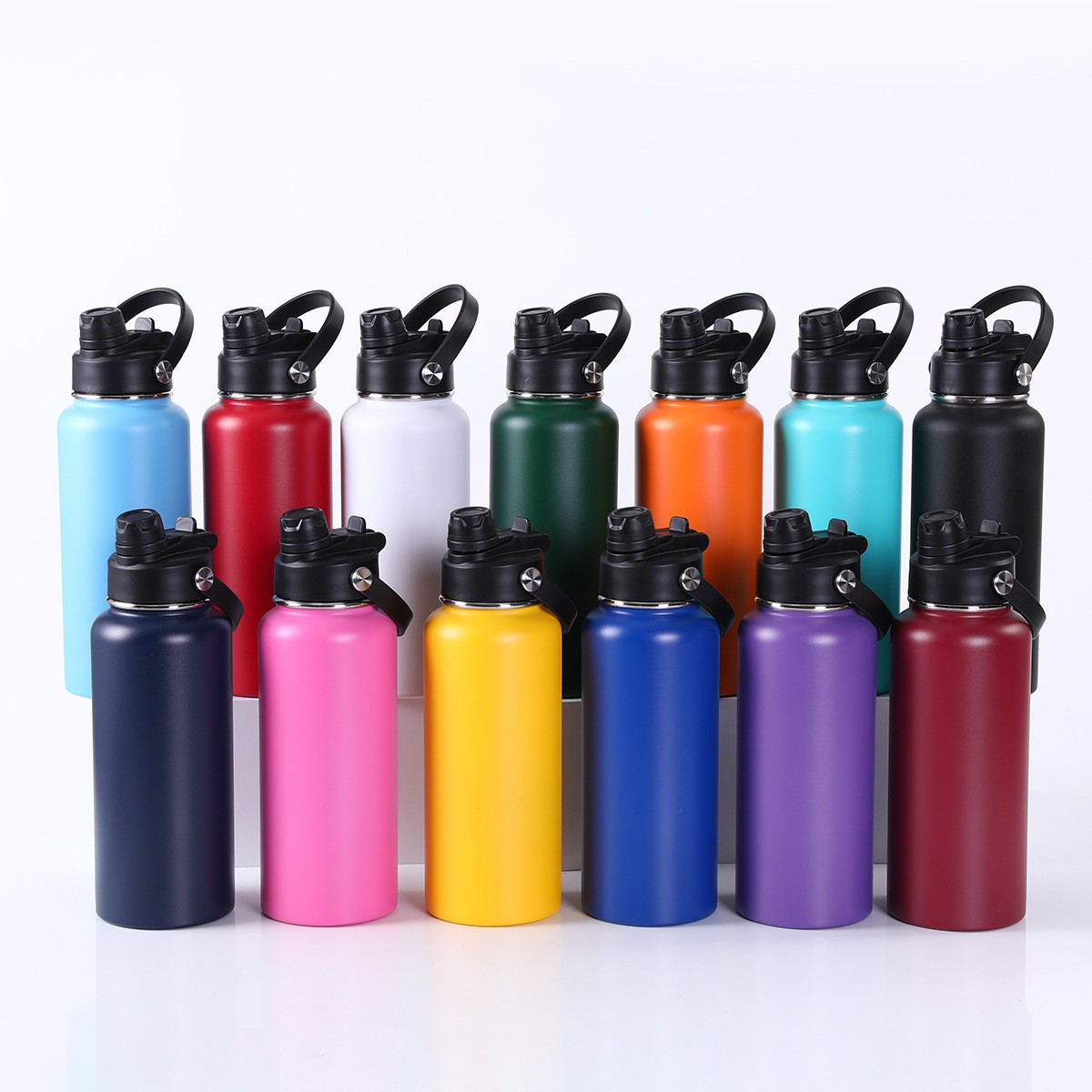
For wholesalers, multifunctional tumblers offer more selling points than traditional designs and create opportunities to target different customer groups.
Large-Capacity Tumblers Will Remain Popular
Large-capacity drinkware, particularly 30oz and 40oz stainless steel tumblers, will continue to attract attention in the North American market.
Consumers appreciate larger capacities because they reduce the need for frequent refilling and support hydration throughout the day.
However, the market is also creating opportunities for compact 12oz, 14oz, and 20oz tumblers designed for coffee, commuting, and car cup holders.
Our purchasing recommendation: Instead of investing exclusively in 40oz tumblers, wholesalers should develop a balanced product portfolio covering small, medium, and large capacities.
Unique Colors and Premium Surface Finishes
Product appearance plays an increasingly important role in purchasing decisions.
In 2027, we expect several design directions to remain attractive:
- Soft pastel and macaron colors.
- Earthy tones such as beige, olive green, and brown.
- Matte powder-coated finishes.
- Metallic gradients and iridescent effects.
- Two-tone and color-block designs.
- Personalized patterns and UV-printed graphics.
A distinctive color combination can help retailers differentiate their products without developing an entirely new cup structure.
Wholesalers should consider custom color matching and private-label printing when working with manufacturers.
More Portable and Lifestyle-Oriented Designs
The oversized tumbler trend has created demand for alternative drinkware formats.
Compact travel mugs, slim car tumblers, lightweight coffee cups, and portable handled bottles are becoming important product categories.
In 2027, we expect more products designed around specific lifestyles:
- Car-compatible tumblers for commuters.
- Handle bottles for hiking and outdoor activities.
- Compact coffee mugs for office workers.
- Kids’ insulated bottles with convenient drinking lids.
- Sports bottles with dual-drinking functions.
For distributors, lifestyle-based product selection makes it easier to target different retail channels.
Sustainability and Reusable Materials
Sustainability is becoming an important consideration for global drinkware buyers.
Stainless steel products offer durability and repeated-use potential, making them attractive alternatives to disposable beverage containers.
Future purchasing decisions are also likely to pay more attention to:
- Durable stainless steel construction.
- Recyclable packaging options.
- Reduced unnecessary plastic packaging.
- Responsible material sourcing.
- Longer product lifespans.
According to industry research presented at the 2026 PPAI promotional products conference, reusable product design and recycled materials are among the leading sustainability considerations.
For wholesalers, the key is to prioritize genuine product durability and verifiable environmental claims rather than relying on vague green marketing.
Personalized and Private-Label Drinkware
Customization will continue to create opportunities for wholesalers and brand owners.
Customers increasingly want products that reflect their own brand identity.
Popular customization options include:
- Custom logo printing and laser engraving.
- Custom Pantone colors.
- UV printing and full-wrap designs.
- Custom lids, handles, and accessories.
- Branded gift boxes and retail packaging.
Working with an OEM/ODM stainless steel tumbler manufacturer allows buyers to create differentiated products instead of competing only on price.
Smart and Premium Drinkware
Technology integration is an emerging niche rather than a mainstream requirement for every wholesale order.
Smart hydration reminders, temperature displays, and connected hydration tracking may attract premium gift buyers and technology-focused brands.
Ceramic-coated interiors and more easily disassembled lid components are also worth watching as potential premium product developments.
However, buyers should evaluate actual consumer demand and product costs before committing to large quantities.
What Do Wholesale Buyers Care About Most When Purchasing Stainless Steel Tumblers?
Following market trends is important, but choosing the right supplier is equally critical.
Based on common B2B sourcing concerns, here are six questions you should ask before placing an order.
Q1: What Stainless Steel Material Should I Choose?
304 stainless steel is widely used for the inner walls of vacuum-insulated drinkware because of its corrosion resistance and suitability for food-contact applications.
Some products also use 316 stainless steel for applications requiring enhanced corrosion resistance.
The outer wall may use 201 or 304 stainless steel depending on product positioning and specifications.
Always request clear material specifications and relevant food-contact documentation.
Q2: How Long Can Stainless Steel Tumblers Keep Drinks Hot or Cold?
Insulation performance depends on vacuum construction, materials, product design, and manufacturing quality.
Many double-wall vacuum-insulated tumblers are designed to maintain beverage temperatures for approximately 6–12 hours or longer.
However, buyers should request actual performance test results rather than relying solely on marketing claims.
Q3: What Is the MOQ for Wholesale Custom Tumblers?
MOQ varies depending on the existing mold, color, printing method, customization requirements, and packaging.
For wholesalers starting a new product line, selecting existing factory molds is often a practical way to control initial investment.
Discuss logo customization, color options, and packaging requirements together to obtain a more accurate quotation.
Q4: What Certifications Should I Check?
For US and European markets, buyers should pay attention to applicable food-contact requirements.
Commonly requested documentation includes FDA-related food-contact compliance, LFGB testing, and relevant material safety reports.
Remember that compliance documentation should cover the actual product components, including the stainless steel body, plastic lid, and silicone gasket where applicable.
Q5: How Can I Ensure Product Quality?
Before confirming a bulk order, wholesalers should evaluate:
- Stainless steel material and construction.
- Vacuum insulation performance.
- Lid sealing and leak resistance.
- Logo printing durability.
- Surface coating consistency.
- Packaging strength and transportation protection.
Approving a pre-production sample and arranging pre-shipment inspection can significantly reduce purchasing risks.
Q6: How Do I Choose a Reliable Stainless Steel Drinkware Manufacturer?
A reliable supplier should provide consistent product quality, transparent specifications, flexible customization, stable production capacity, and clear communication.
Buyers should also evaluate the manufacturer’s experience, quality management procedures, sample development capability, and ability to meet delivery schedules.
Wholesale Purchasing Strategies for 2027
To improve purchasing efficiency and reduce inventory risks, we recommend three practical strategies.
Strategy 1: Build a Balanced Product Portfolio
Combine large-capacity tumblers, portable coffee cups, insulated water bottles, and kids’ drinkware.
This helps wholesalers serve different customer segments instead of depending on one trending product.
Strategy 2: Test New Designs Before Large Orders
Start with existing molds and a manageable quantity. Test customer feedback, sales performance, and preferred colors before expanding your inventory.
Avoid purchasing large quantities simply because a product is trending on social media.
Strategy 3: Prioritize Long-Term Factory Partnerships
A manufacturer with reliable production capabilities can help you maintain consistent quality, develop new designs, customize products, and manage repeat orders more efficiently.
The lowest quotation is not always the most profitable purchasing decision. Product defects, delayed shipments, and inconsistent quality can cost much more in the long run.