Arabic
  English
  Spanish
  Portuguese
  German
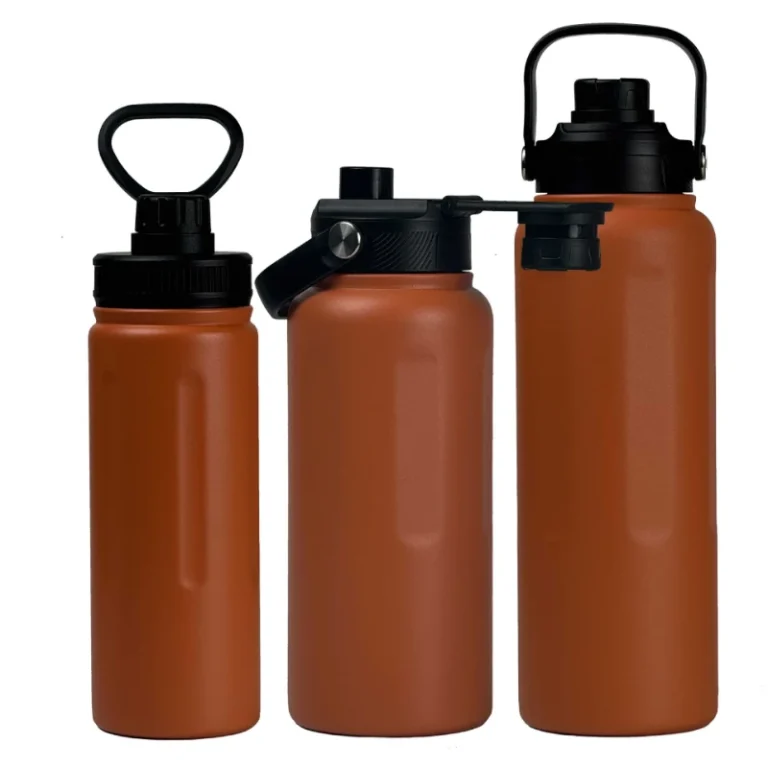
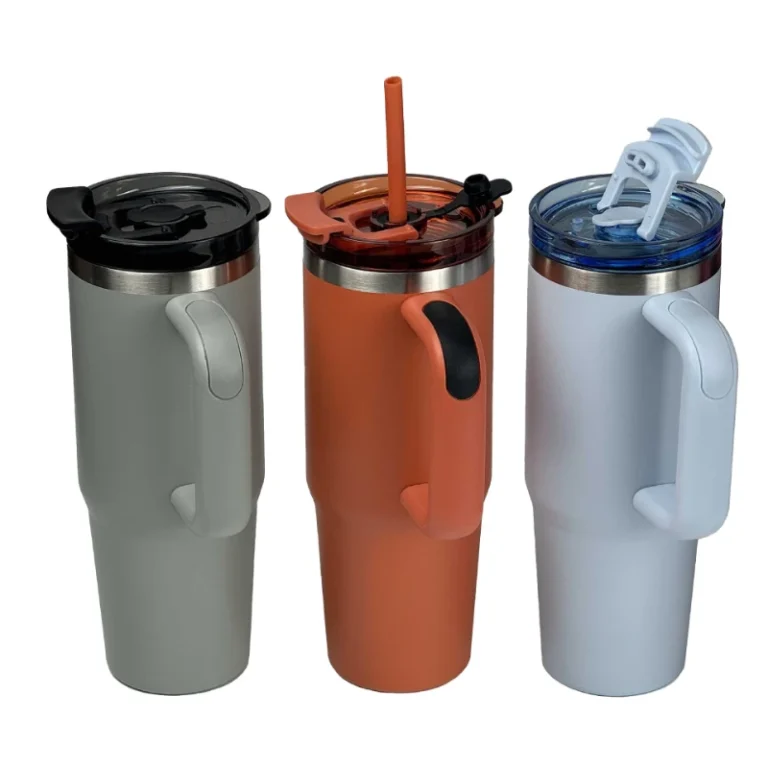

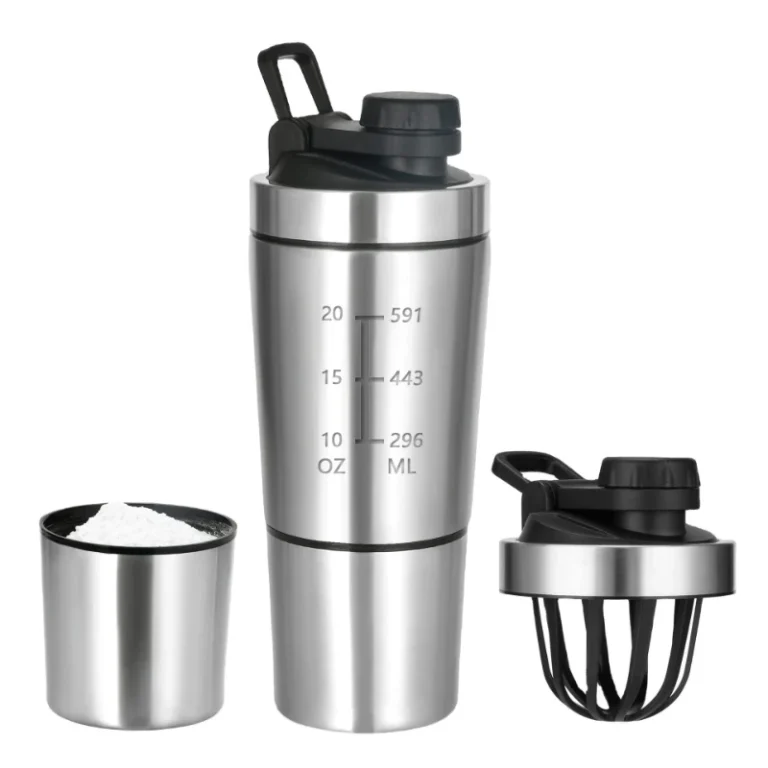
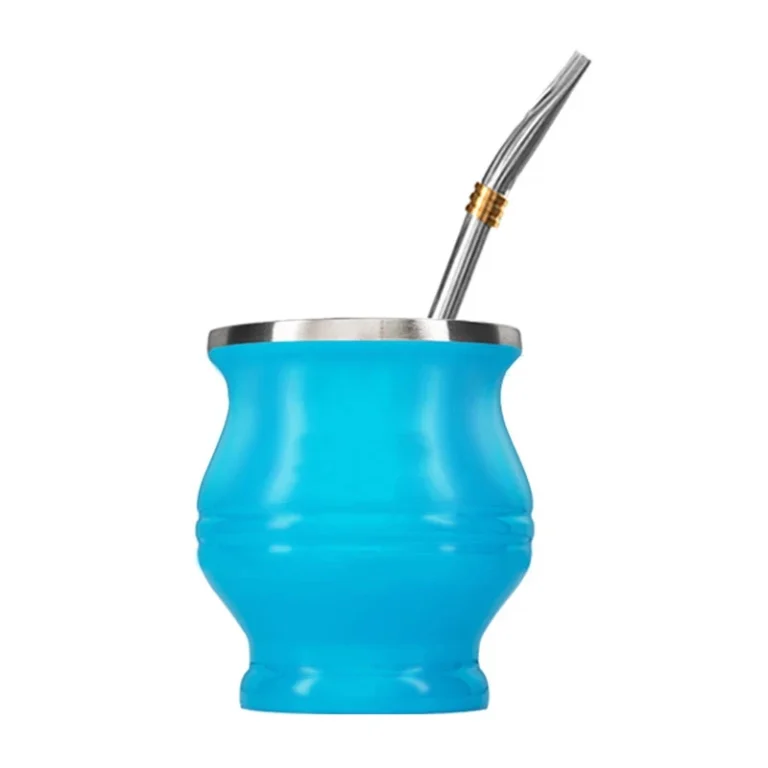

Manufacturer’s Perspective on Performance, Process, and Real-World Applications
From a manufacturer’s point of view, the difference between a standard vacuum flask and a copper plated vacuum flask is not just about specifications on paper.
It is about how the product performs after thousands of units are produced, shipped, and used in real cold environments.
In markets such as Russia, Northern Europe, Canada, and Alaska, we have seen a clear shift in demand over the past few years.
Brands and importers are no longer satisfied with “good insulation.”
They are asking for stable, long-term heat retention that remains reliable under extreme temperature conditions.
Copper plated vacuum flasks have gradually become one of the most practical solutions to meet this demand.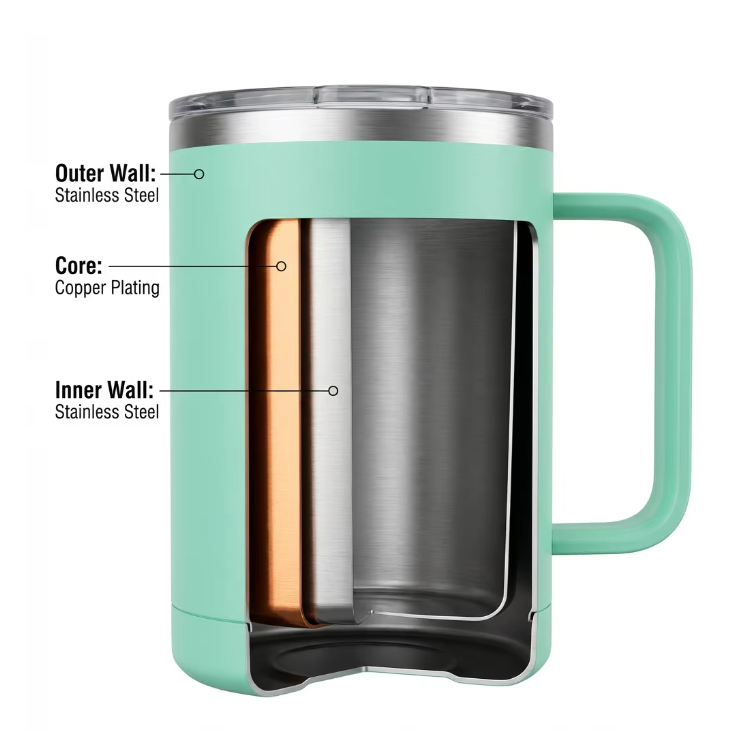
What Copper Plating Means in Real Manufacturing
In theory, copper plating is often described as a method to improve thermal reflection.
In real manufacturing, it is a process that requires strict control of materials, equipment, and quality standards.
In our production lines, copper plating is applied to the outer surface of the inner liner of the bottle.
The inner liner is usually made from SUS304 or SUS316 stainless steel, depending on customer requirements.
Before plating, the surface must be cleaned and activated to ensure stable adhesion.
The copper layer is then deposited through electroplating.
In most commercial products, the copper thickness is controlled between 0.3 and 1.0 microns.
If the layer is too thin, the thermal effect is limited.
If it is too thick, production cost increases without proportional performance gains.
From our experience, consistency of copper thickness is more important than extreme thickness.
Why Copper Plating Makes a Difference in Extreme Cold Place
In a standard vacuum flask, heat transfer is already reduced by the vacuum layer.
However, radiation still occurs inside the vacuum space.
Copper has high reflectivity for infrared radiation.
When applied to the inner liner, it reflects radiant heat back toward the liquid.
In practical terms, this means:
- Slower temperature drop over long periods
- More stable performance in sub-zero environments
- Better consistency between batches
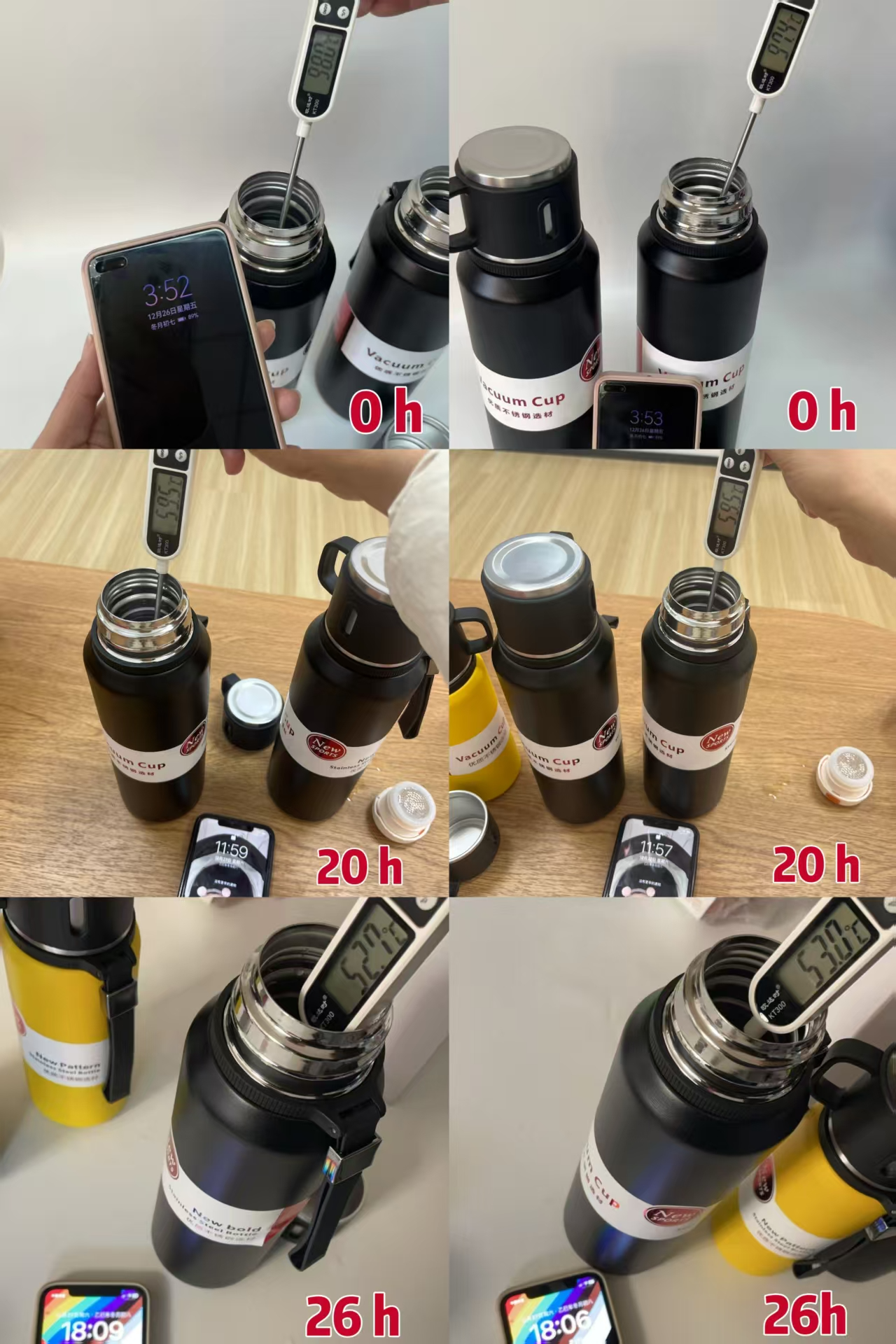
In our internal testing and customer feedback from cold climate markets, copper plated vacuum flasks typically show a 15% to 30% improvement in heat retention compared with standard vacuum flasks.
The difference becomes more noticeable after 12 to 24 hours, which is exactly the time range that matters most in extreme cold use cases.
Performance Testing: What We Actually Measure
From a factory perspective, heat retention is not just a marketing claim.
It is measured and recorded.
We typically test copper plated vacuum flasks under controlled conditions:
- Initial water temperature: 95°C
- Ambient temperature: −20°C
- Bottle capacity: 1000ml
Laboratory Test Results (1L Stainless Steel Thermos)
Condition Standard Vacuum Flask Copper Plated Vacuum Flask Initial temperature 95°C 95°C After 12 hours (−20°C environment) 63°C 72°C After 20 hours (−20°C environment) 45°C 59.5°C After 36 hours (−20°C environment) 32°C 46°C
A typical comparison result looks like this:
- After 12 hours: copper plated models retain noticeably higher temperature than standard models
- After 24 hours: the temperature gap becomes significant
- After 36 hours: copper plated bottles still maintain usable heat levels
While exact numbers vary by design, vacuum quality, and bottle structure, copper plating consistently improves long-term thermal stability.
For B2B buyers, this stability is often more valuable than peak performance.
Manufacturing Challenges and Cost Implications
Copper plating is not a decorative process.
It adds complexity to production.
From a manufacturing standpoint, the main challenges include:
- Maintaining uniform copper thickness across large batches
- Ensuring adhesion between copper and stainless steel
- Preventing oxidation and contamination during plating
- Controlling defect rates in mass production
These factors directly influence production cost.
In most cases, copper plating increases manufacturing costs by approximately 8% to 15%.
For some customized designs, the increase can be slightly higher.
However, for brands targeting cold climate markets, this cost increase is usually acceptable because it leads to:
- Higher product positioning
- Lower after-sales issues
- Stronger differentiation in competitive markets

Where Copper Plated Vacuum Flasks Are Actually Used
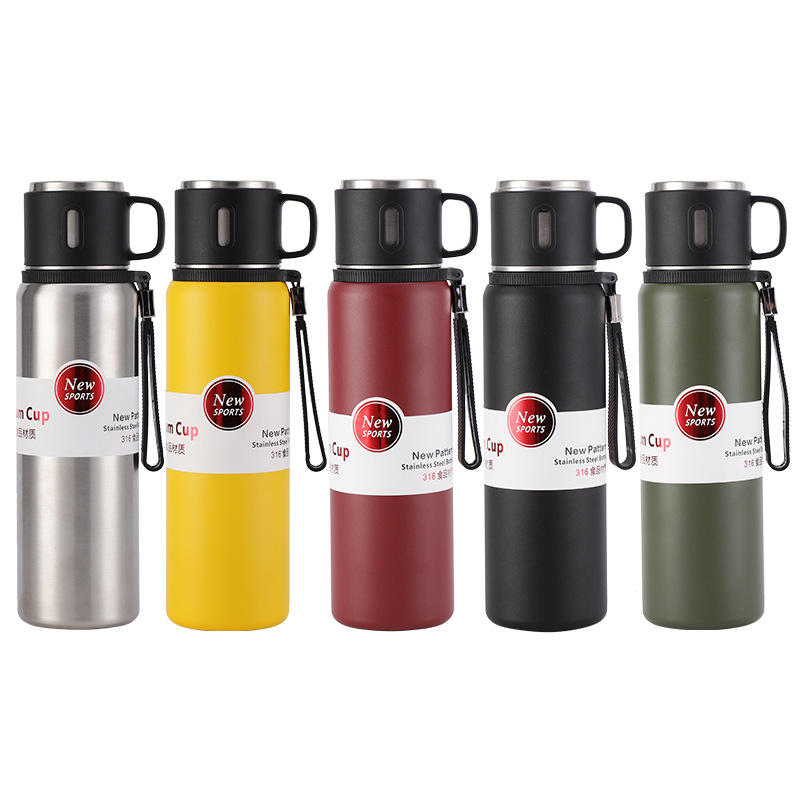
From our export experience, copper plated vacuum flasks are mainly adopted in:
- Outdoor and camping brands
- Industrial and professional use in cold regions
- Premium thermos brands
- Private label projects for Russia, Nordic countries, and Canada
In these markets, buyers are not just comparing price.
They are comparing reliability and long-term performance.
We have also observed that many brands initially launch copper plated models as premium products, then gradually expand them into mainstream product lines as demand grows.
What Wholesale Buyers Should Really Pay Attention To
From our cooperation with international buyers, we find that successful sourcing decisions usually focus on a few key points:
- Real heat retention testing data rather than theoretical claims
- Stability of copper plating across multiple production batches
- Vacuum quality and sealing reliability
- Manufacturer’s ability to maintain consistent quality over time
For wholesale buyers, the biggest risk is not price—it is inconsistency.
A copper plated vacuum flask that performs well in samples but poorly in mass production can damage a brand’s reputation.
Why We Focus on Copper Plated Technology
As a stainless steel bottle manufacturer, we do not treat copper plating as a marketing gimmick.
We see it as a technical solution designed for specific market needs.
Our production system is built around:
- Controlled copper plating processes
- Standardized heat retention testing
- OEM and ODM flexibility for global brands
- Stable supply capacity for long-term partnerships
We believe that copper plated vacuum flasks are not a trend.
They are a logical evolution of thermal bottle technology in response to extreme climate requirements.
Suggestions for Brands and Importers
For brands entering cold climate markets, copper plated vacuum flasks provide a practical balance between performance and cost.
They do not require radical changes in design, but they significantly enhance thermal performance where it matters most.
From a factory perspective, copper plating is one of the most effective ways to upgrade a standard vacuum flask into a high-performance product suitable for extreme environments.
For wholesale buyers looking for reliable manufacturing partners, understanding the real technology behind copper plated vacuum flasks is the first step toward making informed sourcing decisions.
الأسئلة الشائعة
How does copper plating improve heat retention in vacuum flasks?
Copper reflects radiant heat inside the vacuum layer, reducing thermal radiation losses and enhancing insulation performance.
Is copper plated thermos safe for daily use?
Yes. The copper layer does not contact liquids and complies with food safety standards when manufactured correctly.
What is the typical lifespan of copper plating?
With proper manufacturing and quality control, copper plating remains stable throughout the product’s lifespan.
Is copper plating suitable for large-scale production?
Yes. With mature electroplating processes, copper plated vacuum flasks can be produced at industrial scale with consistent quality.