English
  Spanish
  Portuguese
  Arabic
  German
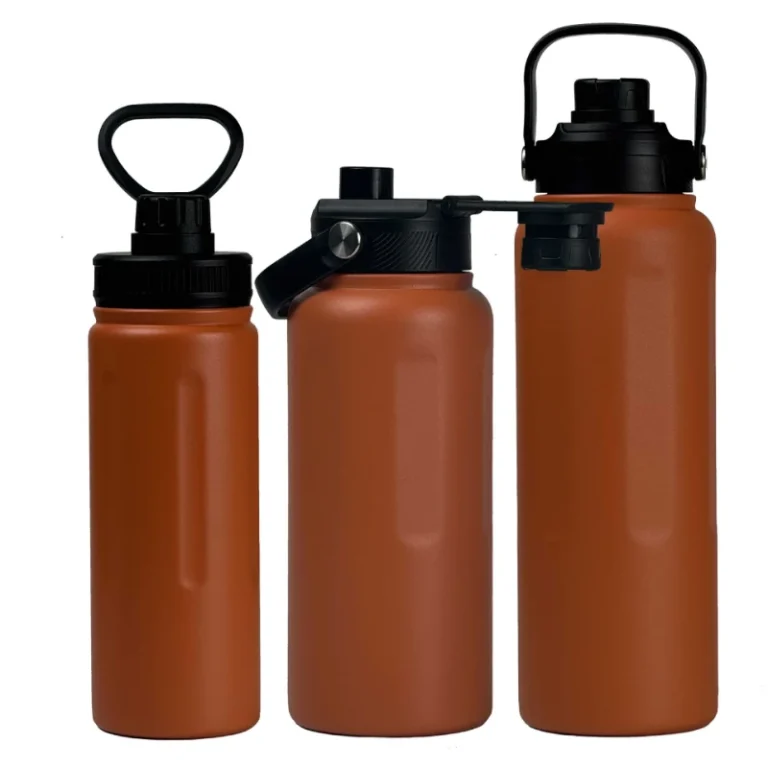
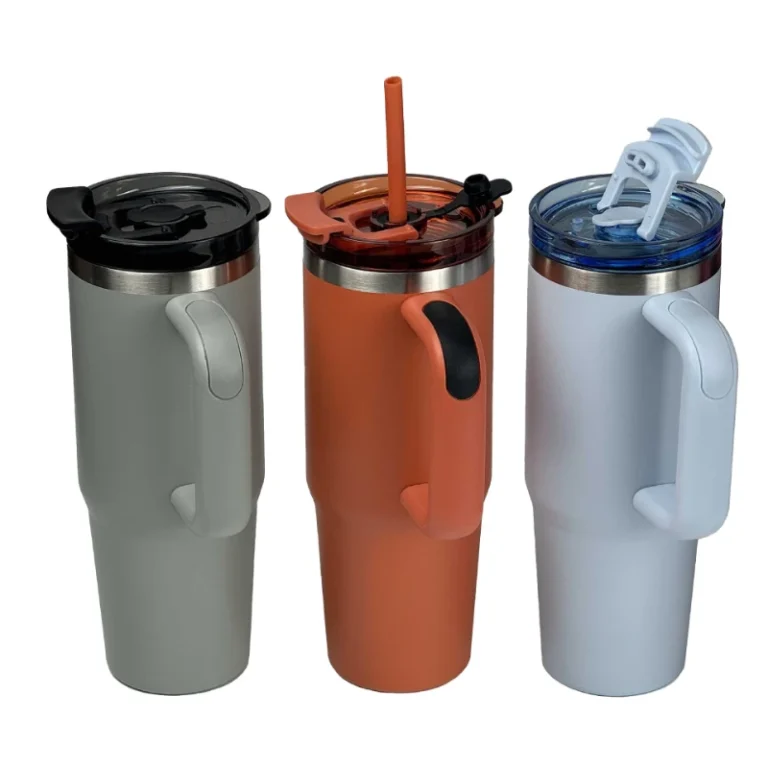
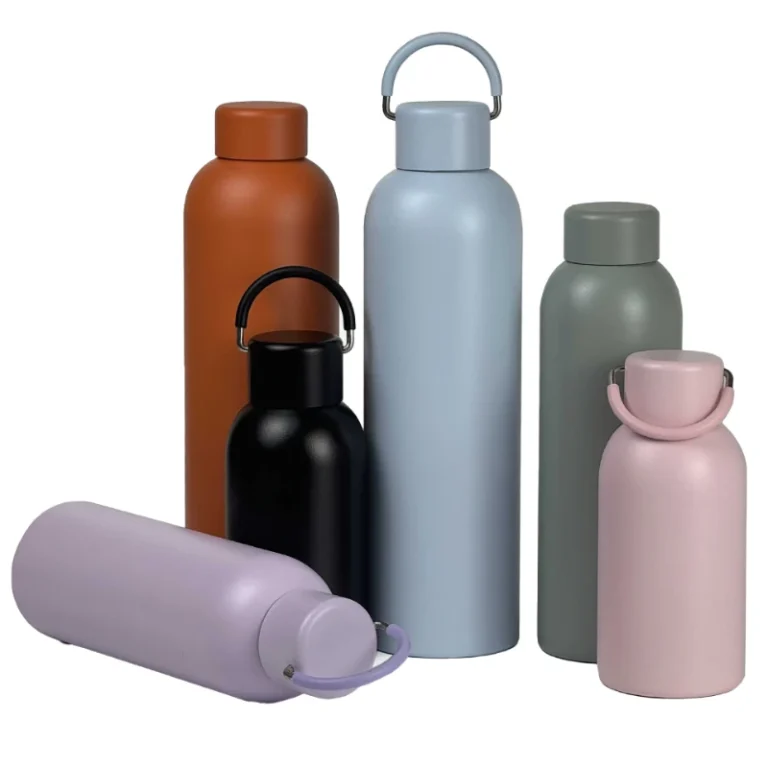
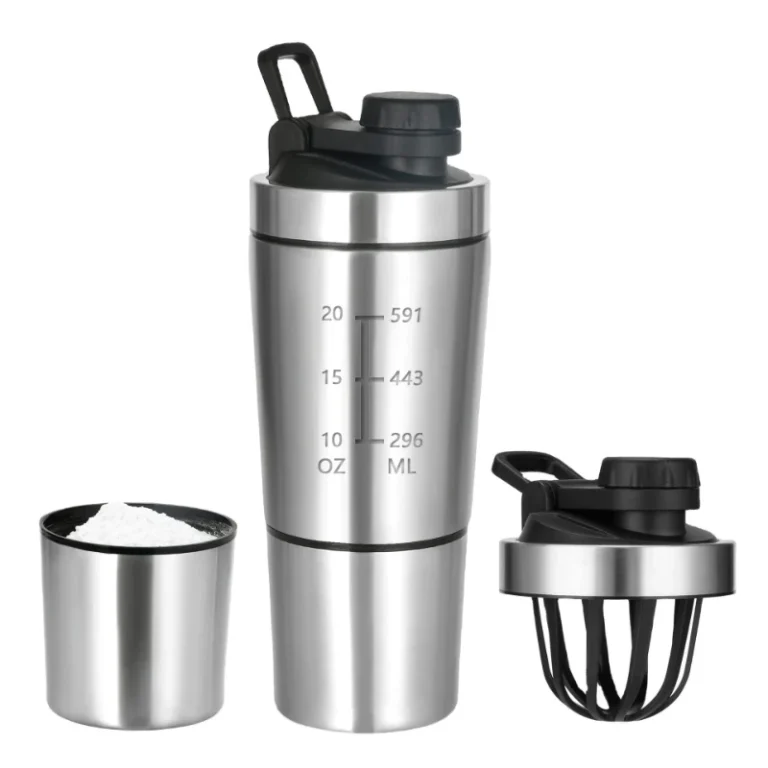
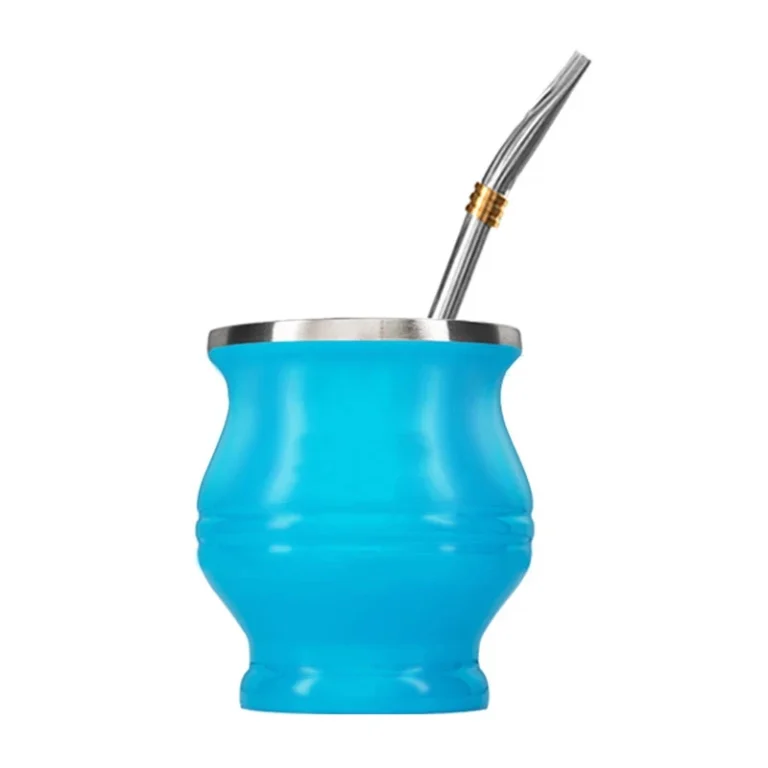
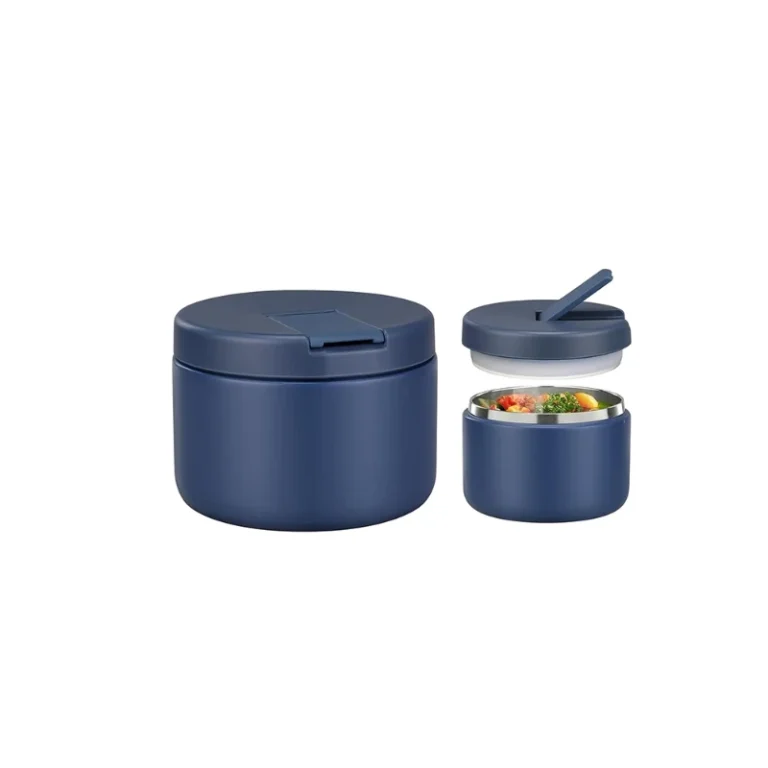
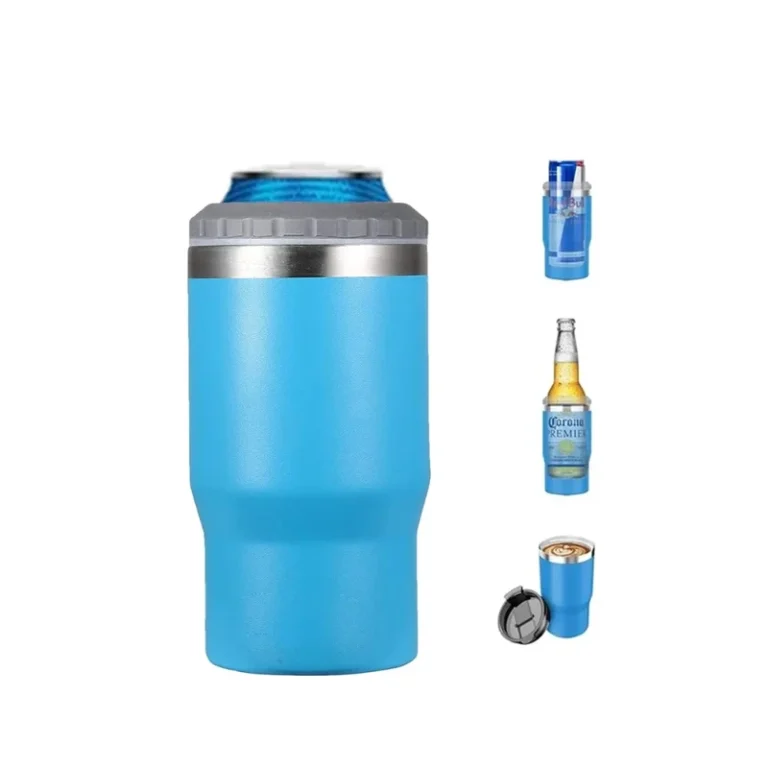
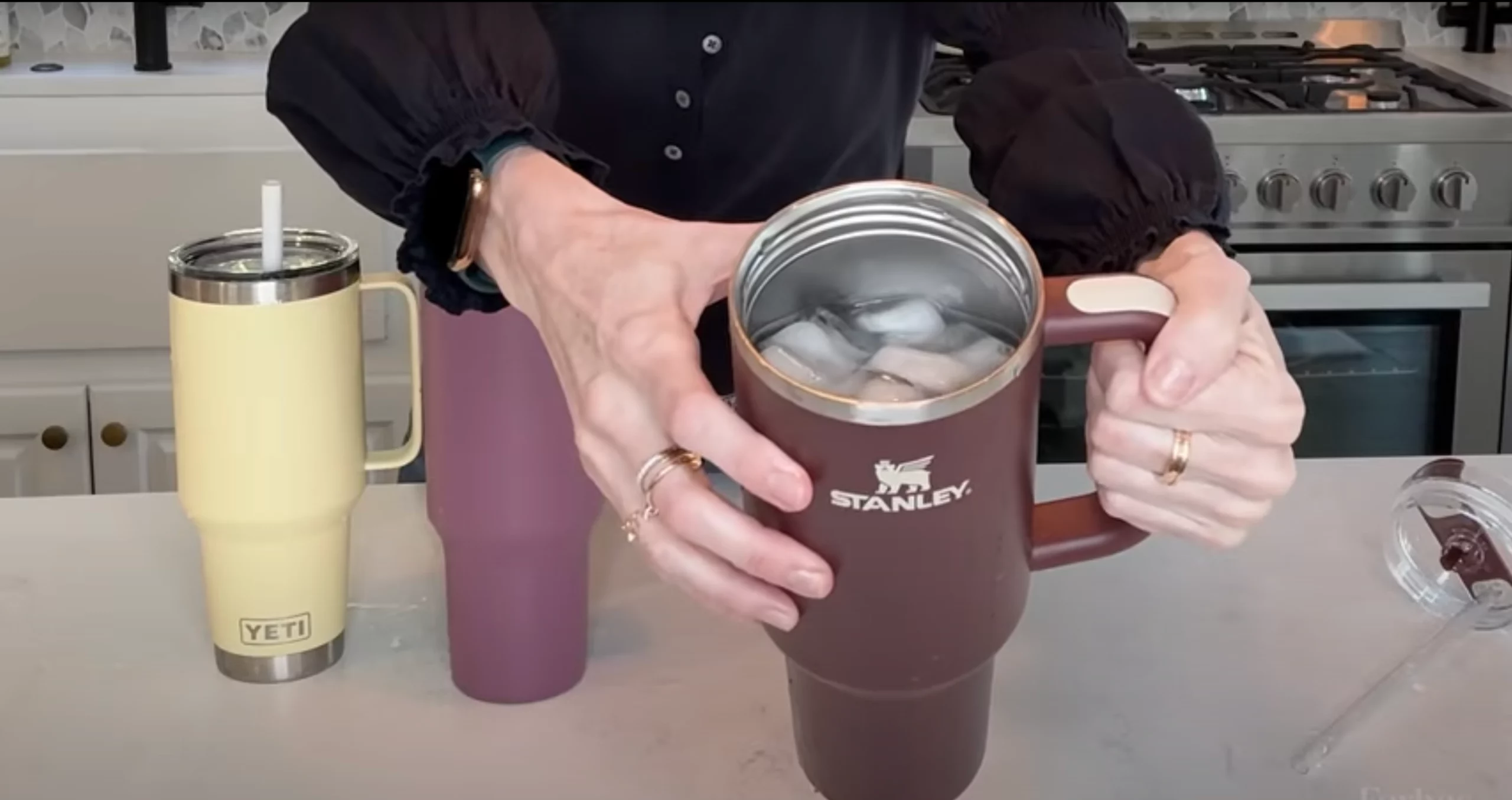
If you want the best water bottles in 2025, experts say Stanley stands out as the best water bottle for most needs. You see Hydro Flask gaining buzz, but Stanley, Owala, and Yeti still grab most of the spotlight. Check out how they stack up in the market:
Revenue | Market Share | Year-over-Year Growth | |
|---|---|---|---|
Stanley | $115.9M | 49.1% | -14.3% |
Owala | $19.5M | 8.3% | +3.8% |
YETI | $34.3M | 14.5% | +0.8% |
Hydro Flask | $7.9M | 3.3% | -3.1% |
HydroJug | $26.2M | 11.1% | +6.7% |

You want a reusable water bottle that keeps drinks cold, feels easy to carry, and has a lid you trust. Many people look for the best glass bottle if they want pure taste or the best water bottle for people who prefer glass. Some want the best filter bottle, while others care about the best water bottle for preventing flavor transfer. If you want the best overall bottle, think about insulation, lid design, and cleaning. You might even hunt for the best bang for the buck or the best pfas-free bottle. Your perfect pick depends on what matters most to you.
Which Travel Tumbler Truly Delivers on Insulation, Leak-Resistance and Convenience?
You want a travel tumbler that keeps your drink cold, doesn’t leak in your bag, and feels easy to use every day. Let’s break down how Stanley, Owala, and Yeti stack up when you look at insulation, leak-resistance, and convenience.
When you think about leak-resistance, you probably want a bottle you can toss in your backpack without worry. The leak-resistance tests show that neither the Stanley Adventure Quencher nor the Yeti Rambler Tumbler is completely leakproof. The Yeti does better, though. If you lay both on their sides, the Stanley leaks much more, losing most of its water after just 30 seconds. The Yeti keeps more than half its water, so you get less mess.
Convenience matters, too. You want a bottle that fits your lifestyle. Here’s what users say:
Stanley offers a larger capacity, which is great if you drink a lot during the day.
Yeti Rambler performs well but doesn’t have a handle or a cupholder-friendly shape, which can be a hassle.
Many people love the ruggedness and leakproof design of the Muv tumbler, especially for commuting.
If you lose lids often, Stanley might be the best water bottle for lid losers because replacement lids are easy to find. For straw lovers, Owala stands out with its built-in straw and easy sipping. If you want the best water bottle for one-handed use, Stanley’s handle makes it simple to grab and go.
So, which one should you choose? If you want top insulation, Owala wins. For leak-resistance, Yeti is your best bet. If you want convenience and easy handling, Stanley is hard to beat.
How Did We Crown the Winner?
You probably wonder how we picked the best water bottle for 2025. We didn’t just guess. We put Stanley, Owala, and Yeti through a series of controlled tests. You get results based on real data, not just opinions. We measured how well each bottle kept drinks hot or cold. We checked if they leaked when tossed in a bag. We even dropped them to see how tough they are. You want a bottle that stands up to daily life, so we made sure to test for durability.
The Five Key Categories: Insulation, Leak-Proof, Ease of Cleaning, Capacity, and Weight
You care about more than just looks. We focused on five main categories to help you find the right bottle:
Insulation: You want your drink to stay cold or hot for hours. We tested temperature retention with both ice water and hot coffee.
Leak-Proof: You need a bottle that won’t spill in your backpack. We filled each bottle, closed the lid, and shook it. We also laid them on their sides to see if they leaked.
Ease of Cleaning: You don’t want to spend forever scrubbing. We checked if you could reach every part of the bottle and if the lids had hidden spots where mold could grow.
Capacity: You want enough water to last through your day. We compared the advertised size to how much water you actually get.
Weight: You need a bottle that feels good in your hand and doesn’t weigh down your bag.
Here’s what experts say matters most when you pick a bottle:
Description | |
|---|---|
Health | Focus on materials that do not leach harmful chemicals, ensuring safe drinking experiences. |
Safety | Compliance with safety standards such as FDA approval and LFGB certification for food contact. |
Durability | Preference for materials like food-grade stainless steel and glass that withstand wear and tear. |
User Experience | Consideration of design and functionality to enhance the overall user satisfaction. |
You get a bottle that fits your life when you look at all these factors. That’s how we crowned the winner.
Insulation Performance: Which Bottle Keeps Drinks Hot or Cold the Longest?
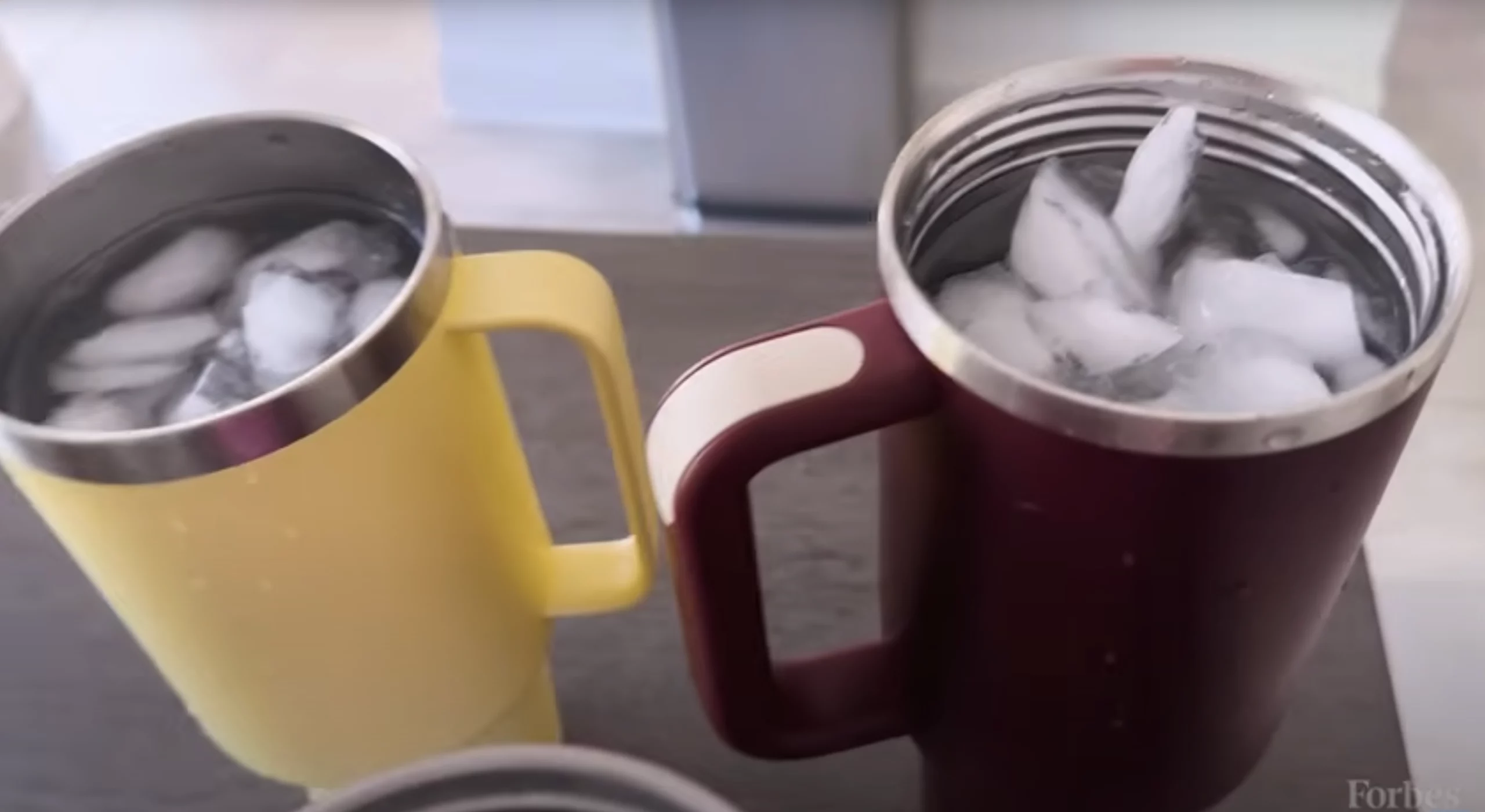
You want your drink to stay cold during a long day at school or work. Maybe you need hot coffee to last through a chilly morning. When you look at Stanley, Owala, and Yeti, you see three bottles that promise great insulation. But which one actually keeps your drink at the right temperature the longest?
Let’s start with the basics. Each bottle uses double-walled vacuum insulation. This design traps heat or cold inside, so your drink stays fresh for hours. If you grab a Stanley, you’ll notice it keeps ice water cold for up to 12 hours. Owala matches that performance and sometimes even holds ice overnight. Yeti also does a solid job, especially with hot drinks. You get steaming coffee for almost 8 hours, which is perfect for busy mornings.
Here’s a quick look at how they compare:
Bottle | Cold Retention (Ice Water) | Hot Retention (Coffee) |
|---|---|---|
Stanley | Up to 12 hours | 7-8 hours |
Owala | 12+ hours | 7 hours |
Yeti | 10-11 hours | 8 hours |
Durability matters, too. You don’t want your insulated steel bottle to dent or break after a few drops. YETI Rambler uses thicker steel, so it resists dents and has a simple lid that won’t snap off. Owala has a fixed spout, but its lid includes small plastic pieces and springs. These parts might wear out over time, especially if you use your bottle every day.
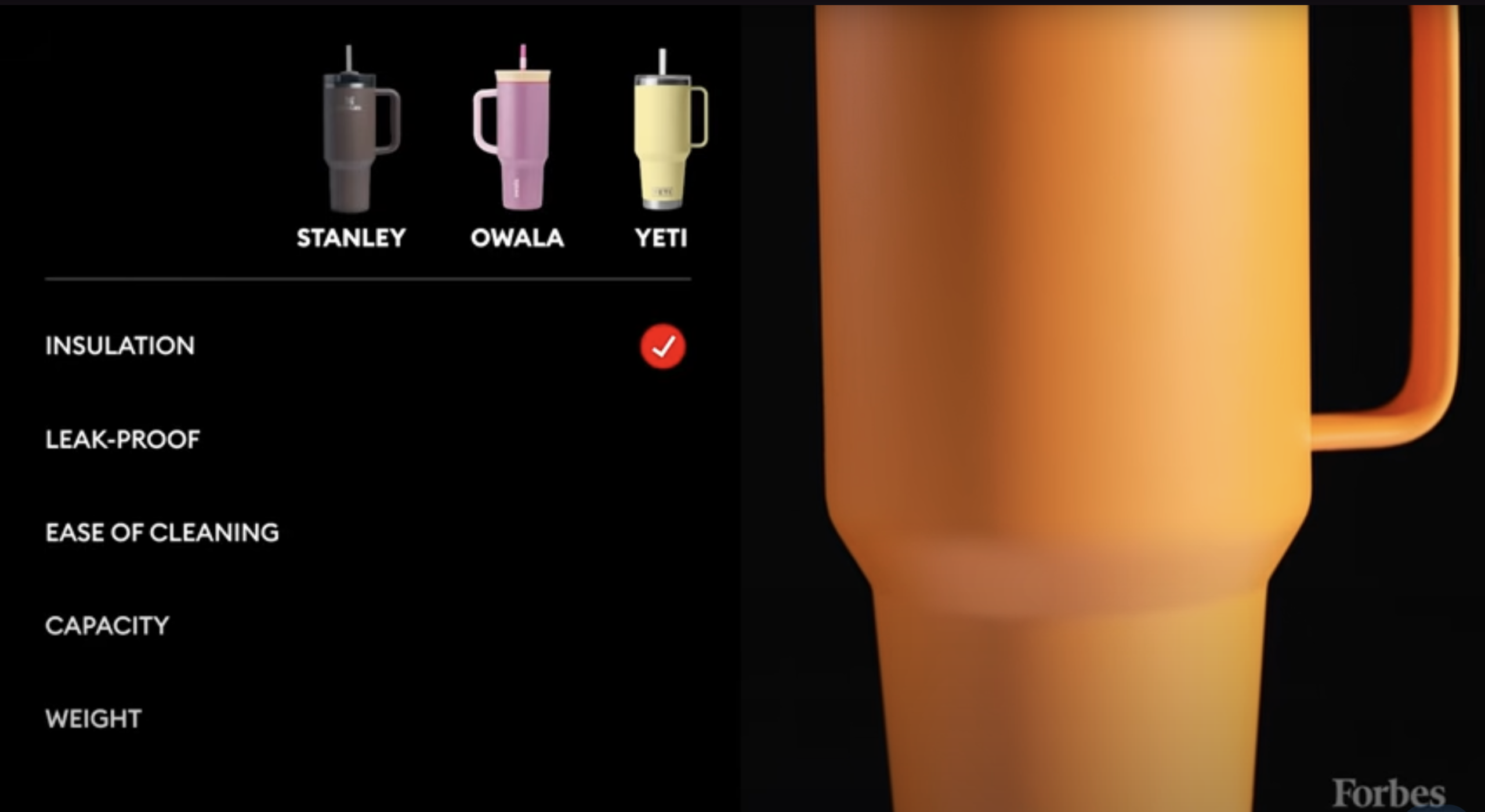
You get strong insulation from all three brands. If you want ice-cold water for the longest time, Owala stands out. For hot drinks, Yeti gives you a slight edge. Stanley offers a good balance, so you won’t go wrong with any of them.
Leak-Proof Test: Can You Trust These Tumblers in Your Bag?
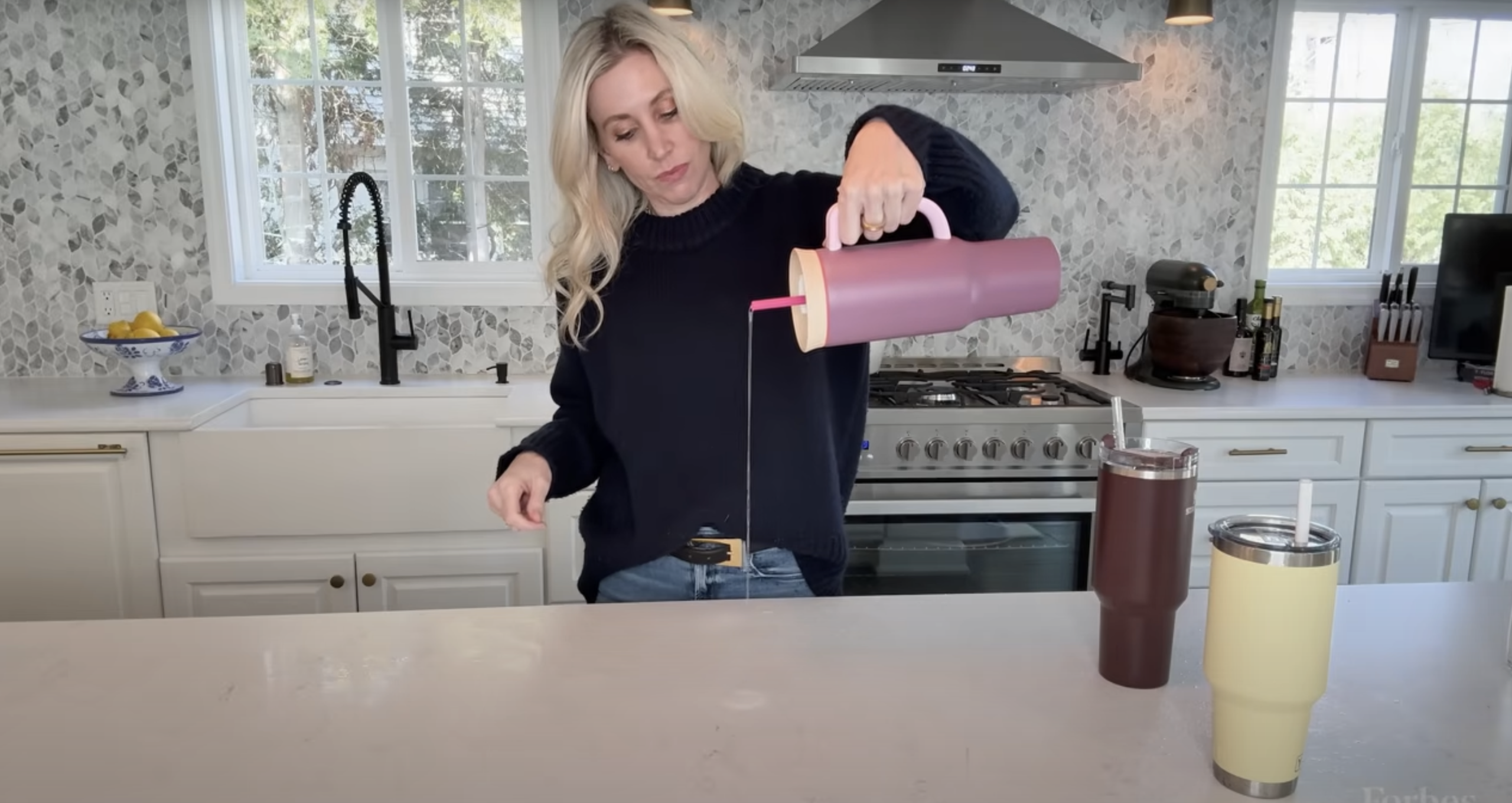
You probably toss your water bottle into your backpack or gym bag and hope for the best. Nobody wants a soggy notebook or a wet phone. Leak-proof design matters more than you think. You want a bottle that keeps your stuff dry, even if you forget to screw the lid on tight.
Let’s look at how Stanley, Owala, and Yeti perform in real-world leak tests. You fill each bottle, close the lid, and shake it. You lay them on their sides for a few minutes. Here’s what happens:
Brand | Leak Test Result | Lid Type | User Tip |
|---|---|---|---|
Stanley | Leaks quickly | Screw-on, straw | Easy to find spare lids |
Owala | Minor drips | Flip-top, straw | Best for straw lovers |
Yeti | Stays dry | Screw-on | Tight seal, no straw |
Stanley bottles leak the fastest. If you want the best water bottle for lid losers, Stanley makes it easy to grab a replacement lid. Owala bottles show only a few drops, which means you get better protection. If you love sipping through a straw, Owala is the best water bottle for straw lovers. Yeti bottles stay dry, even after you shake them hard. You get a tight seal every time.
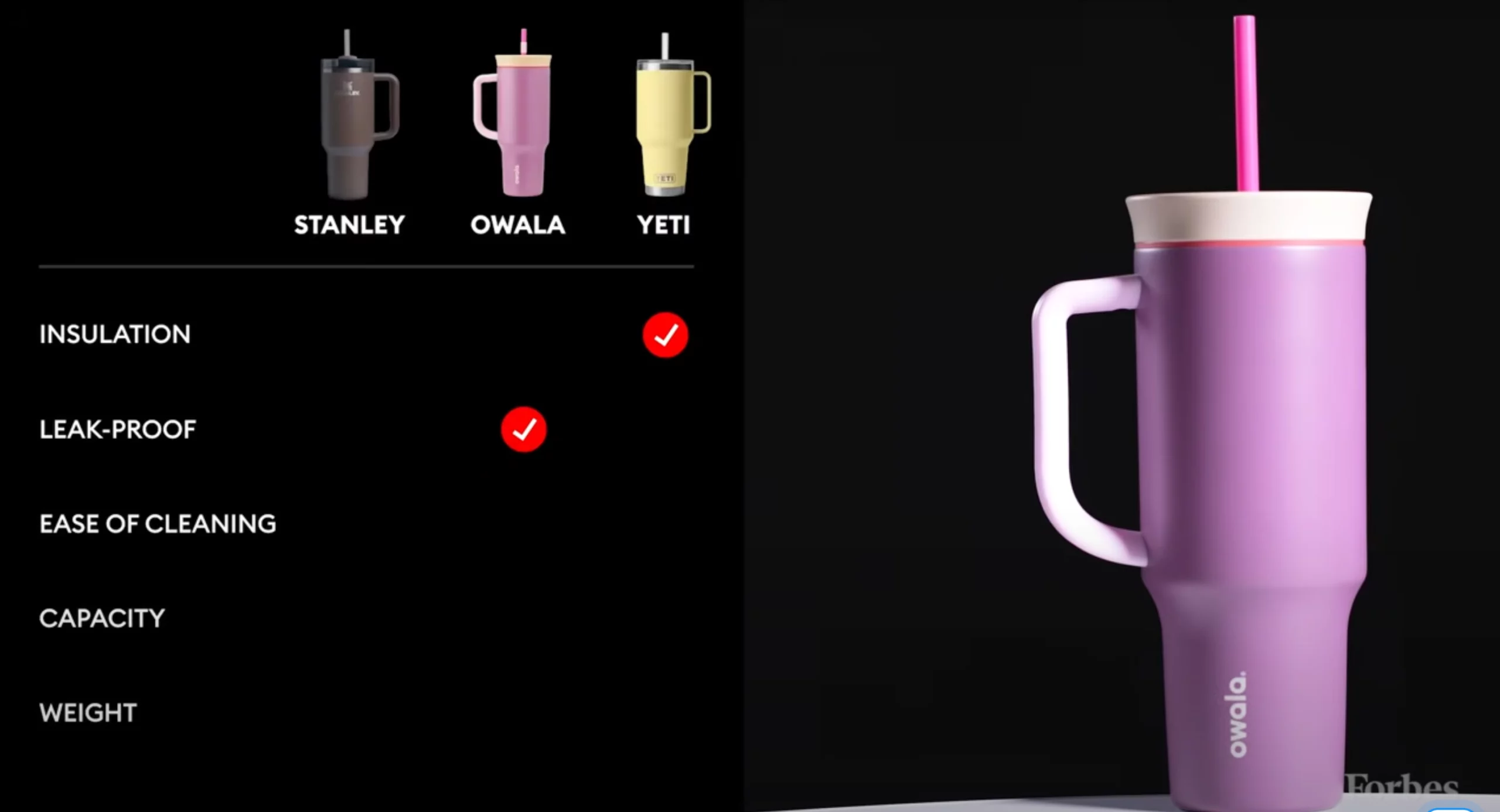
You want peace of mind when you travel. Yeti gives you the most confidence. Owala works well for everyday use, especially if you want a straw. Stanley offers convenience, but you need to watch out for leaks. Choose the bottle that fits your habits and keeps your gear safe.
Ease of Cleaning: Which Water Bottle is the Simplest to Maintain?
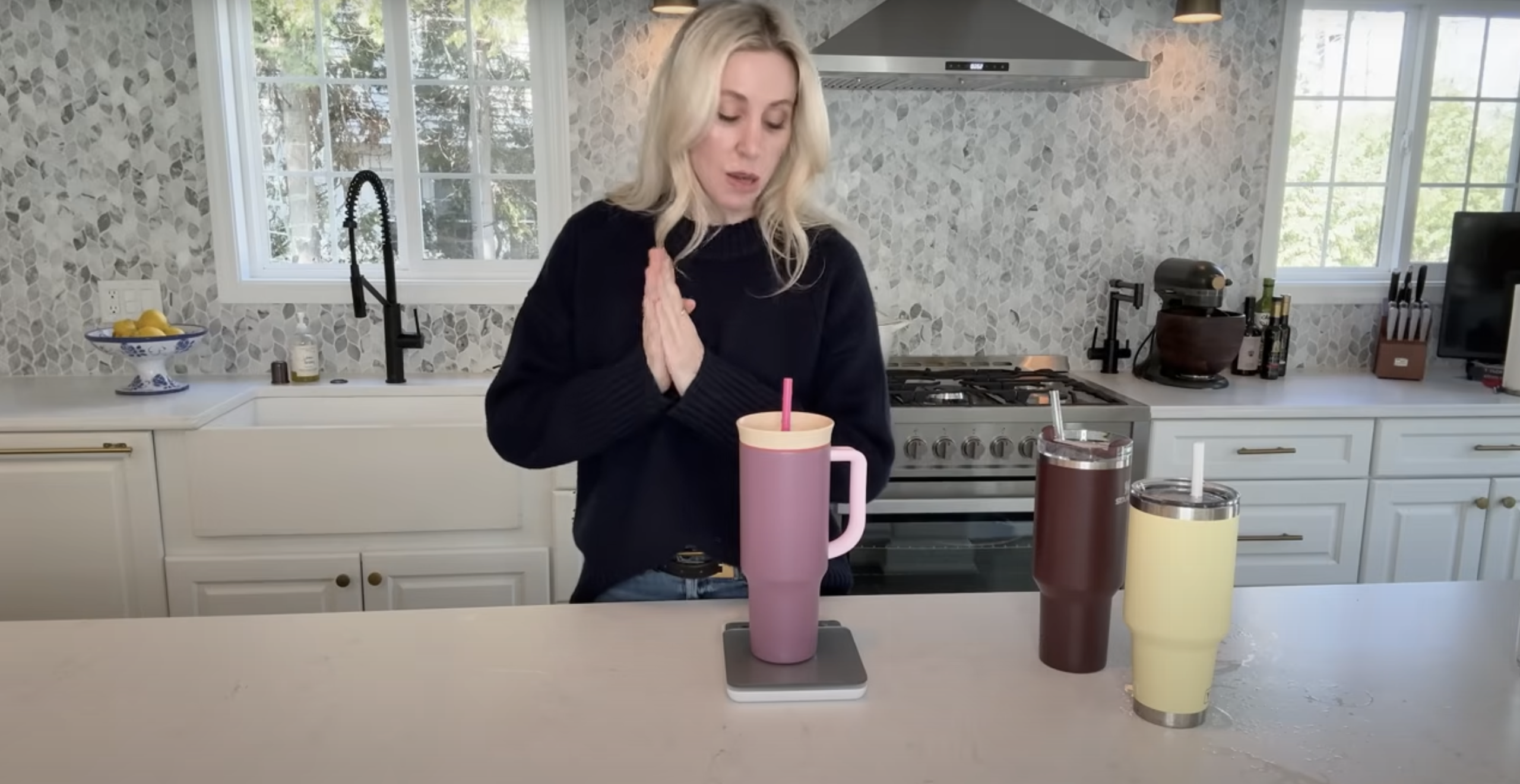
Cleaning your water bottle should not feel like a chore. You want a bottle that you can wash quickly and get back to using. Let’s look at how Stanley, Owala, and Yeti stack up when it comes to cleaning.
You might notice that Yeti bottles make cleaning easy. You can toss them in the dishwasher and walk away. The stainless steel holds up well, and you do not need to worry about special instructions. If you want a bottle that saves you time, Yeti is a strong choice.
Stanley bottles give you options. Some models are dishwasher safe, but handwashing works best for keeping them looking new. You can scrub the inside with warm, soapy water. If you use your bottle every day, you might prefer handwashing to avoid wear and tear from the dishwasher.
Owala bottles need a bit more attention. You should scrub and rinse all parts with warm, soapy water. For a deeper clean, soak the pieces in distilled white vinegar. If you want to tackle tough stains, mix baking soda and vinegar, then scrub and rinse. Owala recommends air-drying before you put the bottle back together. You can run some parts through the dishwasher, but always check the instructions first.
Here’s a quick table to help you compare:
Brand | Dishwasher Safe | Handwashing Needed | Special Steps |
|---|---|---|---|
Yeti | Yes | No | None |
Stanley | Some models | Yes | None |
Owala | Some parts | Yes | Vinegar soak, air-dry |
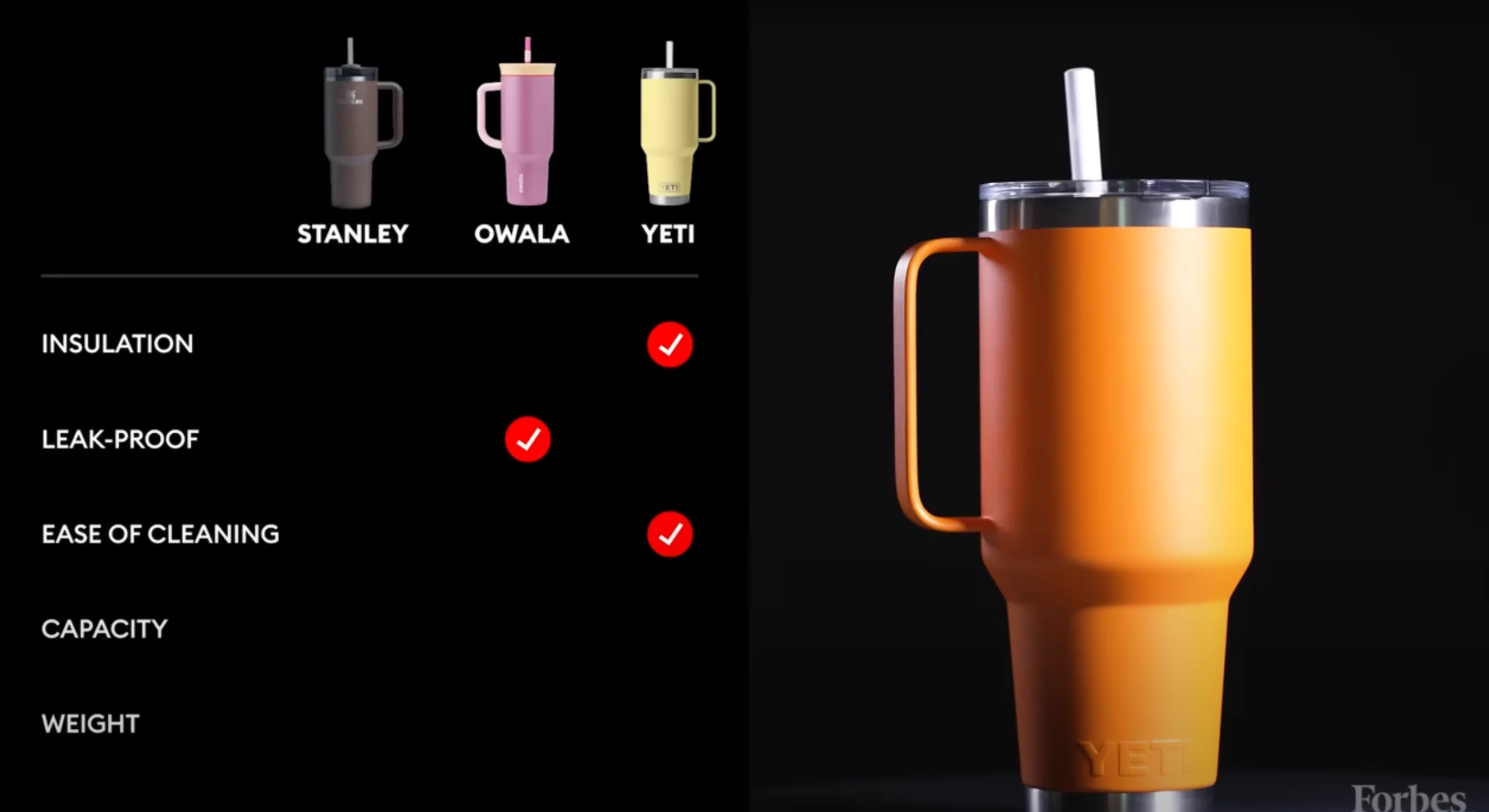
You want a bottle that fits your routine. If you love the dishwasher, Yeti wins. Stanley gives you flexibility. Owala takes a little more work but rewards you with a fresh, clean bottle every time. Choose the one that matches your cleaning style and keeps your water tasting great.
Capacity and Weight: Finding the Perfect Balance of Portability and Hydration
Advertised vs. Perceived Capacity
When you pick a water bottle, you want enough water to last through your day. The number on the label tells you the advertised capacity, but sometimes it feels different when you use it. You might fill your bottle to the top, but the design can make it seem like you get less water than you expect. Let’s look at how Stanley, Owala, and Yeti compare:
Brand | Weight (lb) | |
|---|---|---|
Owala | 24 | 0.8 |
Stanley | 30 | 1.1 |
Yeti | 26 | 1.3 |
Stanley gives you the most water, so you stay hydrated longer. Owala holds less, but it feels lighter in your hand. Yeti sits in the middle, offering a good balance. If you want to drink all day without refilling, Stanley might be your best choice. If you care more about a lighter bottle, Owala stands out.
The Weight Factor: Feel in Hand and in a Bag
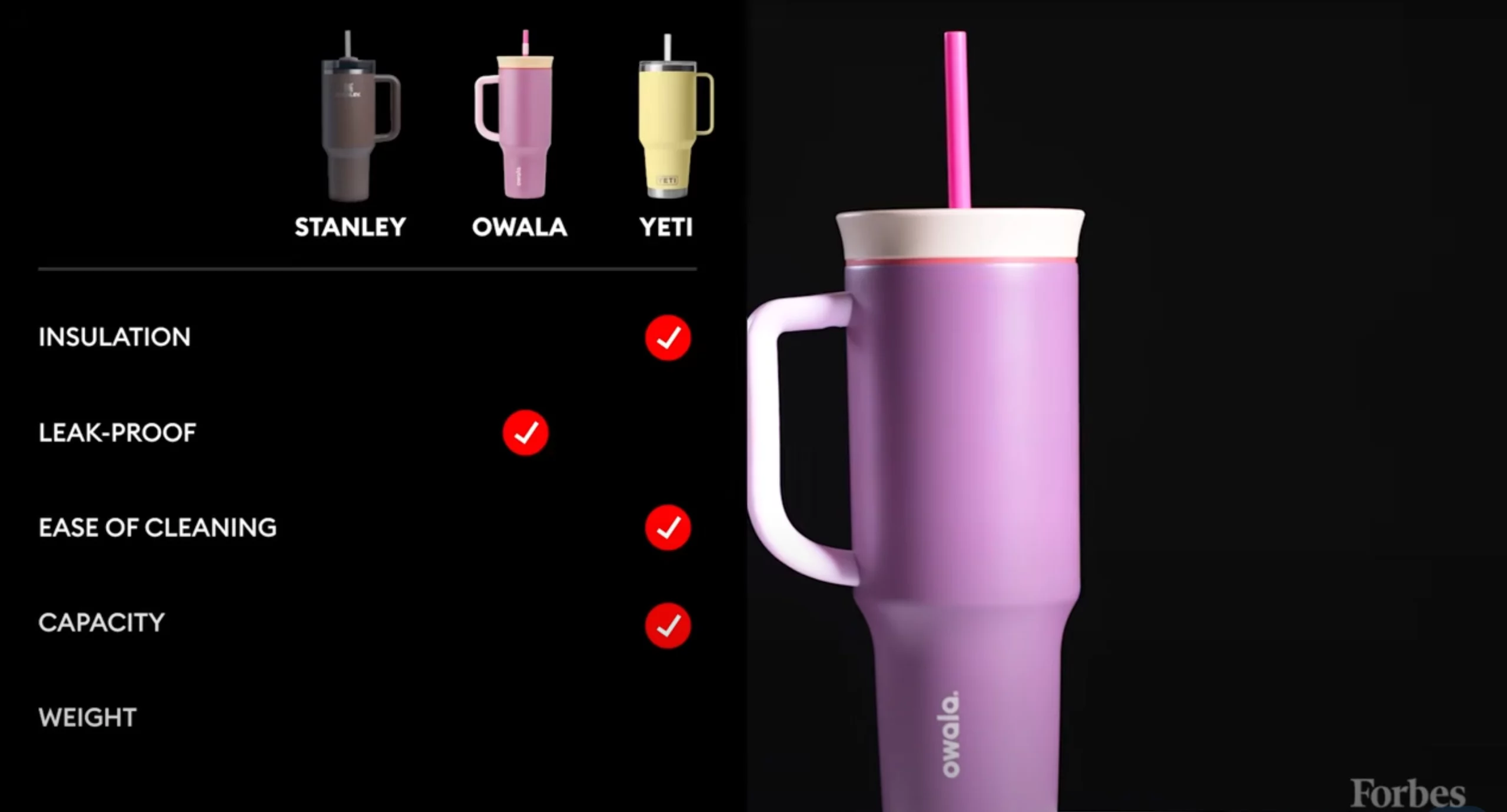
Weight matters when you carry your bottle everywhere. You want something that feels good in your hand and doesn’t drag down your backpack. Here’s what users say about these bottles:
You might think Stanley feels bulky at first. After a few days, you notice the sturdy handle makes it easy to grip and carry.
The bottom of the Stanley bottle tapers, so you can slide it into your car’s cupholder without a struggle.
Owala’s 24-ounce bottle fits in most cupholders, but bigger sizes may not. That can make a difference if you drive a lot.
Owala has small divots for gripping, but the plastic handle can feel uncomfortable if you carry it for a long time.
Yeti weighs the most, so you feel it in your bag. If you want a bottle that’s easy to grab and go, Stanley’s handle helps. If you prefer something light, Owala is a solid pick. You get a bottle that matches your routine and keeps you hydrated wherever you go.
The Final Verdict: Which Travel Tumbler Is Right for You in 2025?
You want the best water bottles for your daily routine. You see so many choices, but you need a clear answer. Let’s make it simple. If you want the best water bottle for most needs, Stanley stands out. You get a reusable water bottle that fits in your car cup holder, has a handle, and comes with a straw for easy sipping. Influencers call it the “holy grail,” and you might agree if you love convenience. Some people question the need for a straw or worry about collecting too many bottles, but most users praise the design.
Owala gives you a higher customer satisfaction score than Yeti. You get a lifetime warranty, which means you never worry about replacements. If you want the best glass bottle or the best water bottle for people who prefer glass, you might look elsewhere, but Owala’s FreeSip is easy to use and feels light in your hand. Yeti offers a five-year warranty and strong durability. You get great temperature retention, especially for hot drinks.
Here’s a quick look at how these bottles rank:
Water Bottle | Temperature Retention (6 hours) | Temperature Retention (12 hours) | Durability Rating | Usability Rating |
|---|---|---|---|---|
Owala FreeSip | Below average | N/A | N/A | Convenient |
Stanley Quencher H2.0 Flowstate | Struggled | N/A | Poor | Ideal for one-handed use |
Yeti Rambler With Chug Cap | 46.2°F (2nd place) | 49.3°F (1st place) | Good | N/A |
Final Recommendations: Making Your Choice Easy
You want the best overall bottle for your lifestyle. If you care about the best bang for the buck, Stanley gives you value and style. Owala wins for customer happiness and warranty. Yeti is tough and keeps drinks hot or cold longer. If you want the best filter bottle for hiking, check if the bottle works with attachments. For the best water bottle for preventing flavor transfer, glass is your best bet. You might choose the best pfas-free bottle for health and safety. If you want the best glass bottle, look for options with simple lids and easy cleaning.
Stanley: Best for convenience, one-handed use, and style.
Owala: Best for satisfaction, warranty, and light weight.
Yeti: Best for durability, temperature retention, and rugged use.
You want a water bottle that fits your life. Stanley gives you style and easy handling, while Owala offers leakproof peace of mind and a lighter feel. Yeti stands out for durability but feels heavy and bulky in bags.
All three keep drinks cold for a full day.
Owala’s straw closes tight, so you never worry about spills.
Stanley and Owala both fit most cup holders.