English
  Spanish
  Portuguese
  Arabic
  German
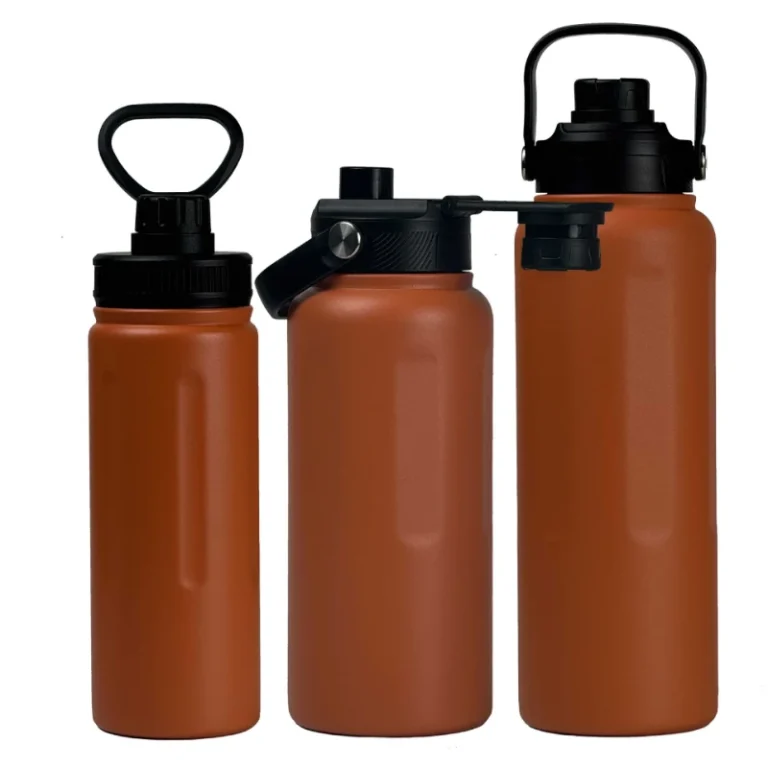
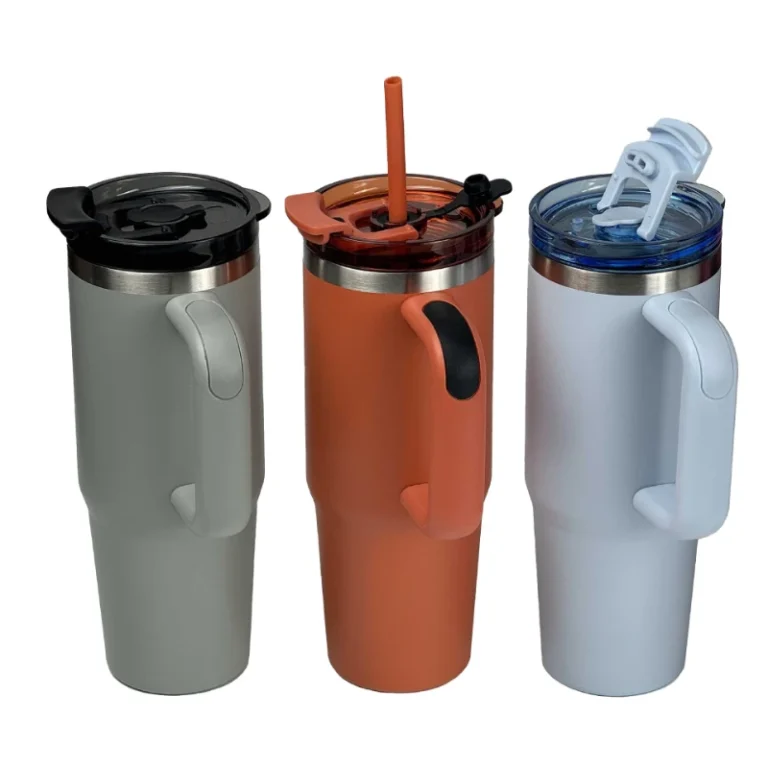
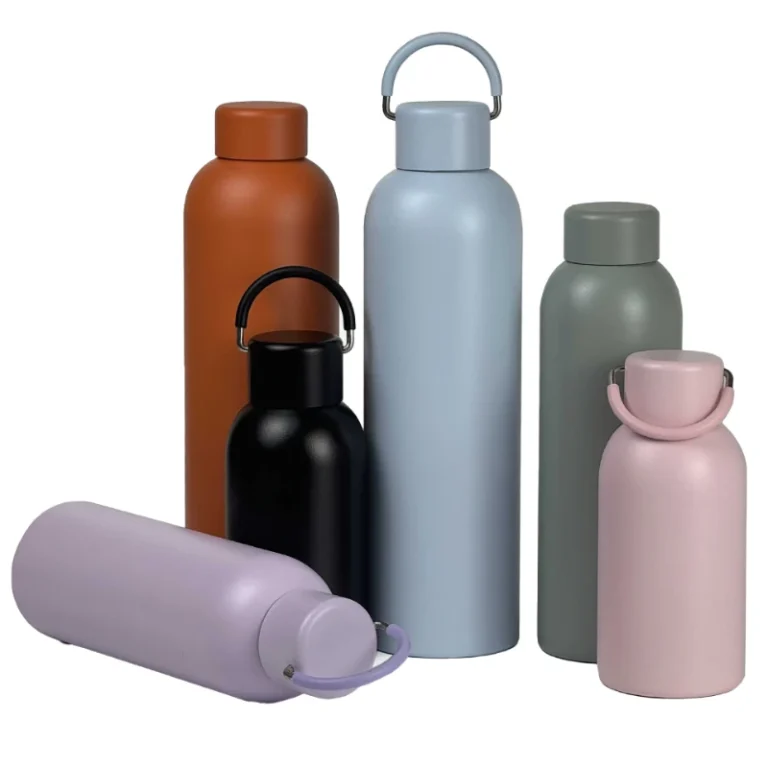
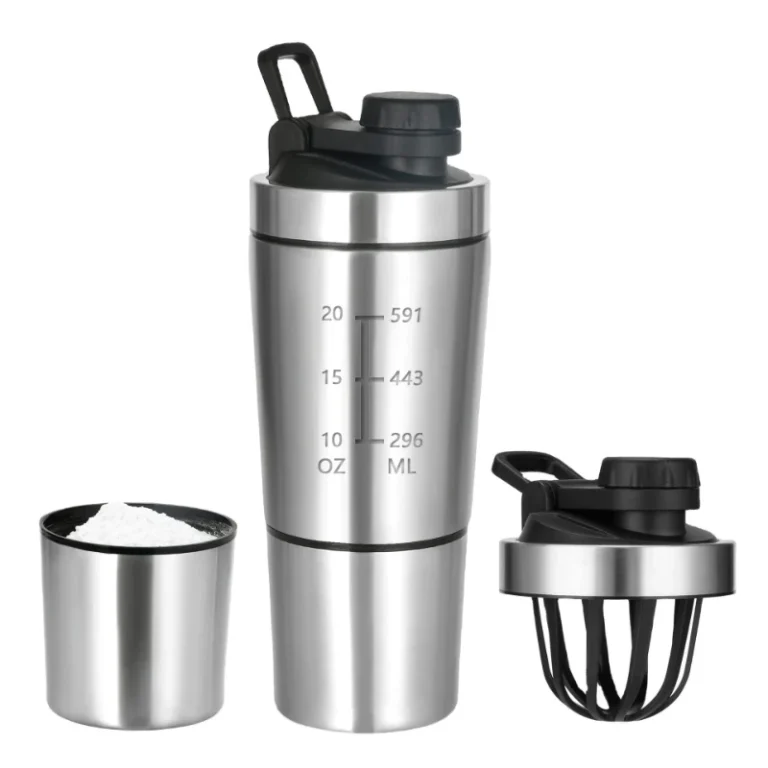
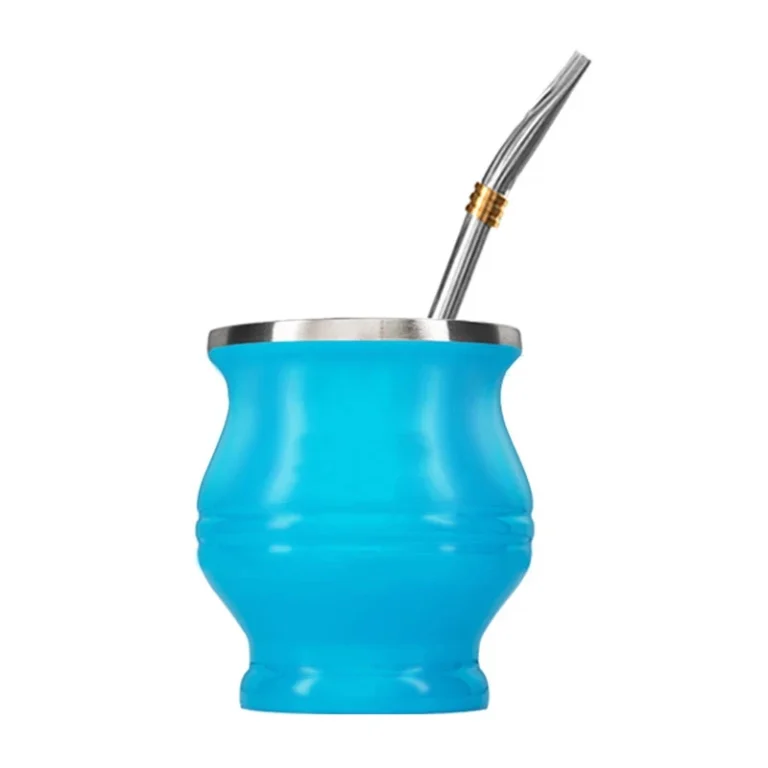
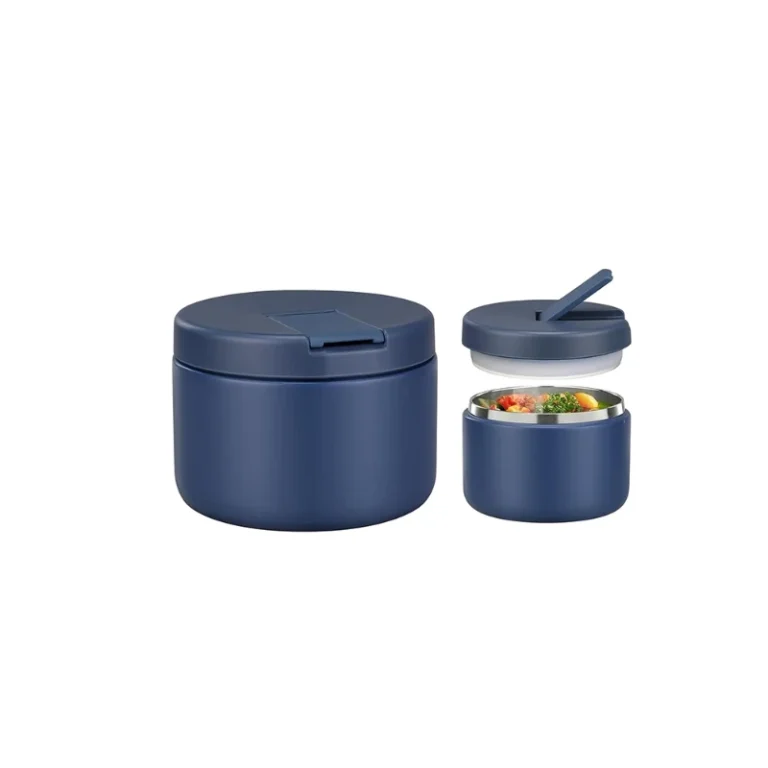
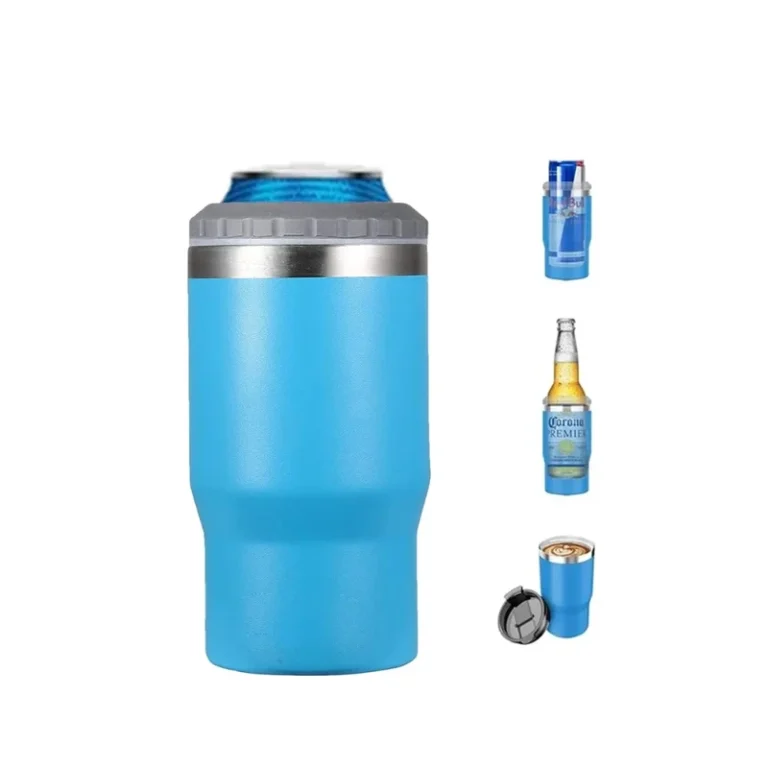
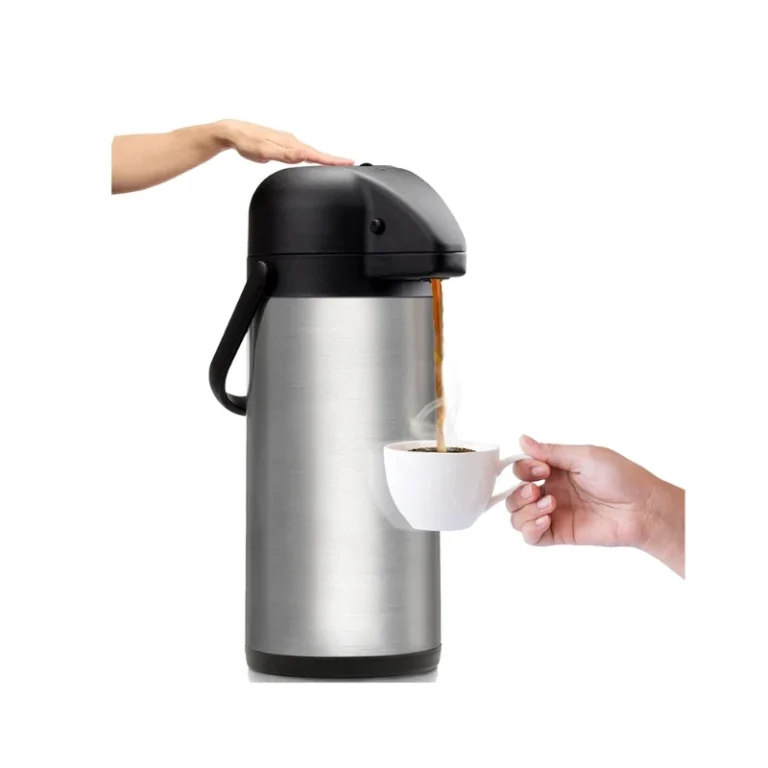
I always try to find the best way to save money and not take big risks with inventory when I buy wholesale tumblers. MOQ is important because it changes how much I spend and how much space I need. Suppliers use MOQ to make production run smoothly, but I see hidden costs like extra shipping or money problems if I buy too much. When I set the right MOQ, I get good deals like discounts for buying more, better money management, and cheaper shipping. It also makes it easier to control my supply chain and helps me earn more profit. I want to share some tips for talking with suppliers and handling inventory that help me avoid common problems.
Learn about Minimum Order Quantity (MOQ) to save money. It helps you manage your inventory well. Always check the MOQ before you talk to suppliers.
Buying a lot at once can get you big discounts. Bigger orders usually make each tumbler cost less. This helps you earn more money.
Do not buy too much by looking at old sales numbers. This stops you from spending money on items that do not sell. It also lowers storage costs.
Make good relationships with suppliers. Trust can help you get better deals. You may get flexible MOQs and better talks.
Use inventory management tools to watch sales and plan orders. This helps you keep the right amount of stock. It also helps you make good choices.
MOQ in Wholesale Tumblers
What Is Minimum Order Quantity?
When I started buying wholesale tumblers, I kept hearing about MOQ. MOQ stands for minimum order quantity. This is the smallest number of units I need to buy from a supplier in one order. If I want to work with a manufacturer, I have to meet their MOQ. This rule helps both sides. I get access to better prices, and the supplier can plan their production.
Tip: I always check the MOQ before I start talking with a new supplier. It saves me time and helps me plan my budget.
Why Suppliers Set MOQ
Suppliers do not pick a random number for MOQ. They set it based on how their factory works. When they make wholesale tumblers, they want to keep their machines running smoothly. If I order too few, they might lose money because they still have to pay for setup and labor. They also need to buy enough raw materials to get a good price. I learned that MOQ helps them cover these costs and avoid waste.
Here’s how MOQ impacts the procurement process for wholesale tumblers compared to other drinkware:
The order quantity changes the price I pay per tumbler.
If I order more, I get a lower price because of economies of scale.
I need to balance buying enough to get a good deal, but not so much that I have too much inventory.
I use supplier reviews and prepare ahead to make sure I pick the right partner.
MOQ, Production Costs, and Order Volume
I noticed that most branded tumbler suppliers set their minimum order quantity at around 100 units. This number works well for me. It is easy to store and manage. If the MOQ was much higher, I would worry about storage and cash flow. When I order more, the supplier can make each tumbler for less money. This is because making a big batch costs less per unit. If I order less, the cost per tumbler goes up, and the supplier might need a higher MOQ to make a profit. I always try to find the sweet spot where I get the best price without taking on too much risk.
MOQ and Cost Savings

Bulk Pricing Benefits
When I buy wholesale products in bulk, I try to get the best price. If I order more, I usually get bigger discounts. I saw price lists where the price drops as I buy more tumblers. Here’s a table that shows how bulk pricing works for wholesale tumblers:
Quantity Range | Discount Percentage | Typical Use Cases |
|---|---|---|
1–10 units | Standard pricing | Samples, gifts |
100–500 units | 2% | Small teams |
500–3000 units | 8% | Classroom sets |
3000–5000 units | 12% | Medium events |
5000-10000 units | 15% | Large events |
I always try to get the biggest discount possible. Buying wholesale products in bulk helps me pay less for each tumbler and make more money.
Setup, Packaging, and Freight Efficiency
Buying wholesale products in bulk saves money in other ways too. I see savings in setup, packaging, and freight. When I order a lot, the supplier keeps their machines running longer. This lowers utility costs. Packaging is better, so my tumblers arrive safe. Shipping costs go down because sending a big batch is cheaper per tumbler than sending small orders. Here’s a table that shows how these things help me save money:
Aspect | Contribution to Cost Savings |
|---|---|
Setup Efficiency | Makes work easier and cuts utility costs. |
Packaging Efficiency | Keeps tumblers safe and makes customers happy. |
Freight Efficiency | Lowers shipping costs and helps set prices. |
I always check these things before I buy wholesale products in bulk. It helps me keep costs low and make sure my tumblers are good quality.
Comparing Order Sizes
I learned that suppliers give different deals based on order size. When I compare, I look at unit price, minimum order, and product quality.
I always think about cost and quality before I buy. Buying wholesale products in bulk helps me get better deals and keeps my costs low. I make sure my moq matches what I need so I don’t have too much inventory or waste money.
Minimum Order Quantity and Inventory Risk
Overstock and Holding Costs
If I buy more tumblers than I can sell, I get stuck with too many. Extra tumblers sit in my warehouse and cost me money. I have to pay for storage and insurance. Sometimes, tumblers go out of style and I lose money. High minimum order quantity can cause this problem. If I guess wrong about how many I will sell, I have leftover stock. I always look at my past sales before I buy. I try not to order too much. Sometimes, I see too many tumblers in my warehouse and wish I bought less. This mistake wastes my money and space.
Cash Flow and Working Capital
It is important for me to manage my cash flow. When I buy a lot of tumblers at once, I need more money right away. High MOQ means I use more of my working capital. I made a table to show how different MOQ types affect my business:
MOQ Type | Pros | Cons |
|---|---|---|
High Minimum Order Qty | Lower per-unit costs because I buy in bulk. | I need to spend a lot of money at first. |
Less chance of running out of stock. | It might take longer for the supplier to deliver. | |
Fewer orders mean less paperwork. | I may need more space for extra tumblers. | |
Low Minimum Order Qty | I do not need as much money to buy. | Each tumbler costs more than in bulk. |
Less risk of having tumblers I cannot sell. | I might run out of stock if sales go up. | |
I can use my money for other things. | More orders and shipping can cost more. |
I always try to keep my cash flow balanced. If I spend too much on inventory, I cannot use money for marketing or new products. I watch my spending and make sure I have money for emergencies.
Seasonal Demand and SKU Management
Demand changes during different times of the year. Holidays and back-to-school time make some tumblers sell fast. If I order too many with high MOQ, I might have leftovers after the season. I try to guess how many I will need and plan ahead. Sometimes, I use pre-orders to make sure I have enough before busy times. I also work with more than one supplier to have choices. Here are some ways I manage different SKUs and lower risk:
I build good relationships with many suppliers.
I use pre-orders during busy times to avoid running out.
I change my plans if there are supply chain problems.
I find backup suppliers in other places for safety.
I always try to lower my risk and keep my inventory new. Managing different SKUs helps me stay ready and avoid losing money from unsold tumblers.
MOQ Strategies for Wholesale Tumblers
When I started buying wholesale tumblers, I realized that setting the right minimum order quantity is not just about picking a number. I need to balance costs, risk, and product quality consistency. Over time, I found a few strategies that help me get the best deals and avoid common mistakes.
Mixed Models and Tiered MOQ
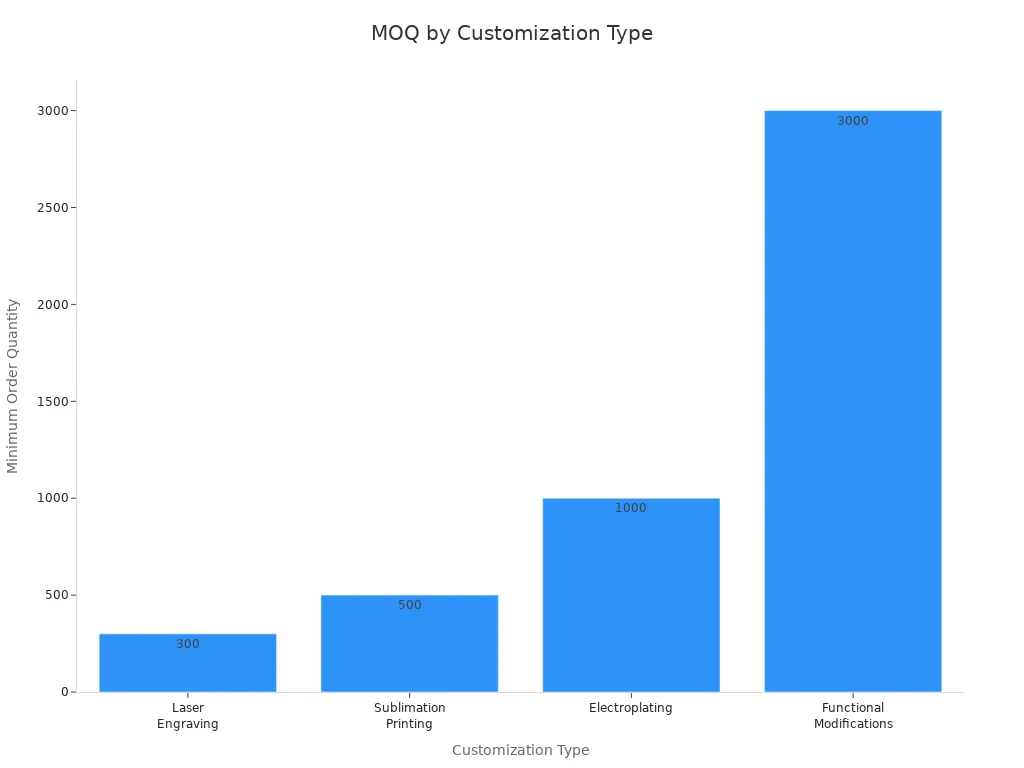
I like using mixed models and tiered MOQ because they give me more options. Some suppliers let me combine different tumbler styles or colors in one order. This helps me test new designs without buying too many of one kind. I also see tiered MOQ tables from suppliers. These tables show how the minimum order quantity changes based on the type of customization or production method.
Here’s a table I use when I compare customization options for wholesale tumblers:
Customization Type | Production Lead Time | Minimum Order Quantity |
|---|---|---|
Laser Engraving (logo/text) | 5–7 days | 100 units |
Sublimation Printing (full-wrap graphics) | 7–10 days | 500 units |
Electroplating (rose gold, gunmetal, matte black) | 10–15 days | 500 units |
Functional Modifications (custom lid mechanisms, integrated straws, size variants) | 25–30 days | 3,000+ units |
I use this table to plan my orders. If I want a simple logo, I can order a smaller batch. If I want a special finish or a new lid design, I need to buy in bulk. This helps me control costs and keep my inventory fresh.
Tiered MOQ also helps me with cost efficiency. When I order more than 1,000 units, I see the unit price drop by 15–25%. I always check the total cost of ownership, not just the price per tumbler. I look at setup fees, shipping, and how often I need to reorder. Here’s a table I use to compare these details:
Aspect | Details |
|---|---|
Total Cost of Ownership | Calculate using MOQ, per-unit pricing, and shipping costs. |
Bulk Pricing Tiers | Orders above 1,000 units reduce unit cost by 15–25%. |
Customization Fees | Factor in setup charges for logo printing. |
Reorder Frequency | Assess to optimize stock levels and turnover. |
I like transparent pricing structures. They make it easy for me to see where my money goes. I can plan better and avoid surprises.
Flexible MOQ for Custom Orders
Sometimes, I want to try a new design or test a market. I look for suppliers who offer flexible MOQ for custom orders. This means I can order a smaller batch and see how it sells. I do not have to worry about getting stuck with too much inventory or wasting money.
Here’s what I like about flexible MOQ:
I can test new products with less risk.
Startups and small businesses can join bulk wholesale transactions without spending too much.
Corporate clients can order special tumblers for events or gifts.
Suppliers get more orders from different buyers, which helps them grow.
Flexible MOQ helps me keep my costs low and my product quality consistency high. I can focus on product quality and customer feedback. If a design works, I order more next time. If not, I try something new.
Phased and JIT Ordering
I use phased ordering when I want to spread out my purchases. I do not buy everything at once. I place a small order first, then reorder as I sell. This keeps my warehouse clear and my cash flow healthy. I do not tie up all my money in inventory.
Just-in-Time (JIT) ordering is another strategy I use. I only order what I need, when I need it. This works well for wholesale products in bulk that sell fast or have steady demand. JIT helps me avoid overstock and holding costs. I do not worry about old tumblers taking up space or losing value.
Tip: I always talk with my suppliers about phased and JIT options. Some suppliers offer better deals if I commit to a series of orders. This keeps my costs down and my shelves stocked with fresh wholesale products in bulk.
I use these strategies to manage risk and keep my business flexible. I can react to trends, test new ideas, and keep my product quality consistency strong. When I combine mixed models, tiered MOQ, flexible custom orders, and phased buying, I get the best results for my wholesale tumblers business.
Inventory Tools for MOQ Optimization
Demand Forecasting
I always begin with demand forecasting when I plan inventory. I check my old sales and look at market trends. I also ask customers what they want to buy. This helps me guess how many wholesale products in bulk I need each season. If I notice more tumbler sales in summer, I order more bulk tumblers before that time. I use simple spreadsheets and sometimes online tools to see sales patterns. Demand forecasting stops me from buying too much or too little. I can change my MOQ and avoid extra stock.
Note: I ask suppliers for sales data and use it to make better choices. This makes my inventory management strategy stronger.
Inventory Management Software
Inventory management software changed how I handle wholesale products in bulk. I use software to track every SKU and see which tumblers sell fastest. The software helps me keep SKUs separate by sales channel, so I do not mix up orders. I can set flexible MOQ for new products and test them without big risks. The software also tells me when to reorder, so I never run out of bulk tumblers.
Here’s a table that shows how inventory management software helps me lower risk and make better MOQ decisions:
Strategy | Description |
|---|---|
SKU Separation | Keeping SKUs separate by sales channel helps manage complexity and stops mistakes in orders. |
Flexible MOQ | Using flexible MOQ lets businesses test products with less risk before buying more. |
Inventory Optimization | Keeping the right amount of inventory lowers the chance of having too much or too little, so there is less money risk. |
I use these features to keep my wholesale inventory management easy. The software makes it simple to see what wholesale products in bulk I need and when to buy more.
Case Examples of MOQ Success
I remember when I first used inventory management software for my tumbler business. I wanted to sell a new color but worried about buying too much. I set a flexible MOQ and watched sales with the software. The new color sold well, so I ordered more bulk tumblers next time. Another time, I kept SKUs for online and store sales separate. This stopped mistakes and made orders faster. I kept the right amount of inventory and did not have too much. My cash flow got better, and I could buy more wholesale products in bulk.
Tip: Try using inventory management software for your next bulk order. It helps you make smarter MOQ choices and keeps your business growing.
Negotiating MOQ with Suppliers
When Suppliers Are Flexible
I found out that not all suppliers have strict moq rules. Some will talk with me, especially if I am new or want to try different tumbler styles. I always ask if they can lower the minimum or let me mix products in one order. Here are some things I look for when I want more choices:
Some suppliers let new buyers order less or mix items in one shipment.
Bigger orders usually cost less per tumbler, but I need to know my sales first.
If the minimum is high, it can take longer to make my order, so I plan ahead.
I check supplier websites and see many offer flexible deals for all kinds of businesses. This helps me take less risk and try new products without spending too much.
Evidence Description | Source |
|---|---|
Minimum order quantities available with flexible terms for businesses of all sizes. | Tumbler Manufacturer |
Low MOQ to reduce your risk. | Tumbler Manufacturer |
This flexible MOQ allows both emerging private label brands and large retail chains to scale efficiently. | Insights Center |
Leveraging Long-Term Partnerships
Having a good relationship with my supplier helps a lot. When I work with the same company for a long time, we trust each other more. I get answers faster and can talk about better deals. This trust helps me ask for lower minimums or better prices. I also see that regular updates and quick fixes make things easier. Clear payment rules and good order habits help both sides. I always pick reliable suppliers because it keeps my business safe.
Long-term partnerships make talking and deals easier.
Trust helps me get better prices and more choices.
Good order and payment habits make future deals simple.
Combining SKUs to Meet MOQ
Sometimes, I want to buy different tumbler styles but not a lot of each one. I ask my supplier if I can mix different SKUs to reach the minimum. This lets me try new colors or designs without buying too much. I always check if the supplier allows this before I order. Mixing SKUs is a smart way to meet the moq and keep my inventory new.
Tip: Always ask your supplier if you can mix SKUs in one order. It can save money and help you try new products without extra risk.
I learned that balancing cost and inventory risk makes my wholesale tumblers business stronger. Here’s what works for me:
I define what I want—size, material, and branding—before I talk to suppliers.
I check supplier performance and ask for samples.
I start with small orders and grow when I trust the process.
Criteria | My Target |
|---|---|
On-time delivery rate | 95% or higher |
Response time | 4 hours max |
Reorder rate | High |
I always review my MOQ strategy and use these tips to keep my business moving forward.
FAQ
What is the best way to set MOQ for wholesale tumblers?
I look at my sales history and talk with suppliers. I start small and increase orders when I see steady demand. This helps me avoid buying too many tumblers and keeps my costs low.
How can I lower inventory risk when buying wholesale tumblers?
I use inventory software to track sales. I order in phases and ask suppliers if I can mix different styles in one order. This keeps my warehouse clear and lets me test new designs.
Can I negotiate MOQ with suppliers?
Yes, I always ask suppliers if they can lower the minimum or let me combine SKUs. Building a good relationship helps me get flexible deals and try new products without spending too much.
What happens if I order more tumblers than I can sell?
Extra tumblers sit in my warehouse and cost me money. I pay for storage and risk losing money if styles change. I check sales trends before I place big orders.
Do suppliers offer flexible MOQ for custom designs?
Some suppliers let me order smaller batches for custom designs. I use this option to test new colors or logos. If the design sells well, I will order more next time.