 Portuguese
  English
  Spanish
  Arabic
  German
  Russian
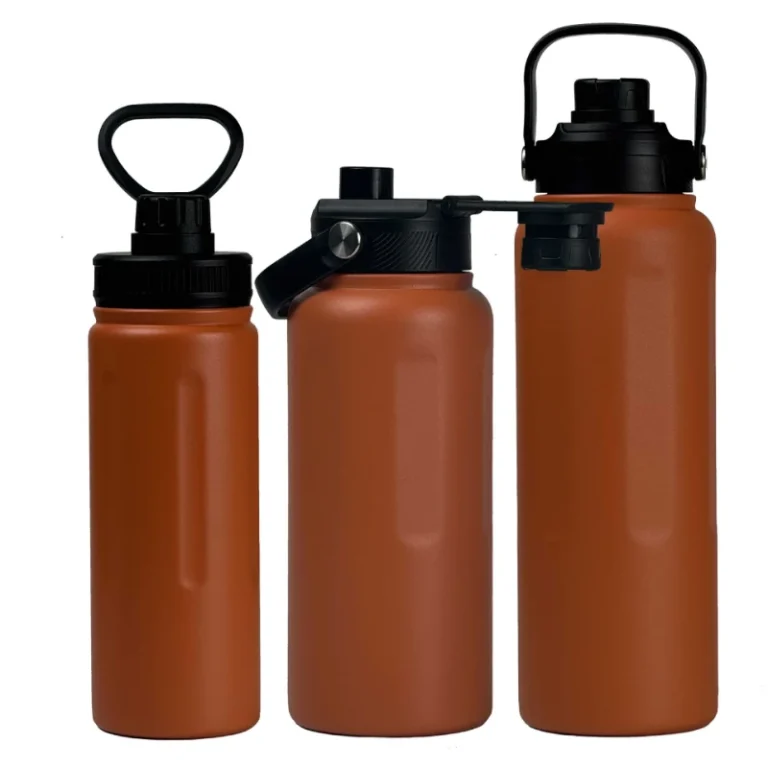
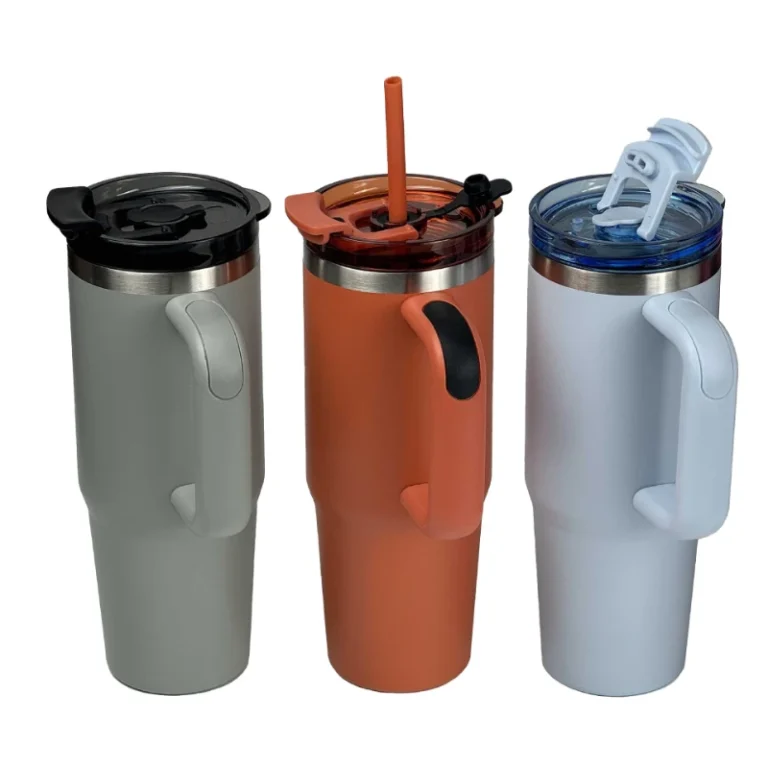
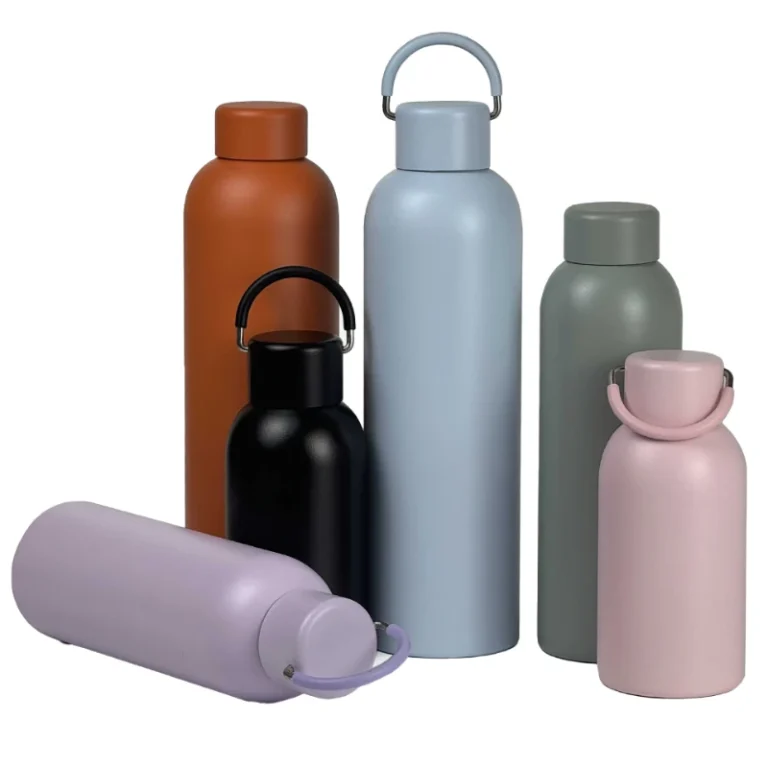
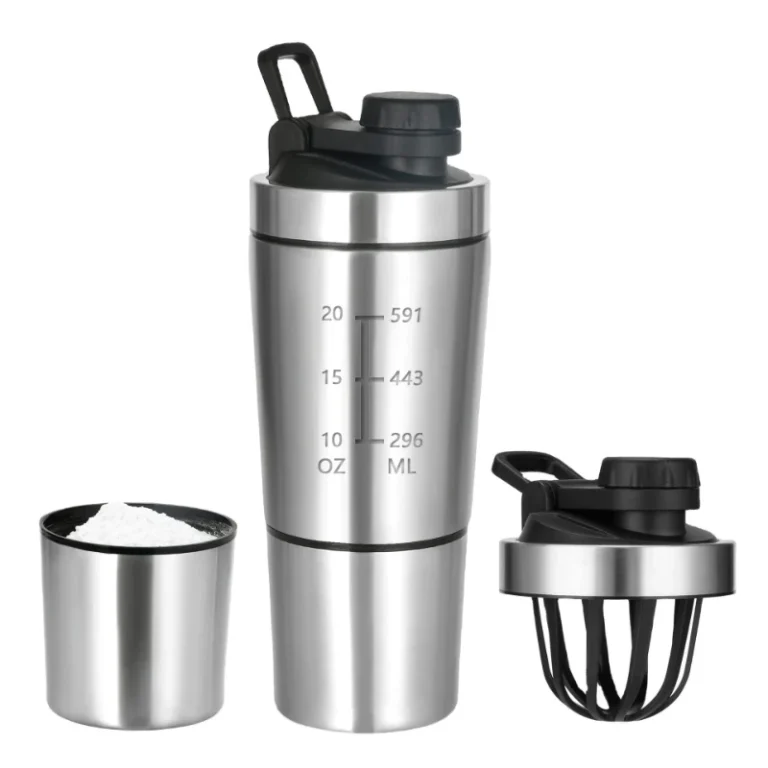
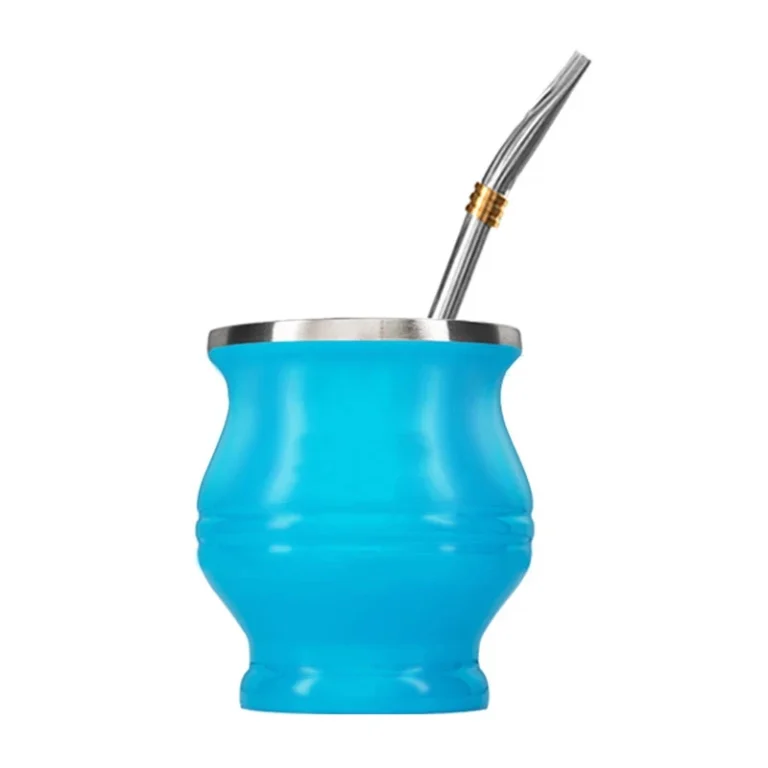
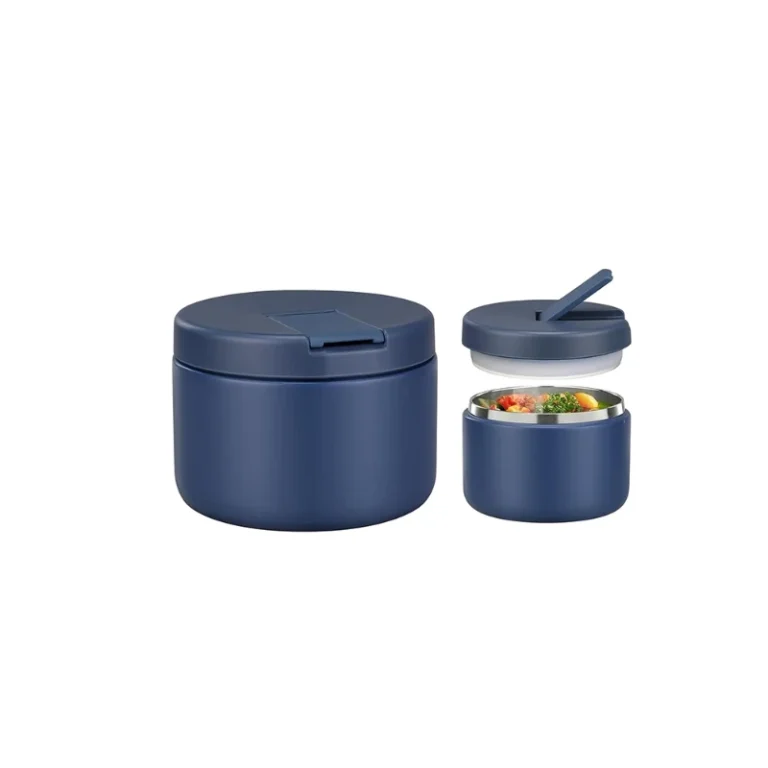
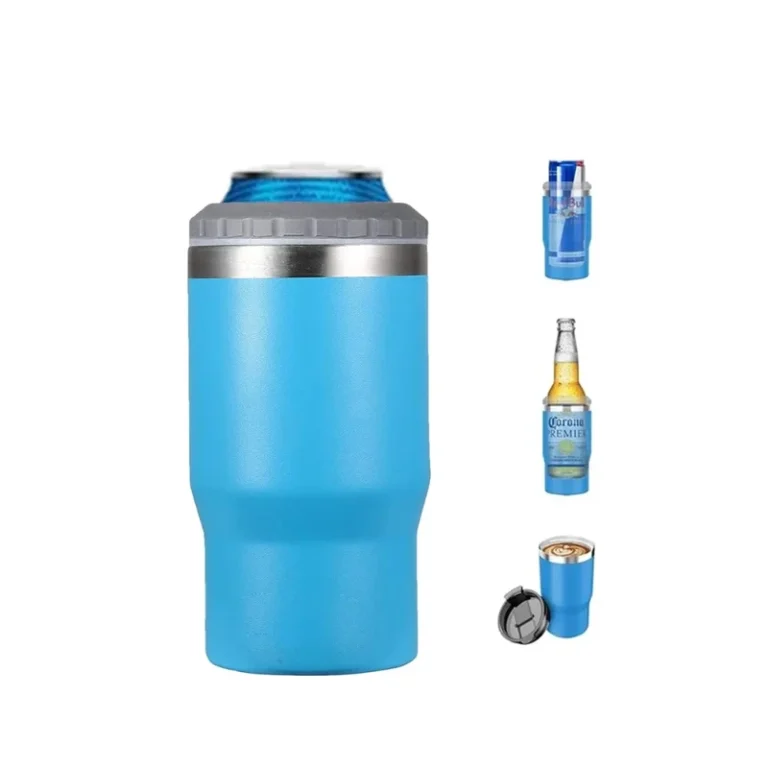
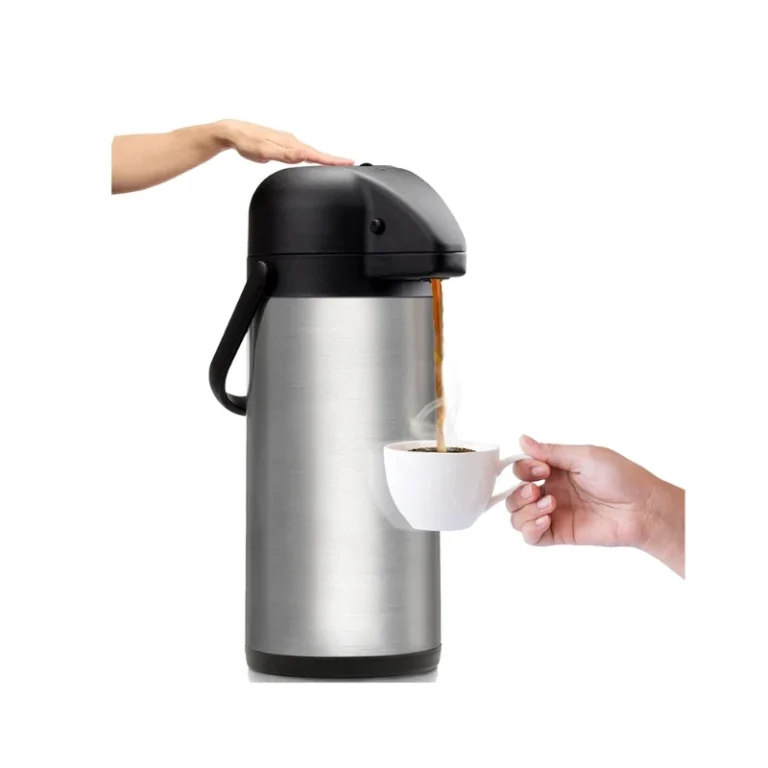
Todos os dias, pega na sua caneca ou garrafa de água favorita e confia nela para manter as suas bebidas seguras. Muitas pessoas não se apercebem dos riscos associados aos problemas comuns dos copos e garrafas, que podem afetar a sua saúde e segurança. Pequenas mudanças na forma como escolhe e cuida dos seus copos e garrafas podem ajudá-lo a evitar toxinas nocivas e outros problemas relacionados com os problemas comuns da loiça para beber.
Sugestão: Comece por verificar se os seus copos estão danificados ou se têm cheiros estranhos. Este hábito simples ajuda-o a detetar precocemente problemas comuns com os copos, contribuindo para uma hidratação mais saudável e paz de espírito.
Porque é que as questões relacionadas com os copos são importantes para os vendedores da Amazon
Elevadas taxas de retorno na categoria de copos
Vender artigos para bebidas na Amazon é difícil. Muitos clientes devolvem os artigos. Isto acontece por diferentes razões.
-
Os copos de vinho podem partir-se na haste se estiver mal embalado.
-
As canecas Stanley foram recolhidas porque as tampas podiam queimar as pessoas.
Estes problemas perturbam os compradores e custam-lhe dinheiro. É necessário estar atento a Problemas comuns com copos. Isto ajuda a manter as devoluções baixas e os clientes satisfeitos.
Como os defeitos dos produtos afectam as avaliações e a classificação
Os defeitos prejudicam rapidamente a sua reputação. Os compradores recebem artigos avariados e deixam más críticas. As más críticas baixam a classificação do vendedor. A sua classificação na Amazon desce. Deve verificar a taxa de defeitos das encomendas (ODR). Um ODR elevado torna os seus produtos mais difíceis de encontrar. Boas classificações ajudam-no a vender mais. A correção de defeitos e críticas mantém-no na vanguarda.
Sugestão: Responda rapidamente às críticas negativas. Mostre aos compradores que se preocupa e quer ajudar.
A importância do controlo de qualidade e de parceiros OEM fiáveis
É possível reduzir os defeitos selecionando bons parceiros OEM. Estes parceiros utilizam um forte controlo de qualidade. Testam amostras e procuram problemas numa fase inicial. Utilizam bibliotecas de design para evitar erros de molde. A tabela abaixo mostra como os bons parceiros ajudam:
|
Ponto de prova |
Descrição |
|---|---|
|
Controlo de qualidade consistente |
Os bons fabricantes corrigem os defeitos no início da produção. |
|
Prototipagem e testes |
Testam amostras para encontrar problemas antes de fabricarem muitos artigos. |
|
Otimização da conceção |
Utilizam designs inteligentes para acabar com os problemas de bolor. |
A escolha de bons parceiros e o controlo da qualidade protegem a sua marca. Também mantém os seus clientes seguros.
Problema 1 - Tampas com fugas
Causas comuns
As tampas com fugas podem frustrá-lo e prejudicar a sua confiança num produto. Pode notar derrames quando transporta a sua garrafa ou caneca num saco. Vários factores contribuem para este problema. Deve estar atento a estas causas comuns:
-
Fecho incorreto da tampa conduz frequentemente a fugas e derrames.
-
As falhas de conceção da tampa podem impedir um encaixe perfeito, permitindo a fuga de líquido.
-
Os defeitos de fabrico podem criar lacunas ou fissuras na tampa.
-
O desgaste ao longo do tempo pode degradar os vedantes, tornando as fugas mais prováveis.
Pode detetar estes problemas atempadamente, verificando os seus artigos para bebidas antes de cada utilização. Muitos dos problemas mais comuns dos artigos para bebidas começam com pequenos defeitos que se agravam com o tempo.
Como corrigir
Pode reparar uma tampa com fugas seguindo alguns passos simples. Primeiro, inspeccione o anel de silicone ou a junta no interior da tampa. Se vir fissuras ou desgaste, substitua o anel por um novo. Limpe a tampa e o anel com água morna e sabão neutro para remover os resíduos. Certifique-se de que fecha bem a tampa sempre que a utiliza. Se a tampa continuar a verter, contacte o fabricante para obter uma peça de substituição ou o apoio da garantia.
Dica: Teste sempre a tampa com água antes de a utilizar para bebidas quentes. Isto ajuda a evitar queimaduras e derrames desagradáveis.
Como se prevenir para encomendas FBA
Maior tolerância de tamanho do anel de silicone
Quando encomendar artigos para beber para a Fulfillment by Amazon (FBA), deve solicitar ao seu fornecedor uma tolerância maior para o tamanho do anel de silicone. Isso garante que o anel se encaixe perfeitamente e reduz o risco de vazamentos. Peça ao seu fornecedor para medir e verificar o tamanho do anel para cada lote.
Teste de pressão à prova de fugas
Pode exigir testes de pressão à prova de fugas para cada expedição. Este teste verifica a existência de fugas em cada tampa antes de os produtos chegarem aos clientes. Os fornecedores de confiança efectuam este teste e partilham os resultados consigo. Este passo ajuda-o a evitar devoluções e mantém a reputação da sua marca forte.
Problema 2 - Pintura a descascar ou a riscar
Causas
A tinta pode descascar ou riscar após algumas utilizações. Isto acontece frequentemente devido à forma como a superfície é acabada. Algumas formas tornam a tinta mais fraca. Eis as principais causas:
-
A pintura líquida por pulverização dá muitos visuais, mas desgasta-se rapidamente.
-
A pulverização pode desbotar, descascar ou riscar com o passar do tempo.
-
A utilização incorrecta ou a lavagem frequente faz com que os danos ocorram mais cedo.
-
A luz solar ou produtos químicos fortes podem enfraquecer a tinta.
O revestimento em pó é uma melhor escolha. Adere bem ao aço inoxidável. Não risca nem lasca facilmente. Verá que descasca menos com os artigos para bebidas revestidos a pó, mesmo que os utilize todos os dias.
Correcções
Pode reparar pequenos riscos com um pano macio. Esfregue suavemente a área. Se a tinta descascar, deixe de utilizar o objeto. Substitua-o ou contacte o fabricante. Poderá obter uma garantia se isso acontecer pouco tempo depois da compra. Se vir flocos de tinta no interior, não o utilize. Os flocos de tinta podem significar problemas mais graves com os copos. Estes podem prejudicar a sua saúde.
Dica: Procure sempre danos na pintura antes de utilizar os seus copos. Isto ajuda-o a evitar comer flocos de tinta.
Medidas preventivas
Escolha copos com revestimento em pó para evitar que descasquem ou risquem. Este acabamento dura mais tempo e resiste a danos. Pergunte ao seu fornecedor como é feito o acabamento do produto. Procure artigos que cumpram as normas de aderência da tinta.
Ensaio de aderência (ensaio de corte transversal)
Os fabricantes utilizam o teste de corte transversal para verificar a aderência da tinta. Cortam pequenas linhas na tinta e verificam se esta descasca. A ASTM International tem regras para o vidromas não para os copos de aço inoxidável ou de plástico. Pode pedir ao seu fornecedor que efectue este teste. Ele ajuda a garantir que os seus produtos são de alta qualidade.
|
Processo de fabrico |
Problemas associados ao descasque/riscos da tinta |
|---|---|
|
Pulverização |
Pode desbotar, descascar ou riscar com o tempo. |
|
Pintura líquida por pulverização |
Dá muitos acabamentos, mas desgasta-se rapidamente. |
|
Revestimento em pó |
Resiste a riscos e lascas; não descasca com a utilização normal. |
Nota: O revestimento em pó adere bem ao aço inoxidável. Não descasca com a utilização normal. Isto faz com que seja uma boa escolha para os utensílios de bebida que são muito lavados ou que ficam expostos à luz solar.
Problema 3 - Ferrugem ou cheiro metálico
Causas
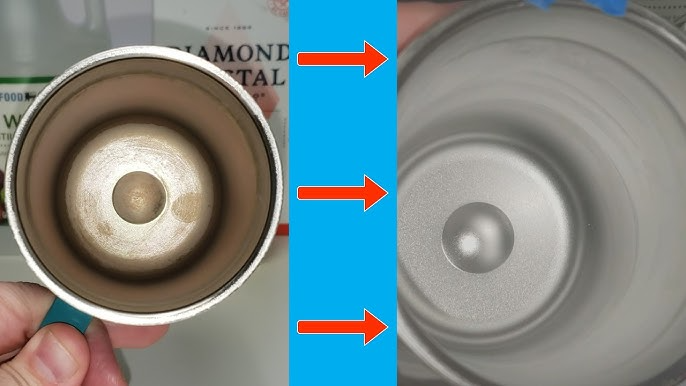
Por vezes, os seus copos podem cheirar a metal ou ficar enferrujados. Isto acontece quando o aço inoxidável entra em contacto com água, calor ou bebidas ácidas muitas vezes. A ferrugem e a mancha podem aparecer rapidamente, especialmente se viver perto do oceano ou se utilizar garrafas no exterior. A ferrugem pode fazer com que as suas bebidas fiquem com mau gosto e dar-lhes um sabor estranho.
-
O aço inoxidável enferruja quando fica húmido e quente.
-
As bebidas ácidas, como o sumo ou o refrigerante, fazem com que a ferrugem apareça mais rapidamente.
-
O ar salgado perto da costa torna a ferrugem mais provável.
-
A ferrugem e as manchas tornam as bebidas com cheiro e sabor metálicos.
Se notar estes problemas, é porque tem problemas comuns com o serviço de bebidas. Estes problemas podem alterar o sabor das suas bebidas e afetar a segurança.
Fixar
Para limpar pequenos pontos de ferrugemUtilize bicarbonato de sódio e água para fazer uma pasta. Esfregue suavemente a parte enferrujada com um pano macio. Enxagúe bem e seque imediatamente o seu objeto de bebida. Se o cheiro metálico persistir, coloque a garrafa de molho em vinagre e água durante algumas horas. Seque sempre as suas garrafas e canecas após a lavagem. Se a ferrugem continuar a aparecer, compre uma garrafa de aço inoxidável melhor.
Dica: Não deixe bebidas na sua garrafa durante a noite. Isto ajuda a evitar a ferrugem e mantém os objectos de bebida frescos.
Prevenção para compradores OEM
Escolher o aço inoxidável direito impede a ferrugem e os maus cheiros. Peça ao seu fornecedor para verificar o material antes de fabricar os seus produtos. Dois tipos comuns são o aço inoxidável 304 e 316. O aço inoxidável 304 não enferruja facilmente e funciona para a maioria das bebidas. O aço inoxidável 316 tem molibdénio, que ajuda a combater os ácidos e o sal. Isto torna o 316 bom para locais difíceis ou perto do oceano.
|
Grau de aço inoxidável |
Resistência à corrosão |
Caraterísticas principais |
|---|---|---|
|
304 |
Bom |
De qualidade alimentar, resiste a bebidas comuns |
|
316 |
Excelente |
Reforçado com molibdénio, resiste a cloretos e a ambientes agressivos |
Ensaio do material (verificação 304/316)
Peça ao seu fabricante para efetuar um teste de material para verificar o tipo de aço inoxidável. Isto garante que os seus copos são seguros e têm menos probabilidades de enferrujar. Os bons fornecedores fornecem-lhe relatórios de teste para cada lote. Pode utilizar estes relatórios para verificar a qualidade e evitar problemas comuns com os copos antes de os vender.
Problema 4 - Mossas ou deformações
Causas
Os seus copos podem ficar amolgados devido ao transporte ou à utilização diária. Os danos ocorrem frequentemente quando os artigos são deslocados ou armazenados. Máquinas rápidas nas fábricas pode causar mais amolgadelas. Caixas fracas ou mau acondicionamento pioram a situação. Tenha cuidado com estas causas comuns:
-
As caixas finas podem partir-se se forem empilhadas demasiado alto.
-
Os cantos afiados podem ficar dobrados nos centros de triagem.
-
Os trabalhadores podem deixar cair garrafas ou canecas por engano.
-
As paletes em mau estado podem deslocar-se e esmagar artigos.
-
Trabalhadores sem formação podem empilhar coisas de forma errada.
Artigos para bebidas fabricados com metais maciosO alumínio, tal como o alumínio, amolga-se facilmente. As mossas não são apenas uma questão de aparência. Podem causar fugas ou tornar a loiça insegura. As amolgadelas e a deformação são problemas comuns dos artigos para bebidas. Prejudicam a qualidade e a confiança dos clientes.
Fixar
Nem sempre é possível reparar mossas ou objectos de bebida dobrados. Se vir uma mossa, verifique se há fugas. As amolgadelas pequenas podem ser boas, mas as grandes podem partir a garrafa. Se vir fissuras ou fugas, deixe de a utilizar. Contacte o vendedor para obter uma nova garrafa se esta chegar danificada. A maioria das marcas dá uma garantia para danos de transporte.
Sugestão: Verifique os seus novos objectos para beber quando chegarem. Comunique imediatamente a existência de amolgadelas ou partes dobradas para uma rápida reparação.
Prevenção para vendedores da Amazon
É possível eliminar as mossas utilizando melhor embalagem e manuseamento cuidadoso. Utilize caixas resistentes de parede dupla para maior proteção. Colocar plástico de bolhas ou espuma dentro das caixas para evitar choques. Certifique-se de que o peso está distribuído por cada caixa. Treine a sua equipa para manusear os copos com cuidado.
Requisitos do ensaio de queda
Defina regras de teste de queda para os seus fornecedores. Um teste de queda verifica se a caixa mantém os copos seguros quando caem. Peça aos fornecedores que utilizem caixas resistentes e embalagens extra. O quadro seguinte mostra formas de reduzir os danos:
|
Método |
Descrição |
|---|---|
|
Técnicas de sobre-embalagem |
Coloque a caixa de cartão numa caixa maior e preencha os espaços vazios com materiais macios para impedir a agitação. |
|
Limitar o espaço vazio |
Certifique-se de que os artigos ficam bem ajustados para não se moverem ou partirem. |
|
Utilizar caixas resistentes |
Escolha caixas resistentes que aguentem as mudanças e as condições climatéricas. |
|
Espuma expansível |
Utilize espuma que cresça para encher a caixa e proteger os objectos para beber. |
Também pode utilizar almofadas de ar, amendoins soltos ou espuma para maior segurança. Estes passos ajudam-no a evitar problemas comuns com a loiça para bebidas e a manter os compradores satisfeitos.
Problema 5 - Avaria da palhinha ou do bico
Causas
Os problemas com palhinhas e bicos podem estragar o seu dia. Poderá ver fugas ou ter dificuldade em beber. Muitas coisas podem causar estes problemas:
-
O anel de vedação pode ficar fraco ou deslocar-se, o que provoca fugas.
-
As alterações de temperatura podem empurrar o líquido para fora da palhinha.
-
Se a palhinha não estiver bem alinhada ou se estiver gasta, pode haver fugas.
-
Sacos ou outros objectos que pressionem a garrafa podem fazer com que o líquido se derrame.
-
Com o tempo, a palhinha e o bico podem ficar cansados e deixar de funcionar bem.
Verifique frequentemente o seu serviço de bebidas para detetar estes problemas comuns. A deteção precoce de problemas ajuda-o a manter as suas bebidas seguras.
Fixar
Para reparar problemas de palhinha ou bico, observar atentamente cada uma das partes. Retire a palhinha e lave-a com água morna e sabão. Verifique se o anel de vedação apresenta fissuras ou danos. Se houver problemas, compre novos anéis ou palhinhas ao fabricante. Certifique-se de que a palhinha está alinhada antes de fechar a tampa. Se continuarem a ocorrer fugas, peça ajuda ao serviço de apoio ao cliente. Teste sempre os seus copos com água antes de utilizar bebidas quentes ou pegajosas.
Dica: Mantenha as garrafas em pé e não as aperte em sítios apertados. Isto ajuda a evitar fugas devido à pressão.
Prevenção
Escolher o melhor material para a palhinha faz com que o seu objeto dure mais tempo. Procure garrafas com palhinhas fortes e inteligentes. Os fabricantes testam a dureza das palhinhas para se certificarem de que funcionam bem. A tabela abaixo mostra como diferentes materiais de palha comparar:
|
Material |
Caraterísticas de segurança |
Caraterísticas de durabilidade |
|---|---|---|
|
Vidro |
Seguro, sem BPA, suporta o calor, não é tóxico, pode ir à máquina de lavar louça |
Resistente, não se parte em pedaços, dura anos |
|
Aço inoxidável |
Suave, seguro para os dentes, pode ir à máquina de lavar louça, bom para o planeta |
Resistente, não se parte nem se dobra facilmente |
|
Papel |
Bom para a terra, fica macio quando molhado |
Rigid Fiber™ ajuda-o a manter a sua forma nas bebidas |
Ensaio de dureza da palha
Os fabricantes testam a dureza das palhinhas para ver se duram. Pergunte ao seu fornecedor sobre os seus testes. Bons testes ajudam a travar os problemas comuns dos artigos para bebidas e fazem com que os seus artigos durem mais tempo.
Problema 6 - Problemas de desempenho do isolamento
Causas
Os problemas de isolamento fazem com que as bebidas percam calor ou frio rapidamente. O seu café pode arrefecer rapidamente. A sua água gelada pode ficar quente antes do almoço. Muitos factores causam este problema. O material da garrafa é o mais importante. Aço inoxidável com parede dupla de vácuo mantém as bebidas quentes ou frias durante mais tempo. As garrafas de vidro e de cerâmica funcionam, mas não isolam tão bem. Um selo solto ou quebrado deixa escapar o calor. Verifique frequentemente a tampa e o anel de vedação. O tamanho da garrafa também é importante. As garrafas pequenas mantêm melhor as bebidas à temperatura correta. Têm menos área para a fuga de calor. O clima também afecta o isolamento. O tempo frio faz com que as bebidas arrefeçam mais rapidamente. Com o tempo, a camada de vácuo no interior da garrafa pode enfraquecer. Isto diminui a eficácia do seu funcionamento. Se não limpar a garrafa, podem acumular-se coisas no seu interior. Isto piora o isolamento.
|
Fator |
Explicação |
|---|---|
|
Material do frasco de vácuo |
O aço inoxidável com parede dupla a vácuo funciona melhor. O vidro e a cerâmica isolam menos eficazmente. |
|
Desempenho de vedação |
Um selo apertado mantém o calor no interior. Os selos soltos ou danificados deixam escapar o calor. |
|
Capacidade da garrafa |
As garrafas mais pequenas isolam melhor. As garrafas maiores retêm mais calor, mas podem perdê-lo mais rapidamente. |
|
Temperatura ambiente |
O tempo frio acelera a perda de calor. Os climas moderados ajudam os biberões a reter a temperatura. |
|
Duração da utilização |
O isolamento pode enfraquecer com o tempo à medida que a camada de vácuo se altera. |
|
Limpeza |
Os resíduos no interior da garrafa reduzem o isolamento. Limpar regularmente. |
|
Tamanho da boca da garrafa |
As bocas estreitas mantêm melhor o calor. As bocas largas são mais fáceis de limpar mas perdem calor mais rapidamente. |
|
Temperatura inicial do líquido |
As bebidas mais quentes perdem calor mais rapidamente no início. As bebidas ligeiramente mais frias podem manter-se quentes durante mais tempo. |
Fixar
Pode melhorar o isolamento controlo de fugas. Limpe o seu biberão com frequência. Substitua imediatamente os vedantes ou as tampas velhas. Se a sua garrafa continuar a perder calor rapidamente, compre uma nova. Escolha garrafas de aço inoxidável com parede dupla a vácuo para obter melhores resultados. Teste sempre a sua garrafa com água quente ou fria antes de viajar.
Sugestão: Aqueça a garrafa com água quente ou arrefeça-a com água gelada antes de a encher. Isto ajuda a manter a bebida quente ou fria durante mais tempo.
Prevenção
Requisitos para o ensaio de vácuo
Peça ao seu fornecedor que efectue um teste de vácuo para cada lote. Este teste verifica se a camada de vácuo funciona bem. Uma boa camada de vácuo mantém as bebidas quentes ou frias durante horas. Os fornecedores de confiança dar-lhe-ão os resultados dos testes.
Norma de ensaio de temperatura
Deve saber quanto tempo a sua garrafa mantém as bebidas quentes ou frias. Marcas de topo como a Zojirushi e a Thermos estabelecem padrões elevados. As canecas Zojirushi mantêm as bebidas quentes até 9 horas em tempo frio. As garrafas Thermos duram 11 horas em climas mais amenos. As Yeti Ramblers mantêm o calor durante cerca de 5 horas à temperatura ambiente. Outras garrafas podem durar apenas 3 horas.
|
Nome do produto |
Condições |
|
|---|---|---|
|
Caneca inoxidável Zojirushi SM-SF48 |
9 |
Condições de frio |
|
Garrafa térmica de aço inoxidável Diret Drink |
11 |
Temperaturas mais amenas |
|
Yeti Rambler |
5 |
Temperatura ambiente |
|
Outros produtos |
3 |
Varia |
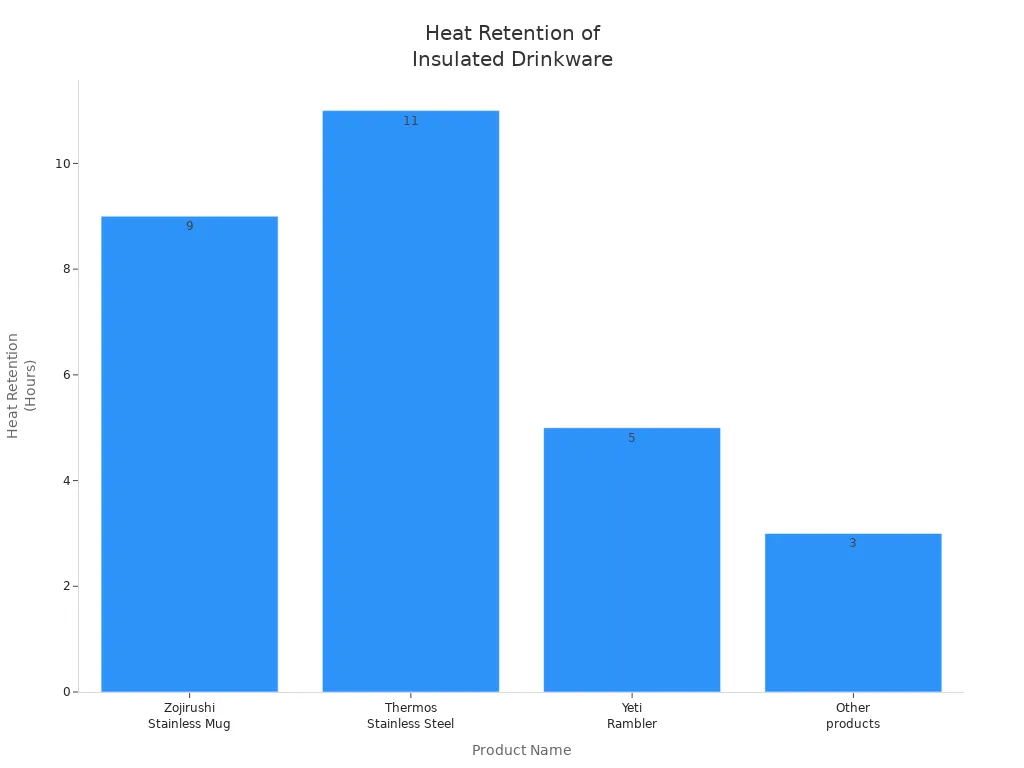
Pode evitar problemas comuns com a loiça para beber escolhendo garrafas que cumpram estas normas. Peça sempre relatórios de testes antes de comprar.
Problema 7 - Odor estranho a plástico
Causas
Por vezes, as garrafas ou os copos de plástico novos têm um cheiro estranho. Este cheiro provém dos químicos deixados após o fabrico dos copos. Estes produtos químicos podem dar mau sabor às bebidas. Podem até prejudicar a sua saúde se usar a garrafa todos os dias. Os químicos mais comuns são os compostos orgânicos voláteis e os restos de aditivos. O quadro seguinte mostra quais os produtos químicos que provocam estes odores:
|
Tipo de produto químico |
Descrição |
|---|---|
|
Compostos orgânicos voláteis (COV) |
Estes produtos químicos transformam-se em gás e produzem odores à temperatura ambiente. Encontram-se em novos produtos de plástico. |
|
Produtos químicos residuais do fabrico |
Os aditivos como estabilizadores, plastificantes e corantes podem deixar cheiros fortes. Estes odores podem durar muito tempo. |
Verifique sempre se existem cheiros fortes a plástico antes de utilizar garrafas ou copos novos. Os cheiros estranhos são um problema comum da loiça para bebidas que muitas vezes passa despercebido.
Fixar
Pode livrar-se da maioria dos cheiros a plástico com passos simples. Lave a sua nova garrafa ou copo com água morna e sabão. Enxagúe-a bem e deixe-a secar sem a tampa. Se o cheiro persistir, encha a garrafa com bicarbonato de sódio e água. Deixe-a de um dia para o outro. Enxagúe novamente antes de a utilizar. Se o cheiro não desaparecer, compre um biberão novo. Os maus cheiros podem significar que o plástico não é seguro.
Dica: Deixe as garrafas ou os copos de plástico novos arejar durante um dia antes de os utilizar. Isto ajuda a eliminar os cheiros.
Prevenção
Escolha garrafas e copos feitos de materiais de qualidade FDA para evitar cheiros a plástico. Estes plásticos são feitos para impedir que os odores entrem nas suas bebidas. O plástico compatível com a FDA ajuda a manter as bebidas frescas. O material de vidro aprovado pela FDA não tem cheiro e é fácil de limpar. Quando comprar novos artigos para bebidas, pergunte se os materiais cumprem as regras da FDA. Isto ajuda-o a evitar problemas e mantém as suas bebidas com bom sabor.
Requisito de material de qualidade FDA
-
O plástico compatível com a FDA é fabricado para impedir que os odores entrem nos alimentos.
-
O material de vidro aprovado pela FDA não tem cheiro e é fácil de lavar.
Escolher os materiais certos mantém-no saudável e ajuda-o a evitar problemas comuns com os copos, como odores estranhos de plástico.
Problema 8 - Impressões erradas ou descolamento do logótipo
Causas
Quer que o seu logótipo tenha bom aspeto e dure. Por vezes, os logótipos descascam ou são mal impressos devido a erros no fabrico dos artigos para bebidas. As razões mais comuns são:
-
Se a superfície não estiver bem preparada, a tinta não adere bem.
-
Se o calor for incorreto durante a impressão, os logótipos podem ficar manchados ou descolar.
-
Os materiais baratos fazem com que as impressões se desvaneçam ou caiam.
Se não limpar e preparar o secador, a tinta não se mantém. Se não souber o tempo de cura correto, as impressões podem manchar ou descascar. Estas Problemas comuns com copos pode dar má imagem ao seu produto e prejudicar a sua marca.
Fixar
Se vir um logótipo mal impresso ou a descolar, corrija-o rapidamente. Retire os copos estragados do seu stock. Fale com o seu fornecedor e peça novos artigos ou reparações. Se vende na Amazon, responda rapidamente às reclamações dos clientes. Faça reembolsos ou envie novos artigos para manter as suas classificações elevadas. Pode utilizar uma garantia se o problema ocorrer pouco tempo depois da compra.
Dica: Verifique sempre se há problemas com o logótipo dos novos artigos para bebidas antes de os enviar aos clientes.
Prevenção
Pode evitar erros de impressão e logótipos descascados escolhendo a melhor método de impressão e testar a aderência dos logótipos. Acabamentos fortes como o revestimento em pó e a sublimação mantêm os logótipos brilhantes e seguros. Os estilos de impressão como a serigrafia, a gravação a laser, a transferência de água e a transferência de calor fazem com que os logótipos durem mais tempo.
|
Técnica de impressão |
Caraterísticas de durabilidade |
|---|---|
|
Impressão serigráfica |
Cria logótipos claros e brilhantes que duram muito tempo. |
|
Gravação a laser |
Faz marcas nítidas e permanentes que não se desvanecem nem descascam. |
|
Impressão por transferência de água |
Adere bem e resiste à água, ao desbotamento e ao desgaste. |
|
Impressão por transferência térmica |
Proporciona logótipos brilhantes e fortes com um acabamento suave. |
Teste de aderência do logótipo
Peça ao seu fornecedor para testar a aderência do logótipo em cada lote. Este teste verifica se o logótipo se mantém no artigo para bebidas. Os bons fornecedores utilizam regras para garantir que os logótipos não se descolam ou desbotam. Se pedir este teste, estará a manter a sua marca segura e a impedir que os problemas comuns com os artigos para bebidas cheguem aos seus clientes.
Problema 9 - Diferença de cor entre lotes
Causas
Por vezes, os artigos para bebidas podem ter um aspeto diferente de lote para lote. Isto pode confundir os compradores e dar má imagem à sua marca. Há muitas coisas que podem alterar a cor. Deve saber o que acontece quando os artigos para bebidas são fabricados.
|
Fator |
Descrição |
|---|---|
|
Flutuações das matérias-primas |
|
|
Diferenças de produção |
A mistura e as mudanças de temperatura podem afetar a tonalidade. |
|
Alteração das condições de armazenamento |
A luz, o calor ou o ar podem desvanecer ou alterar as cores. |
Estes factores são frequentemente a causa de problemas comuns nos artigos para bebidas. Verifique sempre as cores antes de enviar os produtos aos clientes.
Fixar
Se vires diferenças de coratuar rapidamente. Separar os artigos com a cor errada. Não os envie aos compradores. Informe o seu fornecedor e mostre-lhe fotografias do problema. Peça-lhes que verifiquem a forma como os artigos para bebidas foram fabricados. Poderá ser necessário um novo lote ou um reembolso. Mantenha registos das suas encomendas e amostras de cores. Isto ajuda-o a resolver os problemas mais rapidamente.
Dica: Observe os seus artigos para bebidas à luz natural. Isto ajuda-o a ver as verdadeiras mudanças de cor.
Prevenção
Pode acabar com as diferenças de cor estabelecendo regras claras com o seu fornecedor. Utilizar combinação especial de cores para pintura e impressão. Certifique-se de que o seu fornecedor utiliza códigos Pantone ou PMS para cada encomenda. Em sítios como a ZGS Glass Factory, os trabalhadores limpam o vidro antes de adicionar cor. As máquinas pulverizam a cor de forma homogénea. Cada artigo é verificado quanto à cor e resistência.
Política de amostras de cores principais
Defina uma regra de amostra de cor principal com o seu fornecedor. Mantenha uma amostra da cor correta. O seu fornecedor utiliza esta amostra para cada novo lote. Deve:
-
Aprovar uma amostra de cor principal antes de efetuar grandes encomendas.
-
Guarde a amostra em segurança para futuras encomendas.
-
Comparar cada lote com a amostra-mãe antes da expedição.
Esta regra ajuda-o a evitar problemas comuns com a loiça para beber e mantém a sua marca com bom aspeto.
Problema 10 - Danos na embalagem
Causas
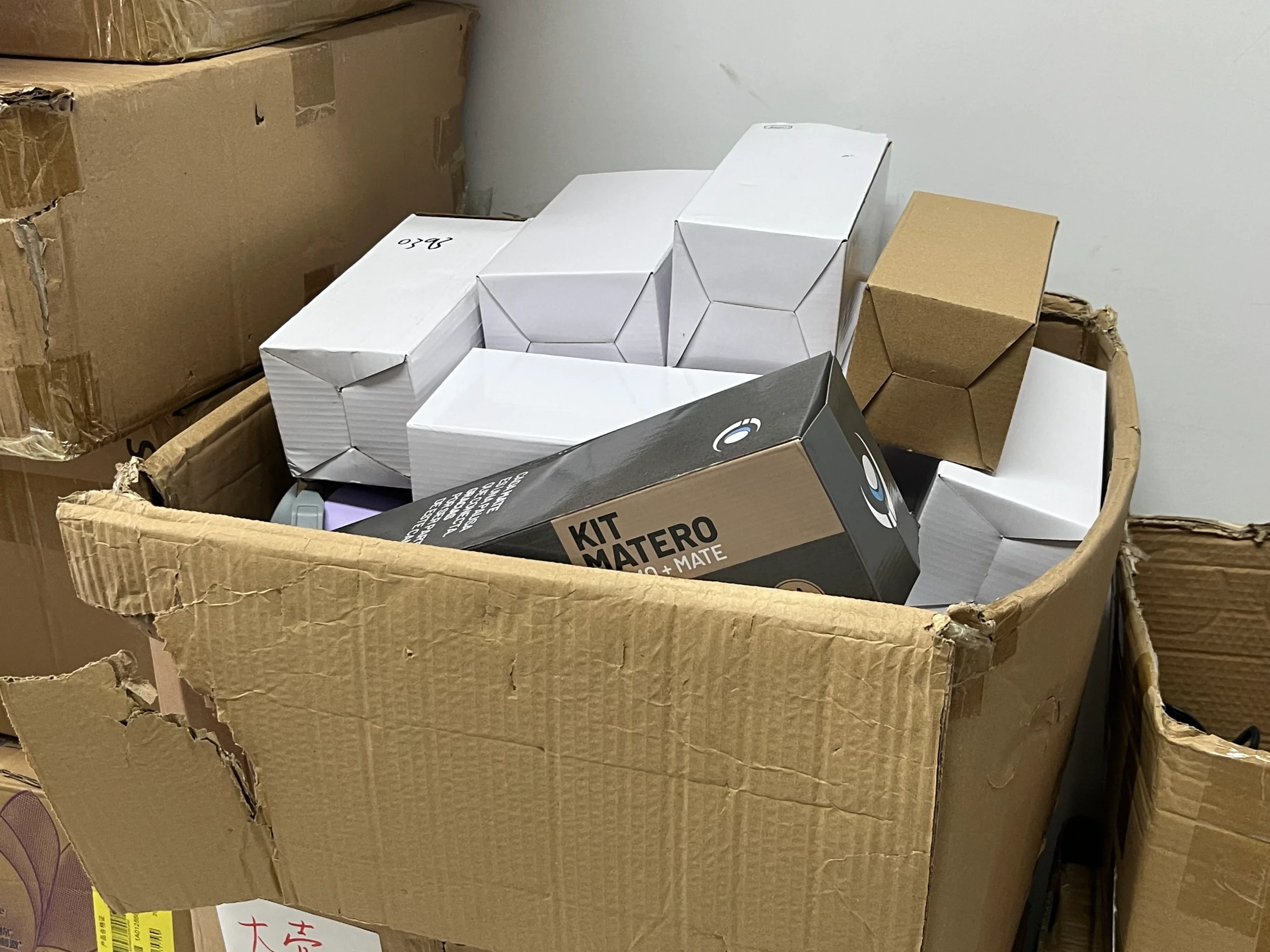
Os danos na embalagem podem partir os seus artigos para bebidas antes de chegarem ao cliente. Deve saber quais são as causas destes problemas para os poder evitar. As razões mais comuns para os danos nas embalagens são:
-
Pacotes fracos ou sem acolchoamento suficiente deixam os seus copos expostos a choques.
-
Demasiado espaço vazio na caixa permite que os objectos se movam e batam nos lados. Isto pode causar amolgadelas ou fissuras.
-
Se a embalagem se molhar e não for à prova de água, pode rasgar-se ou partir-se.
-
Os correios podem deixar cair ou deitar fora as caixas se não tiverem etiquetas frágeis.
Estes problemas podem causar amolgadelas, riscos ou até mesmo a quebra de copos.
Fixar
Se receber uma encomenda com a embalagem danificada, actue rapidamente. Verifique todas as caixas assim que elas chegarem. Tire fotografias de quaisquer danos e informe de imediato o seu fornecedor ou a empresa de transporte. Guarde toda a embalagem como prova. Se vender na Amazon, comunique o problema na Central do Vendedor e peça novos artigos ou a devolução do dinheiro. Guarde sempre os registos de envios danificados para ajudar em futuras reclamações.
Sugestão: Ensine a sua equipa a procurar danos na embalagem antes de enviar as encomendas. Isto ajuda-o a detetar problemas atempadamente e mantém a sua marca segura.
Prevenção para FBA
Pode evitar danos na embalagem seguindo as regras de embalagem da Amazon. Estas regras ajudam a reduzir as devoluções e a manter os clientes satisfeitos.
Norma de ensaio de queda da Amazónia
Peça ao seu fornecedor para efetuar testes de queda em cada lote. Os testes de queda verificam se a sua embalagem consegue suportar quedas e transportes irregulares. A embalagem deve proteger os artigos para bebidas de todos os lados e absorver os choques.
Opções de embalagem compatíveis com a caixa de correio
Escolha embalagens que caibam em caixas de correio normais. As embalagens pequenas e apertadas impedem que os artigos se desloquem. A Amazon diz que as embalagens devem ser fáceis de abrir, seguras contra adulteração e feitas de materiais que possam ser reciclados.
|
Descrição |
|
|---|---|
|
Materiais recicláveis |
As embalagens devem utilizar apenas materiais recicláveis, como o cartão ou a pasta moldada. |
|
Fácil de abrir |
Os clientes devem ser capazes de abrir as embalagens sem ferramentas. |
|
A embalagem deve ser suficientemente resistente para evitar danos durante o transporte. |
|
|
Embalagem de unidade única |
Cada produto deve ser enviado como uma unidade, sem embalagem adicional da Amazon. |
|
Resistente à violação |
A embalagem deve estar protegida contra adulterações e incluir os documentos necessários. |
|
A embalagem deve ajustar-se firmemente ao produto para evitar espaço adicional. |
Se seguir estes passos, pode acabar com os problemas de embalagem e garantir que os seus artigos para bebidas chegam em segurança.
Como evitar problemas com a loiça antes da produção
Criar uma lista de verificação de CQ pormenorizada
Pode evitar muitos problemas antes que eles aconteçam, fazendo uma forte lista de controlo de qualidade (CQ). Esta lista de verificação ajuda-o a detetar problemas atempadamente e mantém os artigos para bebidas seguros para as pessoas. Uma boa lista de controlo de qualidade verifica todos os aspectos, como o aspeto e o sabor do produto. Eis alguns aspectos que deve verificar:
-
Procure quaisquer danos ou defeitos que possa ver. 2. Verificar se a embalagem está aberta ou com fugas. 3. Certifique-se de que os rótulos são fáceis de ler e contêm todas as informações. 4. Verificar se as garrafas ou latas têm um aspeto dobrado ou estranho. 5. Verificar se a tampa está bem fechada. 6. No caso das bebidas com gás, verificar se há bolhas ou fugas. 7. Agita suavemente para ouvires sons estranhos ou coisas a mexerem-se. 8. Verifica se a cor corresponde ao que esperas. 9. Cheira para ver se há algo estranho. 10. Prove para se certificar de que o sabor é correto e seguro. 11. Sente se a bebida é suave e não tem grumos. 12. Verificar se as bebidas frias estão à temperatura correta. 13. Procurar pontos húmidos ou gotas de água na embalagem. 14. Verificar se há algo no interior que não deveria estar lá. 15. Pesar ou medir para ver se a quantidade está correta. 16. Procurar furos ou danos na embalagem. 17. Certifica-te de que o que está no interior corresponde ao rótulo. 18. Verificar se há bolor, deterioração ou se está a estragar-se. 19. Verificar se o prazo de validade ainda é válido. 20. Ler e seguir quaisquer avisos ou instruções especiais.
Sugestão: reveja a sua lista de verificação com o seu fornecedor antes de começar a fabricar produtos. Isto ajuda a evitar problemas comuns com a loiça para bebidas.
Requerer amostras de pré-produção
Peça sempre amostras antes de fazer um lote de produtos. Estas amostras permitem-lhe ver e testar primeiro os artigos para bebidas. Pode verificar a cor, o logótipo e se funciona corretamente. Se encontrar um problema, pode resolvê-lo mais cedo. Isto poupa-lhe tempo e dinheiro.
Realização de inspecções por terceiros
As inspecções de terceiros ajudam-no a encontrar mais problemas e a fabricar melhores produtos. Estes inspectores não pertencem à sua empresa. Verificam os seus produtos e a fábrica. Analisam documentos, relatórios e a forma como as coisas são feitas. A tabela abaixo mostra o que fazem:
|
Descrição |
|
|---|---|
|
Lista de verificação de verificação de fornecedores |
Verificar a existência de certificados e documentos para garantir a idoneidade do fornecedor. |
|
Controlo de qualidade |
Peça relatórios e o historial do controlo de qualidade para ver se houve problemas anteriormente. |
|
Auditorias ao local |
Ir à fábrica para verificar como é que as coisas são feitas e se está limpa. |
|
Pedir amostras/lotes-piloto |
Testar se os produtos são iguais e duram muito tempo; os bons parceiros têm menos de 2% de defeitos. |
|
Controlos de referência |
Fale com outros clientes para saber mais sobre problemas anteriores e como foram resolvidos. |
|
Avaliar a comunicação |
Veja com que rapidez e clareza o fornecedor fala consigo, porque as respostas lentas podem causar problemas. |
Nota: Os inspectores de terceiros encontram frequentemente problemas que podem passar despercebidos à sua própria equipa.
Trabalhar com fabricantes OEM estáveis e verificados
Escolha fabricantes OEM que tenham um bom historial. Os bons parceiros mostram-lhe certificados e resultados de testes. Respondem com rapidez e resolvem os problemas rapidamente. Os fornecedores estáveis ajudam-no a evitar problemas comuns com a loiça para bebidas e a manter a sua marca segura.
Dicas finais para os vendedores da Amazon
Reduzir a taxa de retorno
É possível reduzir os rendimentos através de medidas inteligentes. Melhor embalagem mantém a loiça segura e com bom aspeto. Um bom controlo dos fornecedores detecta problemas antes de os clientes receberem os produtos. Ajudar os clientes após a compra evita confusões e devoluções. Ouvir as reacções ajuda-o a encontrar e a corrigir problemas comuns com os artigos para bebidas numa fase precoce.
|
Estratégia |
Descrição |
|---|---|
|
Melhorar a experiência de embalagem e entrega |
Utilize caixas resistentes e de marca para evitar danos e impressionar os compradores. |
|
Reforçar o controlo de qualidade dos fornecedores e dos produtos |
Verificar os produtos antes da expedição para detetar problemas atempadamente. |
|
Oferecer apoio proactivo ao cliente após a compra |
Fornecer guias e ajuda para que os clientes utilizem os produtos da forma correta. |
|
Aproveitar o feedback dos clientes para evitar a repetição de problemas |
Estudar o feedback para corrigir problemas e atualizar as suas listagens. |
Dica: Analise os números das suas receitas todos os meses. Isto ajuda-o a ver os problemas e a corrigi-los rapidamente.
Melhorar a qualidade geral do produto
Para melhorar a sua marca, concentre-se na qualidade. Os bons copos duram mais tempo e funciona bem. Os clientes apercebem-se de que os materiais são seguros e os designs são fortes. Teste cada lote para detetar fugas, cheiros e alterações de cor. A correção precoce de pequenos problemas evita problemas maiores mais tarde. Manter a qualidade elevada faz com que os clientes fiquem satisfeitos e reduz as queixas.
-
Teste de fugas e isolamento.
-
Verifique se a pintura está a descascar, se há ferrugem ou se há cheiros estranhos.
-
Utilizar materiais de qualidade FDA e fornecedores de confiança.
Criar confiança a longo prazo na marca
Dar aos clientes bons produtos gera confiança. As pessoas querem artigos para bebidas que durem e se adaptem às suas necessidades. Se os seus produtos se mantiverem fortes e seguros, os compradores falam aos amigos sobre a sua marca. A sua reputação melhora com o tempo. Torna-se conhecido por resolver os problemas comuns dos artigos para bebidas e por se preocupar com a saúde. Os clientes fiéis compram mais e ajudam a sua marca a crescer.
Nota: A confiança aumenta quando se ouve os clientes e se continua a melhorar os produtos.
A escolha de objectos seguros para beber protege a sua saúde todos os dias. Cria melhores hábitos quando verifica se as suas garrafas e canecas estão danificadas ou com cheiros estranhos. Faça trocas inteligentes por materiais mais seguros e designs mais resistentes. Pequenos passos como estes ajudam-no a evitar toxinas e a manter as suas bebidas frescas.
Tome medidas agora. Reveja os seus utensílios para bebidas, faça escolhas mais seguras e desfrute de paz de espírito em cada gole.
-
Inspecionar os seus copos actuais
-
Substituir objectos não seguros
-
Partilhe estas dicas com amigos e familiares