Portuguese
  English
  Spanish
  Arabic
  German
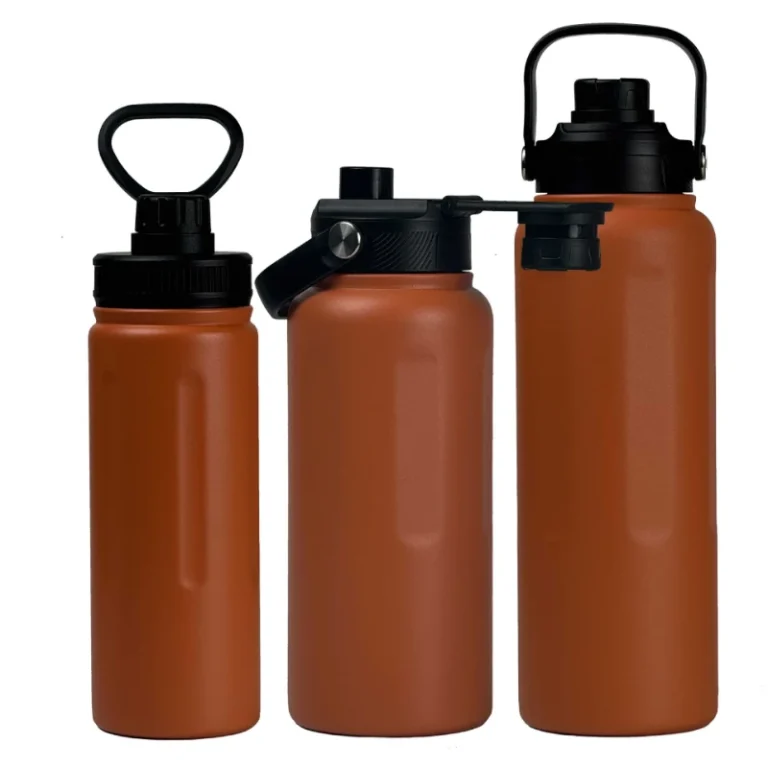
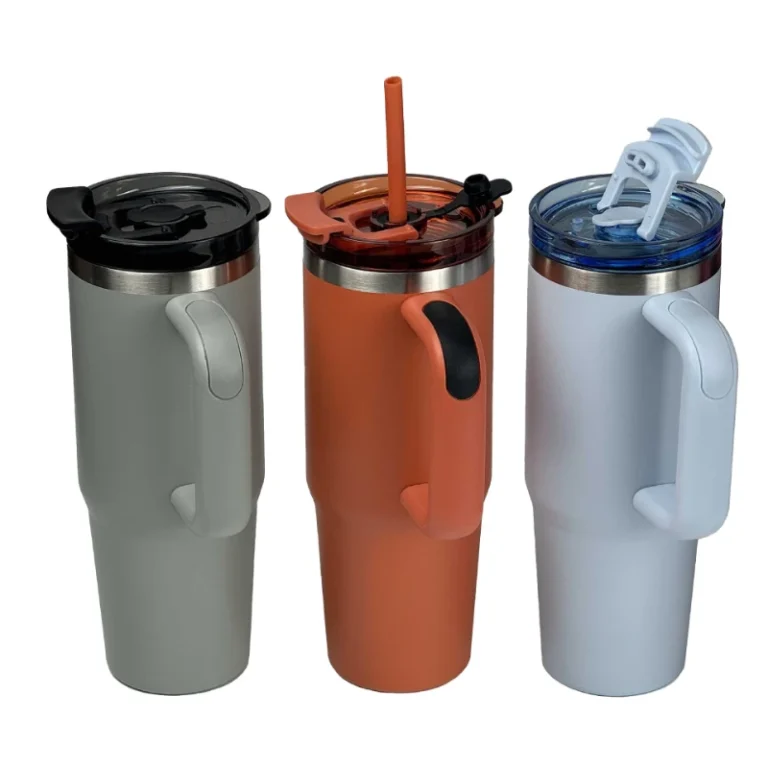
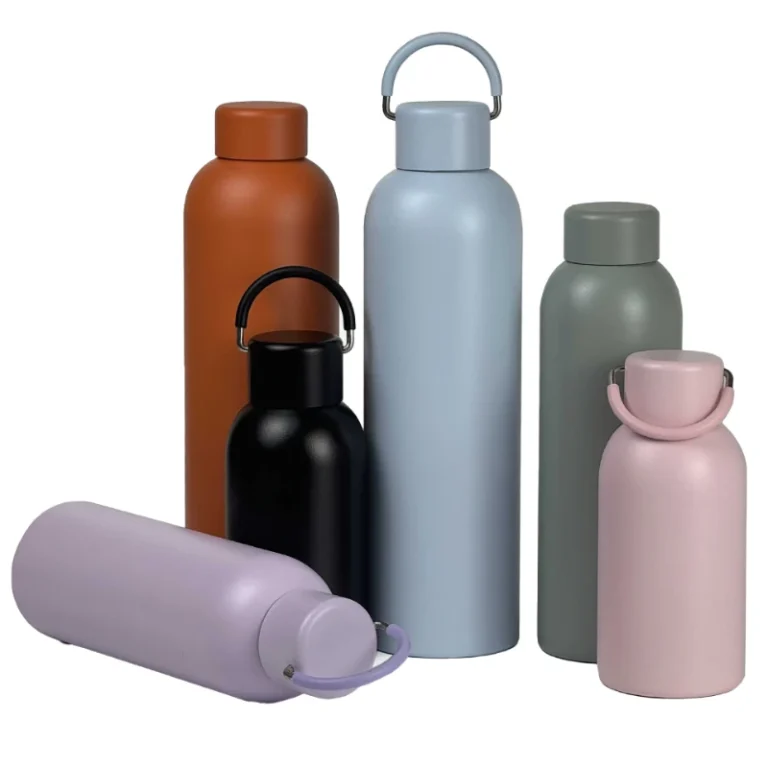
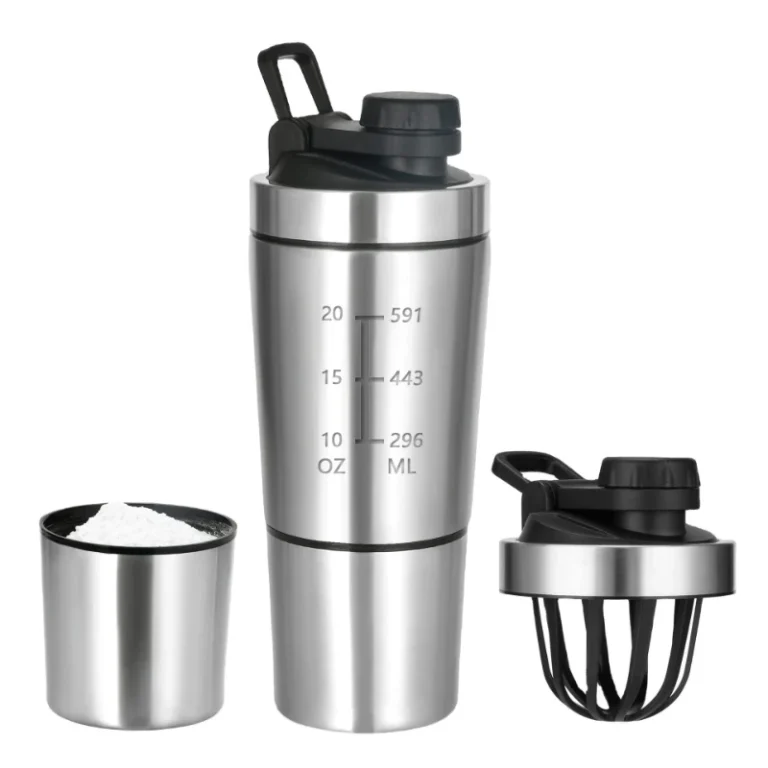
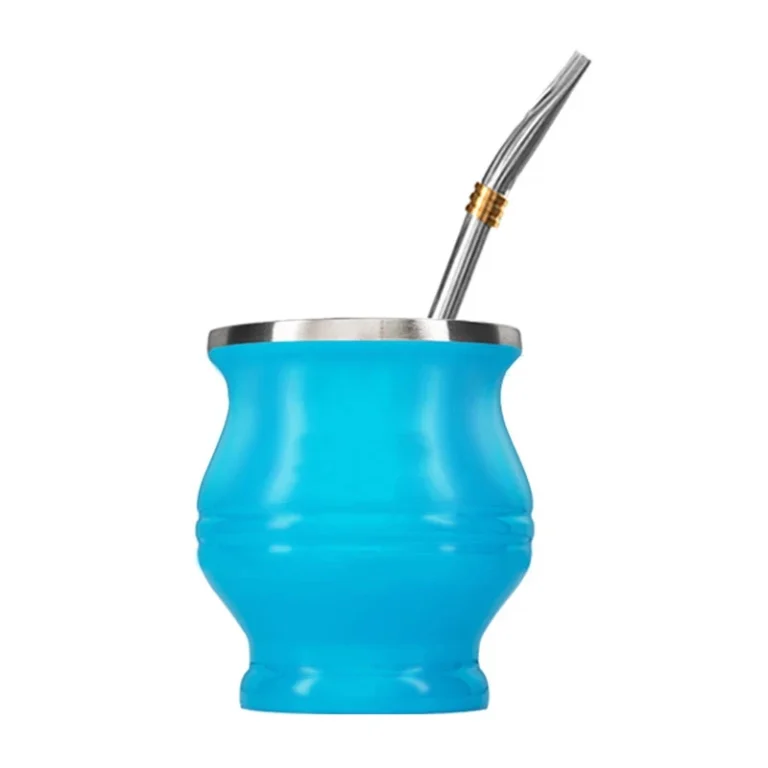
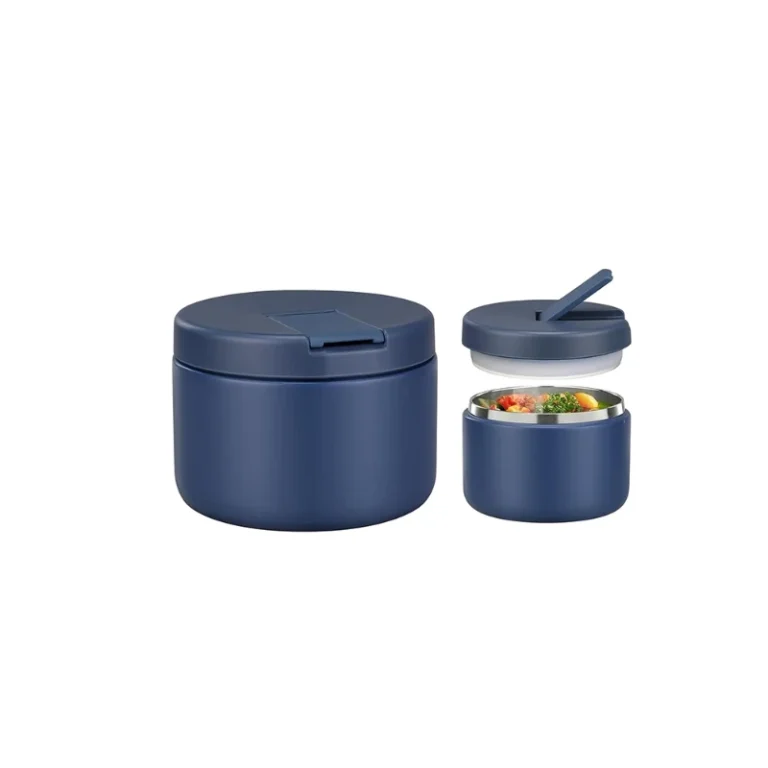
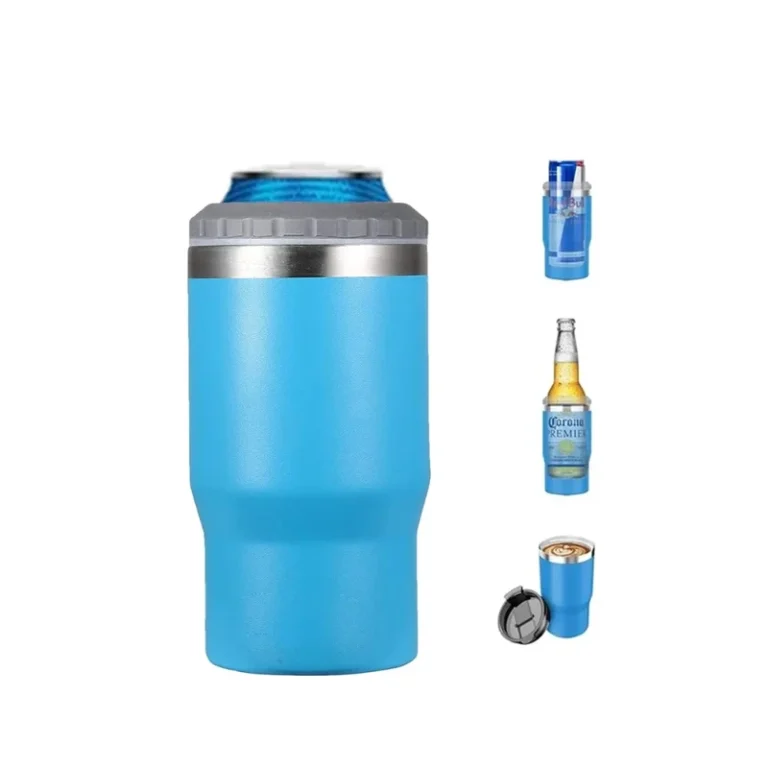
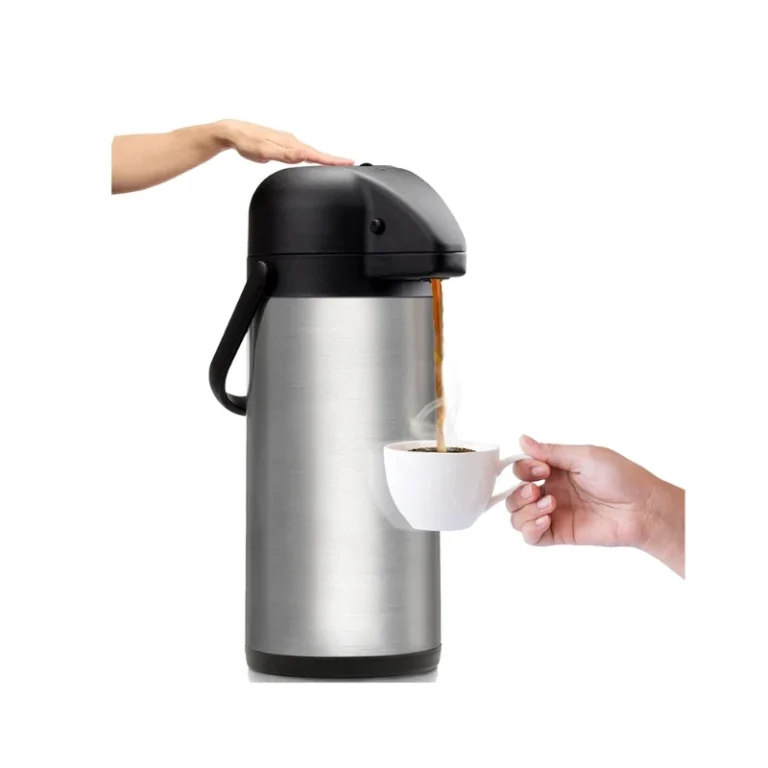
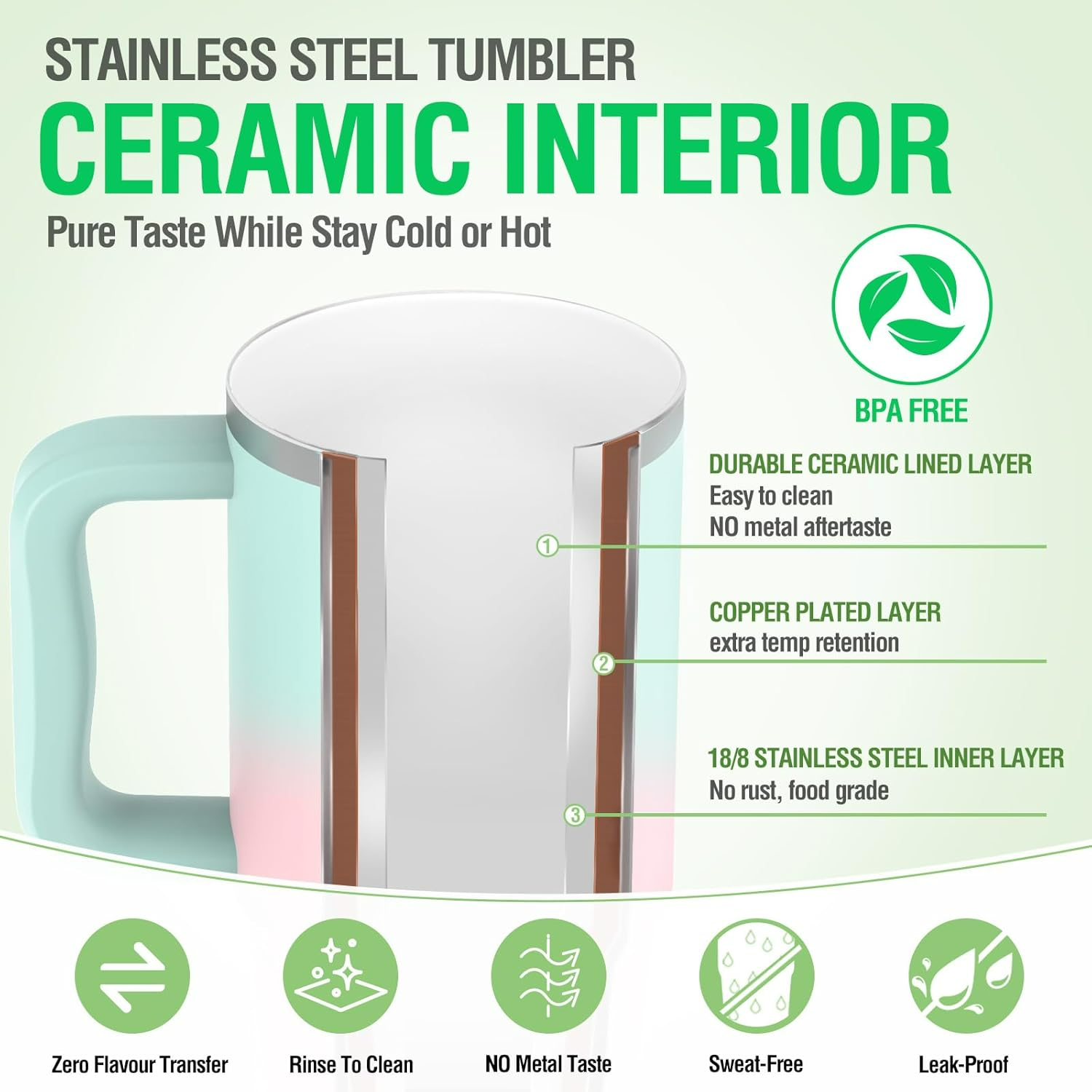
You can rely on ceramic lined stainless steel tumblers for daily use. Many people are concerned about leaching, heavy metals, and how long they last. Some reports mention a metallic taste, skin problems, and stomach issues. Always check for LFGB or FDA food-grade certifications. Is Ceramic Lined Stainless Steel Safe? How it is made is very important.
Key Takeaways
-
Pick ceramic lined stainless steel tumblers with LFGB or FDA certifications for safety. These certifications show the tumblers follow strict safety rules. – Check your tumbler often for chips or cracks. If your tumbler is damaged, metal can show. This can cause leaching and make your drink unsafe. – Wash your tumbler with warm water and mild soap after you use it. Cleaning this way keeps it clean and makes your drinks taste good.
Is Ceramic Lined Stainless Steel Safe?

How Ceramic Linings Work
You might ask if ceramic lined stainless steel is safe. Ceramic linings make a shield inside your tumbler. This shield does not mix with your drinks. Your drinks taste clean and do not taste like metal. People who notice flavors like ceramic linings for this reason. The ceramic keeps coffee, tea, or juice tasting good. It stops your drink from touching the metal below. This lowers the chance of metal getting into your drink.
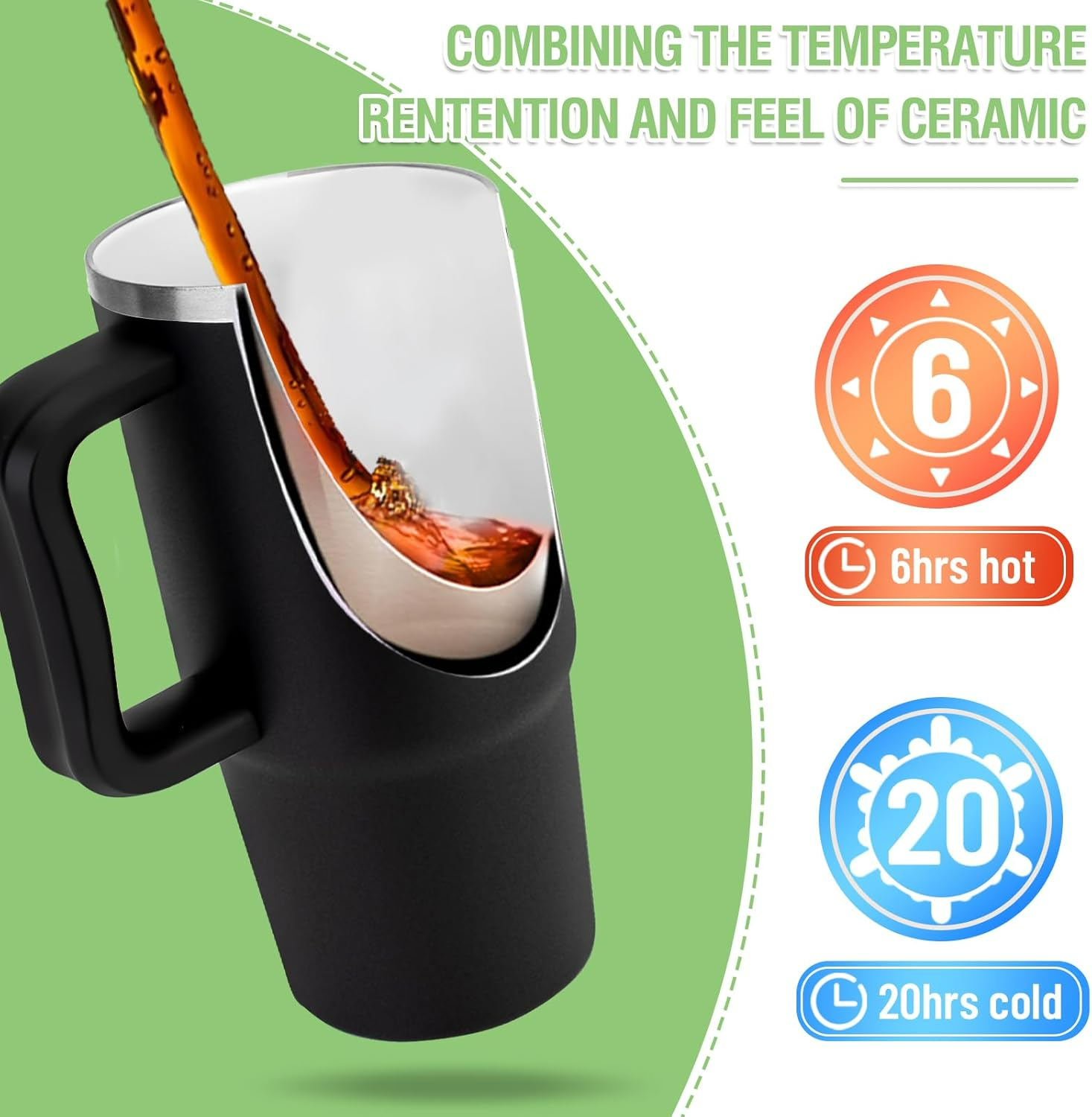
Ceramic linings do not keep drinks hot or cold by themselves. The vacuum layer in the tumbler does that job. Ceramic is only a shield that does not react. Many people wonder if ceramic lined stainless steel is safe. The answer depends on how well the ceramic is made and put on.
Food-Grade Certifications (LFGB/FDA)
You should look for food-grade certifications when picking a tumbler. These certifications mean the tumbler follows strict safety rules. Is ceramic lined stainless steel safe? Certifications like LFGB from Germany and FDA from the United States help answer this.
|
LFGB Requirements for Certification |
FDA Requirements for Certification |
|---|---|
|
First check of samples and materials |
Makes sure food and drink products are safe |
|
Checks for smell and taste changes |
Certification shows the product is safe |
|
Tests for metals in plastics |
Watches over food, cosmetics, and drugs |
|
Tests for metals in metals |
Controls food and drug safety in the U.S. |
|
Tests for chemicals in silicone |
Gives safety advice to other countries |
|
Checks for chemical dangers by German law |
Makes sure products are made well and safe |
These tests look for bad things like lead, cadmium, nickel, PFOA, and PFOS. Certified tumblers do not have these harmful chemicals. You can trust a certified tumbler is safe for daily use. Is ceramic lined stainless steel safe? If you see LFGB or FDA certification, you can feel good about your choice.
Risks: Leaching and Heavy Metals
You may still wonder if ceramic lined stainless steel is safe. The answer depends on the quality of the ceramic and how it is made. Good ceramic coatings stop metal from getting into your drink. This means your drink stays free from metals. But bad products can be risky.
-
Some cheap tumblers have glazes with lead or cadmium. These metals can be dangerous if they get into your drink.
-
Lab tests found high lead in some sealing pellets, way above legal limits for kids’ products.
-
Stainless steel can let out small amounts of nickel, chromium, and iron, especially with hot or sour drinks. Sensitive people may get skin irritation or stomach upset.
Ceramic coatings can break or crack if you drop the tumbler or hit it hard. The coating is thin, between 0.2 and 0.5mm. If the ceramic breaks, the steel underneath may rust unless it is high-grade stainless steel. Using the tumbler a lot can make the ceramic crack or peel, which makes it less strong than pure stainless steel.
Tip: Always check your tumbler for chips or cracks. If you see damage, do not use it for hot or sour drinks.
Is ceramic lined stainless steel safe? You can make it safer by picking certified products from trusted sellers and taking care of your tumbler.
Comparing Tumblers: Materials and Safety
Stainless Steel Tumblers vs. Ceramic Lined
You might wonder how these tumblers are different. Ceramic inside the tumbler works like a shield. It does not mix with your drink or let anything bad in. Stainless steel tumblers are safe for most people. But if the steel is not good or gets scratched, it can react a little. Ceramic-lined tumblers keep your drink tasting fresh and safe. Sometimes, stainless steel mugs make drinks taste like metal, especially if the drink is hot or sour. Ceramic mugs and ceramic-lined tumblers do not change the taste or smell of your drink.
-
Ceramic inside does not react with sour drinks.
-
Stainless steel tumblers last long and can be recycled.
-
Ceramic-lined tumblers give a clean taste and extra safety.
|
Caraterística |
Stainless Steel Tumblers |
Ceramic-Lined Tumblers |
|---|---|---|
|
Taste Retention |
Might make drinks taste like metal |
Drinks taste clean and normal |
|
Segurança |
No BPA or lead, but can react a little |
Does not react, safe with sour drinks |
|
Durabilidade |
Stays strong, does not rust easily |
Strong, but ceramic can chip |
Safest Material for Coffee Mugs
You want to know which mug is safest. Ceramic coffee mugs are great for taste and safety. They do not hold onto flavors or let out anything bad. Porcelain and ceramic keep drinks warm and pure. Glass and ceramic do not react with heat or sour drinks. Stainless steel mugs are safe too, but ceramic mugs are the best for health. If you pick ceramic or glass, you get the best mug.
-
Ceramic does not hold or give off flavors.
-
Glass and ceramic do not let out chemicals.
-
Porcelain and ceramic keep drinks warm.
Glass, Plastic, and Other Alternatives
You may think about glass, plastic, or other choices. Glass tumblers do not let out anything bad and keep taste pure. But glass can break easily. Plastic cups are light and cheap, but heat can make them let out tiny plastics and toxins. Stainless steel travel mugs are strong and safe for every day. Ceramic mugs are good for the earth and can be used again and again. The best mugs are made from ceramic, glass, or stainless steel.
|
Material |
Advantages |
Disadvantages |
|---|---|---|
|
Aço inoxidável |
Lasts a long time, does not rust, can recycle |
Costs more, takes a lot of energy to make |
|
Vidro |
Pure taste, does not react, no leaching |
Breaks easily, costs more, not allowed everywhere |
|
Plástico |
Light, cheap |
Lets out toxins, hard to recycle, does not last long |
|
Ceramic |
Good for the earth, can use again, looks nice |
Hard to find, can break, sometimes feels rough |
-
Ceramic water bottles are good for the earth and can be used again.
-
Plastic bottles can let out toxins and hurt the planet.
-
Stainless steel tumblers and ceramic mugs are the best and healthiest mugs.
Tip: Pick ceramic mugs, glass, or stainless steel tumblers for the safest and healthiest mugs. Stay away from plastic to avoid toxins and leaching.
Choosing and Using Safe Tumblers
What to Look for in Stainless Steel Tumblers
You want a tumbler that keeps drinks safe and fresh. First, check for LFGB or FDA food-grade certifications. These show the tumbler follows strict safety rules. Pick tumblers made with non-toxic materials. Make sure the ceramic lining has no lead or cadmium. This keeps you safe from heavy metals.
Buying from trusted brands is important. Brands like Anhui IFUN make insulated tumblers that are safe. They test each batch to make sure products are strong and non-toxic. Check the tumbler’s wall thickness. Thick walls help keep drinks hot or cold and make the tumbler strong. Choose a lid that does not leak, is easy to clean, and is BPA-free. Make sure the lid fits tightly.
Use this table to compare features:
|
Criteria |
Descrição |
|---|---|
|
Material Safety |
Non-toxic glaze, lead-free, cadmium-free |
|
Wall Thickness and Weight |
Thick walls for durability and insulated performance |
|
Lid Compatibility |
Leak-resistant, BPA-free, easy to clean |
|
Microwave and Dishwasher Safety |
Check if the tumbler is safe for microwave and dishwasher use |
|
Capacity and Ergonomics |
Choose size and grip for easy use |
Insulated tumblers keep drinks hot or cold longer. Ceramic inside makes drinking smoother. If you switch between coffee, tea, or juice, ceramic keeps flavors pure. Look for tumblers made with 316 stainless steel. This steel is strong and does not get damaged easily. Both ceramic and steel should be safe for sour drinks. Eco-friendly mugs help the planet and can be used again.
Care and Maintenance Tips
You need to care for your tumbler to keep it safe. Wash your tumbler with warm water and mild soap after each use. This stops residue from building up. Use a soft bottle brush to clean inside. Do not use rough scrubbers because they can scratch the ceramic.
If your tumbler smells bad, fill it with warm water and a little vinegar. Rinse it well. You can also use warm water and baking soda for deep cleaning. Do not use bleach or strong cleaners. These can hurt the ceramic lining. Most tumblers should not go in the dishwasher unless the brand says it is okay.
Check the lid and seals often. Replace them if you see damage or wear. Make sure your tumbler is dry before storing it. This stops mold from growing. For hard spots, use lava stones or special brushes. Leave the lid open a bit when storing for a long time. This helps stop odors.
If the ceramic lining chips or cracks, stop using the tumbler. You do not want your drink to touch metal that can rust. Most brands say not to fix chipped ceramic linings. Get a new tumbler or call customer service. Some brands give warranties for coating problems.
Tip: Always check your tumbler before using it. If you see chips or cracks, get a new one to stay safe.
Eco-friendly mugs are smart for daily use. They can be used again and help cut down waste. Insulated tumblers with safe ceramic linings keep your drinks pure and safe.
You want to feel safe every day. Certified ceramic lined stainless steel tumblers keep your drinks safe. You get safe materials, safe taste, and safe hygiene. You stay safe when you check for FDA or LFGB marks. You keep safe by caring for your tumbler. You make a safe choice for health. You stay safe with informed decisions.
|
Aspeto |
Certified Tumblers |
Uncertified Tumblers |
|---|---|---|
|
Safe Materials |
Yes |
No |
|
Safe Hygiene |
Yes |
No |
|
Safe Taste |
Yes |
No |
-
Choose tumblers that are safe for your needs.
-
Pick safe materials and safe certifications.
-
Use safe care steps to keep your tumbler safe.
You make your life safe when you choose the right tumbler.
FAQ
Can I use ceramic lined stainless steel tumblers for coffee every day?
You can use ceramic lined stainless steel tumblers for coffee daily. These tumblers keep your coffee tasting fresh. You avoid metallic flavors. You protect your coffee from leaching.
How do I clean tumblers after drinking coffee?
Wash tumblers with warm water and mild soap. Use a soft brush. Rinse well. Dry completely. This keeps your coffee tasting pure. You prevent stains from coffee inside tumblers.
What should I do if my tumblers chip after using them for coffee?
Stop using chipped tumblers. Chipped tumblers may expose metal. Your coffee may touch the steel. You should replace tumblers. You keep your coffee safe and clean.