Portuguese
  English
  Spanish
  Arabic
  German
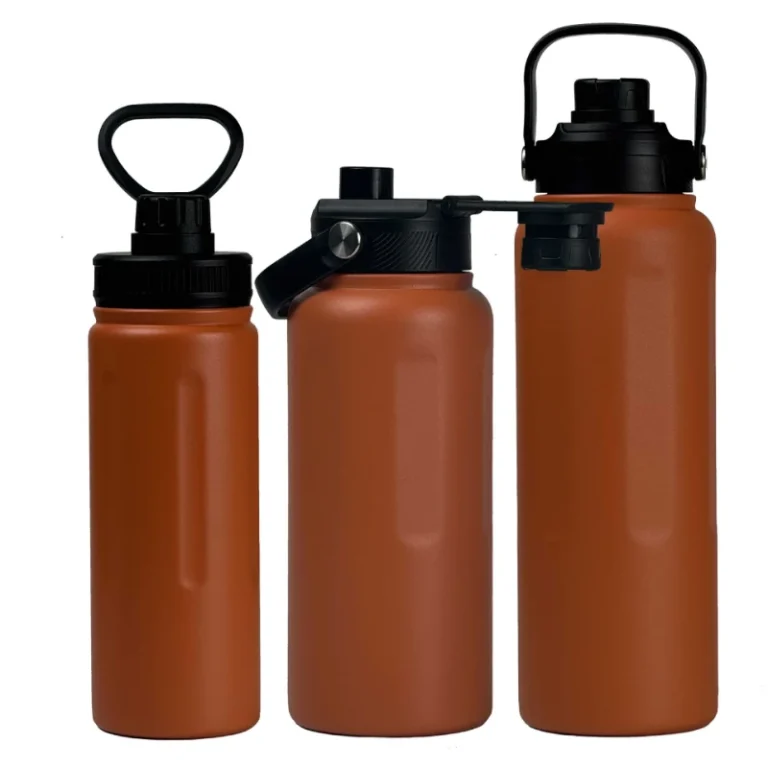
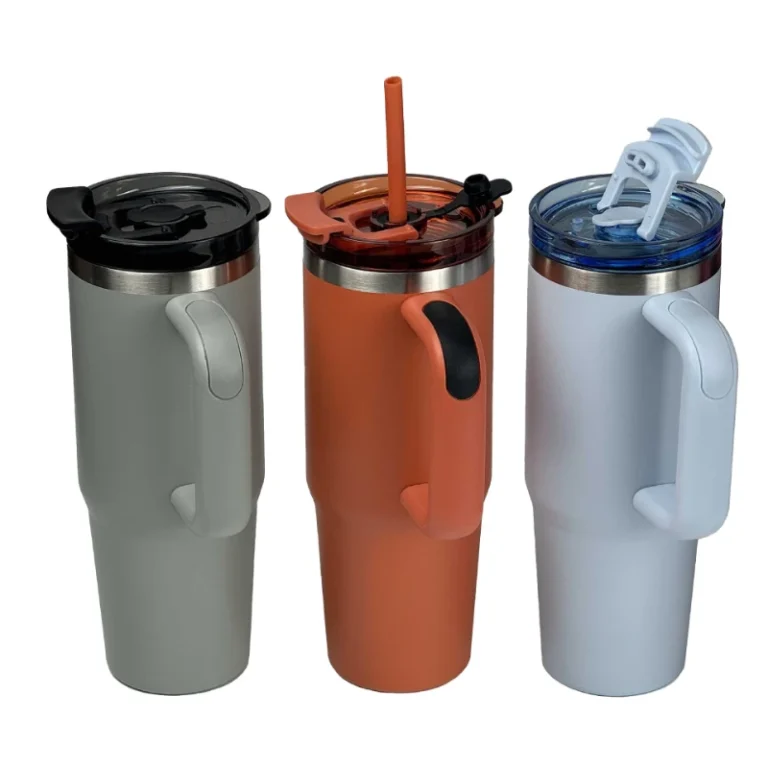
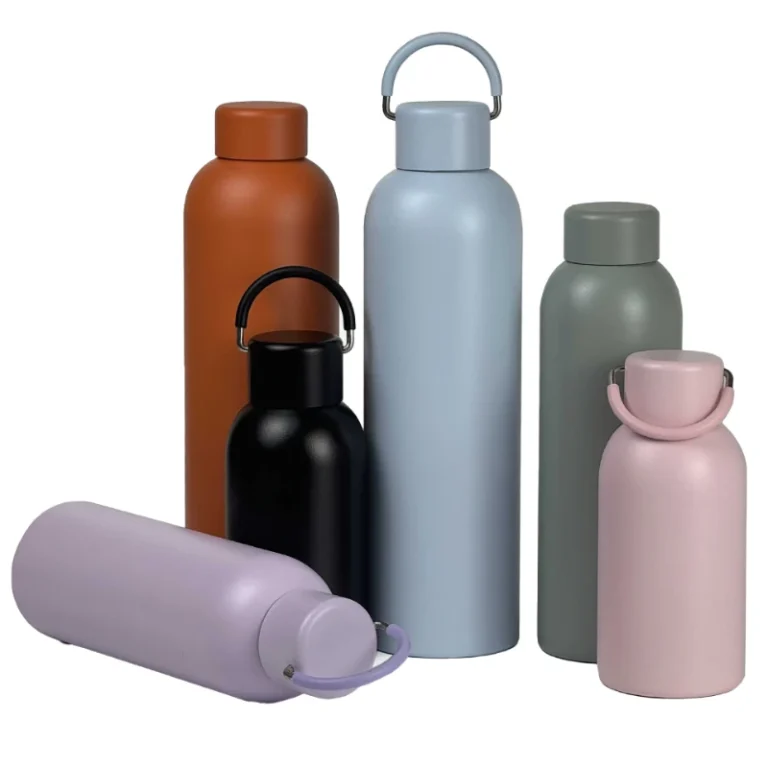
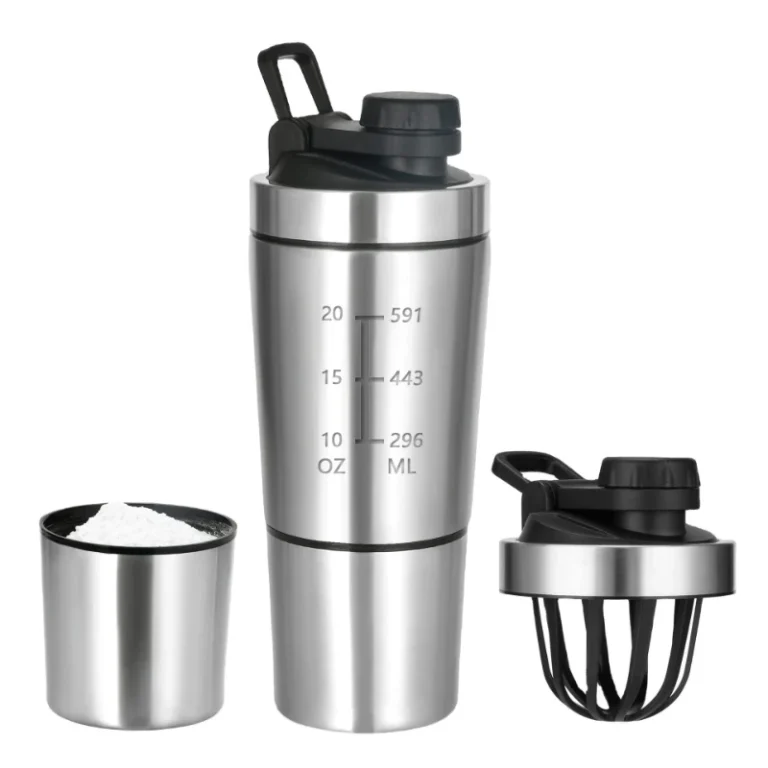
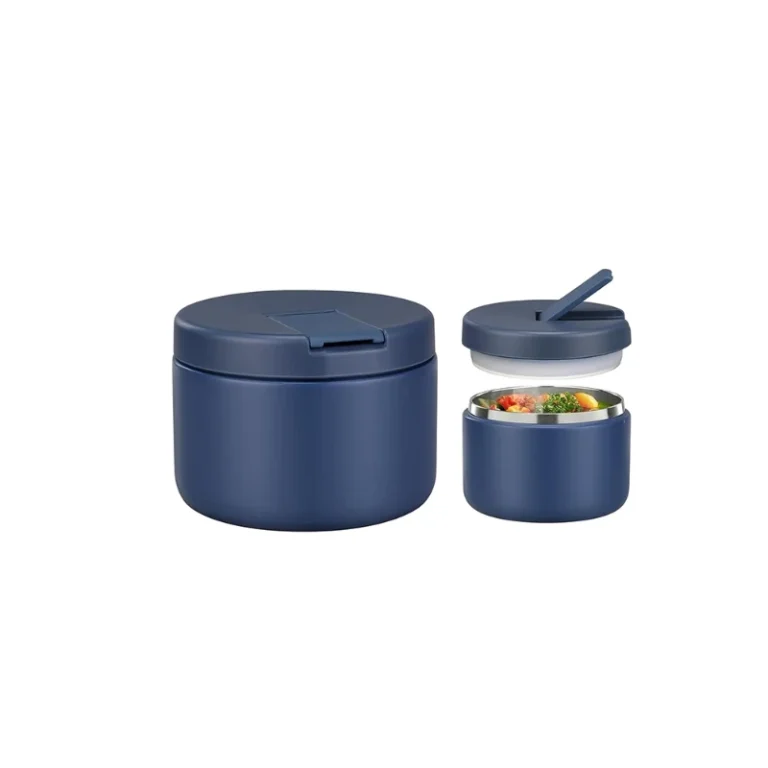
 The global shift towards sustainability and health consciousness has transformed the stainless steel lunch box from a simple commodity into a strategic sourcing category. For procurement managers, brand owners, and corporate gifting buyers, navigating the landscape of manufacturers—from the industrial clusters of Guangdong to the emerging hubs in India—requires more than just comparing unit prices. It demands a deep understanding of material metallurgy, manufacturing tolerances, and supply chain logistics.
This guide is designed to equip B2B buyers with the technical framework and market intelligence needed to make informed decisions. We will move beyond surface-level “food grade” claims to explore the realities of 304 vs. 201 steel, the engineering behind leakproof seals, and the metrics that define a reliable long-term partner. Whether you are sourcing for a retail chain, an e-commerce brand, or a corporate wellness program, this comprehensive analysis will help you optimize your procurement strategy for quality, cost, and consistency.
1. Decoding the Global Supply Chain: China vs. India
Understanding the geographical strengths of manufacturing hubs is the first step in strategic sourcing. While numerous countries produce stainless steel tableware, the market is largely dominated by two major players: China and India, each offering distinct advantages .
China: The Powerhouse of Scale and Precision
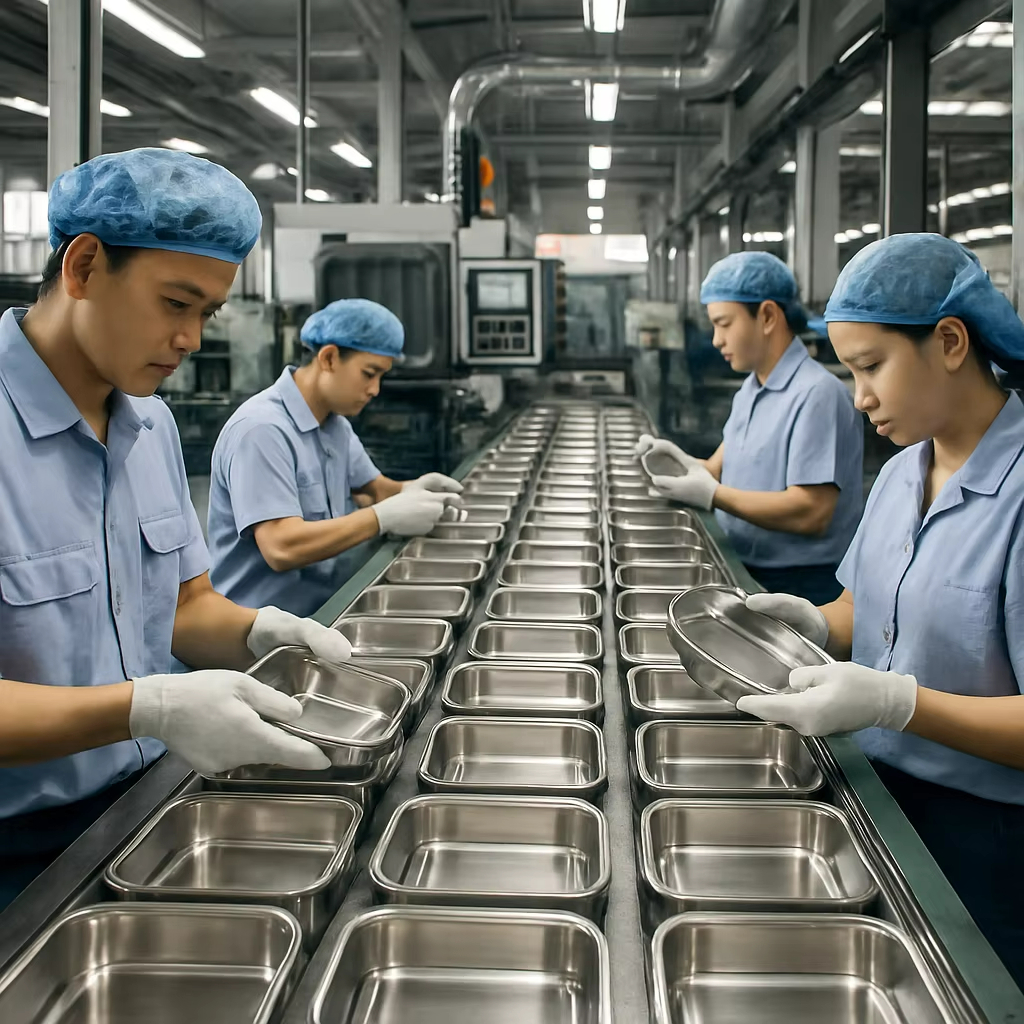
China, particularly the Guangdong Province (clusters like Chaozhou, Dongguan, and Jieyang), remains the undisputed leader in high-volume, consistent production . The key advantage here is vertical integration. Factories in these regions often operate full-cycle production lines—from raw material stamping and deep drawing to advanced vacuum insulation technology and laser engraving . This integration reduces lead times and allows for tighter quality control.
For B2B buyers, this translates to:
-
Scalability: Facilities capable of producing over 50,000 units monthly with consistent quality .
-
Customization Depth: In-house mold making and support for complex finishing like PVD (gold/rose gold coatings) and multi-color UV printing .
-
Logistics: Proximity to major ports like Shenzhen and Shanghai ensures efficient sea freight (typically 25-40 days) .
India: The Hub for Craftsmanship and Niche Designs
India, with manufacturing centers in Maharashtra, Uttar Pradesh, and Coimbatore, offers a different value proposition. The strength lies in specialized fabrication and traditional craftsmanship .
-
Artisanal Finishes: Some Indian manufacturers offer unique decorative finishes, such as enamel work, which can be attractive for premium gift markets .
-
Cost Competitiveness: With access to SS304 raw materials and skilled labor, Indian factories can be highly competitive for specific product categories, particularly traditional multi-tier tiffins .
-
Flexibility: While not as automated as Chinese giants, many mid-sized Indian units offer flexibility for smaller, specialized runs .
| Caraterística | China (Guangdong/Zhejiang) | India (Maharashtra/Tamil Nadu) |
|---|---|---|
| Core Strength | High-volume automation, vertical integration | Craftsmanship, traditional designs (tiffins) |
| Material Std. | 304 (18/8) Dominant, with mill certifications | 304 & 202 variants, certification upon request |
| Personalização | High (PVD coating, laser etch, complex molding) | Medium (Engraving,手工 painting) |
| Prazo de execução | 25-40 days (sea freight), highly predictable | 25-45 days, can be variable |
| Melhor para | Large retail chains, Amazon FBA sellers, corporate premiums | Niche boutique brands, traditional gift sets |
2. Material Science: Moving Beyond “Food Grade” to 304, 316, and 201
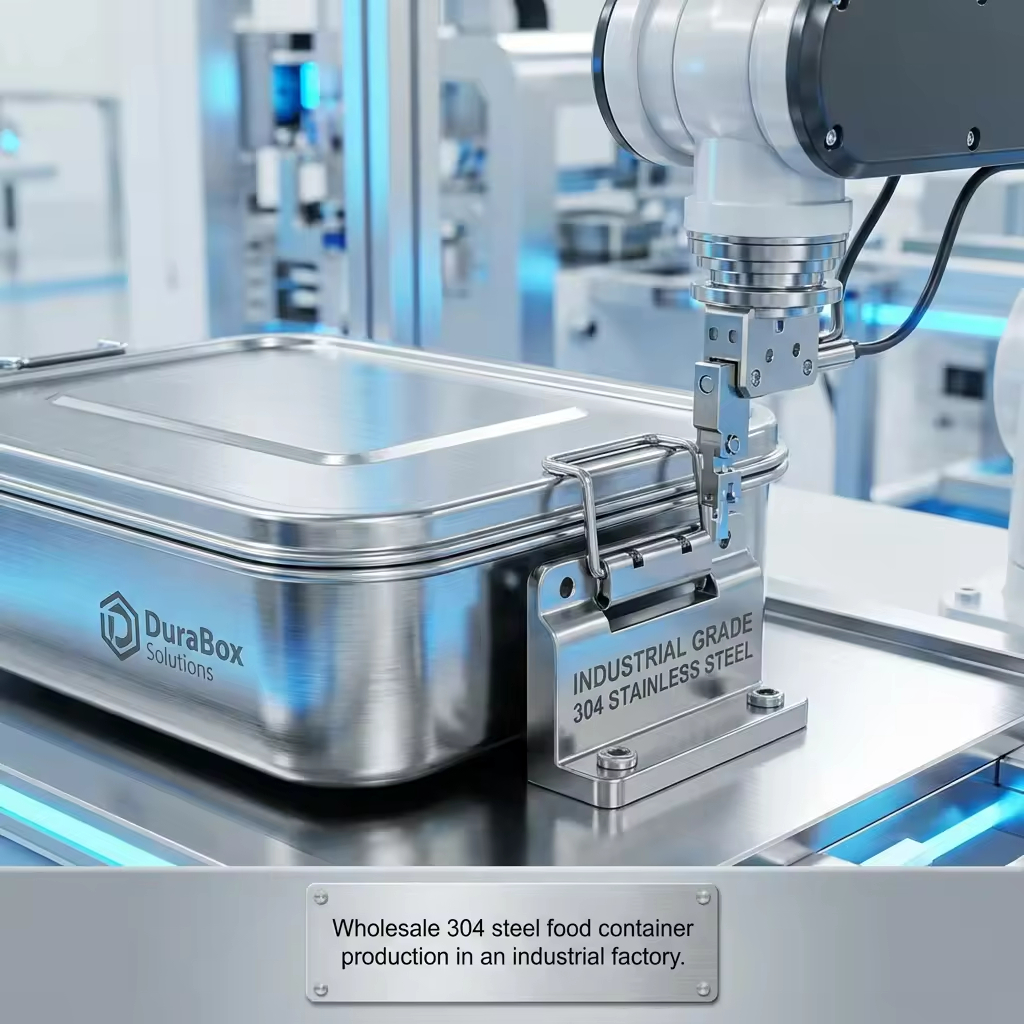
For a B2B buyer, the term “food grade” is merely a starting point; it is not a specification. The longevity of your product and the safety of your end-users depend entirely on the specific alloy used .
The 201 vs. 304 Risk
A significant risk in the industry is the substitution of 201-grade stainless steel for the industry-standard 304. Both look identical when polished, but their performance diverges drastically over time.
-
201 Steel: Contains lower nickel content, compensated by higher manganese. It is cheaper but prone to pitting corrosion and rust spots, especially when exposed to salty or acidic foods. It is unsuitable for long-term durability in wet food environments .
-
304 (18/8) Steel: The gold standard for food containers. Composed of 18% chromium and 8% nickel, it offers excellent corrosion resistance against food acids and detergents . A reputable manufacturer should provide Mill Test Certificates (MTCs) verifying this composition .
-
316 (18/10) Steel: A premium upgrade with 2% molybdenum, offering superior resistance to chlorides and high acidity. This is ideal for marine environments or premium brand positioning focused on “purity” and longevity .
Verification in Practice
Don’t rely on the magnet test (304 can become slightly magnetic after deep drawing). Professional buyers should:
-
Request Mill Certificates: Insist on certificates for every batch .
-
Use XRF Analysis: For high-value orders, consider third-party inspection using handheld X-ray fluorescence (XRF) spectrometers to verify alloy composition on the spot .
-
Specify Thickness: Durability is tied to steel gauge. Budget items use 0.5mm walls, which dent easily. Specifying 0.6mm to 0.8mm ensures a premium, rigid feel and maintains structural integrity for lid seals .
3. Technical Specifications: Seals, Insulation, and Structural Integrity
A lunch box’s performance is defined by how well it contains food and maintains its temperature. This is where engineering meets manufacturing precision.
The “Leakproof” Reality
Creating a watertight seal on rigid metal is significantly harder than on plastic. The seal relies on two factors :
-
Silicone Gasket Quality: The silicone must have the correct Shore hardness—soft enough to compress, hard enough to hold its shape. It must be BPA-free and heat-resistant. For the stringent EU market, LFGB-grade silicone is required, which is denser and ensures no taste or smell migrates to the food .
-
Rim Precision: The rolled rim of the steel container must be perfectly uniform. Inconsistent rims, resulting from poor stamping, will create leak paths regardless of the latch strength. This is why seamless, deep-drawn bodies are superior to welded ones .
Double-Wall vs. Vacuum Insulation
There is a critical distinction in insulated products :
-
Double-Wall (Air Gap): Two layers of steel with trapped air. This prevents condensation (sweating) on the outside but offers minimal thermal retention (1-2 hours).
-
Vacuum Insulated: Air is removed from the space between the walls, eliminating heat transfer via convection and conduction. This keeps food hot or cold for 6-12 hours. Buyers must verify this specification, as “double-wall” is often mistakenly conflated with “vacuum-insulated.”
4. The Aesthetics of Durability: Finishes and Branding
For brands, the visual and tactile experience is paramount. The choice of finish and branding method impacts both cost and long-term consumer satisfaction.
Surface Finishes
-
Brushed/Satin: The most practical choice for daily use. The directional grain hides fingerprints and micro-scratches, leading to fewer consumer complaints about wear and tear .
-
Mirror Polish: Offers high shelf appeal but requires strict quality control. It reveals every smudge and scratch, potentially increasing rejection rates .
-
PVD Coating: For colored finishes (like gold or black chrome), Physical Vapor Deposition (PVD) is the only food-safe method. It bonds titanium nitride to the steel at a molecular level and will not chip or peel like paint or spray coatings .
Logo Implementation
-
Gravação a laser: The industry standard for premium positioning. It is permanent, precise, and cost-effective with low MOQs .
-
Gravação/gravação em relevo: Creates a tactile 3D effect. It requires custom tooling and is a higher upfront investment but communicates superior quality .
-
Screen Printing: Allows for multi-color logos but has low abrasion resistance and may fade in dishwashers; generally not recommended for premium lines .
5. Cost Analysis and Total Cost of Ownership (TCO)
For B2B buyers, the Free on Board (FOB) price is only one component of the total cost. A comprehensive TCO analysis includes tooling, compliance, and logistics.
Primary Cost Drivers :
-
Material: The choice between 201, 304, and 316 steel has a direct 10-30% impact on raw material costs.
-
Ferramentas: Public molds (standard shapes) have zero tooling costs but offer no differentiation. Private molds (custom shapes) require an upfront investment of $2,000–$5,000+, which can be amortized across the order volume .
-
Finishing: PVD coating adds significant cost compared to standard brushing, but it opens up a premium price tier for the end consumer.
-
Embalagem: Retail-ready boxes, custom inserts, and eco-friendly materials add to unit cost but reduce go-to-market time.
Price Benchmarking
Based on current market data, verified suppliers show the following ranges :
-
Entry-Level (Single compartment, 0.5mm, standard mold): $1.05 – $2.50
-
Mid-Range (Multi-compartment, 304 grade, 0.6mm, silicone seal): $2.50 – $5.00
-
Premium (Vacuum-insulated, 316 grade, PVD coating, custom mold): $6.00 – $15.00+
6. Supplier Evaluation: Metrics That Matter
Beyond price, B2B buyers must evaluate the operational health of a supplier. Data from sourcing platforms provides key performance indicators (KPIs) :
-
On-Time Delivery Rate: Aim for >95%. A rate below 90% indicates systemic bottlenecks .
-
Response Time: <4 hours suggests a dedicated sales team and real-time inventory tracking .
-
Reorder Rate: A rate >20% (like Caitang Qihe at 30% or Yangjiang Aohea at 27%) signals strong customer satisfaction and product stickiness. A rate <15% may indicate a focus on one-off transactional buyers .
7. Procurement Workflow: From Sampling to Scale
A phased approach minimizes risk :
-
Specification Pack: Provide detailed CAD drawings, material grades (e.g., “Body: 0.7mm 304 steel, Lid: 0.6mm 304 steel, Gasket: LFGB Silicone”), and packaging requirements.
-
Sampling: Order pre-production samples (2-10 units). Conduct drop tests, seal tests (fill with water, shake, leave overnight on paper towel), and dishwasher cycle simulations.
-
Pilot Order: Start with a small batch (e.g., 500-1000 units) to evaluate the factory’s consistency and shipping timelines.
-
Inspection: Use third-party agencies like SGS or Intertek for pre-shipment inspection to verify quantity, quality, and packaging against the Golden Sample .
-
Scale: Lock in mold rights and establish recurring reorder agreements.
Conclusion: Building a Resilient Supply Chain
Sourcing stainless steel lunch boxes for the B2B market is a complex but manageable discipline. Success lies in moving beyond superficial comparisons and engaging with the technical details that define product quality and brand value. By prioritizing material integrity (304/316 steel) , structural precision (seamless bodies, quality seals) e supplier reliability (delivery rates, certifications) , procurement professionals can build resilient supply chains.
Whether you partner with a high-volume automated factory in China or a specialized craftsman in India, the principles remain the same: verify, validate, and build relationships based on technical transparency. In a market increasingly driven by sustainability and health, the quality of your stainless steel lunch box is not just a product feature—it is a reflection of your brand’s commitment to its customers.