 Arabic
  English
  Spanish
  Portuguese
  German
  Russian
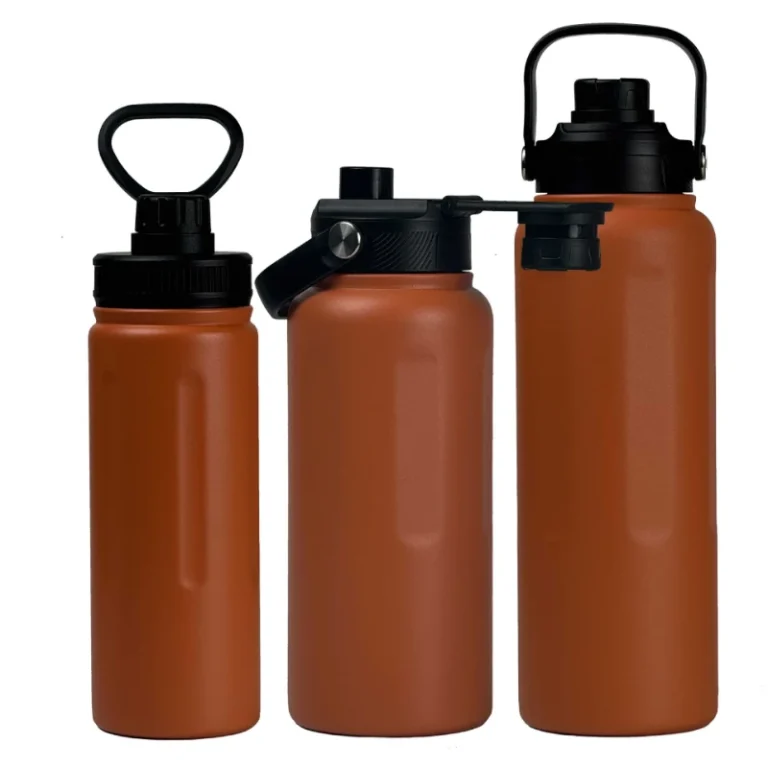
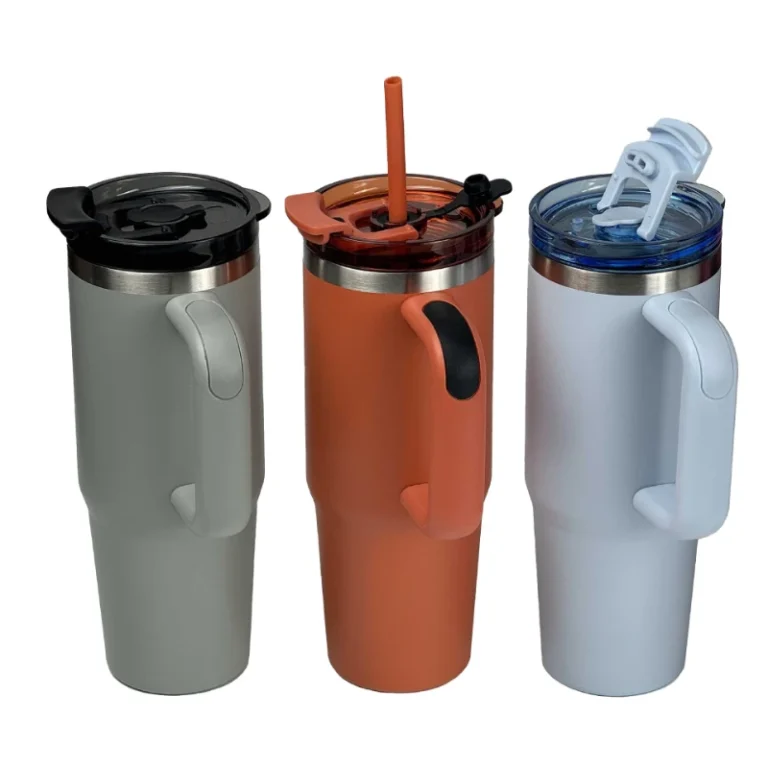
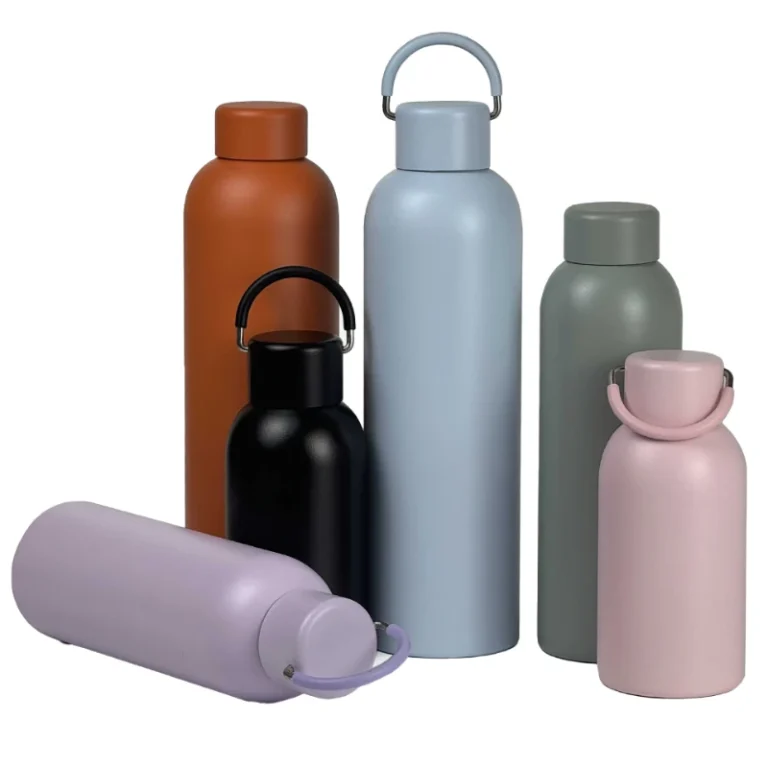
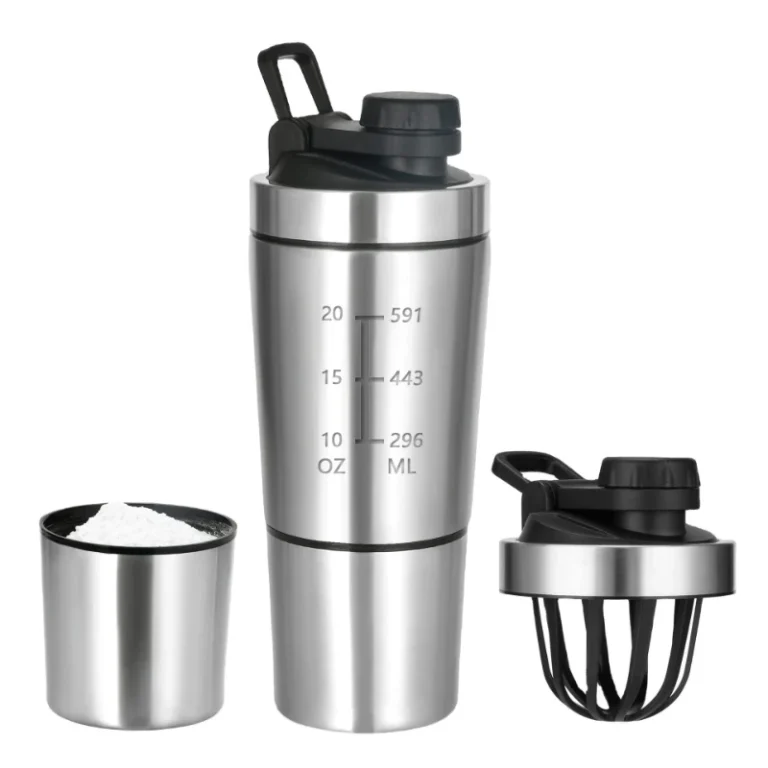
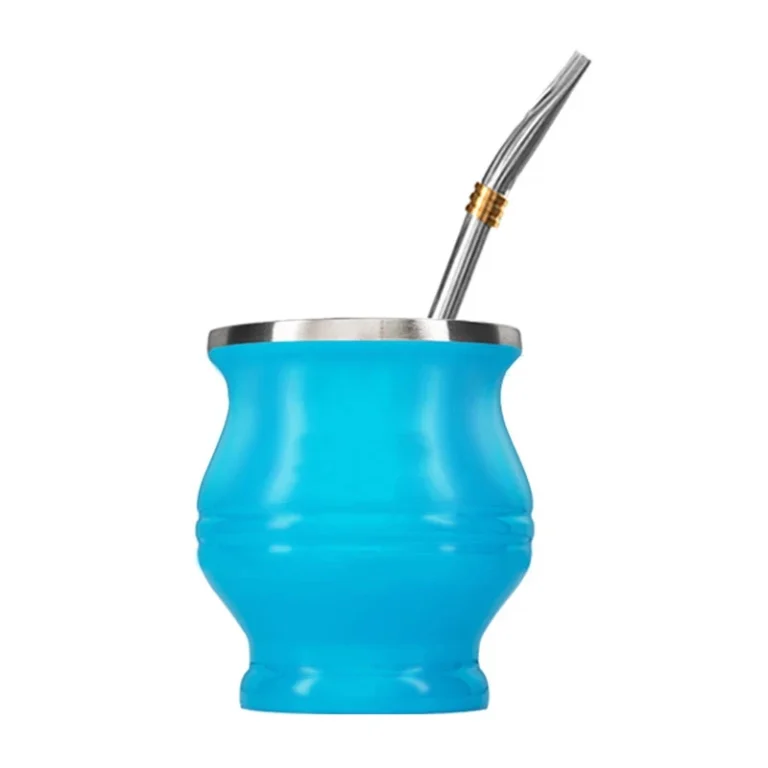
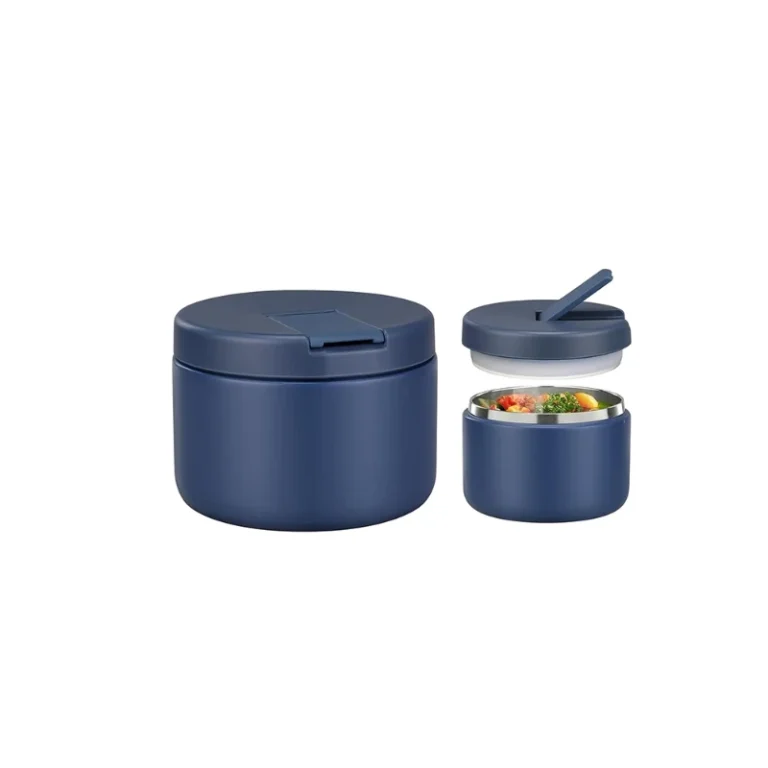
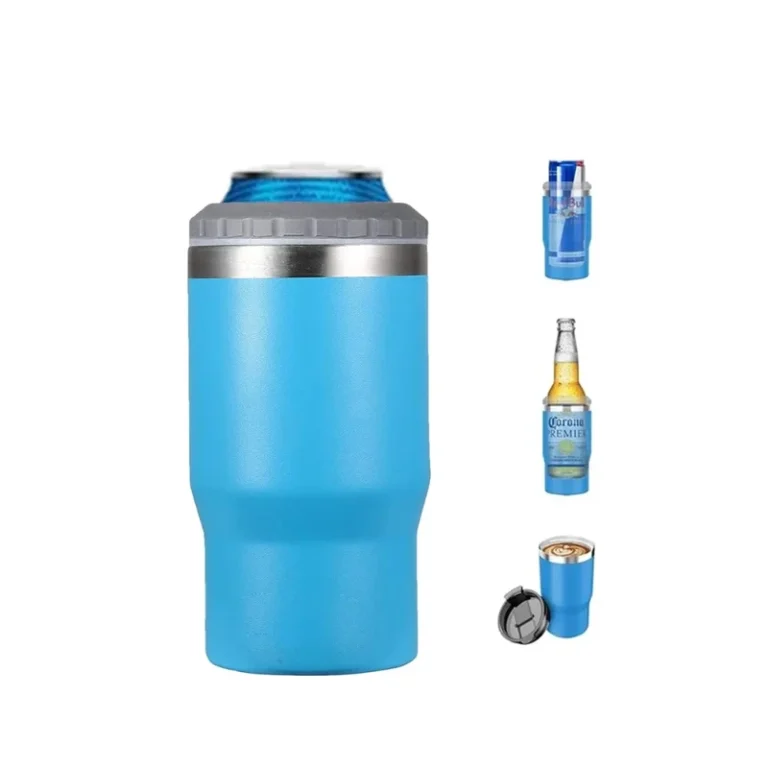
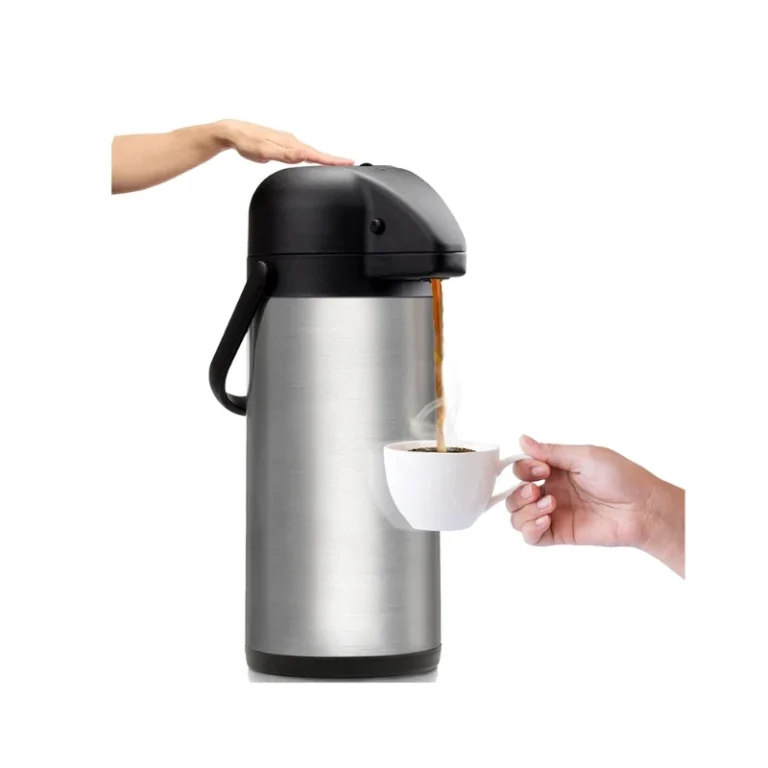
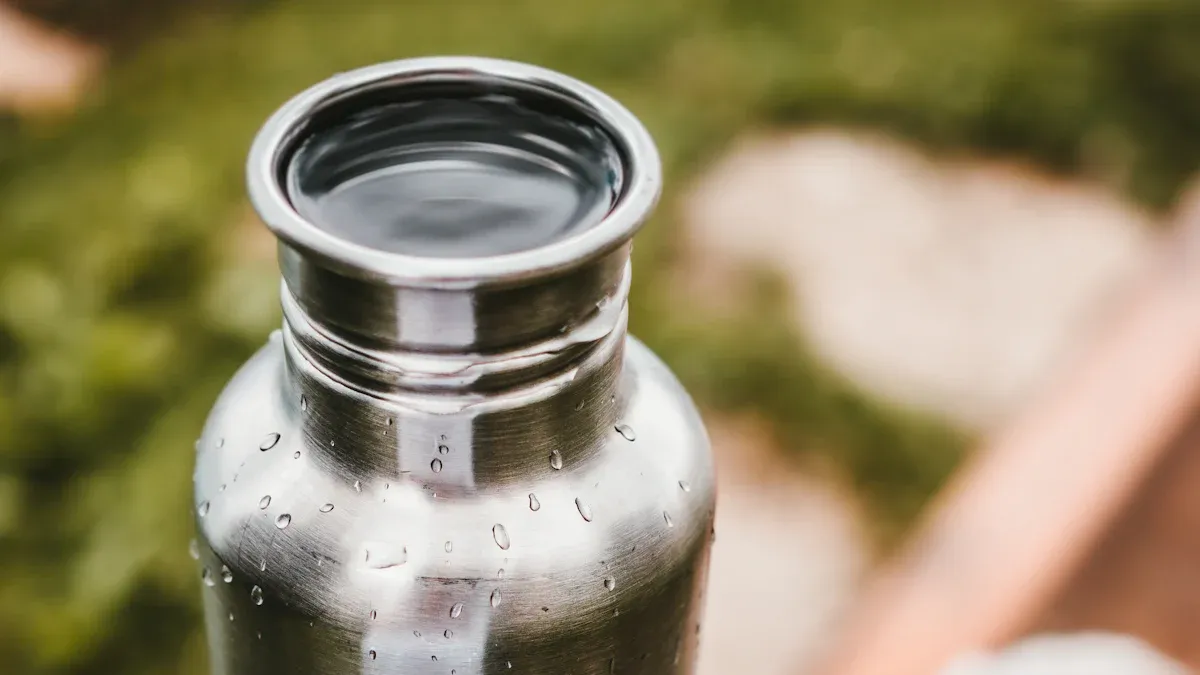
If you want good value in reusable drinkware, pick 304 stainless steel bottles for most places. 316 stainless steel is better for tough conditions or if you want a fancy product. The grade you pick changes your cost, safety, and how people see your brand. Many importers get confused because both types are safe for food, but they are not the same in price or how they work.
نوع الفولاذ المقاوم للصدأ | Cost Implication | Profit Margin Impact |
|---|---|---|
316 Surgical-Grade | Costs more because it has better features | You might earn more if you market it well |
304 Food-Grade | Costs less and saves money | You can make more profit by offering lower prices |
Good sourcing and strong branding help your business stand out in the world market for stainless steel bottles.
Try to give value, not just sell more bottles.
الوجبات الرئيسية
Pick 304 stainless steel bottles for daily use. They do not cost much and are safe for food.
Pick 316 stainless steel bottles for tough places. They do not rust and work well with salt or chemicals.
Always check for food-grade certifications like FDA or LFGB. This helps keep your customers safe and happy.
Know what your market needs. Choose the right stainless steel grade so you do not give more than needed.
Think about branding and price. Use 316 for fancy markets and 304 for cheaper choices to make more money.
304 vs 316 Stainless Steel: Comparison
Key Differences Overview
When you look at stainless steel bottles, check the grade. The most common grades are 304 and 316 stainless steel. Each one has its own mix of metals and special benefits. The table below shows how they are different:
Property | الفولاذ المقاوم للصدأ 304 | الفولاذ المقاوم للصدأ 316 |
|---|---|---|
Molybdenum | لا يوجد | نعم |
محتوى النيكل | 9% | 12% |
مقاومة التآكل | Good, but not as strong in salty places | Excellent, even in salty places |
التطبيقات | Used for cooking and food storage | Used for medical, marine, and fancy bottles |
السعر | أقل | أعلى |
316 stainless steel has molybdenum. This metal helps stop rust, especially in tough or salty places. If you want bottles for daily use, 304 stainless steel works well and costs less. If your customers need bottles for hard jobs or want something fancy, 316 stainless steel is better.
304 stainless steel bottles are good for most food and drink uses.
316 stainless steel bottles are best for places with strong chemicals or saltwater.
Pros and Cons for Importers
When picking a grade for your bottles, think about the good and bad points. Here is a simple list to help you choose:
304 Stainless Steel Bottles:
The material is safe for food and meets world rules.
The surface stays the same and does not change your drinks.
You spend less on materials, so you can sell for less.
It is strong and does not rust easily.
It may not work as well in places with lots of salt or chemicals.
316 Stainless Steel Bottles:
It does not rust, even in tough or changing places.
You can say your bottles are medical-grade or high-end.
The material costs more, so your price goes up.
It gives extra safety for gifts or health programs.
Your brand can charge more and keep loyal customers.
Tip: Most importers get the best deal with 304 stainless steel bottles. They are safe for food and cost less. If you want to sell to fancy markets or need bottles for tough places, pick 316 stainless steel.
Always choose the grade that fits your buyers. If you sell to regular people, 304 stainless steel is usually fine. If you want to be special or sell to luxury buyers, 316 stainless steel gives better results.
Food Safety and Compliance
Food-Grade Standards for Stainless Steel Bottles
You want your stainless steel bottle to be safe for food. Both 304 and 316 stainless steel are food-grade. The 304 grade is called 18/8 and is very common. It works well with sour drinks and does not rust easily. The 316 grade has molybdenum, so it fights rust and chemicals better. Do not use 201 steel because it is not food-grade. It can let bad metals get into your drink.
Tip: Always make sure your bottles are 304 or 316 stainless steel. These grades keep your customers and brand safe.
Regulatory Certifications (FDA, LFGB, EU)
Importers need to ask for safety certificates from the makers. The main ones are FDA (USA), LFGB (Germany), and EN123546 (EU). These rules check that bottles are safe and have no bad chemicals. The FDA says bottles must have at least 16% chromium and some nickel. LFGB and REACH in Europe test for chemical safety and how the product works. You should also look for ISO 22000 and ISO 9001. These show the company cares about food safety and quality.
التصديق | المنطقة | What It Confirms |
|---|---|---|
هيئة الغذاء والدواء | USA | Safe materials, no harmful migration |
LFGB | ألمانيا | No toxic chemicals, food-safe |
ISO 22000 | Global | Food safety management system |
آيزو 9001 | Global | Quality assurance system |
Prop 65 | California | No toxic substances like lead or BPA |
Health and Taste Impact
You want your bottle to keep drinks tasting good. Both 304 and 316 stainless steel do not let out bad chemicals like BPA or BPS. The 316 grade is even better with sour drinks. It stops metal taste and keeps drinks clean. It also lowers the chance of nickel or other metals getting in your drink. 316 stainless steel is easy to clean, so germs do not grow. Stainless steel bottles are safe for hot drinks and do not need a plastic lining.
Note: Bad stainless steel can let out nickel and chromium, especially with sour drinks. Always pick bottles that are certified food-grade for health and safety.
Durability and Corrosion Resistance
Everyday Use and Longevity
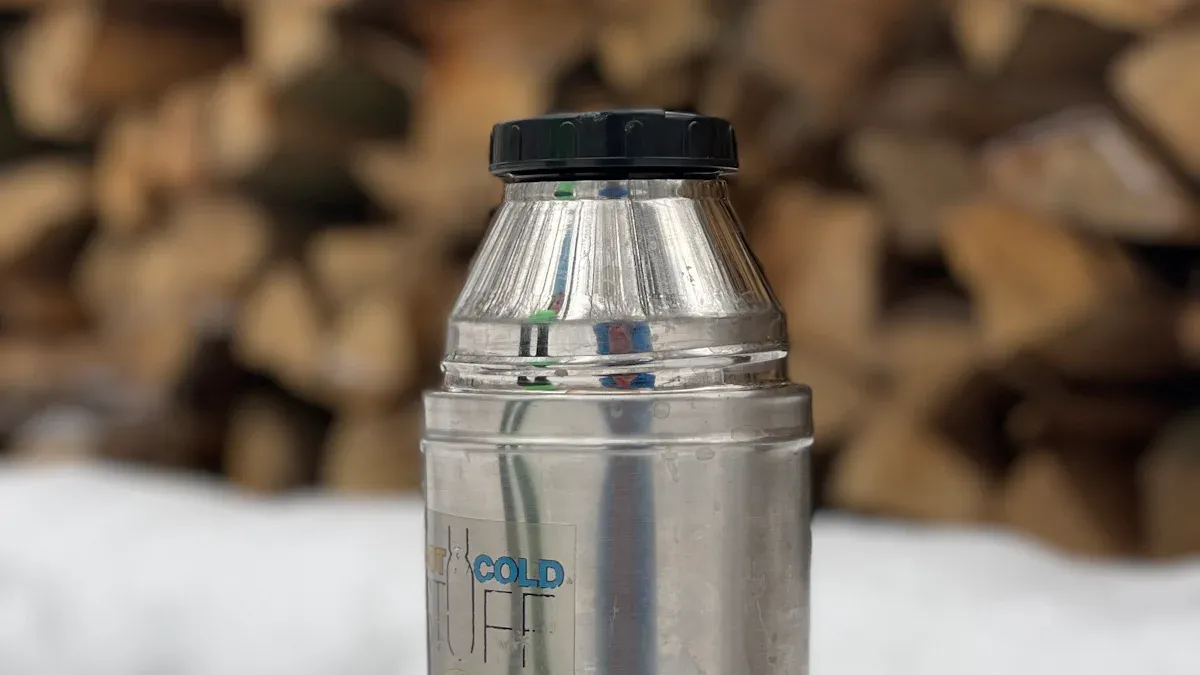
You want bottles that last a long time. 304 stainless steel bottles are strong for daily use. They do not dent or scratch easily. You can use them for water, coffee, or juice. If you use drinks with acid or salt, rust spots may show up after a while. This happens because 304 stainless steel does not have molybdenum.
304 stainless steel bottles work well for home use. They might rust if you use sour or salty drinks often. 316 stainless steel bottles are stronger and fight rust better. They are good for people who drink flavored or sour drinks every day.
If you want bottles that stay nice longer, pick 316 stainless steel. It helps your bottle look new and safe for more time. You will see less rust, even with daily use.
Performance in Harsh Environments
Some places are tough for bottles. There can be lots of salt or chemicals. Here is how each type works:
304 stainless steel fights rust but may not work near the ocean.
316 stainless steel has molybdenum, so it is great for salty places.
316 stainless steel is tougher and stays strong in hard conditions like by the sea.
If you sell bottles for outdoor or work use, 316 stainless steel is best. It stops rust, even with saltwater or chemicals. These bottles last longer and help your brand look good.
316L Stainless Steel Advantages
You may want bottles that are the strongest and fight rust best. 316l stainless steel does this. It has more molybdenum and less carbon than regular 316 stainless steel. This makes it even better at stopping rust. You can use 316l stainless steel bottles for citrus drinks, coffee, or sports drinks. They do not change the taste of your drink. You also get a healthier bottle because 316l stainless steel does not react with acids.
316l stainless steel is great for fancy bottles. You can give your customers the best rust protection and long-lasting bottles. If you want your bottles to stand out, 316l stainless steel is a smart pick for strength and rust resistance.
Cost and Market Positioning
Material and Manufacturing Costs
The grade you pick changes how much bottles cost. Making bottles with 316 stainless steel costs more than using 304. This is because 316 has molybdenum, which is pricey. You also need to watch the temperature more closely with 316. Extra checks are needed to make sure the quality is good. All these things make 316 bottles cost more in the end. If you want to sell fancy bottles, paying more for 316 might be worth it.
Cost Component | 304 Steel | 316 Steel | Difference |
|---|---|---|---|
Raw material | Baseline | +25-40% | مهم |
Processing time | قياسي | +10-15% | Longer cycles |
Quality control | قياسي | +5-10% | Extra testing |
Think about these costs and who will buy your bottles. If you want to sell bottles for daily use, 304 is a good choice. It keeps your prices low and helps you compete.
Impact on Wholesale Pricing
The grade you choose changes your wholesale prices. Bottles made from 304 stainless steel usually cost less. This means you can sell them for less and get more buyers. If you pick 316, each bottle costs more. But you can sell them as a fancy product.
الميزة | الفولاذ المقاوم للصدأ 304 | الفولاذ المقاوم للصدأ 316 |
|---|---|---|
مقاومة التآكل | معتدل | عالية |
محتوى النيكل | أقل | أعلى |
التطبيقات الشائعة | General plumbing | Chemical installations |
Pricing Impact | أقل | أعلى |
304 stainless steel is used a lot and is cheaper.
316 stainless steel has more nickel and costs more.
Knowing these differences helps you set prices and manage stock.
MOQ and Supply Chain Factors
How many bottles you must order at once depends on the grade. Most suppliers want you to buy 500 to 5,000 bottles. For higher grades, you may need to order 1,000 to 3,000 bottles. Some local suppliers might let you order less, but always check first.
نوع الفولاذ المقاوم للصدأ | التكلفة | التطبيقات | مقاومة التآكل |
|---|---|---|---|
304 | أقل | General use | معتدل |
316 | أعلى | Industrial, Marine | عالية |
If you want to keep things simple and cheap, pick 304. If you need bottles that fight rust the best, go with 316 and plan to order more.
Tip: Pick the grade that fits your business and what your buyers want. This helps you save money and build a good brand.
Use Cases for Importers
When to Choose 304 Stainless Steel Bottles
Pick 304 stainless steel bottles if you want to save money and still get strong bottles. Many companies and groups like 304 because it is not expensive but still works well. If your customers need bottles for everyday use or big events, 304 is a smart choice. This type is also good for brands that want to sell to lots of people and keep prices low.
Target Market | Preference for Stainless Steel | Reasoning |
|---|---|---|
Corporate buyers | 304 | Cost control and durability |
شركات الترويج | 304 | Generally choose 304 unless specified otherwise |
You can sell 304 stainless steel bottles to schools, offices, and gyms. These places want bottles that last and do not cost too much. You help them save money and still give them a good product.
When to Choose 316 Stainless Steel Bottles
Pick 316 stainless steel bottles if your customers need bottles that fight rust and chemicals. People who love the outdoors, fancy brands, and some jobs need 316. This type is best for tough places or when health and safety are very important.
Industry/Region | Reason for Preference |
|---|---|
Marine Applications | Requires corrosion resistance in harsh environments like seawater and high chloride. |
Chemical and Pharmaceutical | Needs to handle corrosive media, ensuring optimal performance under harsh conditions. |
Medical Equipment | Non-toxic, hygienic, and corrosion-resistant, suitable for consumables and instruments. |
Environmental Protection Equipment | Extends service life and ensures safety in media treatment and transmission. |
If you sell to luxury buyers or for use in the sea, hospitals, or labs, 316 stainless steel makes your brand look special. You can charge more and people will trust your bottles to be the best.
OEM and Private Label Options
You can make both 304 and 316 stainless steel bottles fit your brand. Many factories let you design your own bottles or change their designs. Here are some things you can ask for:
Custom logo printing, like laser or UV printing
Special finishes, shapes, lids, and colors
Eco-friendly packaging with your brand name
Full packaging for stores or gifts
Custom orders for big events or sales
You can work with bottle makers to create bottles that are different from others. Making your own style helps your brand stand out and gives buyers what they want.
Common Importer Mistakes
Choosing the right stainless steel grade for your bottles can make or break your business. Many importers fall into common traps that hurt profits and brand reputation. You can avoid these mistakes by understanding what to look for and how each grade fits your goals.
Over-Specifying Material Grade
You might think that picking the highest grade always means better quality. In reality, using a premium grade like 316 when your customers only need 304 can raise costs without adding value. For most water bottles, 304 stainless steel offers the best mix of safety, durability, and price. If you choose a grade that is too advanced for your market, you risk pricing yourself out of reach for many buyers.
Tip: Match the grade to your customers’ needs. Over-specifying can shrink your profit margin and slow down sales.
Ignoring Cost-to-Market Fit
Some importers focus only on the material and forget about the bigger picture. If you pick a grade that costs too much, you may struggle to compete. Products made with 201 steel often seem cheaper, but they fail to meet food-grade standards. This can lead to product recalls and damage your brand. In fact, 201 steel bottles show a 23% failure rate in the first year, while 304 steel bottles have less than a 2% failure rate.
Grade Chosen | Failure Rate (Year 1) | الامتثال للمعايير الغذائية | Risk Level |
|---|---|---|---|
201 | 23% | لا يوجد | عالية |
304 | <2% | نعم | منخفضة |
Always check if the grade fits your market and meets safety rules.
Misaligning Material with Brand
Your choice of grade should match your brand’s promise. If you sell luxury bottles but use a lower grade, customers may notice the difference in quality and appearance. This can hurt your brand image and reduce customer trust. On the other hand, using a high-end grade for a budget brand can make your prices too high and limit your market.
Misalignment can cause quality issues.
Your bottles may not look as good as competitors’ products.
Customers may lose trust in your brand.
Sales and market share can drop.
Remember: Pick the grade that supports your brand story and meets your buyers’ expectations.
You save money with 304 stainless steel bottles in most markets. This material is strong, safe for food, and does not rust easily. Pick 316 or 316L stainless steel for fancy brands or tough places. The right grade means fewer returns and happier customers. It also helps you make more money. Always ask for lab tests and outside certificates to check safety. Look at your market, what your bottle does, and your suppliers. This makes sure your bottles are safe and good for your business.
الأسئلة الشائعة
What is the main difference between 304 and 316 stainless steel bottles?
304 stainless steel works well for most drinks and daily use. 316 stainless steel resists rust better, especially in salty or harsh environments. You should choose 316 if your customers need extra durability.
Are both 304 and 316 stainless steel bottles safe for food and water?
Yes, both grades meet food safety standards. You can use them for water, coffee, or juice. Always ask your supplier for food-grade certificates like FDA or LFGB.
How do I know if my supplier uses real 304 or 316 stainless steel?
You should request material test reports and third-party lab certificates. Reliable suppliers provide these documents. If you want extra assurance, you can order a sample and test it yourself.
Will 316 stainless steel bottles cost much more than 304?
Yes, 316 stainless steel bottles usually cost 25–40% more than 304. You pay for better corrosion resistance and premium positioning. If you target budget buyers, 304 gives you better value.