 German
  English
  Spanish
  Portuguese
  Arabic
  Russian
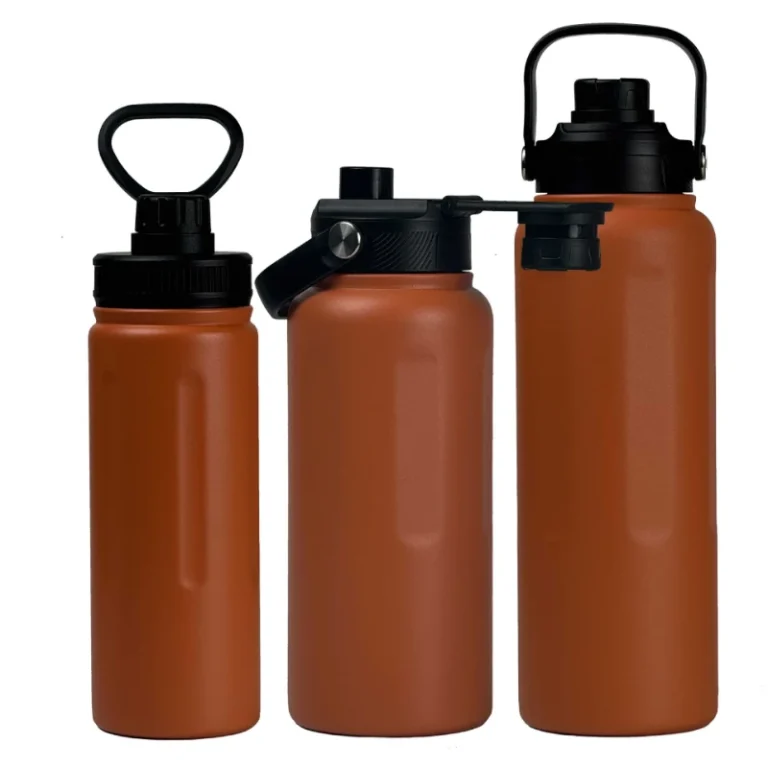
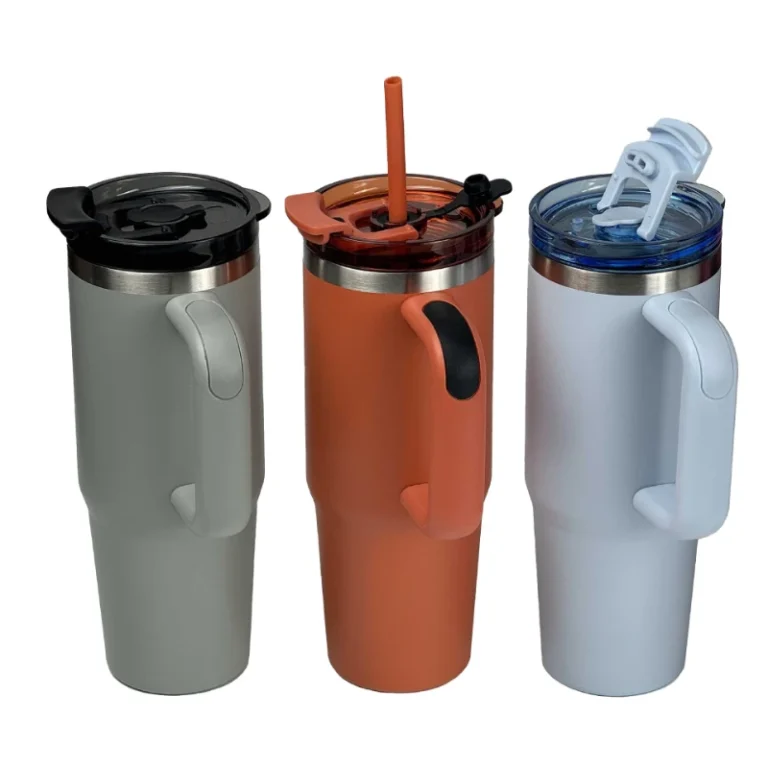
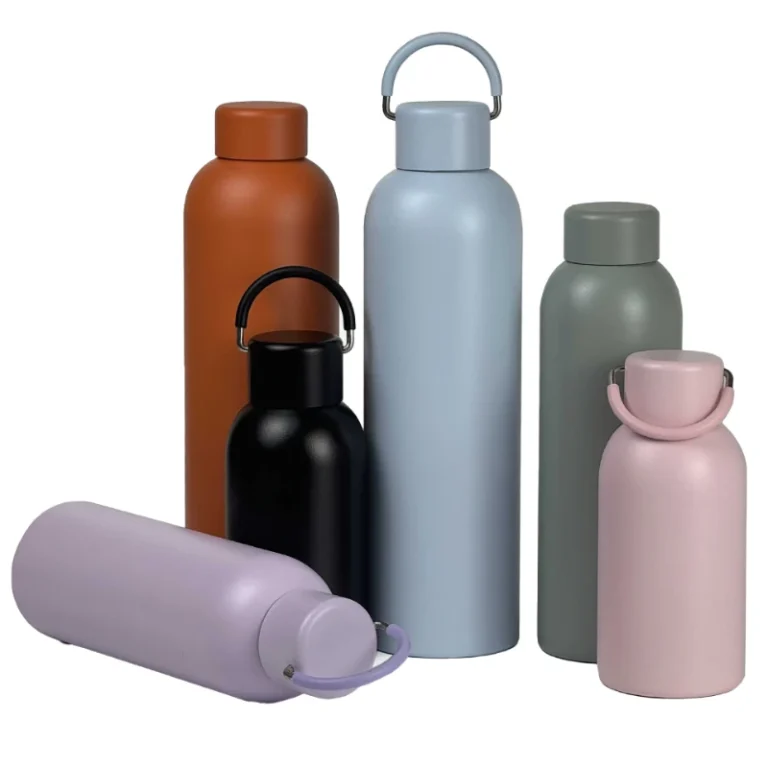
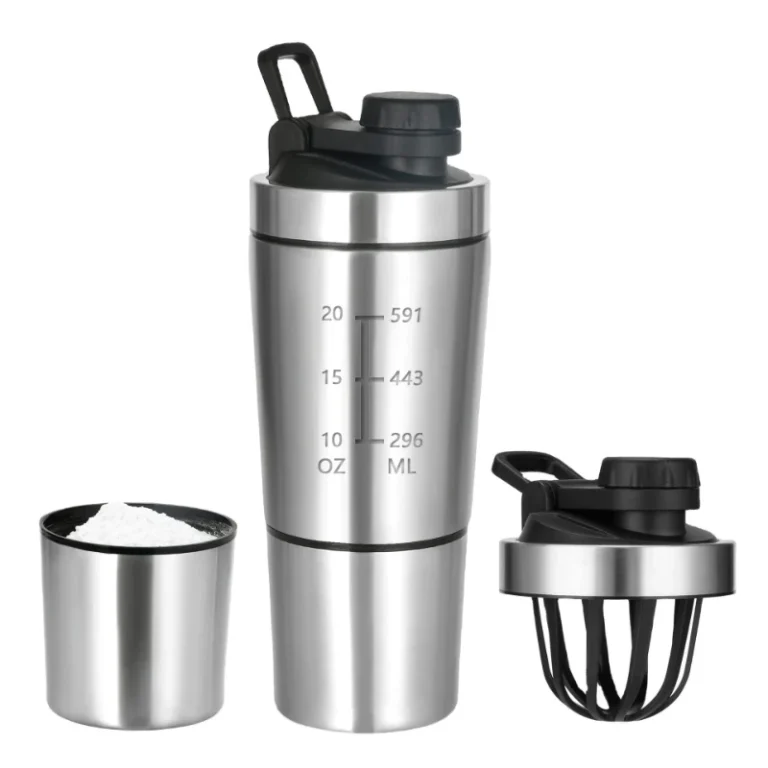
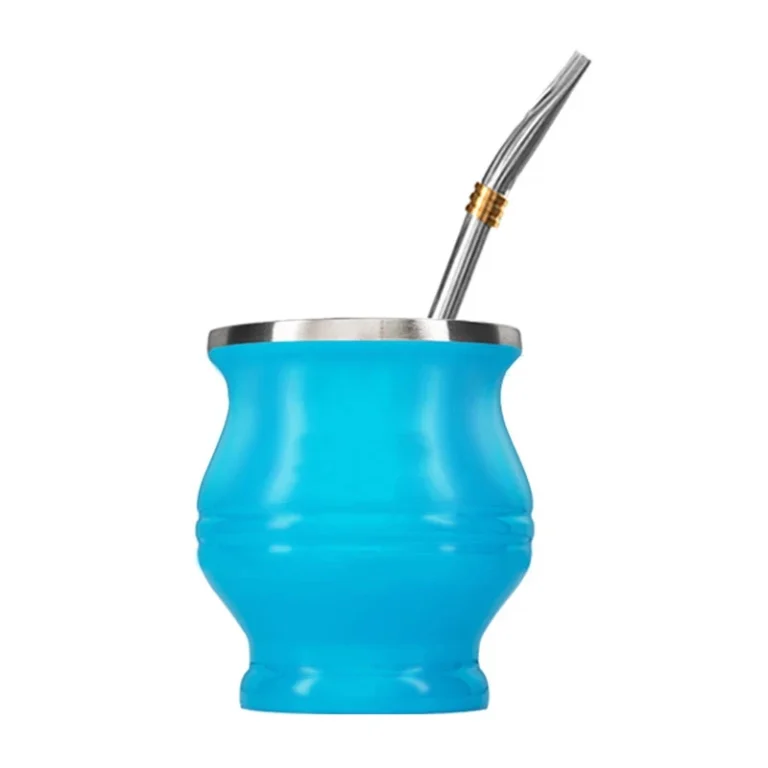
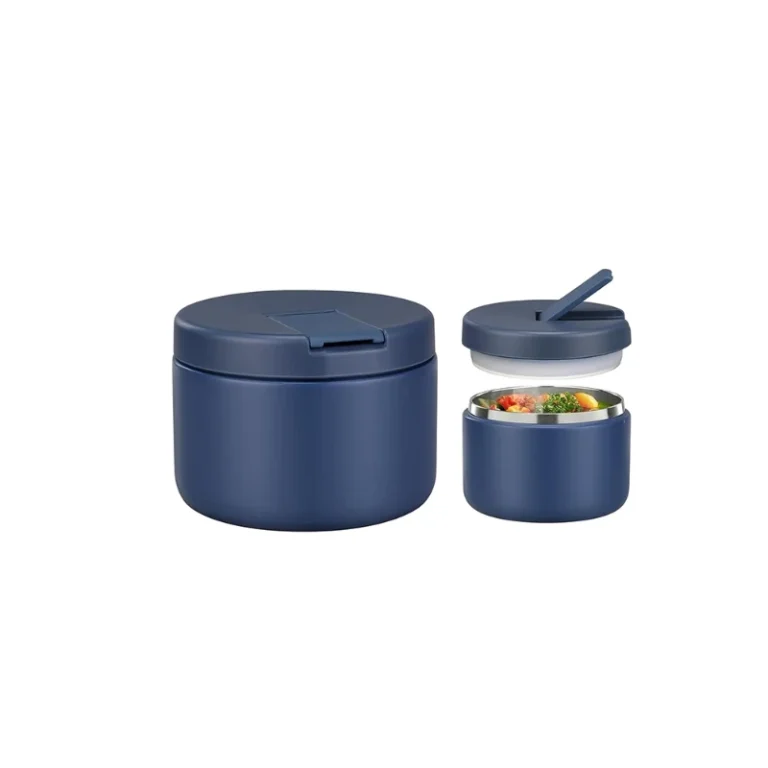
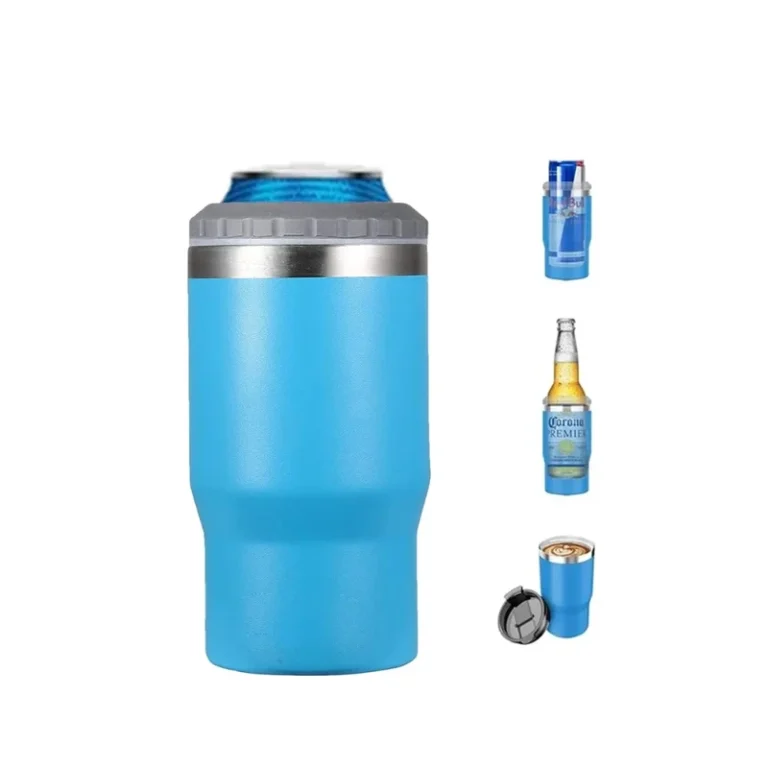
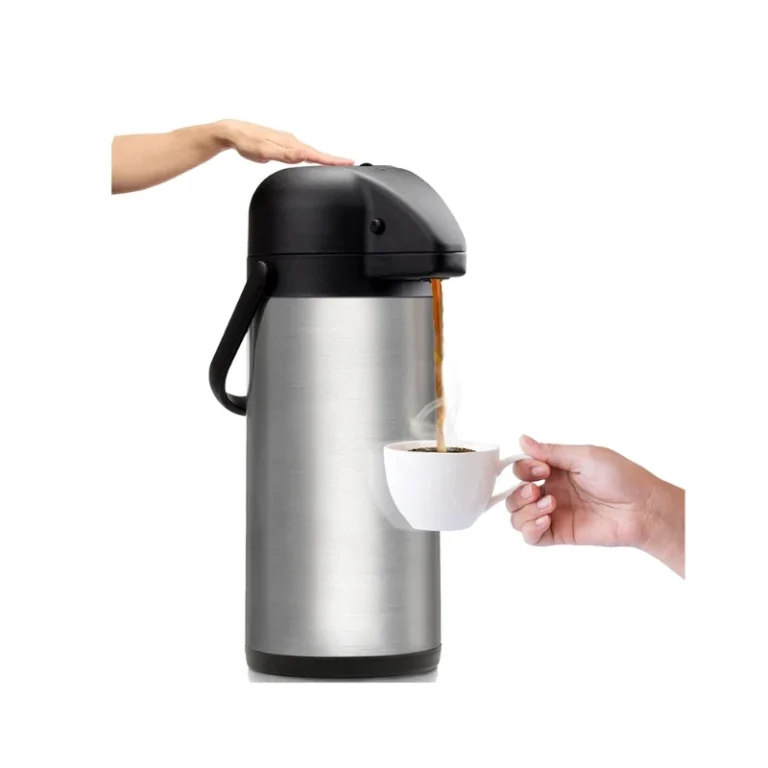
In der schnell wachsenden Getränkeindustrie achten Käufer und Händler zunehmend darauf, woher ihre Edelstahlflaschen kommen und wie sie hergestellt werden. Einzelhändler, Großhändler und Handelsmarken wollen Zuverlässigkeit, Sicherheit und gleichbleibende Qualität - vor allem, wenn sie Wasserflaschen aus Edelstahl, isolierte Wasserflaschen oder andere wiederverwendbare Trinkgefäße für den Vertrieb in großem Maßstab beschaffen.
Um fundierte Kaufentscheidungen treffen zu können, ist es wichtig, den gesamten Herstellungs- und Qualitätskontrollprozess zu kennen. Diese Transparenz hilft nicht nur, Probleme nach dem Kauf zu vermeiden, sondern ermöglicht auch eine langfristige Zusammenarbeit mit einem vertrauenswürdigen Lieferanten von Wasserflaschen aus Edelstahl.
Dieser Artikel nimmt Sie mit auf eine Reise von den Rohstoffen bis zum fertigen Produkt und zeigt, wie ein professioneller Betrieb Haltbarkeit, Leistung und Sicherheit in jeder Flasche gewährleistet, die für den Export von Wasserflaschen hergestellt wird.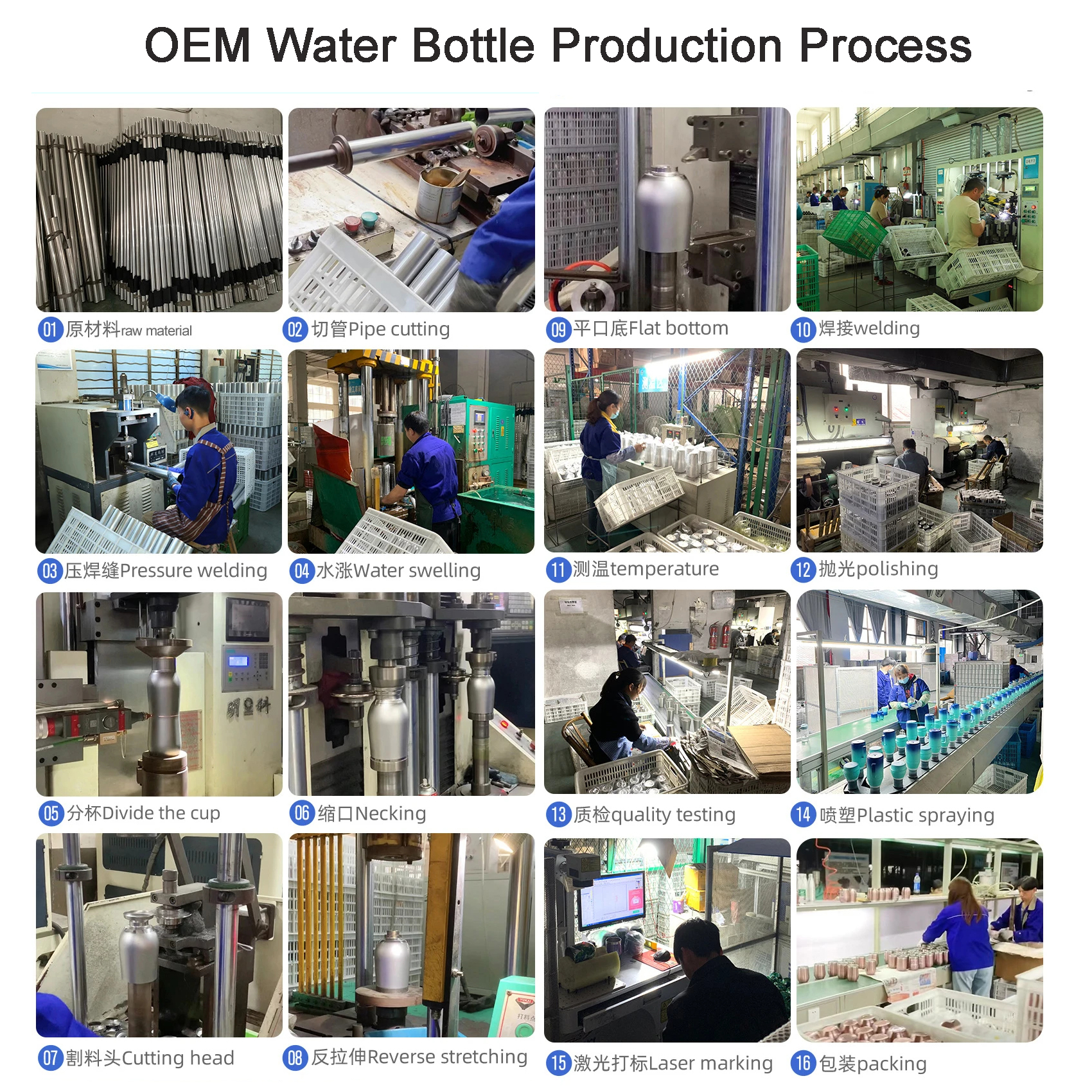
Verstehen, warum Produktionstransparenz wichtig ist
Der weltweite Wandel hin zu einem nachhaltigen Lebensstil hat die Nachfrage nach Flaschen aus rostfreiem Stahl erheblich gesteigert. Doch mit der steigenden Nachfrage gehen auch größere Unterschiede in der Produktqualität einher. Für Großhändler bietet die Transparenz wertvolle Vorteile. Sie ermöglicht es Ihnen zu beurteilen, ob eine Fabrik echten lebensmittelechten Edelstahl verwendet, ob sie über eine zuverlässige Vakuumisolierungstechnologie verfügt und ob ihr Qualitätskontrollsystem Mängel und Versandrisiken minimiert.
Die Kenntnis des tatsächlichen Produktionsprozesses hilft Importeuren auch, versteckte Fallstricke zu vermeiden, wie z. B. uneinheitliche Wandstärken, schlechte Isolierleistung, undichte Deckel oder schwache Beschichtungen. Ein transparenter Hersteller schützt nicht nur Ihren Ruf, sondern unterstützt auch Ihr Unternehmen bei der Expansion in neue Märkte.
Rohstoffe als Grundlage für eine große Flasche
Jede hochwertige Flasche beginnt mit dem richtigen Material. Die meisten Hersteller von Edelstahlflaschen verwenden Edelstahl in Lebensmittelqualität, insbesondere Edelstahl 304 (18/8), der für seine Korrosionsbeständigkeit und Langlebigkeit bekannt ist. Für High-End-Modelle kann Edelstahl 316 verwendet werden, der noch besser gegen Salz und Chemikalien geschützt ist.
Andere wichtige Komponenten wie Tritan-Deckel, PP-Elemente und Silikondichtungen müssen ebenfalls internationalen Sicherheitsstandards entsprechen. Bevor die Produktion beginnt, Grundstoffe werden strengen Kontrollen in Form von Qualitätszertifikaten, Überprüfung der Zusammensetzung und Sichtprüfung unterzogen. Die Wahl des richtigen Materials ist von entscheidender Bedeutung, da es sich direkt auf die Haltbarkeit, die Hygiene und das endgültige Nutzererlebnis auswirkt.
Die Formung des Flaschenkörpers durch Tiefziehen
Der Produktionsprozess beginnt mit dem Schneiden von Edelstahlblechen in runde Scheiben. Diese Scheiben werden dann mit hydraulischen Tiefziehmaschinen zu Flaschenkörpern geformt. Das Metall dehnt sich unter hohem Druck gleichmäßig aus und formt gleichzeitig das Innere und Äußere der Flasche.
Eine gleichmäßige Wandstärke in diesem Stadium ist entscheidend für die spätere zuverlässige Isolierleistung. In den Fabriken werden Präzisionsmaschinen eingesetzt, um sicherzustellen, dass jeder Becher oder jede Flasche genau die Abmessungen hat, die für die nächsten Produktionsschritte erforderlich sind.
Formgebung, Trimmen und Halsformung für Konsistenz
Nach dem Ziehen werden die Flaschenkörper auf eine saubere, gleichmäßige Höhe getrimmt. Der Hals wird dann je nach Art der Flasche geformt - ob es sich um eine Weithalsflasche, einen Kaffeebecher oder eine Isolierflasche im Sportstil handelt.
Für kundenspezifische Designs stellen die Fabriken spezielle Formen her, die der einzigartigen Ästhetik einer Marke entsprechen. Dies ist besonders wichtig für Großhändler, die exklusive Produktlinien oder eine Differenzierung auf konkurrierenden Märkten anstreben.
Schweißen und Nahtveredelung
Einige Flaschen, insbesondere solche mit Griffen, Böden oder besonderen Strukturen, erfordern präzises Schweißen. Das WIG-Schweißen wird in der Regel verwendet, um die Komponenten nahtlos zu verschmelzen. Nach dem Schweißen wird die Naht poliert, bis sie glatt ist, um sicherzustellen, dass die Verbindung sowohl stabil als auch optisch sauber ist.
Starke Schweißnähte tragen zu einer langen Produktlebensdauer bei und helfen den Flaschen, internationale Haltbarkeitstests problemlos zu bestehen. Dies ist besonders wichtig für Käufer, die Flaschen für den Outdoor-, Sport- oder Firmengeschenkemarkt vertreiben.
Polieren für Hygiene und Ästhetik
Das Polieren dient zwei Zwecken: der Verbesserung der Hygiene und der Vorbereitung der Flasche für die Beschichtung oder das Branding. Eine gut polierte Innenfläche sorgt dafür, dass Getränke keinen Geruch oder Geschmack behalten, während das Polieren der Außenfläche eine glatte Grundlage für die Lackierung oder Pulverbeschichtung schafft.
Professionelle Fabriken führen mehrere Poliervorgänge durch, um Unvollkommenheiten zu beseitigen, eine gleichmäßige Textur zu erhalten und das endgültige Aussehen der Flasche zu verbessern.
Erzeugen einer Vakuumisolierung: Das Herzstück einer Isolierflasche
Die doppelwandige Vakuumisolierung ist die charakteristische Technologie hinter hochwertigen isolierten Wasserflaschen. Zwei Edelstahlschichten werden zusammengefügt, und die Luft zwischen ihnen wird abgesaugt, um eine Vakuumbarriere zu schaffen, die eine Wärmeübertragung verhindert.
Dieser Prozess erfordert eine präzise Technologie und eine strenge Auslaufsicherung. Jede Isolierflasche wird einer Leistungskontrolle unterzogen, um zu prüfen, wie lange sie die Temperatur halten kann. So wird sichergestellt, dass das Endprodukt die weltweiten Erwartungen an die Warm- und Kältespeicherung erfüllt.
Starke Isolierung ist ein wichtiges Verkaufsargument für Einzelhändler, insbesondere für Outdoor-Sportarten, Trinkflaschen für das Büro und Lifestyle-Märkte.
Dichtheitsprüfung zur Gewährleistung der funktionalen Sicherheit
Ein kritischer Schritt in der Produktionslinie ist die Dichtheitsprüfung. Die Fabriken führen in der Regel sowohl Luftdruck- als auch Wasserdrucktests durch, um sicherzustellen, dass jede Flasche - oder jede Charge - die strengen Anforderungen an die Dichtheit erfüllt.
Da Undichtigkeiten zu den häufigsten Kundenbeschwerden in der Trinkwasserversorgungsbranche gehören, kann eine Fabrik, die die 100%-Dichtheitsprüfung durchführt, die Rückgabequote drastisch senken und den Ruf einer Marke schützen.
Oberflächenveredelungsoptionen für die Markenidentität
Edelstahlflaschen können je nach Markenidentität und Zielmarkt in verschiedenen Stilen veredelt werden. Zu den gängigen Veredelungsoptionen gehören:
- Pulverbeschichtung für Haltbarkeit und Kratzfestigkeit
- Sprühfarbe für hohe Farbflexibilität
- Elektrolyse für höchste Korrosionsbeständigkeit
- Matte oder glänzende Oberflächen für unterschiedliche ästhetische Vorlieben
- Farbverläufe, Perleffekte und Soft-Touch-Beschichtungen für moderne Markttrends
Großhändler können Oberflächen wählen, die zu ihrer Kundendemografie passen, z. B. minimalistische, matte Töne für Firmengeschenke oder helle Farbverläufe für Fitness- und Outdoor-Kunden.
Hinzufügen von Logos und individuellem Branding
Das Branding verwandelt eine Standardflasche in ein marktfähiges Produkt. Die Fabriken bieten verschiedene Druckverfahren wie Lasergravur, Siebdruck, UV-Druck und Wärmeübertragung an.
Jedes Verfahren dient einem anderen Zweck. Die Lasergravur sorgt für ein dauerhaftes Premium-Logo, während der UV-Druck eine vollfarbige Gestaltung ermöglicht. Für B2B-Kunden und für den Export von Wasserflaschen in großen Mengen ist die individuelle Gestaltung oft der wichtigste Faktor, um sich von der Konkurrenz abzuheben.
Montage von Deckeln und Zubehör
Bei der Montage bringen die Techniker Deckel, Silikondichtungen, Griffe und andere Zubehörteile an. Durch Kompatibilitätsprüfungen wird sichergestellt, dass jeder Deckel perfekt auf den Flaschenkörper passt, um ein Auslaufen zu verhindern und ein reibungsloses Benutzererlebnis zu gewährleisten.
Die ordnungsgemäße Montage ist besonders wichtig für Flaschen, die für die Verwendung im Freien oder für die sportliche Flüssigkeitszufuhr bestimmt sind, wo starke Leistung und Haltbarkeit von entscheidender Bedeutung sind.
Werkseitige Qualitätskontrolle auf der Grundlage internationaler Normen
Ein professioneller Anbieter von Wasserflaschen aus rostfreiem Stahl verfügt über ein mehrstufiges Qualitätskontrollsystem, das Kontrollen in jeder Produktionsphase umfasst. Zu den abschließenden Kontrollen gehören in der Regel Dichtigkeitsprüfungen, Prüfungen der Isolierleistung, Haftfestigkeitsprüfungen für Farben, Prüfungen der Logogenauigkeit, Falltests, Geruchstests und die Überprüfung der Verpackungsintegrität.
Ein strenges Qualitätssicherungssystem ist die letzte Garantie dafür, dass die Flaschen den Exportanforderungen und den Erwartungen der Kunden entsprechen.
OEM- und ODM-Unterstützung zur Markendifferenzierung
Fabriken, die komplette OEM- und ODM-Dienstleistungen anbieten, helfen Unternehmen, schneller zu wachsen. Dazu gehören die Entwicklung von Formen, Verpackungsdesign, Farbanpassung, Produktentwicklung und Unterstützung bei der Markenbildung. Großhändler, die neue Märkte erschließen oder ihren Katalog erweitern wollen, können mit professioneller Unterstützung aus dem Werk eine reibungslose Produktion und eine hohe Marktattraktivität sicherstellen.
Produktionskapazität und Vorlaufzeiten bei Großaufträgen
Eine leistungsfähige Fabrik sorgt für eine stabile Tagesproduktion, ermöglicht eine flexible Anpassung und bietet eine schnelle Durchlaufzeit für Muster und Massenproduktion. Diese Vorteile stellen sicher, dass Vertriebsunternehmen, Einzelhändler und Firmenkunden während der saisonalen Nachfragezyklen pünktlich beliefert werden.
Wie Hersteller häufige Defekte verhindern
Professionelle Fabriken wenden zahlreiche Präventivmaßnahmen an, um Probleme wie abblätternde Farbe, Vakuumfehler, undichte Stellen, Kratzer oder Geruchsprobleme zu vermeiden. Moderne Prüfgeräte und strenge Schulungen tragen dazu bei, eine hohe Konsistenz zu gewährleisten, insbesondere bei großen Exportaufträgen.
Durch diese Präventivmaßnahmen werden Probleme im After-Sales-Bereich erheblich reduziert und das Vertrauen zwischen Lieferanten und globalen Einkäufern gestärkt.
Exporttaugliche Verpackungen für den sicheren weltweiten Versand
Exportverpackungen müssen haltbar und sorgfältig strukturiert sein. Fabriken verwenden in der Regel sturzgeprüfte Kartons, umweltfreundliche Kraftkartons, individuelle Geschenkkartons oder einzelhandelsgerechte Verpackungen. Eine ordnungsgemäße Etikettierung und Palettierung garantieren, dass die Flaschen sicher in den Lagerhäusern oder Erfüllungszentren wie Amazon FBA ankommen.
Eine sichere Verpackung schützt sowohl das Produkt als auch den Ruf der Marke des Großhändlers.
Warum die Wahl des richtigen Herstellers wichtig ist
Die Wahl des richtigen Flaschenherstellers entscheidet über den langfristigen Erfolg Ihrer Marke. Eine Fabrik mit starker Isolierungstechnologie, zuverlässigen Qualitätskontrollsystemen, stabilen Produktionskapazitäten und umfassenden OEM-Dienstleistungen wird durchweg Produkte liefern, die die Erwartungen des Marktes erfüllen.
Eine starke Lieferantenbeziehung sorgt für eine bessere Kommunikation, schnellere Entwicklungszyklen, geringere Fehlerquoten und eine höhere Kundenzufriedenheit - entscheidende Elemente für Unternehmen, die Wasserflaschen aus Edelstahl oder isolierte Trinkgefäße weltweit vertreiben.
Häufig gestellte Fragen für Großhändler
Wie lange kann eine Isolierflasche Getränke warm oder kalt halten?
Die meisten gut verarbeiteten Flaschen halten die Temperatur über mehrere Stunden, je nach Deckelstruktur und Vakuumleistung. Ifun-Edelstahlflaschen kann im Allgemeinen bis zu 70℃ nach 12 Stunden heiß und bis zu 6 Stunden kalt halten.
Können Fabriken individuelle Farben und Logos anbieten?
Ja, die meisten Anbieter unterstützen Pantone-Farbabstimmung, personalisiertes Branding und Verpackungsdesign. Ifun bieten OEM- und ODM-Service, um Ihre individuellen Anforderungen zu erfüllen.
Welche Zertifizierungen sind für die Einfuhr von Mehrwegflaschen erforderlich?
Zu den meisten Zertifizierungen gehören LFGB, FDA und BPA-Freiheit. Ifun bietet ein FDA- und LFGB-Zertifikat zur Überprüfung an.
Wie hoch ist die Mindestbestellmenge für individuelle Designs?
Die meisten Fabriken bieten flexible MOQs an. Ifun Unterstützung moq von 100pcs für kundenspezifische Logo oder Design auf den Flaschen.
Von der Auswahl des Rohmaterials bis zur abschließenden Qualitätskontrolle erfordert die gesamte Produktionskette hinter einer Edelstahlflasche Präzision, Technologie und ein strenges Management. Für Großhändler und Distributoren, die auf der Suche nach Wasserflaschen für den Export sind, macht es das Verständnis des Prozesses einfacher, einen zuverlässigen Anbieter zu wählen, Risiken zu vermeiden und den Ruf der Marke zu wahren.
Ein zuverlässiger Lieferant von Wasserflaschen aus Edelstahl dient nicht nur als Hersteller, sondern auch als langfristiger Partner, der Innovation, individuelle Anpassung und Geschäftswachstum unterstützt. Mit Transparenz, technischem Fachwissen und starken Anpassungsfähigkeiten können Großhändler profitable Produktlinien zur Flüssigkeitsversorgung aufbauen, die den Erwartungen der weltweiten Verbraucher entsprechen.