 German
  English
  Spanish
  Portuguese
  Arabic
  Russian
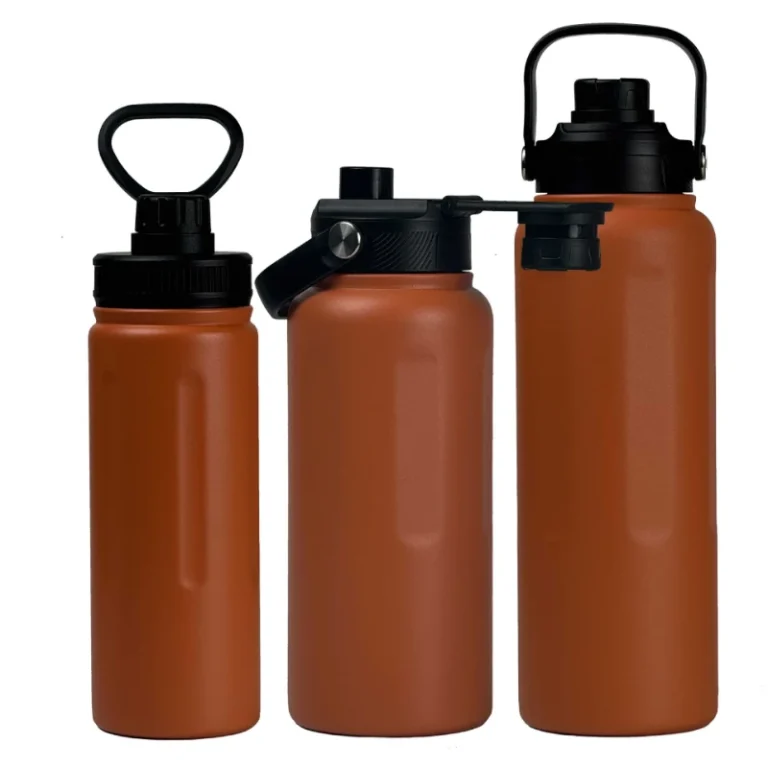
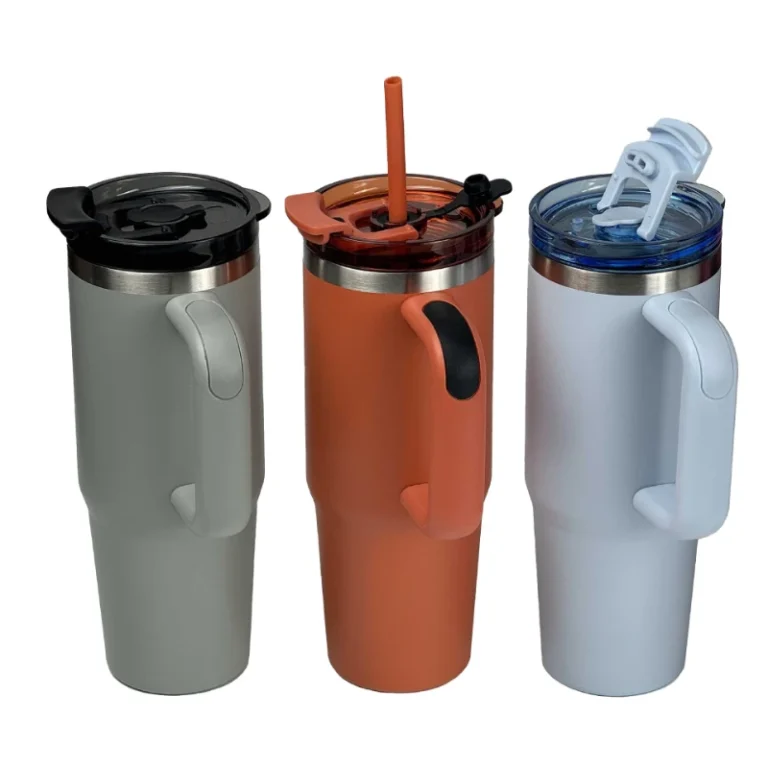
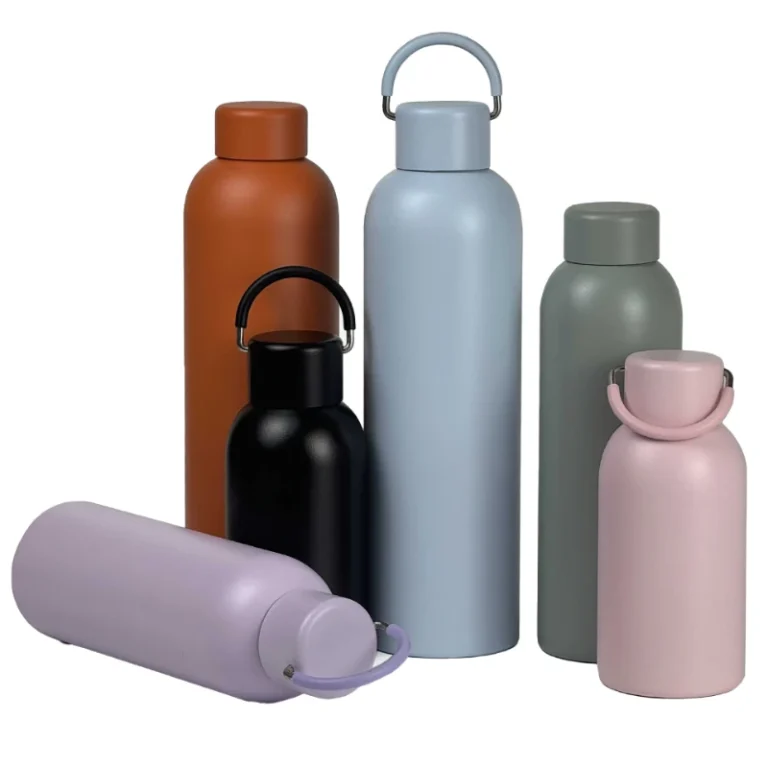
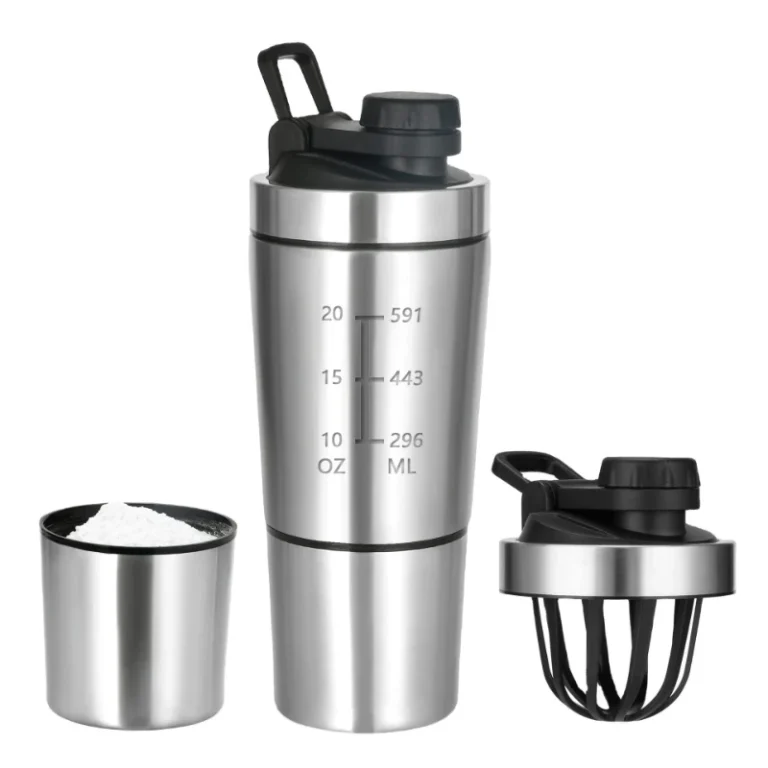
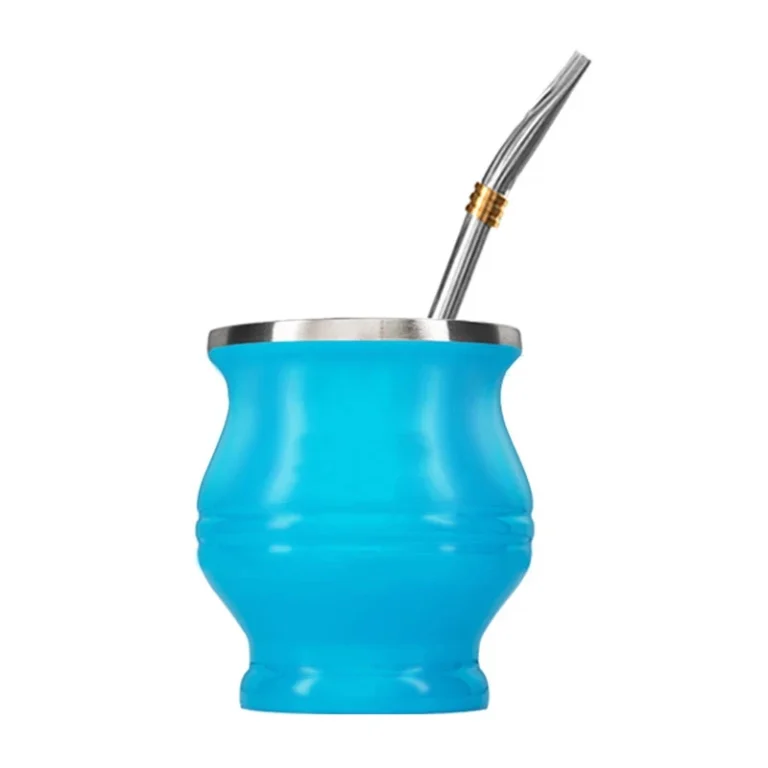
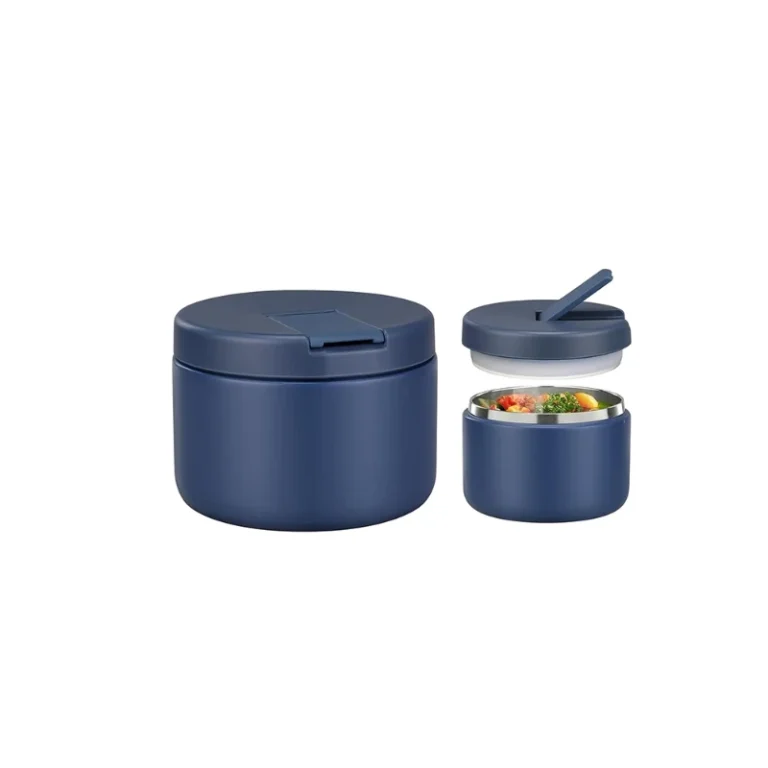
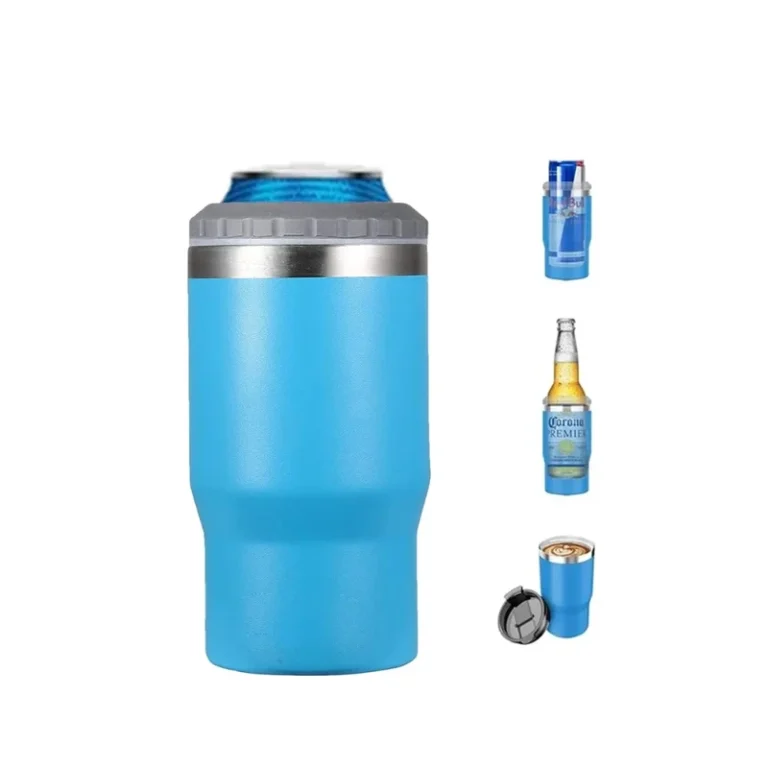
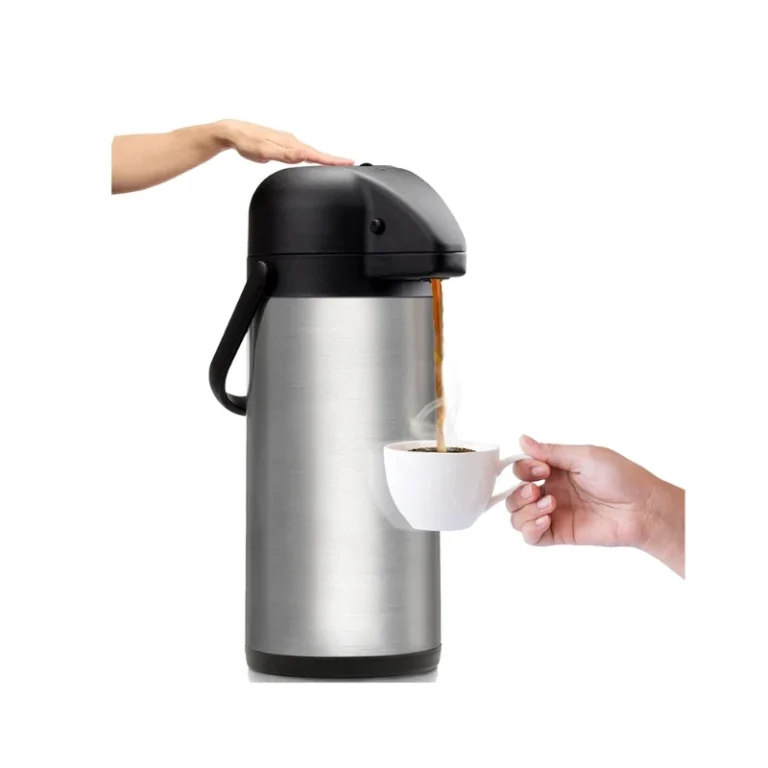
When you pick a stainless steel bottle factory, you want to know what happens inside. You need a supplier who cares about quality and meets your needs. Safety is very important in the water bottle business. 304 and 316 stainless steel meet FDA and LFGB rules for food contact. 201 steel does not pass food-grade tests and should not be used for drink bottles.
Certifications like FDA and LFGB show your supplier follows the right rules for business.
BPA-Free certification means your bottles are safe to use.
ISO 9001 from your supplier shows they have good quality control.
If you learn about the factory’s process and how your supplier checks quality, you lower risk and help your business do better. Your supplier’s choices affect rules and help you avoid problems with products. Picking a stainless steel bottle factory that fits your needs and cares about quality helps your business grow.
Wichtigste Erkenntnisse
Pick suppliers who have FDA and LFGB certifications. This helps make sure the bottles are safe for food and high quality. – Choose 304 or 316 stainless steel for your bottles. These types make bottles strong and safe to use. – Find suppliers who get their materials in good ways and show clear prices. This helps you trust them more. – Ask about how thick the walls are and how they weld the bottles. This makes sure your bottles are strong and do not leak. – Pick suppliers who let you customize bottles. This helps your brand be different from others.
Raw Materials & Quality Standards
Food-Grade Stainless Steel (304 vs 316)
When you pick a stainless steel bottle factory, you want to know what is inside your bottles. The kind of stainless steel is very important. Most factories use 304 or 316 grades. Both are safe for food and drinks. They meet world rules for food safety. You can trust these grades for your business.
Here’s a simple chart showing how 304 and 316 compare:
Standard | 304 Grade | 316 Grade |
|---|---|---|
FDA compliance | Ja | Ja |
LFGB certification | Ja | Ja |
Food-grade safety | Ja | Ja |
BSCI audit compliance | Ja | Ja |
You may ask, “What is different?” Both grades keep drinks safe. 316 stainless steel does not rust easily. It works well near the ocean or in tough places. If your customers use bottles outside or near saltwater, 316 is a good pick. For most uses, 304 works fine and costs less.
Tipp: Always check with your supplier about the grade they use. This helps you avoid unsafe materials like 201 steel.
Sourcing Practices & Supplier Selection
You want bottles that last and make customers happy. That starts with picking the right supplier. Not all suppliers follow the same rules. Some do not care about quality, but good suppliers have strong sourcing practices.
A good supplier has trusted partners. They check every batch of steel for quality. They do regular audits and set high standards for every order. This means you get bottles that pass safety tests and meet your country’s rules.
Here’s what to look for when picking a supplier:
Kriterien | Beschreibung |
|---|---|
Food-grade material compliance | Suppliers must use materials that meet food-grade standards (18/8 or 304 stainless steel). |
Safety certifications | Current certifications such as FDA, LFGB, and ISO 9001 are essential for reliability. |
Produktionskapazität | Adequate production capacity ensures suppliers can meet demand. |
Customization services | Comprehensive customization options are important for meeting specific business needs. |
Transparent pricing | Clear pricing structures with reasonable minimum order quantities (MOQs) are necessary. |
Supply chain management | Reliable supply chain management is crucial for consistent product availability. |
Sustainability certifications | Suppliers should have certifications for recycled content (RCS, GRS) and carbon footprint reduction programs. |
You should ask about their supply chain. Do they use recycled steel? Do they work with local partners to save shipping time? These questions help you find good suppliers who care about the planet and your deadlines.
Anmerkung: Working with suppliers who use eco-friendly practices can help your brand look better.
Picking a supplier is not just about price. It is about trust, safety, and long-term success. You want a partner who cares about quality like you do.
Material Thickness & Durability
How a bottle feels in your hand tells you a lot. Thicker walls make bottles stronger. They last longer and can handle drops and bumps. If your customers use bottles for hiking, sports, or travel, you want extra strength.
Thicker walls mean bottles are tougher.
Bottles with more thickness do not dent easily.
This is great for outdoor and sports bottles.
A bottle with thin walls may cost less, but it will not last. You want your brand to stand for quality. Picking the right thickness helps you avoid returns and keeps your customers happy.
Alert: Ask your supplier about wall thickness. It is a small detail that makes a big difference in quality.
When you focus on picking the right supplier, quality, and good materials, your business will do well. You get bottles that look nice, last long, and make your customers want to buy again.
Stainless Steel Bottle Factory Production Process
Body Forming & Shaping
The journey starts with raw stainless steel sheets. Factories use stamping machines to press these sheets into the basic shape of a bottle. You might hear loud bangs as the metal bends and forms. This step sets the foundation for strength and durability.
Here’s a simple look at the main steps for body forming and shaping:
Raw Material Preparation: Workers check and cut stainless steel sheets.
Pipe Making: Machines roll the sheets into tubes and weld the seams.
Pipe Cutting: The tubes get cut into the right length for bottles.
Pipe-End Deburring: Workers smooth the ends so there are no sharp edges.
Water Bulging: High-pressure water expands the tubes into the bottle shape.
Bottle Dividing: Machines cut the shaped tubes into individual bottles.
Necking Spinning: The neck of each bottle gets shaped by spinning.
Rim Scrap Cutting: Extra metal around the neck is trimmed away.
Bottle Shaping: High-speed spinning shapes the mouth and bottom.
Bottom Cap Welding: The bottom piece is welded to seal the bottle.
Tipp: Factories may add a copper lining to the inner tank for better temperature control. This step is optional but can boost your product’s value.
You want your bottles to feel solid and look smooth. These forming steps make sure each bottle meets your standards. If you care about outdoor or sports use, ask your supplier about wall thickness and shaping methods.
Seamless Welding & Structure Sealing
Welding is where the magic happens. This step joins the bottle’s parts into one strong piece. Factories use advanced welding machines, often with lasers, to create smooth, almost invisible seams. You want these seams to be perfect because they keep the bottle leak-proof.
Here’s why seamless welding matters:
Merkmal | Beschreibung |
|---|---|
Schweißen | The side seams of the bottle are welded to create a sealed, continuous body. |
Seam Processing | The welded seam is cleaned and polished to remove any irregularities. |
Automated welding makes the joints strong and smooth.
Seamless welding removes weak spots, so bottles last longer.
Polishing the seams keeps the inside safe for drinks.
Alert: Always ask your supplier about their welding process. Seamless welding means fewer leaks and better quality for your customers.
You want bottles that hold up under pressure. Seamless welding gives you that peace of mind. It also helps your brand avoid complaints about leaks or broken bottles.
Mouth Forming & Tolerance Control
The bottle’s mouth is where your customers interact most. If the mouth is not shaped right, lids won’t fit, and leaks can happen. Factories use high-speed spinning and precise tools to form the mouth. They check every bottle for size and roundness.
Here’s what happens during this stage:
Machines spin and shape the mouth for a perfect fit.
Workers measure the opening to make sure it matches the lid.
Any bottle that does not meet the size rules gets fixed or recycled.
Anmerkung: Tolerance control means keeping every bottle within strict size limits. This step is key for leak-proof performance and happy customers.
You want your bottles to work with different lids and accessories. Precise mouth forming and tight tolerance control make this possible. If you plan to offer custom lids or branding, talk to your supplier about their mouth forming process.
Why This Process Matters for Your Business
You care about quality, and so do your customers. Each step in the factory—from forming to welding to mouth shaping—affects how your bottles look, feel, and perform. Seamless welding and precise forming help you avoid leaks and returns. Customization is now a big trend, so you can ask for special shapes or features that fit your market.
Tipp: Choosing the right materials and working with a factory that controls every step helps you build a strong brand. You get bottles that last, look great, and keep your customers coming back.
Surface Finishing & Customization
Internal Cleaning & Polishing
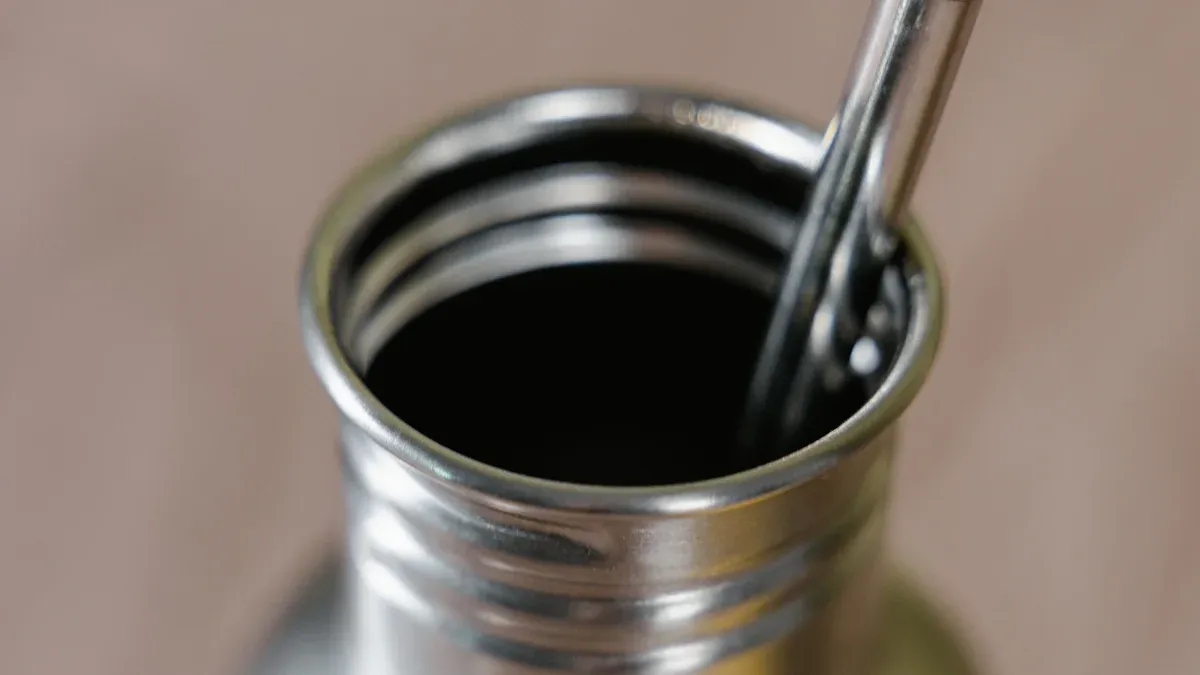
You want your bottles to be safe and taste good. That starts with a clean inside. Factories use machines to polish the inside until it shines. This smooth surface keeps metal from getting into drinks. It also makes cleaning simple and stops old flavors from staying.
A shiny inside keeps bacteria away.
Passivation adds a layer that keeps drinks safe.
Chrome-like finishes stop reactions with acidic drinks, so flavors stay pure.
If you care about quality, ask your supplier about cleaning. Good customization capabilities should always include great internal polishing.
Powder Coating, Spray Painting & Branding
You want your bottles to look nice and last long. The finish is important. Factories use different ways to add color and style. Powder coating is tough and gives bright colors. Spray painting works too, but it does not last as long.
Merkmal | Pulverbeschichtung | Spritzlackierung |
|---|---|---|
Superior, tougher shell | Less resistant, prone to scratches | |
Chip Resistance | High, minimal chipping | Low, chips easily |
Longevity | Longer-lasting color retention | Shorter lifespan, fades quickly |
Korrosionsbeständigkeit | Better long-term performance | Good, but less effective over time |
Powder coating gives a finish that resists chips and scratches. It helps bottles keep their color after many washes. This method is better for the planet. When you want customization capabilities, make sure your supplier offers powder coating, spray painting, and branding like laser engraving or full-color logos.
Tipp: Ask for samples to see how each finish looks and feels. Your brand should have the best.
Design Options for Business Needs
You want bottles that match your brand and fit your customers’ lives. Factories now offer many customization capabilities to help you stand out. You can pick the size, shape, and cap style. You can choose from matte, glossy, or metallic finishes. You can even add your logo with laser engraving or full-color printing.
Choose size and capacity for your audience.
Select cap styles like screw caps, flip-tops, or straw lids.
Pick from a wide range of colors and finishes.
Personalize with your logo for a professional touch.
Try double-wall or recycled stainless steel for special markets.
Some customization capabilities may need a minimum order. Adding logos or special features can change the price per bottle. Talk with your supplier about all the options. The right customization capabilities help your bottles stand out and make your brand easy to remember.
Assembly, Quality Control & Compliance
Lid Assembly & Leak-Proof Testing
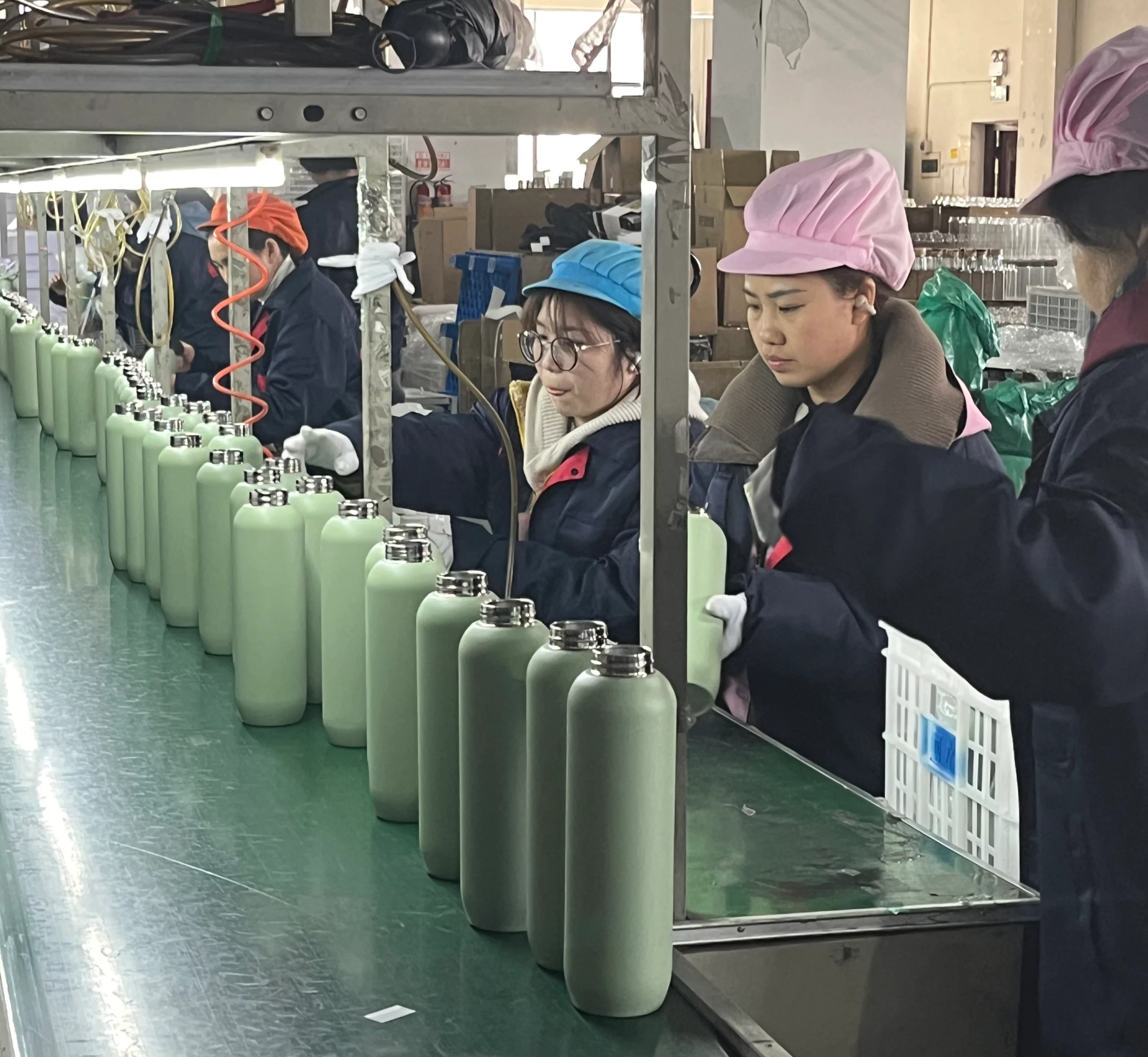
You want every bottle to work right out of the box. That means the lid must fit tight and never leak. In a stainless steel bottle factory, workers follow a careful process to make sure you get premium quality manufacturers’ results. Here’s how it usually goes:
Workers press the inner and outer bottles together with a machine.
They attach the round bottom to the bottle and press it in place.
The team welds the outer bottle and bottom to get ready for vacuum insulation.
They check all welds to make sure nothing is loose or weak.
Every bottle goes through leak, insulation, torque, and drop tests in the lab.
After this, workers inspect the welds again. They look for any problems and remove bottles that don’t pass. The lid, often made from plastic or wrapped in stainless steel, gets tested for leaks. If it fails, it doesn’t reach you. This level of quality control protects your brand reputation and helps you avoid costly returns.
In-Process & Final Quality Inspections
You want to trust that your supplier checks every step. Premium quality manufacturers take responsibility for quality control. They don’t wait until the end. They check during each stage. Here’s what you can expect:
Visual checks for dents, scratches, or welding issues.
Leak tests with water and air pressure.
Torque tests to see if the lid stays tight.
Drop tests to check durability.
After these checks, workers pack each bottle in its own bag. This keeps them clean and safe for shipping. You can ask for extra inspections if you want even higher quality. Good quality control means fewer problems and more success for your business.
Tip: Work with suppliers who show strong corporate social responsibility. They care about both quality and worker safety.
Certifications & Export Standards
You need bottles that meet rules in your country. Critical certifications help you sell with confidence. Here’s a quick look at what you should check:
Certification/Regulation | Beschreibung |
|---|---|
DoC (Declaration of Conformity) | Needed for EU imports. Shows company info and compliance with EU rules. |
REACH | Limits harmful chemicals in the EU. Must pass before import. |
Lab Testing | Proves bottles meet local laws. Use trusted labs. |
You also need to watch for these:
FDA rules for food contact in the US.
ISO standards for food safety and quality management.
California Proposition 65 for chemical safety.
EU Regulation (EU) No. 10/2011 for food contact safety.
BPA-free certification is a must. It shows your bottles are safe and free from harmful chemicals. Third-party groups often give this certification. This helps your brand reputation and builds trust with buyers.
Factories face many compliance issues. You can lower risk by working with suppliers who have all the right certification and strong quality control systems. Ask about their sustainability and ethical manufacturing programs. This shows real corporate social responsibility and helps your business stand out. Always review their pricing and transparent pricing structure to make sure you get the best value without hidden costs. When you focus on manufacturing quality, you set your business up for long-term success.
Choosing the Right Stainless Steel Water Bottle Supplier for Your Business
Factory Location & Shipping Considerations
You want your supplier to deliver bottles on time. This helps your business run smoothly. Where the factory is matters a lot. If the factory is near big ports or shipping centers, you get your bottles faster. This also saves you money on shipping. Fast delivery means you do not have to wait long. It also keeps your supply chain strong. Ask your supplier who ships their bottles and how they handle customs. A good supplier will tell you when your order will arrive. They will also give you tracking for every order. If a supplier gives unclear answers or has hidden fees, be careful. You should look for another supplier. Good supply chain management helps your business grow.
Business History & Reputation
You need a supplier with a good reputation. Their business history shows if they keep promises. Look for these signs:
Indikator | Ideal Value |
|---|---|
Pünktliche Lieferung | >95% |
Wiederbestellungsrate | >25% |
Customer review scores | ≥4.5/5.0 |
Zertifizierungen | FDA, SGS |
A strong supplier uses food-grade stainless steel. They give you Material Test Reports. They have certifications like FDA, LFGB, and SGS. Check their on-time delivery rate and customer reviews. High reorder rates mean other businesses trust them. If you see bad reviews or missing certifications, keep looking. Your business needs a supplier with a great reputation.
Supplier Communication & OEM Support
Good communication with your supplier makes things easier. You want a supplier who listens and answers fast. Clear talks stop mistakes and keep your business safe. OEM support lets you make custom bottles. This helps your bottles stand out. Ask how they handle custom orders. If they only care about looks and not how bottles work, that is a warning sign. Pick a supplier who explains rules and helps you avoid trouble.
Here is why working with a factory or supplier is good for your business:
You get strong bottles that do not get returned often.
You control costs by getting good materials.
Custom options help your brand and profits.
Careful checks find problems early.
If a supplier is slow to reply or gives unclear answers, move on. The right supplier will help your business grow. You want a partner who cares about your reputation too.
If you learn how a stainless steel bottle factory works, you can avoid problems and get better bottles. Choosing the right supplier gives you good quality and fast delivery every time. This helps your customers trust you and makes your business stronger. You should talk often with your supplier and treat them like a teammate. Here is a simple checklist to help you pick:
FDA, LFGB, and ISO 9001 certifications
Easy to see how much they can make and fair MOQs
Quick and clear answers to your questions
Ready to send you samples
Good rules for the environment and treating people right
No past problems with quality or broken promises
When you pick the right supplier, your business can do well.
FAQ
What is the difference between 304 and 316 stainless steel bottles?
304 stainless steel works well for most drinks. 316 stainless steel resists rust better, especially near saltwater. If your customers use bottles outdoors or at the beach, 316 is a smart choice.
How do I know if a supplier uses food-grade materials?
Ask for certifications like FDA, LFGB, or ISO 9001. You can also request a Material Test Report. Good suppliers share these documents and answer your questions quickly.
Can I customize the color and logo on my bottles?
Yes! You can pick colors, finishes, and add your logo. Many factories offer powder coating, spray painting, and laser engraving. Always ask for samples before you order.
How do factories test bottles for leaks?
Factories fill bottles with water and check for leaks. They also use air pressure tests. If a bottle leaks, it does not pass. This helps you get reliable, leak-proof products.