German
  English
  Spanish
  Portuguese
  Arabic
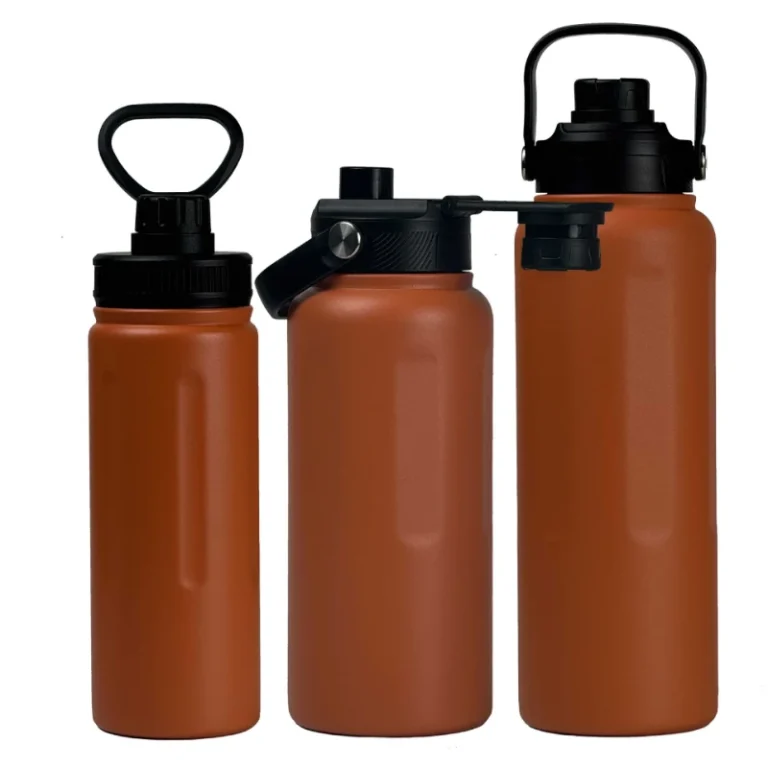
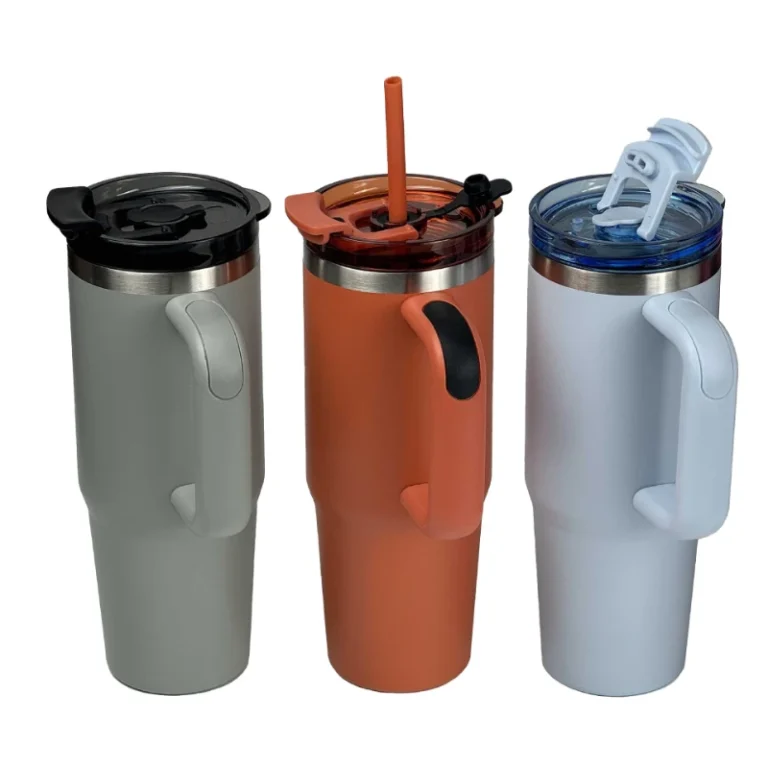
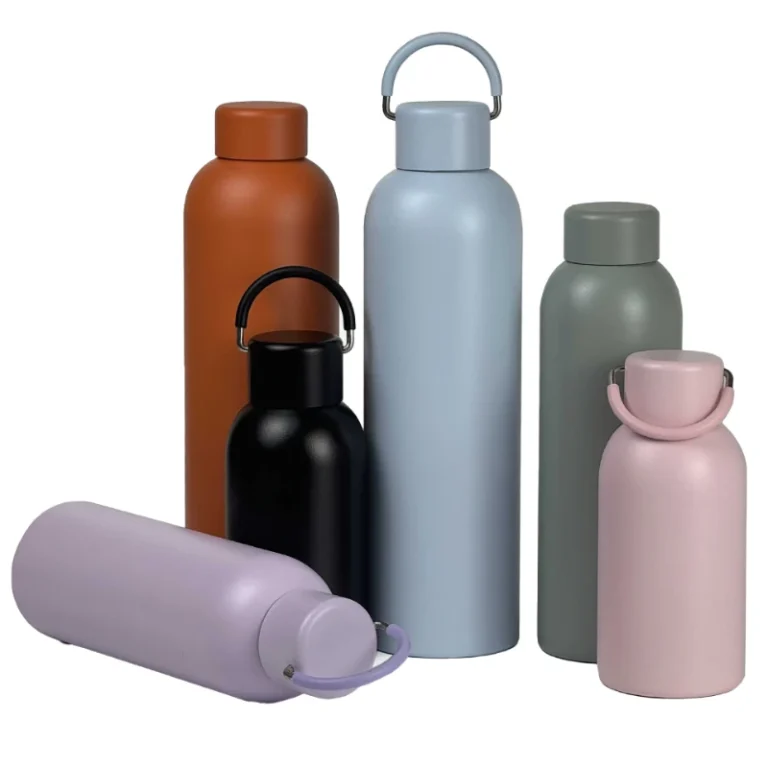
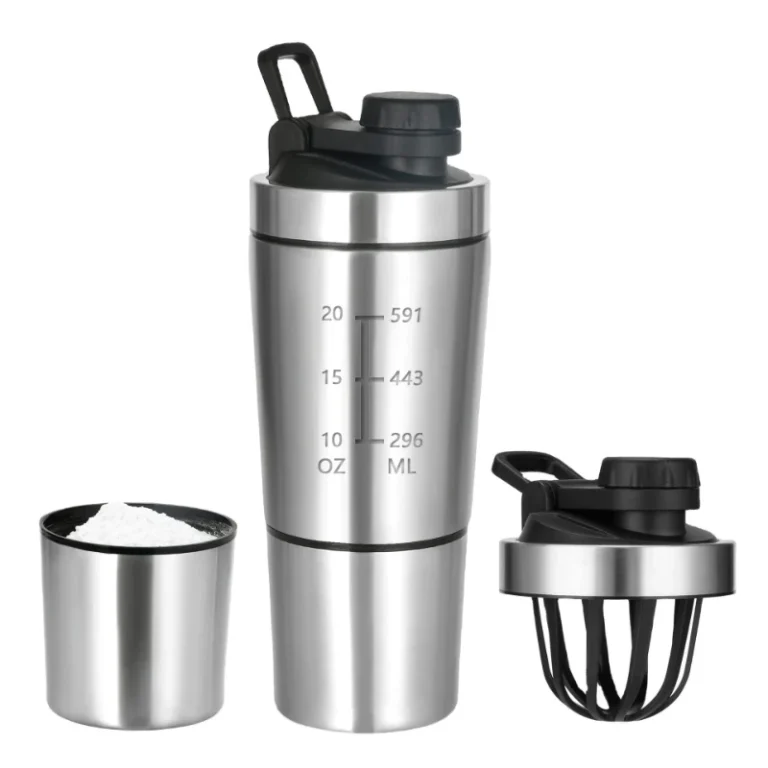
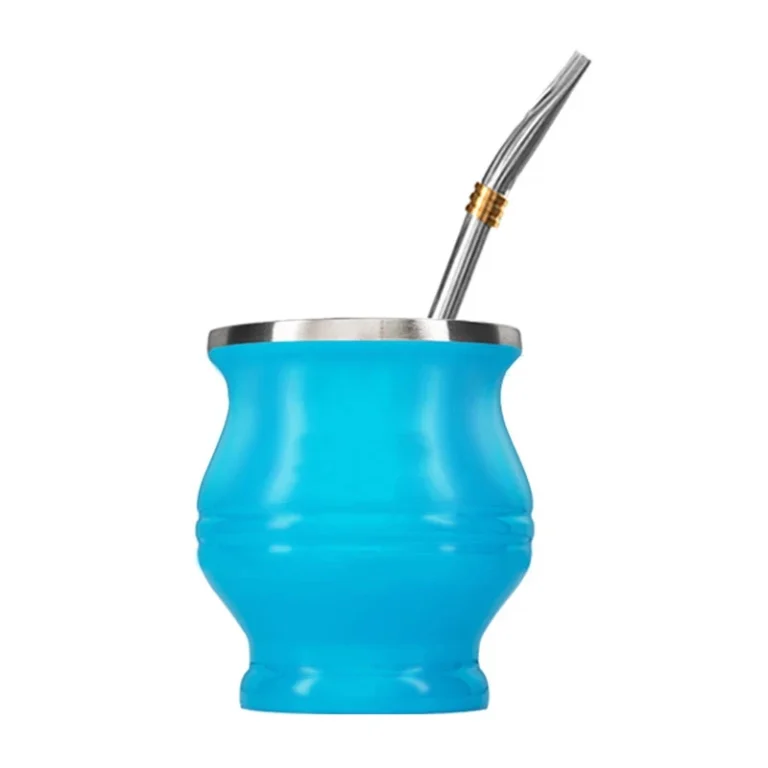
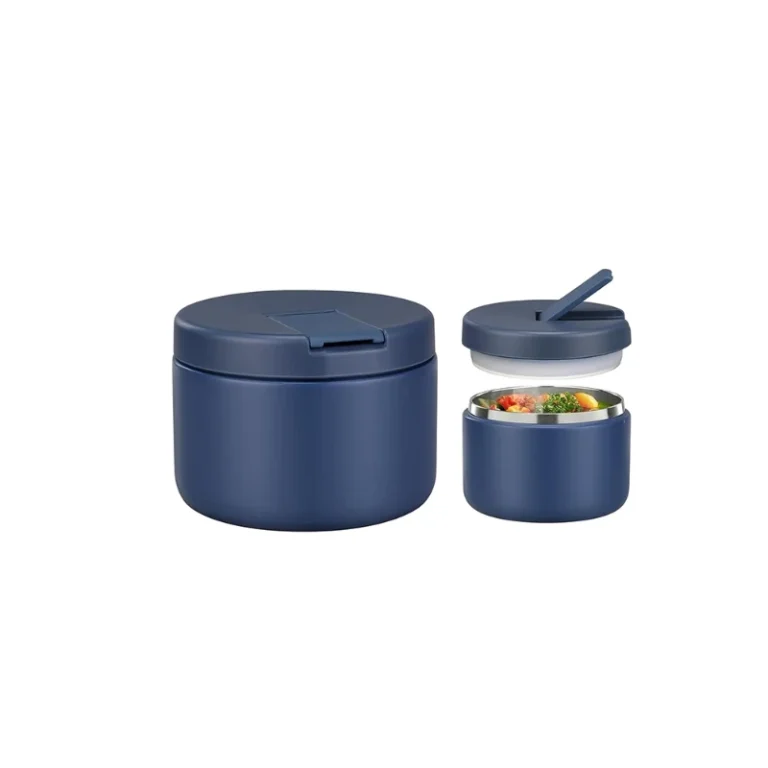
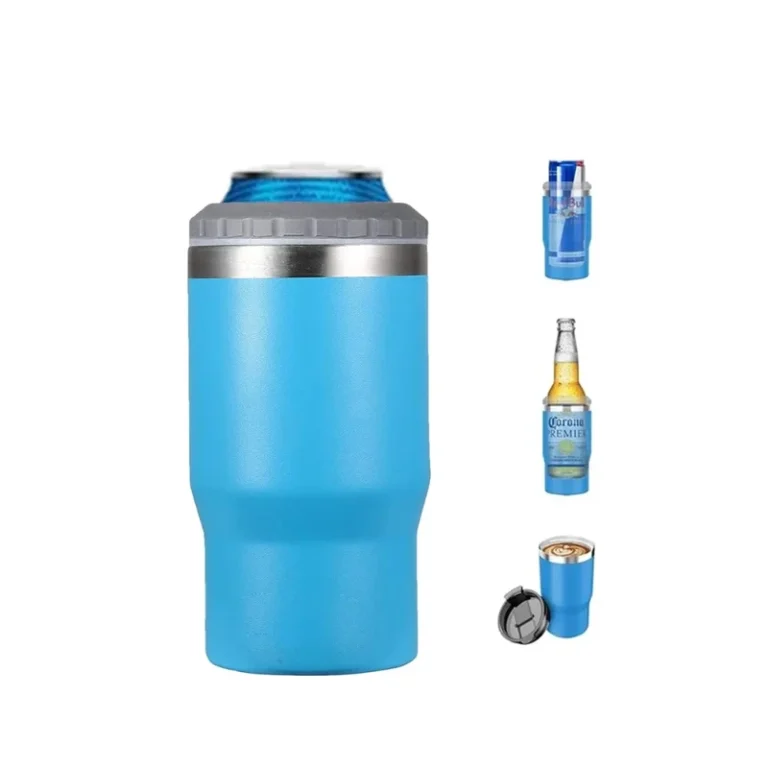
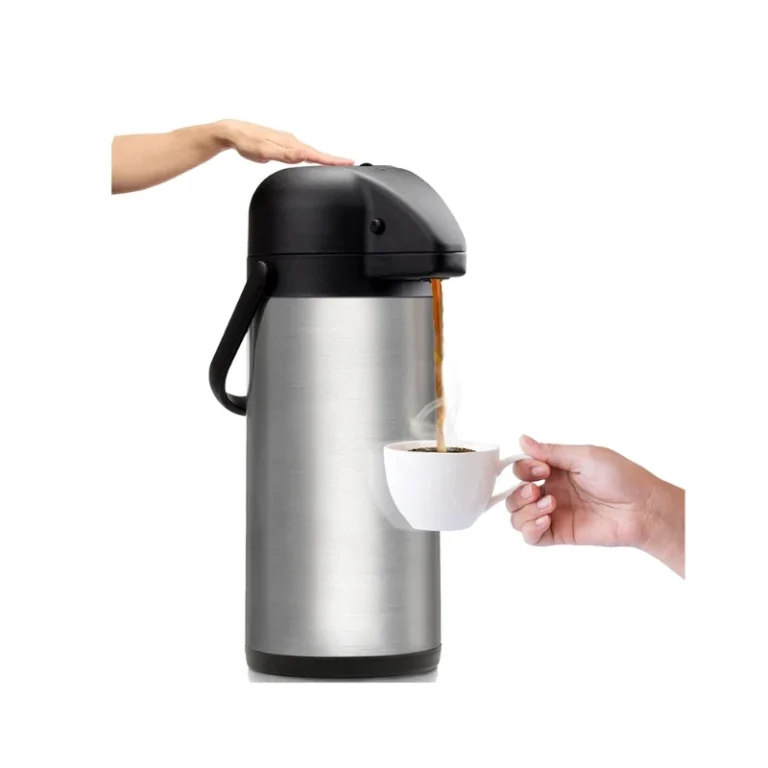
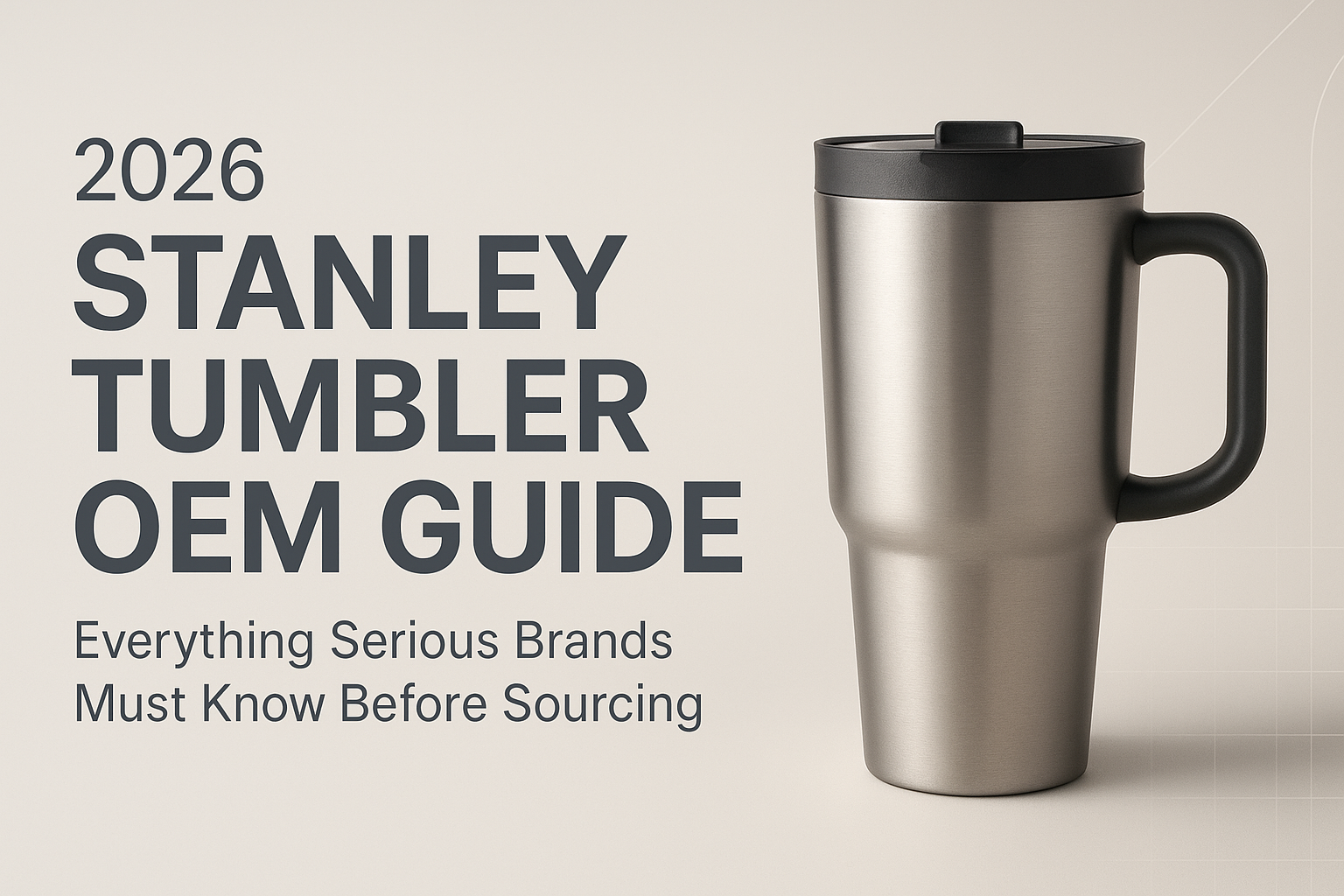
The best way to find a good Stanley Tumbler OEM partner is to do careful research, make clear rules, and check each factory closely. Bad sourcing can lead to poor quality, late orders, and extra costs. Picking a trusted OEM helps keep your brand safe and makes customers happy. You will feel less worried, your business can grow, and you will have fewer problems in your supply chain.
Why Stanley-Style Tumbler OEM Demand Remains Strong in 2026
The Global Shift Toward Premium Insulated Drinkware
In 2026, more people want better insulated drinkware. This is happening for a few reasons:
-
Influencers and social media make these products more popular.
-
Brands show tumblers as cool lifestyle items, not just cups.
-
People want products that fit their style and daily life.
Insulated tumblers are now more than just for keeping drinks hot or cold. They show you care about quality and your own brand. If you run a business, you need to see how these changes affect Stanley Tumbler OEM products.
Why 40oz Handle Tumblers Still Lead the Market
The 40oz handle tumbler is still the favorite for many people. You can see why it is so popular. Customers like that it is useful and looks good. The big size is great for busy days. The handle makes it easy to carry. People use these tumblers at work, in the car, or at the gym.
Tip: When picking a Stanley Tumbler OEM partner, ask if they know how to make lots of 40oz models. Factories with good mold and handle skills do a better job.
New 2026 Consumer Expectations: Design, Durability & Sustainability
In 2026, customers want more from their tumblers. They do not just want something strong. They also want:
-
Cool and modern designs
-
Tumblers that last a long time
-
Eco-friendly materials and packaging
People now care a lot about sustainability when they buy things. You should pick a Stanley Tumbler OEM that uses good materials and smart ways to make products. This helps your brand look better and makes customers trust you.
What Serious Brands Must Know Before Sourcing OEM Tumblers
How 2026 Buyer Standards Differ From Previous Years
When you buy tumblers in 2026, things have changed. Buyers want more than just good quality. They look for better insulation and cool designs. They also want eco-friendly materials. You need to check if your Stanley Tumbler OEM partner can do all this. Many brands now want proof that products are strong and green. You should ask for test reports and design samples before you agree to anything.
Note: Buyers want fast replies and clear answers. Work with factories that respond quickly and give updates often.
The True Risks Behind Low-Price OEM Quotes
Low prices might seem good at first. You may think you save money, but cheap deals can hide problems. Some factories use thin steel or skip important checks. This can cause leaks, weak handles, or peeling coatings. If you pick the lowest price without checking, your brand could get hurt.
|
Risk |
Impact on Your Brand |
|---|---|
|
Thin steel |
Poor insulation |
|
Weak handles |
Customer complaints |
|
Bad coating |
Returns and refunds |
Always ask for a list of costs. Compare prices and see if any steps are missing.
Why Factory Transparency Matters More Than Ever
You need your Stanley Tumbler OEM factory to be open and honest. Good suppliers show their certificates, photos, and test results. You should visit the factory or ask for live video tours. Partners who are open help you avoid problems and keep your supply chain safe.
Tip: Ask for safety papers and audit reports from outside groups. This helps you make sure the factory follows the rules and makes good products.
Understanding the Stanley Tumbler OEM Manufacturing Process (2026)
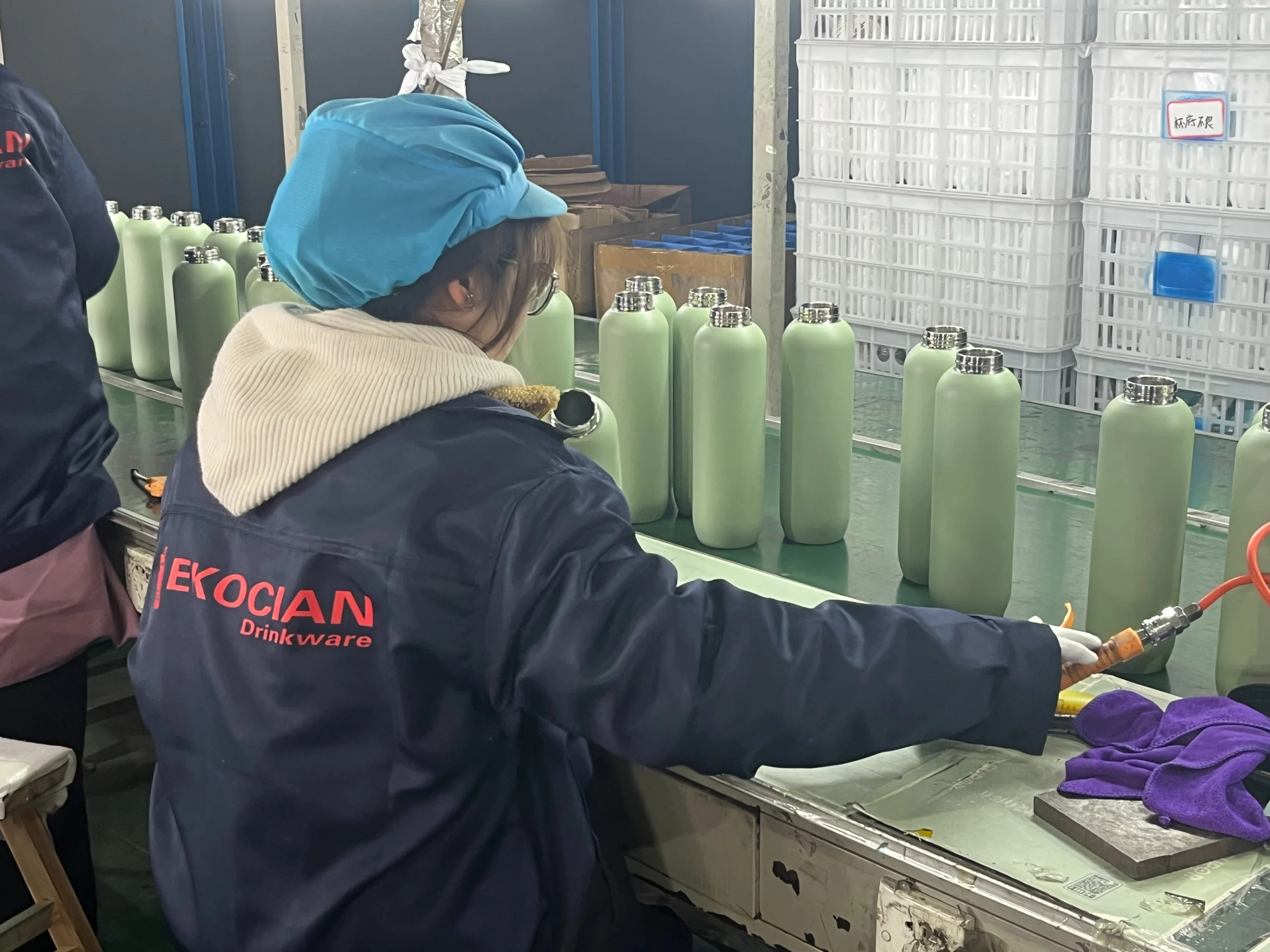
Stainless Steel Material Selection (304 vs 316)
You need to pick the right stainless steel. Factories use 304 or 316 stainless steel. Each type has its own good points. 316 stainless steel does not rust easily. It has molybdenum, which helps with salty or sour drinks. 304 stainless steel is cheaper and works for daily use. Both types are safe for food. 316 is better for tough places with water. If both are the same thickness, they are both strong. Picking the right steel keeps your products safe and strong.
Double-Wall Vacuum Structure Engineering
A double-wall vacuum keeps drinks hot or cold. Factories use special machines to seal the walls tightly. This stops heat from moving between the walls. It makes insulation better. Ask your supplier how they test the vacuum. This helps make sure the tumbler works well every time.
Welding Technology & Updated 2026 Insulation Standards
New welding technology joins tumbler walls without gaps. In 2026, rules say welds must be better. This stops leaks and weak spots. Check if your factory follows these new rules. Automated welding helps make tumblers stronger.
Powder Coating Improvements and Textured Options in 2026
Powder coating keeps tumblers safe and looking nice. In 2026, factories offer more textures and scratch-proof coatings. You can pick matte, shiny, or special textures. Ask your supplier how they test coatings. This makes sure colors last a long time.
Tumbler Lid Engineering
Rotating Spill-Proof Lids
Rotating lids help stop spills. Look for lids that work well and look good. Some brands care more about looks than stopping leaks.
Straw Lids & Patented Mechanisms
Straw lids need tight seals and easy parts. Factories should test these for leaks and strength.
Leakproof Sealing Rings
Sealing rings keep drinks inside. Make sure your supplier uses good materials and tests for leaks.
Tip: Do not pick the cheapest factory. Cheap factories skip important steps. This can make products break or leak.
Branding & Logo Processes
Laser-Gravur
Laser engraving makes logos sharp and permanent. This gives a fancy look.
UV-Druck
UV printing adds bright designs. It works well for detailed pictures.
Heat Transfer Graphics
Heat transfer graphics let you use cool patterns. You can use this for special tumbler editions.
Embossed Silicone & Custom Mold Logos
Embossed silicone and custom molds make your brand special. These choices help your Stanley Tumbler OEM stand out.
How to Select a Reliable Stanley Tumbler OEM Factory (2026 Guide)
Factory Scale, Automation Level, and Mold Capabilities
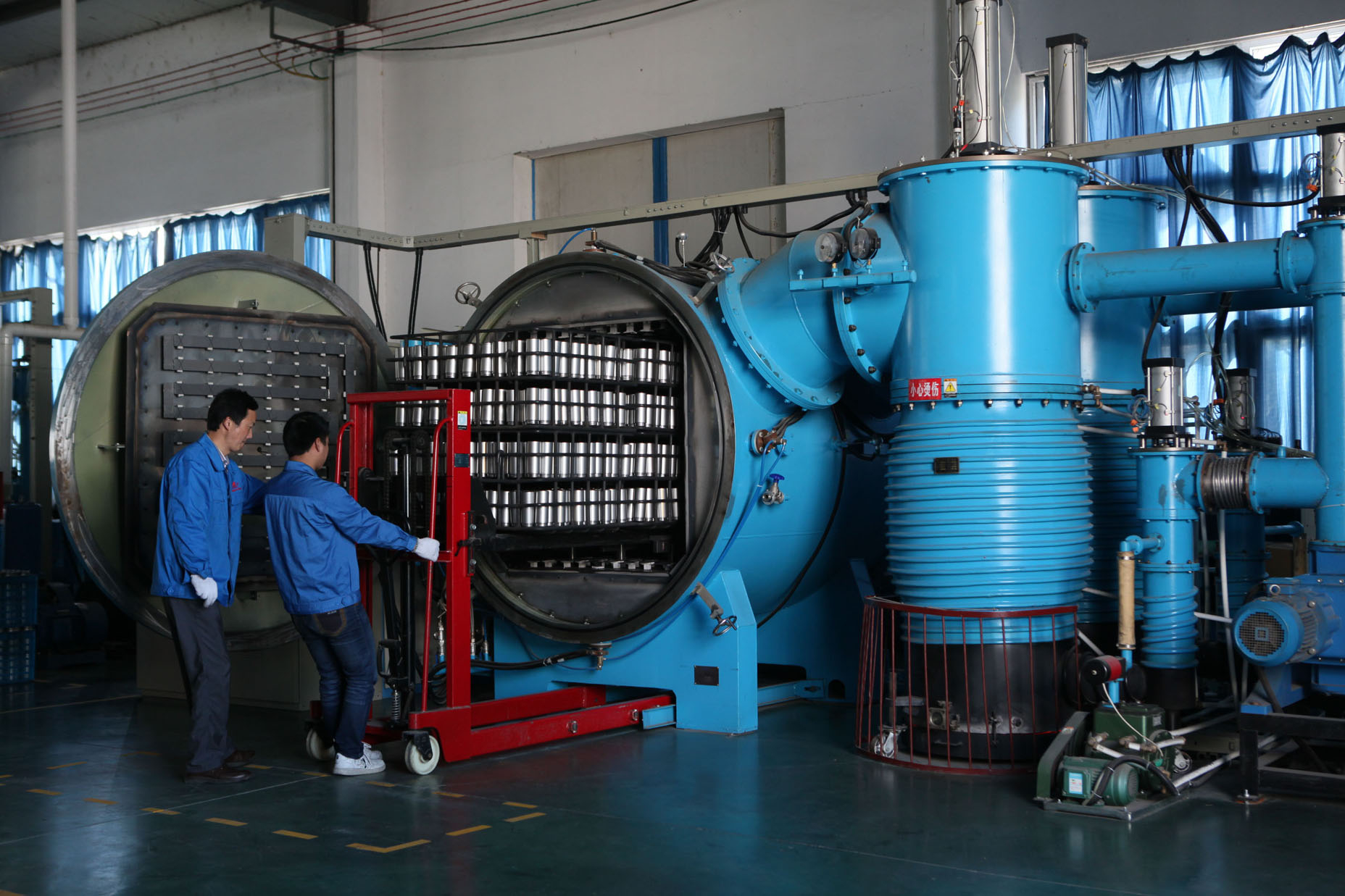
You need a factory that can make lots of tumblers. The factory should keep the quality high. Look for factories with new machines and skilled workers. Automation helps make fewer mistakes. It also makes production faster. Ask if the factory is good at making molds. Good molds help every tumbler look and work the same.
Tip: Go see the factory or ask for a video tour. You can look at the machines and the mold room yourself.
Quality Control System Evaluation
Qualitätskontrolle keeps your tumblers safe and the same every time. You should check how the factory tests and checks each tumbler.
Incoming Material Inspection
Factories must check all materials before they start making tumblers. You need proof that they test steel, coatings, and plastic parts. This step stops bad materials from being used.
In-Line Production Checks
Workers and machines check tumblers during production. You should ask for reports that show how often they check. The reports should also say what they look for.
Final QC & Random Sampling Standards
At the end, factories must test finished tumblers. Random checks help find hidden problems. You should ask for their final inspection checklist.
|
QC Step |
Warum es wichtig ist |
|---|---|
|
Material Inspection |
Stops defects early |
|
In-Line Checks |
Finds issues quickly |
|
Final QC Sampling |
Ensures top quality |
Certifications Required in 2026 (LFGB, Prop 65, BPA-Free)
You must ask for safety certificates. LFGB, Prop 65, and BPA-Free papers show the tumblers are safe for food and drinks. These papers protect your brand. They also help you sell in more places.
Supplier Transparency & Compliance Documents
You need a supplier who shares all the right papers. Ask for audit reports and safety certificates. Honest suppliers help you stay out of legal trouble. They also help you build trust with your customers.
Note: Good Stanley Tumbler OEM partners always give clear papers and answer your questions.
2026 Quality Checklist for Stanley-Style Tumbler OEM Production
Vacuum Performance Test (24H Standard)
You want your tumblers to keep drinks hot or cold for a full day. To meet the 24-hour insulation standard, you need to check three main things. First, the vacuum level must reach over 99.9%. Second, the tumbler should lose less than 1°C per hour. Third, the seal must hold tight with no leaks, even at 5 PSI. Here is a quick look at the standard requirements:
|
Test Parameter |
Standard Requirement |
|---|---|
|
Vacuum Level |
>99.9% |
|
Wärmerückhaltung |
<1°C loss per hour |
|
Seal Integrity |
Zero leakage at 5 PSI |
Tip: Always ask your OEM partner for test reports that show these results. This helps you avoid weak insulation and unhappy customers.
Coating Adhesion Test & Scratch Resistance
You need a tumbler that looks good after months of use. Factories should run adhesion tests to make sure the coating sticks well. They also use scratch tests to check if the color stays sharp. If the coating peels or scratches easily, your brand reputation suffers. Ask for test results before you approve any batch.
Dishwasher Cycle Test for Color Durability
Many customers use dishwashers every day. You want your tumblers to keep their color after many washes. Factories should test samples through at least 50 dishwasher cycles. The color should not fade or peel. This test shows if the tumbler can handle real-life use.
Handle Strength Test for 40oz Models
The handle on a 40oz tumbler must be strong. Factories test the handle by adding weight and pulling it. The handle should not bend or break. You should see the test results to make sure your customers get a safe product.
Color Batch Consistency & Gloss Level Control
You want every tumbler in your order to match in color and shine. Factories use color meters and gloss testers to check each batch. This step keeps your brand image strong and your customers happy.
2026 OEM Pricing Breakdown: What Actually Drives Cost
It is important to know what makes Stanley-style tumbler OEM prices go up or down in 2026. Each step in making tumblers changes how much you pay. Here are the main things you should look at:
Steel Thickness, Grade, and Raw Material Fluctuation
Steel is the main part of a tumbler. Thicker steel costs more and works better. Stronger steel, like 316, does not rust and lasts longer. This also makes the price higher. Steel prices can change quickly. Prices go up or down because of:
-
How much steel people want or need
-
How mills set prices and make deals
Ask your supplier for the latest steel prices before you buy a lot.
Powder Coating Level (Standard / Premium / Textured)
Powder coating keeps your tumbler safe and looking nice. Standard coating is cheaper. Premium and textured coatings cost more. They last longer and do not scratch easily. If you want special looks, you will pay extra.
Lid Structure Complexity & Accessories
The lid design changes the price. Simple lids are less money. Lids with seals, straws, or special features cost more. Extra things like silicone sleeves or custom straws also add to the price.
Packaging Requirements (Retail, Gift Box, FBA Ready)
Packaging is important for your brand and your costs. Retail boxes and gift boxes look nice but cost more. FBA-ready packaging follows Amazon’s rules and may need extra work. Pick the packaging that fits your needs and budget.
Labor + Automation Impact by Factory Region
Where the factory is changes labor costs. Factories with more machines need fewer workers and work faster. Places with higher pay charge more. Compare factories in different places to find the best deal.
Shipping Cost Comparison (FOB / CIF / DDP / FBA Prep)
Shipping rules change your total cost. Here is a simple guide:
|
Term |
Was es bedeutet |
Who Pays for Shipping? |
|---|---|---|
|
FOB |
Free On Board |
Sie |
|
CIF |
Cost, Insurance, Freight |
Split |
|
DDP |
Delivered Duty Paid |
Anbieter |
|
FBA Prep |
Amazon Fulfillment Ready |
You or Supplier |
Tip: Always look at shipping rules before you buy. Small changes can save money or make costs go up.
Common OEM Risks in 2026—and How Serious Brands Avoid Them
When you buy tumblers, there are many risks. You need to spot problems early. Use smart ways to keep your brand safe.
Incorrect Mold Tolerance Leading to Lid Fit Issues
Factories must follow mold rules. If they do not, lids may not fit. This can cause leaks or loose lids. Always ask for mold reports. Test samples before making many tumblers. This helps you stop complaints and returns.
Coating Peeling Due to Cheap Preparation Process
Some factories skip cleaning or use bad powder. This makes the coating peel or scratch. Check if your supplier does adhesion and scratch tests. Ask for test results and look at samples after dishwashing. Good Stanley Tumbler OEM partners use better coating steps.
Insufficient Vacuum Layer Causing Poor Insulation
A weak vacuum layer makes drinks lose heat fast. Ask for vacuum test reports. Pick factories that use machines to seal and test each batch. Good suppliers share insulation data and promise 24-hour performance.
Outsourced Production Without Disclosure
Some suppliers send orders to other factories. This can lower quality and miss standards. Visit the factory or ask for video tours. Ask for records and audit reports. Honest suppliers show you every step.
Delayed Production Affecting Retail Deadlines
Late shipments hurt your sales and launch. You need clear timelines and updates. Use digital tools to track progress. Work early with engineers, buyers, and suppliers to avoid delays.
Tip: Build strong sourcing plans and use cloud systems for better choices. Nearshoring and regional plans help stop transport and customs delays.
|
Effective Strategies |
|
|---|---|
|
Supply chain disruptions |
Use digital tools and predictive analytics |
|
Component shortages |
Build strong sourcing plans |
|
Limited supply chain visibility |
Work early with engineers, buyers, and suppliers |
|
Need for collaboration |
Use AI and cloud systems for choices |
|
Component obsolescence |
Use analytics to spot problems early |
|
Transport delays and customs exposure |
Use nearshoring and regional plans |
2026 Product Recommendations for Brands Launching Stanley-Type Tumblers
Best-Selling Sizes: 30oz, 40oz, 64oz
You should focus on three main sizes when you launch your drinkware line. The 30oz tumbler fits daily routines and appeals to people who want a lighter option. The 40oz model remains the top choice for busy customers who need more hydration and love the sturdy handle. The 64oz size works best for outdoor fans and athletes who need extra capacity. These sizes cover most customer needs and help you reach a wider market.
|
Größe |
Main Use |
Kunde Typ |
|---|---|---|
|
30oz |
Everyday, travel |
Students, commuters |
|
40oz |
Work, gym, car |
Professionals, parents |
|
64oz |
Sports, outdoors |
Athletes, hikers |
Most Requested Colors for 2026 Collections
You will see strong demand for soft pastels, bold metallics, and earth tones in 2026. Customers want colors that match their style and mood. Popular choices include sage green, blush pink, matte black, and copper. You should offer a mix of classic and trendy colors to attract more buyers.
Tip: Ask your Stanley Tumbler OEM partner for color samples before you decide on your final collection.
Should You Invest in Custom Molds in 2026?
Custom molds help you create unique shapes and features. You can stand out from competitors and build brand identity. If you plan to launch a signature product or want special handles or lids, investing in custom molds makes sense. You should check the cost and timeline with your supplier. Custom molds require upfront investment, but they give you more control over design.
Tips for Building a Long-Term Drinkware Line
You need a clear plan to grow your drinkware brand. Start with best-selling sizes and popular colors. Test new features and get feedback from customers. Work with a reliable Stanley Tumbler OEM to ensure consistent quality. Update your collection each year to match new trends. Build strong relationships with your supplier and always check product quality before shipping.
Note: A long-term drinkware line needs regular updates, strong branding, and trusted partners.
Final Sourcing Checklist for Serious Brands (2026 Edition)
Supplier Verification Checklist
You have to make sure your supplier is honest before you work with them. Use this checklist to help you pick a good Stanley Tumbler OEM factory:
-
Look at their business license and registration papers.
-
Ask for new audit reports from outside companies.
-
Check for certifications like LFGB, Prop 65, and BPA-Free.
-
Ask for pictures of the factory and live video tours.
-
Make sure they can make enough tumblers and use machines.
Tip: Good suppliers always show clear papers and answer fast.
Sample Approval Checklist
You need to check samples before making lots of tumblers. This step helps you stop mistakes and makes sure your tumblers are good.
-
Look at the sample to see if the design is right.
-
Test if the vacuum keeps drinks hot or cold for 24 hours.
-
Check if the coating sticks well and does not scratch.
-
Make sure the color and shine look the same.
-
Test if the lid fits, the handle is strong, and it does not leak.
|
Sample Test |
Was zu beachten ist |
|---|---|
|
Isolierung |
Stays hot or cold 24h |
|
Coating |
No peeling or marks |
|
Handle |
Strong, does not bend |
Mass Production & Timeline Checklist
You have to watch the making and shipping times so you do not get late orders. Follow these steps to keep your project moving:
-
Set clear start and finish dates for making tumblers.
-
Check progress every week with updates.
-
Make sure molds and tools are ready to use.
-
Watch when materials come in and check supplies.
-
Plan extra time in case something goes wrong.
Note: Use online tools to watch production and talk to your supplier.
Pre-Shipment QC Checklist
You need to check your order before it ships. This step keeps your brand safe and makes sure products are good.
-
Look at the last QC reports and random checks.
-
Check if the packaging is safe and labels are right.
-
Make sure all tumblers match in color and finish.
-
Test some tumblers for insulation and leaks.
-
Approve shipping papers and set up delivery.
✅ Using this checklist helps you stop problems and keeps your customers happy.
You can get a good Stanley Tumbler OEM partner if you follow easy steps. First, look up information and check the supplier. Next, test samples and look at their certificates. Watch how they make the tumblers and check the quality before they send them. Try to work well with the factory team.
Tip: Use these steps to keep your brand safe and give customers great products. Start now to make your sourcing better and help your business grow.