 German
  English
  Spanish
  Portuguese
  Arabic
  Russian
Wenn Sie sich in den letzten zehn Jahren mit der Beschaffung von Verpackungen beschäftigt haben, wissen Sie, wie es läuft. Plastik war billig. Aluminium war trendy. Aber heute? Das Telefon klingelt bei beiden nicht mehr.
Stattdessen sind B2B-Einkäufer auf der Suche nach einem bestimmten Material: Flaschen aus Borosilikatglas.
Wir sprechen hier nicht von billigem, glitschigem Kalk-Natron-Glas, das zerspringt, wenn man es falsch anschaut. Wir sprechen von dem strapazierfähigen, laborgeeigneten Material. Das Material, das nicht zerspringt, wenn man es mit kochendem Wasser übergießt, und aus dem keine Chemikalien auslaufen.
Ganz gleich, ob Sie für ein Start-up-Unternehmen aus der Getränkeindustrie, eine Kosmetiklinie oder einen Kunden aus der Pharmabranche beschaffen, der Wandel ist real. Hier erfahren Sie, warum das kluge Geld gerade jetzt auf Borosilikatglasflaschen setzt.
Der "Plastik-Kater" ist real
Seien wir ehrlich. Eine Zeit lang war Kunststoff die einfache Lösung. Es war leicht, billig und ging beim Transport nicht kaputt.
Aber B2B-Beziehungen beruhen auf Vertrauen. Und im Moment ist das Vertrauen der Verbraucher in Plastik auf einem historischen Tiefstand. Wir brauchen nicht mehr wegen BPA in Panik zu geraten - wir machen uns jetzt Sorgen über Mikroplastik, Phthalate und den allgemeinen Effekt der "chemischen Suppe".
Letztes Jahr hat eine große Studie gezeigt, dass allein Babyflaschen aus Kunststoff Millionen von Mikroplastikpartikeln in die Flüssigkeit abgeben. Stellen Sie sich nun vor, Ihr B2B-Kunde liest diese Schlagzeile, während er Ihr in Plastik verpacktes "Premium"-Produkt betrachtet.
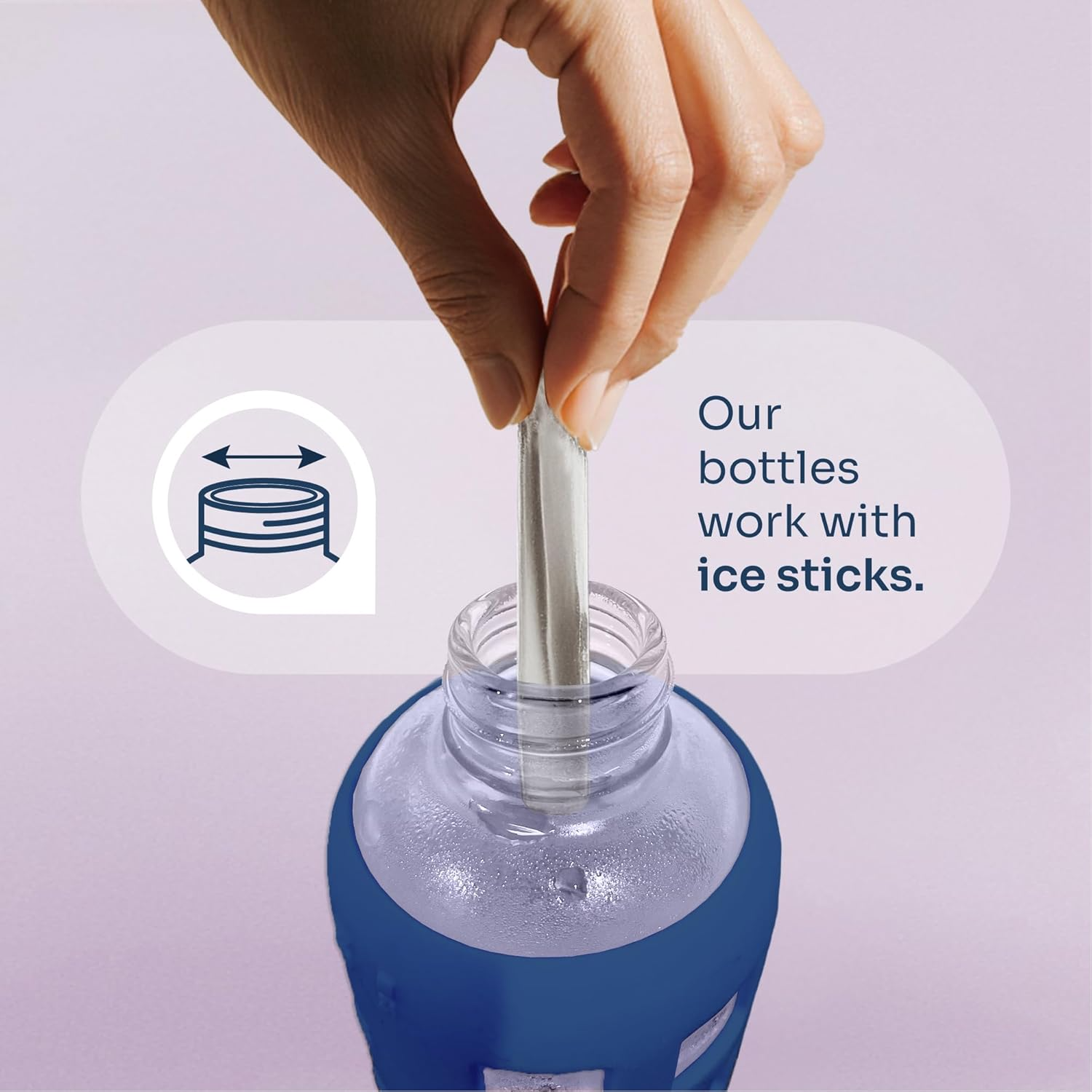
Flaschen aus Borosilikatglas lösen dieses Problem über Nacht. Glas ist chemisch inert. Es reagiert nicht mit säurehaltigen Säften, heißem Kaffee oder ätherischen Ölen. Wenn sich ein B2B-Käufer für Borosilikatglas entscheidet, kauft er nicht nur einen Behälter, sondern eine Versicherungspolice gegen eine PR-Katastrophe.
Es geht nicht nur um Sicherheit, es geht ums Überleben
Hier ist das technische Unterscheidungsmerkmal, das zu Geschäftsabschlüssen führt: Temperaturwechselbeständigkeit.
Herkömmliches Kalk-Natron-Glas (das billige Zeug) hat ein Gedächtnis. Wenn Sie heißen Kaffee in eine kalte Limonadenflasche gießen, bauen sich innere Spannungen auf. Irgendwann, Riss. Es bricht.
Borosilikatglasflaschen werden mit Bortrioxid hergestellt. Dadurch ändert sich die Ausdehnungsrate. Sie können eine Flasche direkt aus dem -20 °C kalten Gefrierschrank nehmen und kochendes Wasser hineinschütten, ohne dass sie zerbricht.
Warum ist das für B2B-Einkäufer wichtig?
-
Logistik: Lagerhäuser werden kalt. Lastwagen werden heiß. Sie wollen nicht, dass während des Transports etwas kaputt geht.
-
Erfahrung des Endverbrauchers: Wenn ein Kunde Ihr Produkt erhitzt und die Flasche explodiert, wird er Ihre Marke nie wieder kaufen.
-
Sterilisation: In der Pharma- und Lebensmittelbranche müssen Sie Behälter autoklavieren (dampfsterilisieren). Das ist nur bei Flaschen aus Borosilikatglas möglich.
Wenn Sie für eine Kombucha-Marke, ein Unternehmen für kalt gebrühten Kaffee oder eine Babynahrungslinie einkaufen, ist dies Ihre Killerfunktion.
"Premium-Sicherheit" verkauft sich von selbst
Lassen Sie uns über das Wort "Premium" sprechen.
B2B-Einkäufer sind den Wettlauf nach unten leid. Der Verkauf von Billigprodukten in fadenscheinigen Verpackungen ist ein Alptraum, denn die Gewinnspannen sind messerscharf und die Kunden sind untreu.
Die Umstellung auf Borosilikatglasflaschen ermöglicht es Ihren Kunden, sich neu zu positionieren.
-
Das Gefühl: Borosilikatglas ist schwerer und fühlt sich in der Hand "solide" an. Es fühlt sich nicht wie eine Einweg-Sodaflasche an.
-
Die Klarheit: Es ist in der Regel klarer als normales Glas und bietet einen "durchsichtigen" Luxus, der die Farbe der Flüssigkeit im Inneren hervorhebt.
-
Wiederverwendbarkeit: Diese Flaschen zersetzen sich nicht. Die Verbraucher können sie jahrelang waschen und wiederverwenden. Diese Nachhaltigkeitsgeschichte ist für Marketingteams Gold wert.
Wenn Sie Flaschen aus Borosilikatglas anpreisen, verkaufen Sie nicht einen Preis. Sie verkaufen einen höheren Preis für Ihren Kunden.
Die Wirtschaft: Warum B2B-Einkäufer jetzt umsteigen
Der häufigste Einwand sind die Kosten. Ja, Flaschen aus Borosilikatglas sind teurer als Kunststoff- oder Kalkmilchglasflaschen. Allerdings schließt sich die Lücke.
Die Lieferketten für Borsilikat haben sich erheblich weiterentwickelt. Die großen Hersteller (insbesondere in Asien und Deutschland) haben ihre Produktion hochgefahren, was die Großhandelspreise deutlich aggressiver macht.
Außerdem kalkulieren B2B-Einkäufer Gesamtbetriebskosten.
-
Plastik: Sie riskieren Rückbuchungen, Umweltsteuern und Markenboykotte.
-
Soda-Lime: Sie riskieren eine Rückgabe wegen Bruch.
-
Borosilikat: Sie zahlen etwas mehr im Voraus, aber Sie erhalten keine Rückerstattung wegen chemischer Auslaugung oder thermischer Zersetzung.
Wir verzeichnen eine große Nachfrage aus dem pharmazeutischen und nutrazeutischen Sektor. Wenn Sie Tinkturen, CBD-Öle oder Bio-Seren aufbewahren, sind Flaschen aus Borosilikatglas die einzige FDA-konforme, nicht reaktive Wahl, die die Wirkstoffe nicht abbaut.
Wie man die richtige Borosilikatflasche findet
Wenn Sie als B2B-Einkäufer bereit sind, den Wechsel zu vollziehen, kaufen Sie nicht nur "Glas". Kaufen Sie die Spezifikation. Das sollten Sie Ihren Lieferanten fragen:
1. Fragen Sie nach dem Koeffizienten (CTE)
Sie benötigen Glas mit einer Wärmeausdehnung von etwa 3,3 x 10^-6/K. Das ist die Norm "Typ 1" der Klasse A.
2. Prüfen Sie die Zertifizierung
Wenn Sie in der Lebensmittelindustrie tätig sind, verlangen Sie die Einhaltung von FDA 21 CFR. Für die Pharmaindustrie verlangen Sie USP Typ I. Wenn ein Lieferant zögert, diese Dokumente vorzulegen, gehen Sie weg.
3. Suchen Sie nach breiten Hälsen
Für B2B-Einkäufer in der Lebensmittelindustrie sind Weithalsflaschen aus Borosilikatglas einfacher zu befüllen, leichter zu reinigen und für den Endverbraucher leichter wiederzuverwenden.
Wir bewegen uns auf eine Ära der "materiellen Ehrlichkeit" zu. Die Verbraucher sind aufgeklärt. Sie kennen den Unterschied zwischen einer billigen Flasche und einer sicheren Flasche.
Für den B2B-Käufer ist die Entscheidung, auf Borosilikatglasflaschen umzusteigen, eine Absicherung für die Zukunft. Es ist ein Versprechen, dass Ihre Verpackung nicht bricht, nicht schmilzt und das darin befindliche Produkt nicht vergiftet.
Der Wandel ist kein Trend. Es ist eine Rückkehr zur Qualität. Und im Moment ist Premium-Sicherheit das Einzige, was sich zu verkaufen lohnt.
Sind Sie bereit, Ihre Lieferkette zu verbessern?
Beginnen Sie noch heute damit, Hersteller von Borosilikatglasflaschen zu überprüfen. Unser Online-Service wird Sie dabei bestmöglich unterstützen.