 German
 English
 Spanish
 Portuguese
 Arabic
 Russian

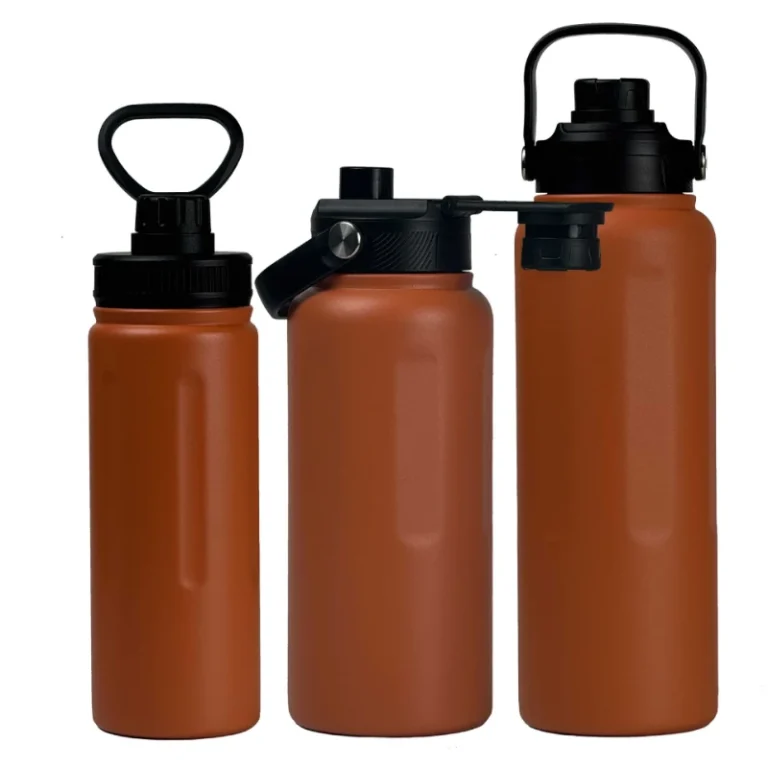
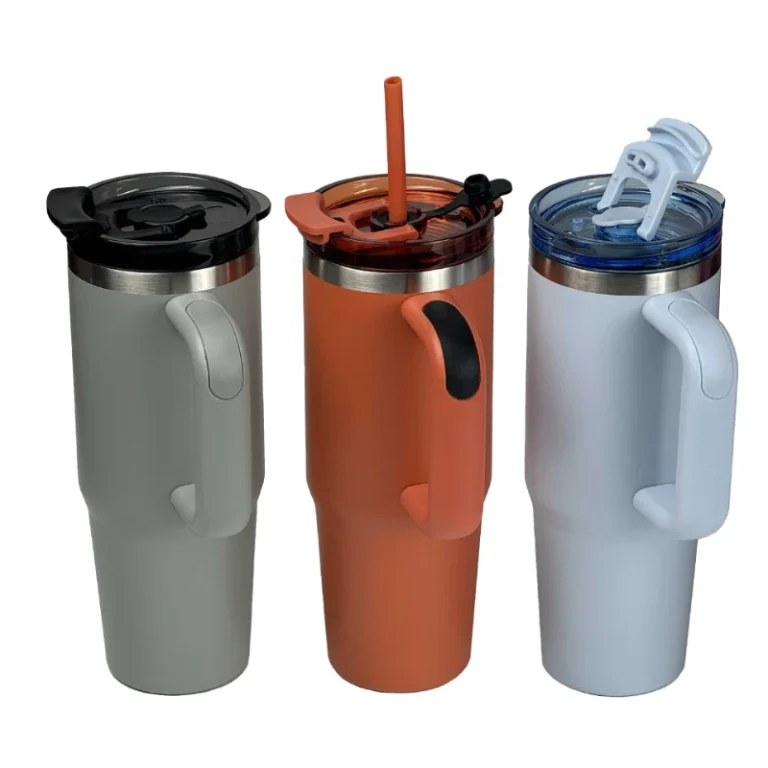
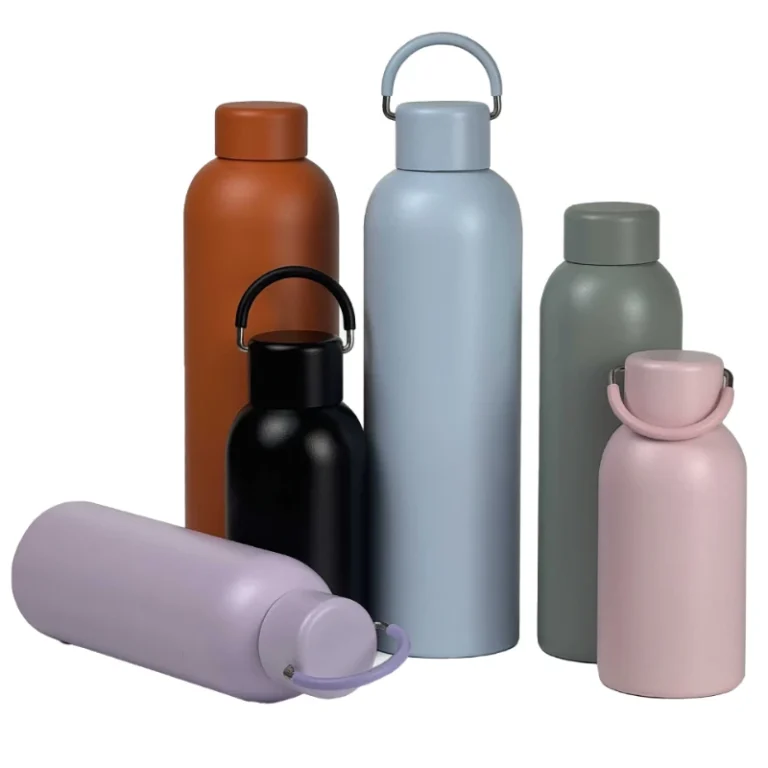
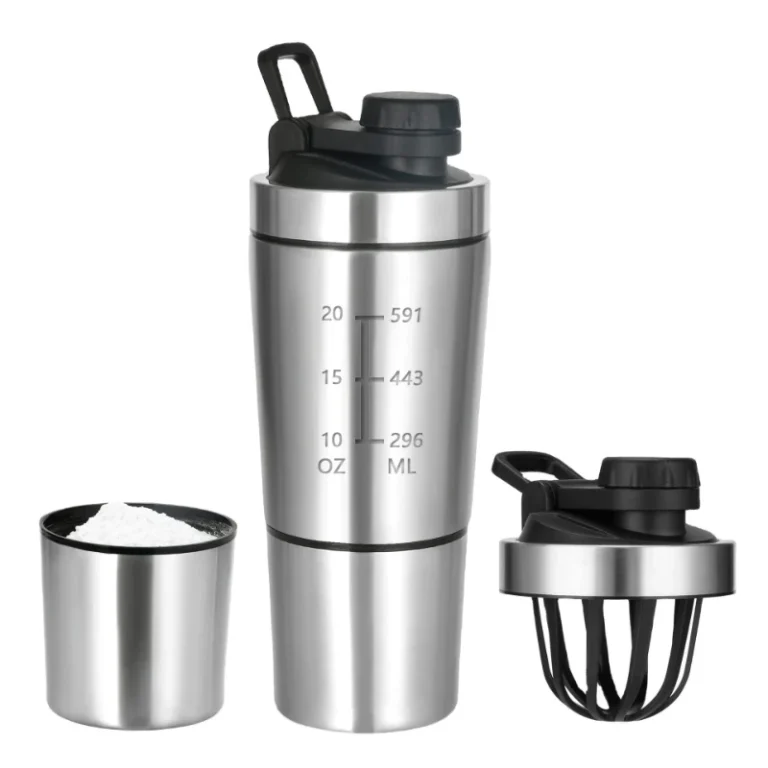
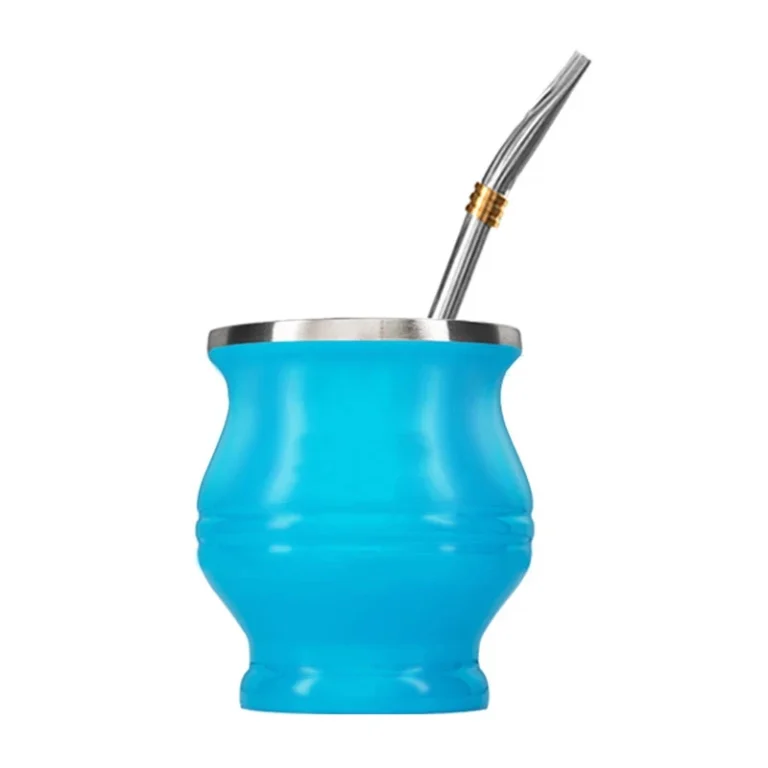
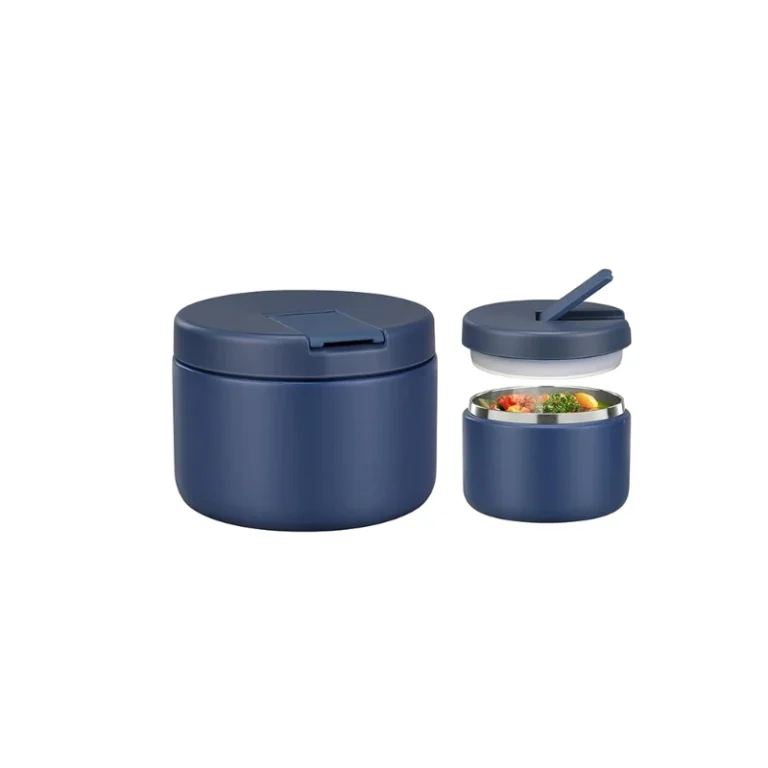
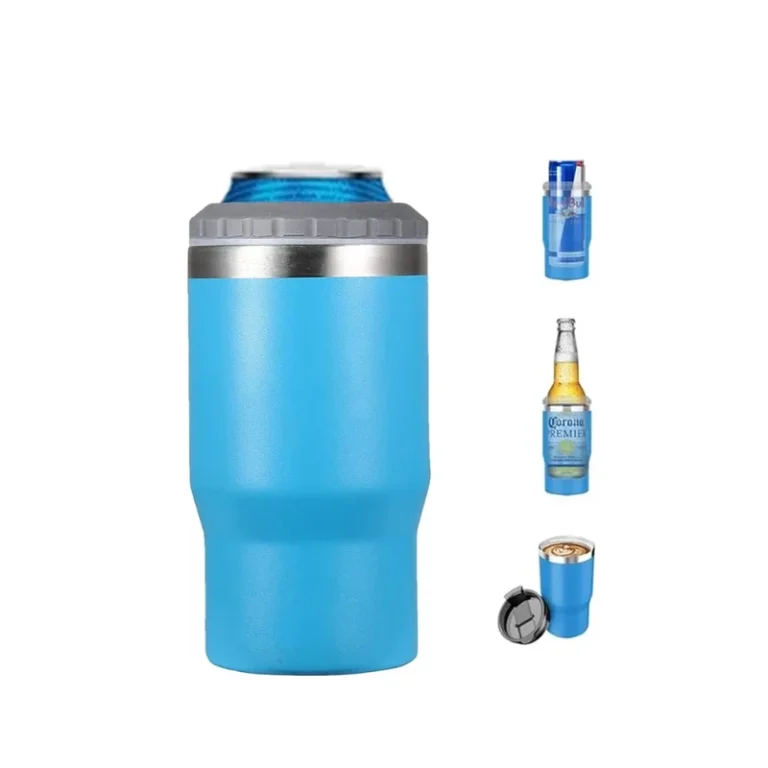
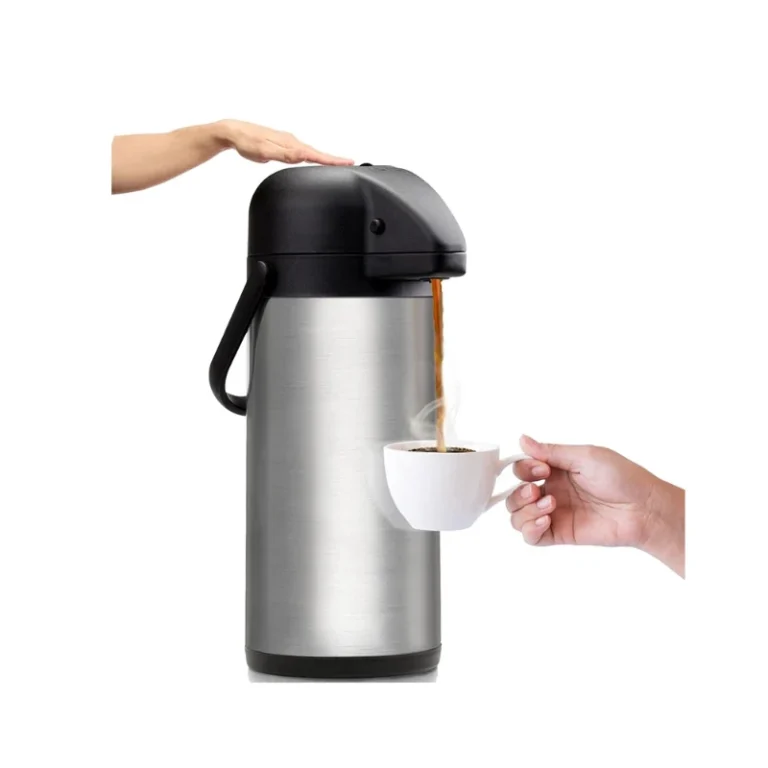
Two Drinkware Products Can Look the Same — But Why Are Their Prices Different?
When sourcing stainless steel bottles, tumblers or vacuum-insulated drinkware, buyers often encounter a familiar situation: two products look almost identical in photos, yet the quotations from different suppliers can vary significantly.
One supplier may quote $3.00 per unit, while another quotes $4.00 or more for what appears to be the same drinkware product.
Does the higher price mean better quality? Is the lower quotation a better purchasing opportunity? Or are the two suppliers actually offering different product specifications?
In OEM and wholesale drinkware sourcing, the appearance of a product is only one part of its cost. Materials, construction, components, finishing, packaging and quality control requirements can all affect the final quotation.
Before comparing prices, it is important to understand what is included in each offer.
1. Stainless Steel Grade and Material Thickness
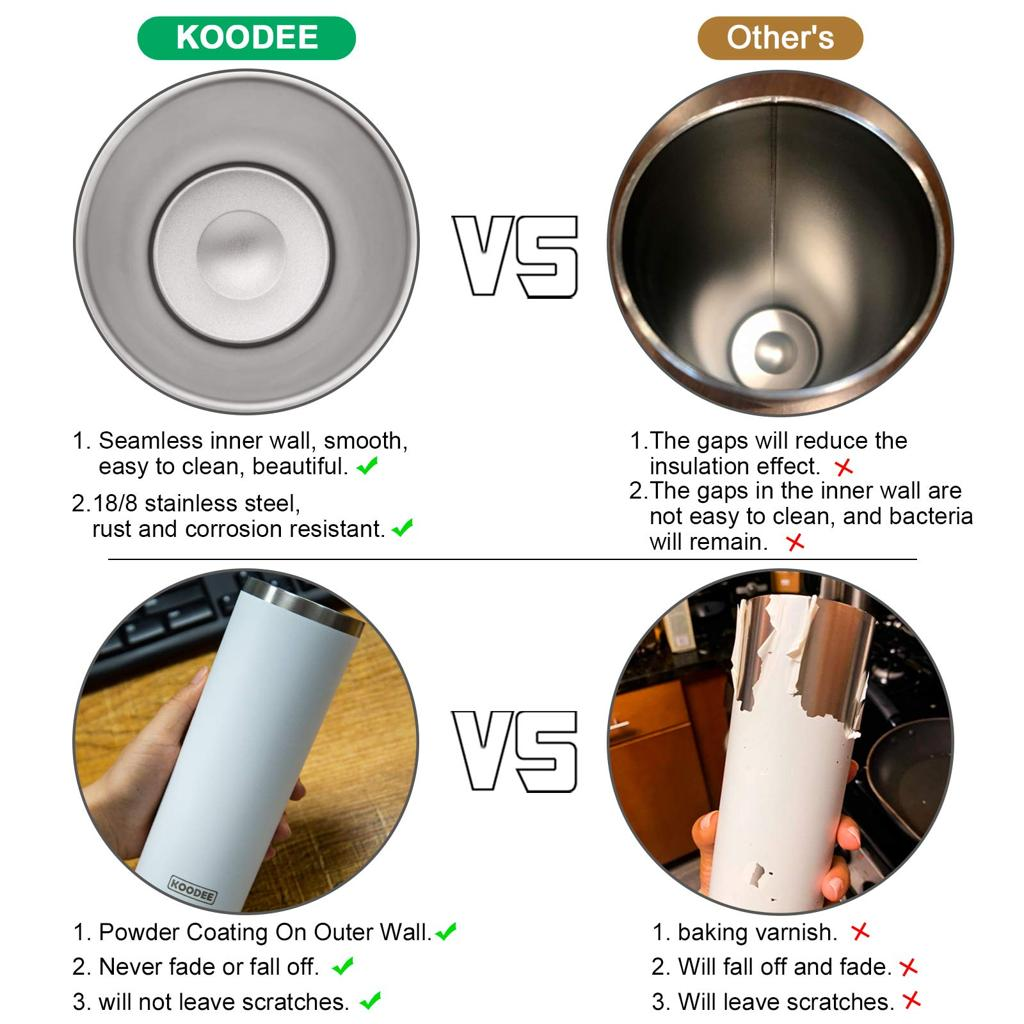
Stainless steel grade is one of the first specifications buyers should confirm when sourcing stainless steel drinkware.
For example, stainless steel 304 and 316 are commonly used in drinkware applications. Although both can be used in suitable product designs, they have different material properties and costs. The appropriate grade depends on the intended use and product requirements.
Material thickness is another factor that affects manufacturing costs. Even when two tumblers use the same stainless steel grade, differences in wall thickness can affect material consumption, product weight, structural characteristics and manufacturing cost.
A product made with thinner stainless steel may have a lower material cost, but buyers should evaluate whether the construction meets their intended product requirements.
When comparing quotations, ask suppliers to specify the stainless steel grade for both the inner and outer walls, where applicable, as well as the relevant thickness specifications.
2. Inner and Outer Wall Construction
Not all stainless steel drinkware has the same construction.
A single-wall stainless steel cup, a double-wall cup and a double-wall vacuum-insulated tumbler may have similar external appearances, but their manufacturing processes and functional characteristics are different.
For vacuum-insulated drinkware, the inner and outer stainless steel walls form the product structure, with a vacuum layer between them designed to reduce heat transfer.
Differences in construction, material usage, manufacturing processes and product design can all influence the quotation.
When comparing two similar tumblers, buyers should confirm whether both products use the same wall construction and whether the quoted product is actually vacuum-insulated.
3. Vacuum Performance and Insulation Requirements
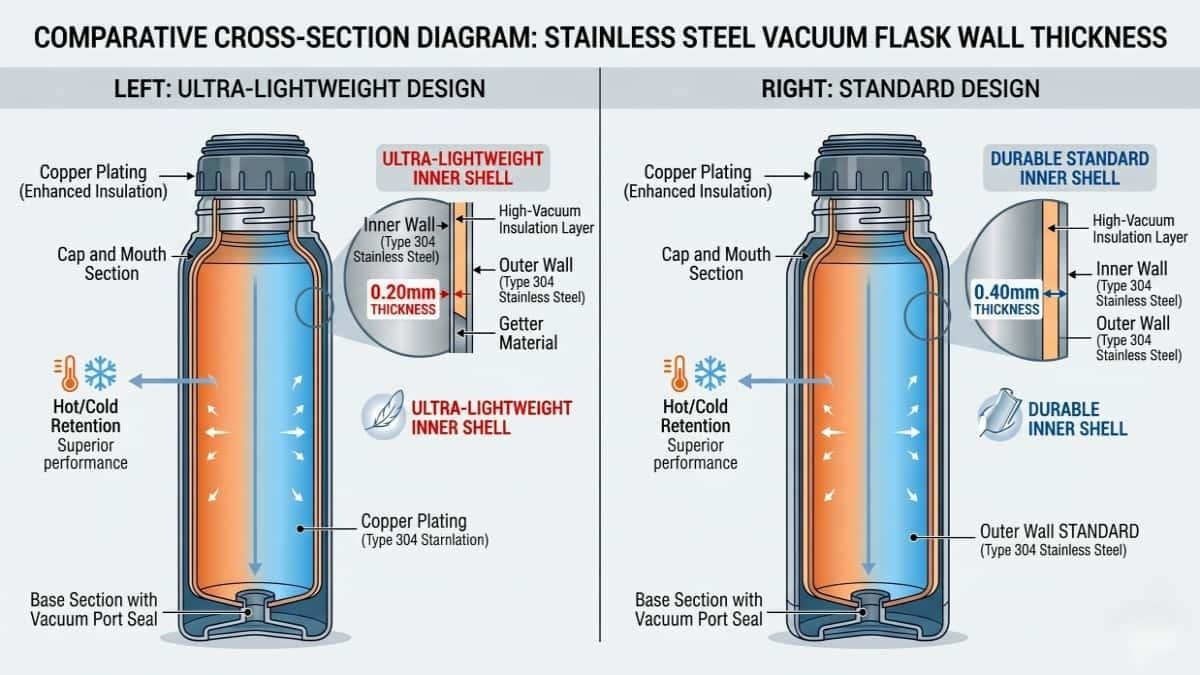
Vacuum insulation is an important feature of double-wall stainless steel tumblers and bottles.
However, simply confirming that a product is vacuum-insulated does not necessarily mean two products offer the same performance. Insulation performance can depend on product construction, manufacturing quality and the testing conditions used to evaluate thermal retention.
Some suppliers may provide different insulation performance claims or testing conditions in their quotations.
For a more meaningful comparison, buyers should clarify:
- Whether the product uses vacuum insulation
- Whether vacuum-related testing is included
- The expected hot and cold retention performance
- The testing conditions behind any insulation performance claims
A clear and agreed performance requirement helps suppliers quote against the same expectations.
4. Lid Material, Structure and Function
The lid is another component that can significantly affect the price of a drinkware product.
Two tumblers with the same stainless steel body may use completely different lids. One may have a basic screw lid, while another may feature a straw opening, sliding mechanism, flip-top structure, sealing ring or multiple drinking options.
The lid material, number of components, mold design, assembly requirements and sealing structure can all influence the cost.
For customized drinkware projects, buyers should also consider whether the lid color is standard or customized, whether the lid components are included in the quotation and whether the sealing performance meets the project requirements.
A product quotation should clearly identify the lid structure and relevant components rather than relying solely on product photos.
5. Coating, Surface Finishing and Logo Decoration
The exterior finish is another reason why similar-looking drinkware products may have different prices.
Common finishing options include powder coating, spray painting, polished surfaces, brushed finishes and other decorative treatments.
Different finishing processes may involve different materials, production steps, equipment and quality requirements. A standard finish and a customized finish are not necessarily priced the same way.
Logo decoration also affects the final cost. Screen printing, laser engraving, UV printing, transfer printing and other decoration methods have different setup requirements and production costs.
The number of logo colors, printing positions, artwork complexity and order quantity can influence the quotation.
When comparing suppliers, specify the finishing method, color requirements, logo artwork, logo size and printing position to avoid comparing different decoration solutions.
6. Packaging Specifications
Packaging is often overlooked during the initial price comparison.
A quotation for a tumbler may include only basic individual packing, while another supplier may include a customized color box, printed inserts, protective materials or additional accessories.
These packaging differences can affect both the unit price and the overall shipping volume.
For retail products, packaging may be part of the brand’s presentation and customer experience. For wholesale or promotional orders, simpler packaging may be more suitable depending on the distribution requirements.
Before comparing prices, confirm whether both quotations include the same packaging materials, packaging structure, accessories and printing requirements.
7. Quality Control Requirements
Quality control requirements can also influence the quotation.
Different buyers may require different inspection standards, including appearance checks, dimensional inspection, leak testing, vacuum-related testing, coating checks or other product-specific inspections.
Some suppliers may quote based on their standard production inspection procedures, while others may need to follow additional buyer-defined requirements.
For a customized drinkware project, inspection requirements should be agreed upon before production. This helps suppliers understand the expected quality level and allows buyers to compare quotations more accurately.
How to Compare Two Drinkware Quotations More Accurately
Instead of comparing unit prices alone, buyers can prepare a simple specification comparison before requesting quotations.
| Specification | What to Confirm |
|---|---|
| Stainless steel grade | Inner and outer material grades |
| Dicke des Materials | Inner and outer wall thickness |
| Product construction | Single wall, double wall or vacuum insulated |
| Capacity and dimensions | Same capacity and product size |
| Lid structure | Lid type, material and components |
| Surface finishing | Coating, color and finishing method |
| Logo decoration | Method, size, position and number of colors |
| Zubehör | Straws, handles, seals and other components |
| Verpackung | Individual packing, retail box and master carton |
| Qualitätskontrolle | Inspection and testing requirements |
When these specifications are aligned, price differences become easier to understand and supplier quotations become more meaningful.
Frequently Asked Questions About Drinkware Price Comparisons
Why do two similar stainless steel tumblers have different prices?
Price differences may result from stainless steel grade, material thickness, product construction, lid design, finishing, logo decoration, packaging and quality control requirements. Products that look similar may not have identical specifications.
Does a lower-priced tumbler always mean lower quality?
Not necessarily. A lower quotation may reflect a simpler product structure, standard components, different material specifications or more economical packaging. The important thing is to verify what is included in the quotation before making a decision.
What should I send a drinkware manufacturer when requesting a quotation?
Ideally, provide a product reference image, capacity, material requirements, lid structure, color, logo requirements, packaging specifications and estimated order quantity. The more clearly the specifications are defined, the easier it is for suppliers to provide comparable quotations.
How can I compare quotations from multiple drinkware suppliers?
Prepare a specification sheet and ask each supplier to quote against the same product requirements. Compare the materials, construction, components, decoration, packaging and quality requirements alongside the unit price.
The Best Price Comparison Starts With the Same Specifications
When sourcing OEM or wholesale drinkware, the lowest quotation is not always the most cost-effective option, and the highest quotation does not automatically guarantee better quality.
The key is to understand exactly what each supplier is offering.
Two drinkware products may look almost identical in a photograph, but their materials, construction, components and production requirements may be very different.
For buyers, the better question is not simply, “Which supplier offers the lower price?”
It is, “Are we comparing the same product specifications?”
A clear specification is the starting point for a more transparent quotation, a more informed sourcing decision and a smoother OEM drinkware project.
Looking for a drinkware manufacturer for your next project? Contact our team to discuss your product specifications, customization requirements and bulk production needs.