 German
 English
 Spanish
 Portuguese
 Arabic
 Russian

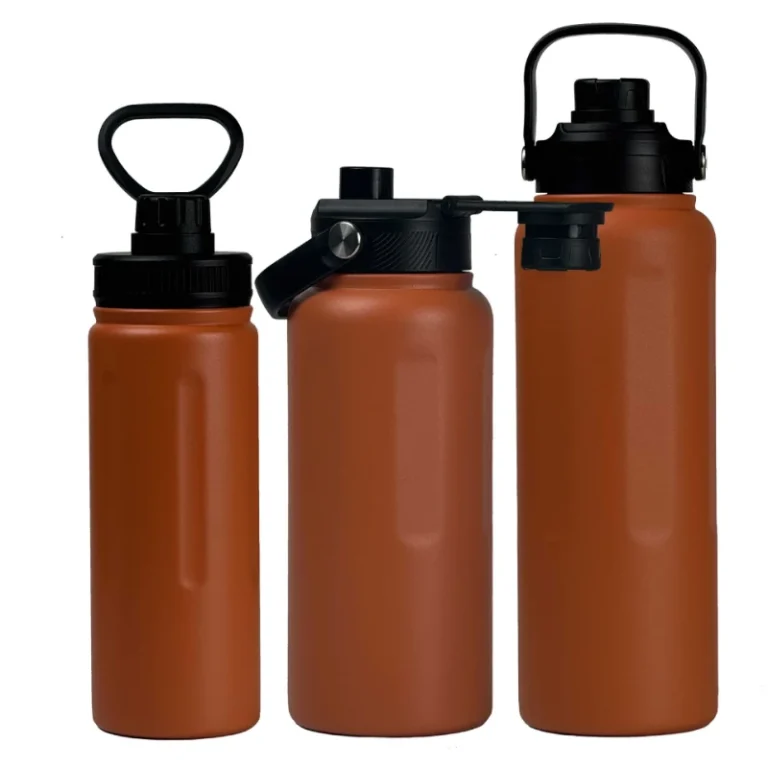
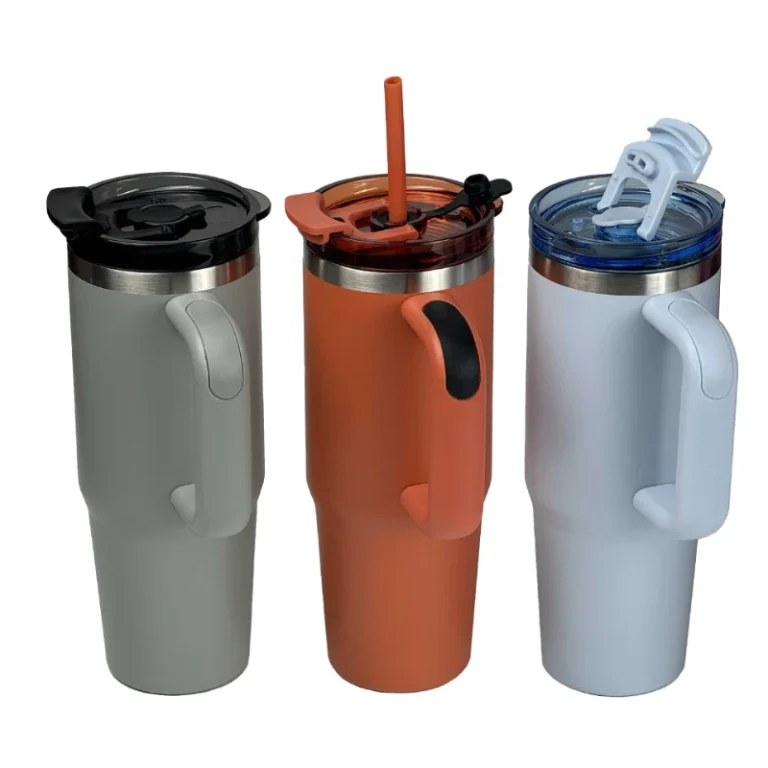
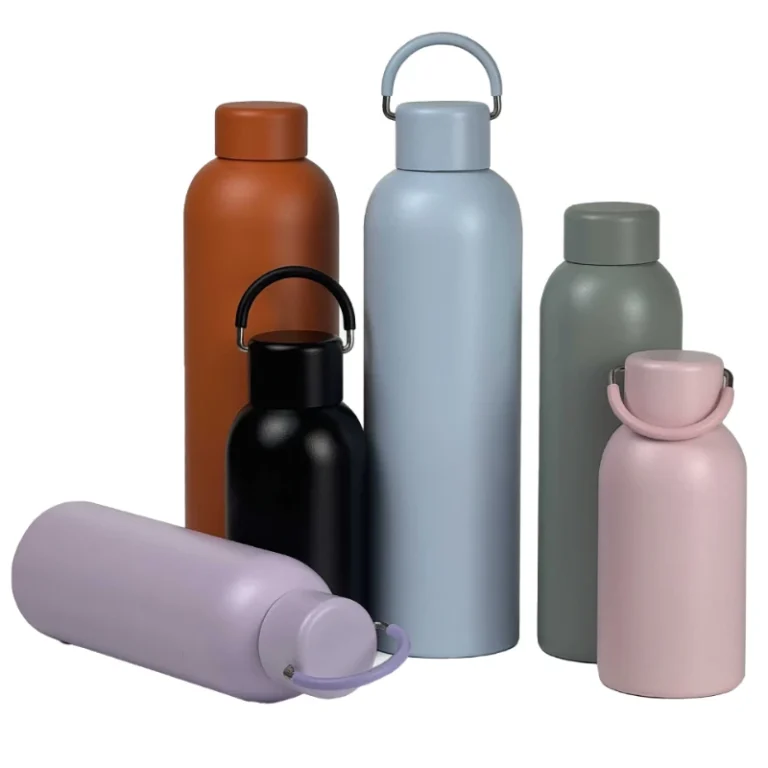
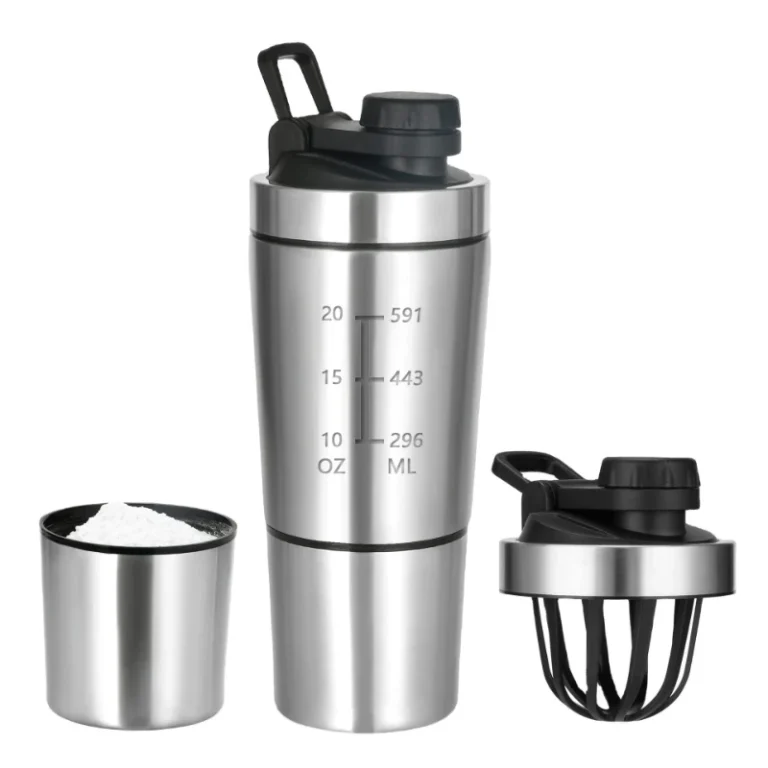
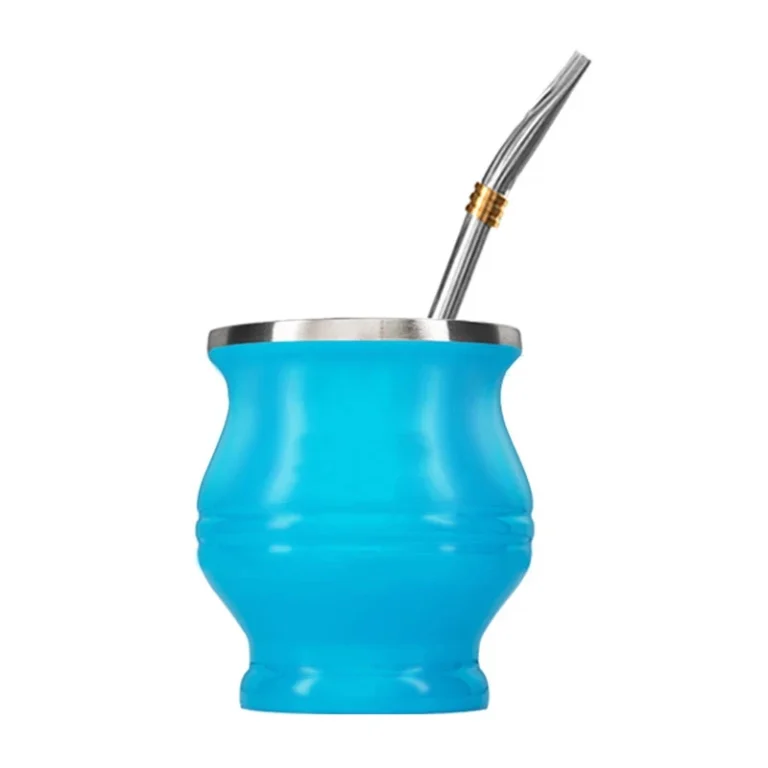
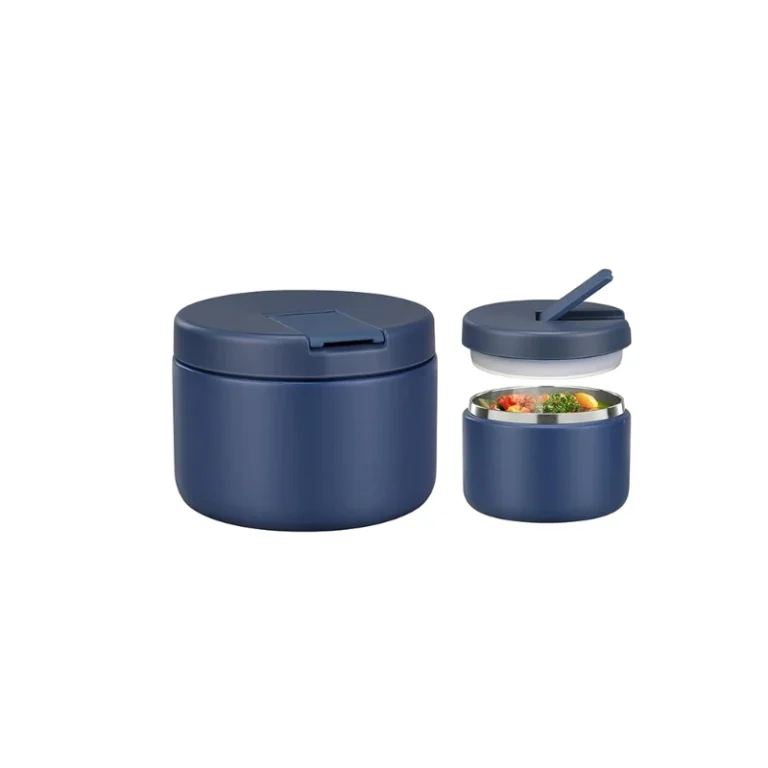
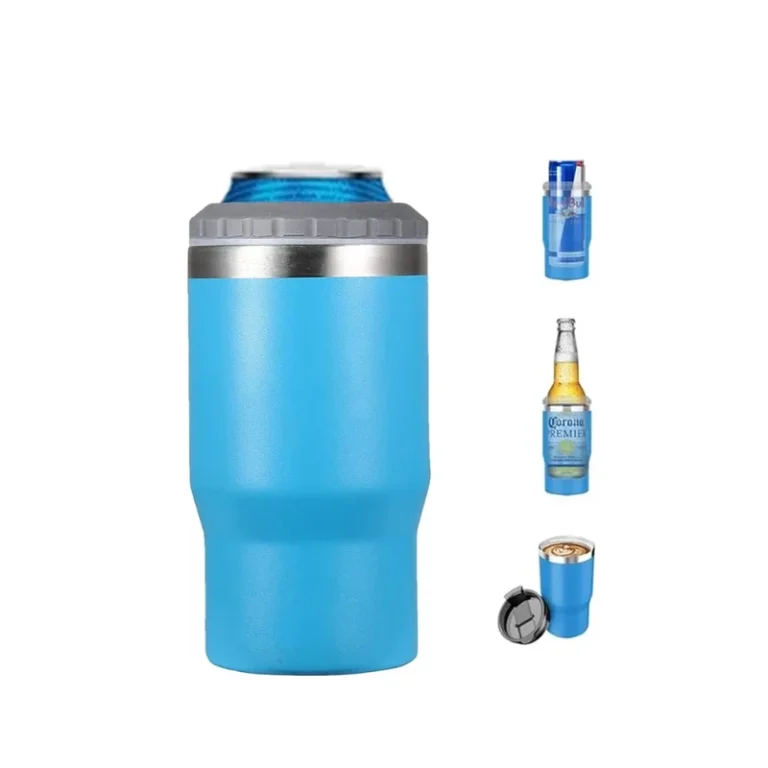
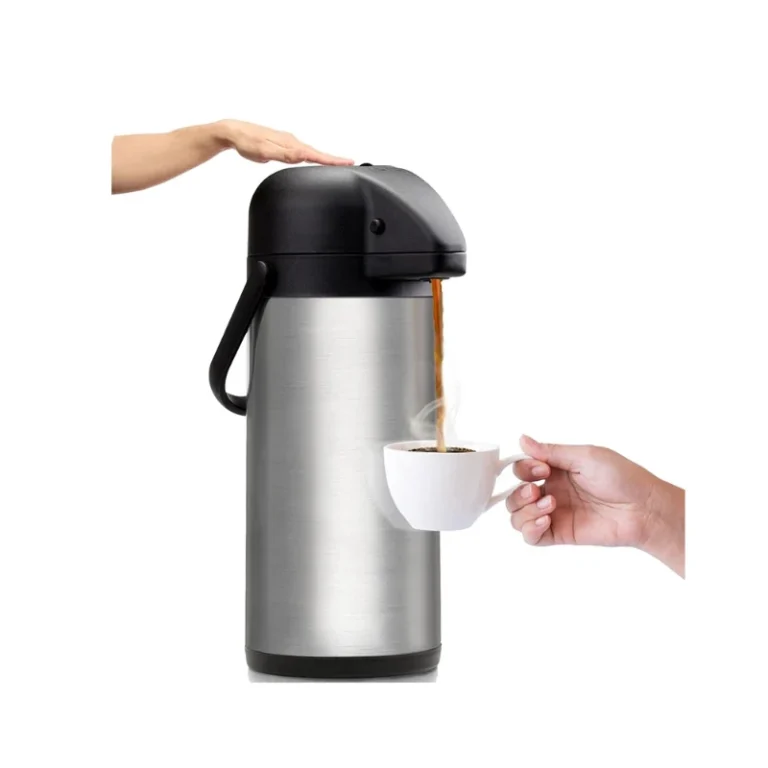
A stainless steel insulated water bottle is an everyday essential for staying hydrated, keeping coffee hot, and enjoying cold drinks throughout the day. Whether you use a vacuum insulated tumbler at work, a travel mug in your car, or a stainless steel thermos for outdoor activities, proper care can make a significant difference in its performance and lifespan.
However, many people experience common problems: unpleasant smells, mold around the lid, leaking bottles, reduced insulation performance, and stubborn stains inside the container.
The good news? Most of these problems can be prevented with a few simple habits.
In this guide, we will explore 10 common stainless steel water bottle problems, explain how to avoid them, and share practical cleaning tips to keep your reusable bottle fresh, hygienic, and working properly.
Avoid Leaving Drinks in Your Bottle for Too Long
One of the most common mistakes is leaving beverages inside a stainless steel bottle for extended periods.
Although stainless steel is durable, it does not prevent beverages from spoiling. Milk, juice, coffee with cream, and other drinks containing organic ingredients can develop unpleasant odors and support bacterial growth.
Our advice:
- Avoid leaving milk-based drinks at room temperature for extended periods.
- Empty leftover beverages after use.
- Wash the bottle immediately after storing milk, juice, or flavored drinks.
- Do not use your bottle as a long-term storage container for perishable beverages.
For everyday use, plain drinking water is generally the easiest beverage to maintain.
Do Not Put Carbonated Drinks or Dry Ice in Ordinary Vacuum Bottles
Can you put sparkling water or soda in a stainless steel insulated bottle?
Generally, you should avoid doing so unless the manufacturer specifically designs the bottle for carbonated beverages.
Carbonated drinks release gas, which can increase internal pressure. This may make the lid difficult to open or cause liquid to spray out when the bottle is opened.
Dry ice is even more dangerous because it releases carbon dioxide gas as it sublimates.
Our advice:
- Do not put dry ice in an ordinary insulated bottle.
- Avoid carbonated beverages unless the product is specifically approved for them.
- Never force open a pressurized lid.
- Follow the manufacturer’s instructions for your particular bottle.
Never Fill Hot Drinks into an Incompatible Straw Lid
Not every stainless steel tumbler is designed for hot beverages.
Some tumblers feature direct-drinking lids, flip lids, or straws. Drinking very hot liquids through a straw can increase the risk of burns because hot liquid reaches your mouth quickly.
In addition, some lid designs are not suitable for hot liquids because internal pressure may cause leakage or lid malfunction.
Our advice:
- Check whether your tumbler lid is designed for hot drinks.
- Allow extremely hot beverages to cool to a comfortable drinking temperature.
- Avoid drinking boiling-hot liquids directly through a straw.
- Open the lid carefully and keep your face away from the opening.
Always follow the product’s specific temperature and lid-use instructions.
Do Not Overfill Your Insulated Water Bottle
Overfilling is a common reason for leaking and spilling.
When you fill a bottle right up to the rim, there may not be enough space for the lid and sealing components. Liquid can escape when the lid is tightened or when the bottle is tilted.
Our advice:
- Leave a little space between the liquid and the bottle opening.
- Check that the silicone gasket is correctly positioned.
- Tighten the lid securely without forcing it.
- Test the bottle upright before placing it inside a bag.
Remember that a leakproof lid and a splash-resistant lid are not necessarily the same thing.
Keep Your Silicone Gasket and Lid Clean
Have you noticed an unpleasant smell even after washing the inside of your stainless steel bottle?
The problem may not come from the stainless steel body. Silicone gaskets, drinking spouts, straws, and hidden lid components can collect moisture and beverage residue.
These areas are often overlooked during daily cleaning and may develop mold or unpleasant odors.
Our advice:
- Remove detachable silicone seals whenever the design allows.
- Clean around the lid threads and drinking openings.
- Use a small brush to clean narrow gaps.
- Check silicone components regularly for discoloration, cracks, or persistent odors.
- Replace damaged or badly deteriorated seals.
A clean bottle body does not necessarily mean a clean lid.
Avoid Using Harsh Cleaning Tools and Chemicals
Stainless steel is strong, but that does not mean every cleaning method is suitable.
Steel wool, rough scouring pads, and aggressive chemical cleaners can scratch the surface or damage protective finishes. Harsh chemicals may also affect plastic lids and silicone components.
Our advice:
- Use a soft sponge or bottle-cleaning brush.
- Choose mild dishwashing liquid.
- Avoid abrasive powders and metal scrubbers.
- Do not use chlorine bleach or strong chemical cleaners unless the manufacturer explicitly approves the method.
- Rinse thoroughly after cleaning.
Gentle, regular cleaning is better than aggressive scrubbing.
Never Put Your Stainless Steel Vacuum Bottle in a Microwave
This may sound obvious, but it is worth mentioning.
Stainless steel is a metal and should never be placed inside a microwave. Heating a vacuum insulated bottle in a microwave can damage the appliance and create a safety hazard.
You should also avoid putting ordinary vacuum insulated bottles in ovens, on stovetops, or directly over open flames.
Our advice:
- Transfer beverages into a microwave-safe container before heating.
- Never heat your insulated bottle directly.
- Avoid placing the bottle in a freezer unless the manufacturer specifically permits it.
Clean Your Bottle Every Day to Prevent Bad Odors and Mold
One of the biggest problems with reusable water bottles is inadequate cleaning.
Even when you only drink water, bacteria can enter through your mouth, hands, drinking spout, and lid. Moisture trapped inside an improperly stored bottle can encourage bacterial and mold growth.
Simply rinsing your bottle with water is not enough.
Our advice:
For daily cleaning:
- Empty the remaining liquid.
- Add warm water and mild dish soap.
- Scrub the inside with a bottle brush.
- Wash the lid, straw, and removable components separately.
- Rinse thoroughly.
- Allow all parts to air-dry completely.
For bottles used with coffee, tea, juice, or other flavored drinks, pay extra attention to areas where residue can accumulate.
Remove Stubborn Stains and Unpleasant Smells Properly
Coffee stains, tea residue, and lingering odors can make an otherwise good bottle unpleasant to use.
Fortunately, several gentle cleaning methods can help.
Baking soda for odors and residue
Add approximately one or two teaspoons of baking soda to the bottle, fill it with warm water, and let it soak for several hours or overnight. Rinse thoroughly and wash again with mild dish soap.
Diluted white vinegar for lingering odors
For compatible bottle materials, use diluted white vinegar to help remove mineral deposits and lingering smells. Rinse thoroughly afterward.
Important: Do not mix vinegar with bleach or other cleaning chemicals. Always check the manufacturer’s cleaning recommendations, especially for coated bottles and special lid materials.
If mold remains in inaccessible areas or the silicone gasket continues to smell after cleaning, replace the affected component.
Know When Your Insulated Bottle Needs Replacing
A high-quality stainless steel vacuum bottle can last for years, but no product lasts forever.
If you notice that your hot coffee becomes cold much faster than before, or cold water warms up unusually quickly, the vacuum insulation may have been compromised.
Other warning signs include:
- Visible rust or pitting inside the bottle.
- Persistent metallic taste after thorough cleaning.
- A dent that affects the bottle’s structure.
- Cracked or deformed sealing components.
- Damaged lids that cannot close securely.
Our advice:
Stop using bottles with significant internal damage, persistent corrosion, or compromised sealing structures. Replace worn-out lids and silicone gaskets when possible rather than automatically replacing the entire bottle.
How Often Should You Clean a Stainless Steel Water Bottle?
A consistent cleaning routine is the easiest way to avoid most common problems.
| Cleaning task | Recommended frequency |
|---|---|
| Wash the bottle with soap and water | After every day of use |
| Clean the lid and silicone gasket | Täglich |
| Deep-clean the bottle and removable parts | At least once a week |
| Inspect seals and lid components | Regularly |
| Check for rust, dents, and damage | Regularly |
The frequency may need to increase when you use your bottle for milk, juice, coffee, or other beverages that leave residue.
Small Habits Make Your Water Bottle Last Longer
A stainless steel insulated water bottle is more than just a container. It is something you may use every day at home, at work, during travel, or at the gym.
Most common problems, including unpleasant odors, mold around the lid, leaks, and reduced performance, can be minimized through proper use and regular cleaning.
Remember these five golden rules:
- Wash your bottle regularly with mild soap and water.
- Clean the lid, straw, and silicone gasket carefully.
- Avoid unsuitable beverages and excessive internal pressure.
- Let every component dry completely before storage.
- Follow the manufacturer’s instructions for use and maintenance.
A little attention every day can help keep your stainless steel water bottle cleaner, safer, and more reliable for years to come.