 German
 English
 Spanish
 Portuguese
 Arabic
 Russian

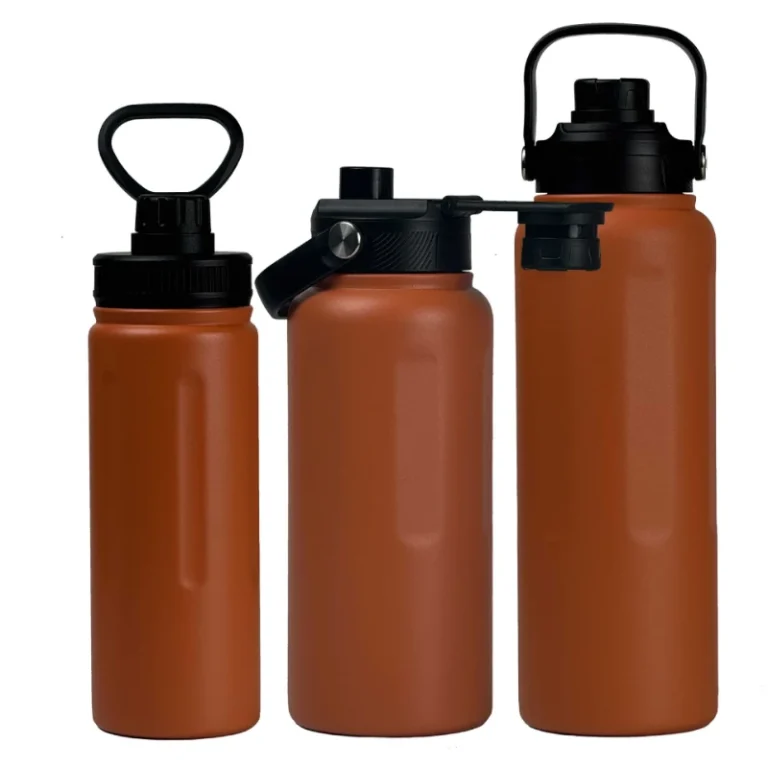
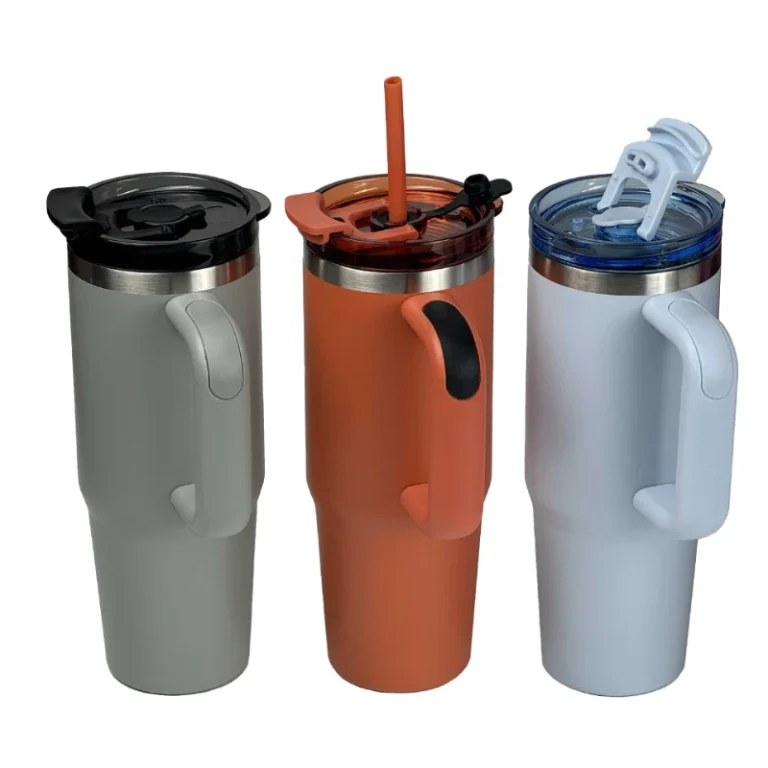
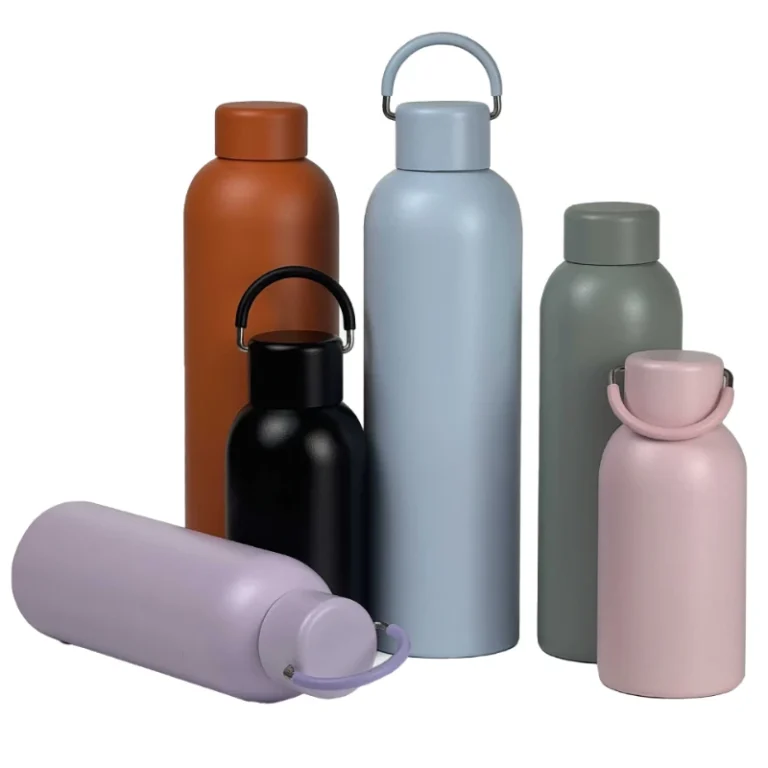
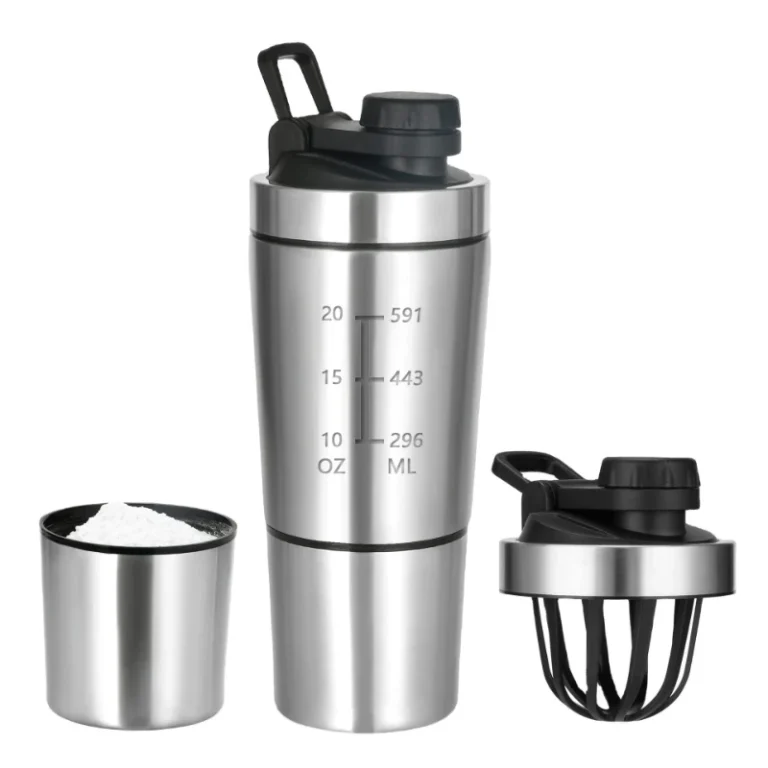
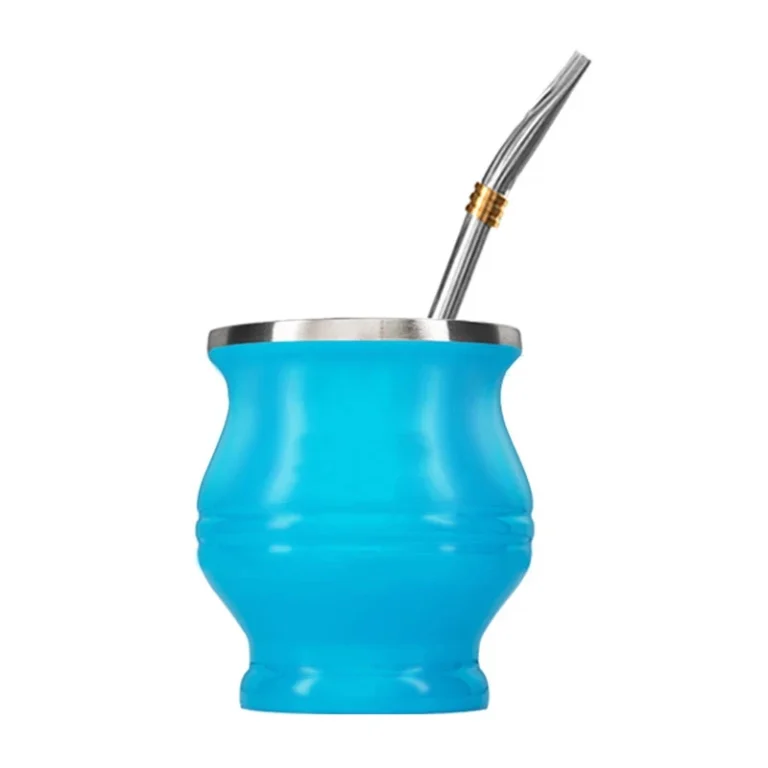
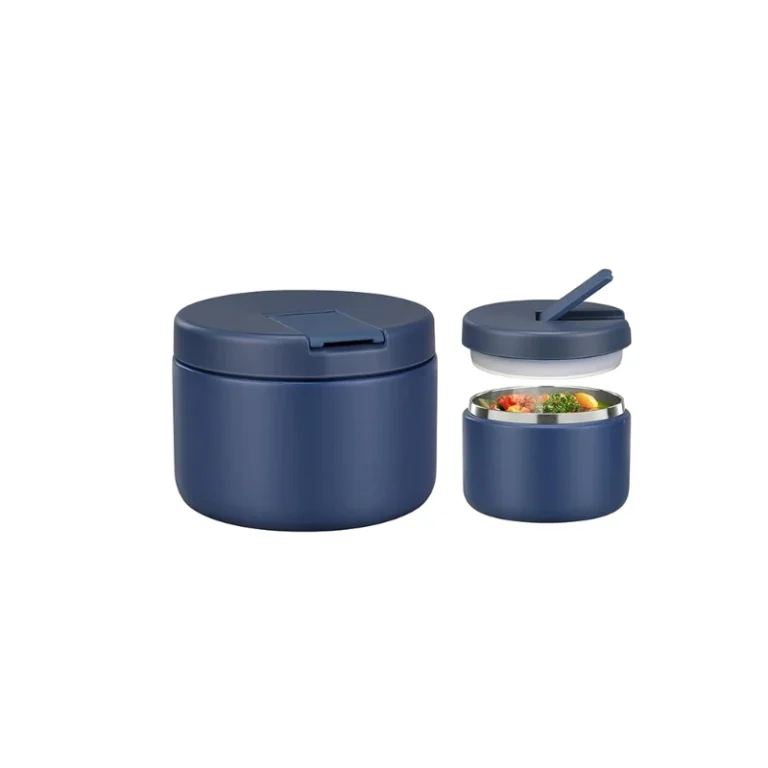
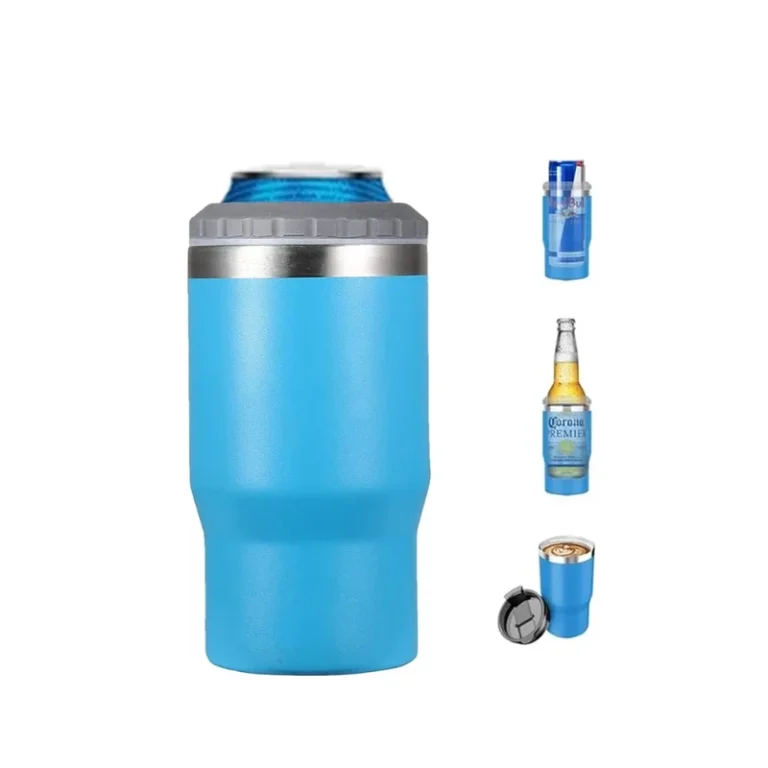
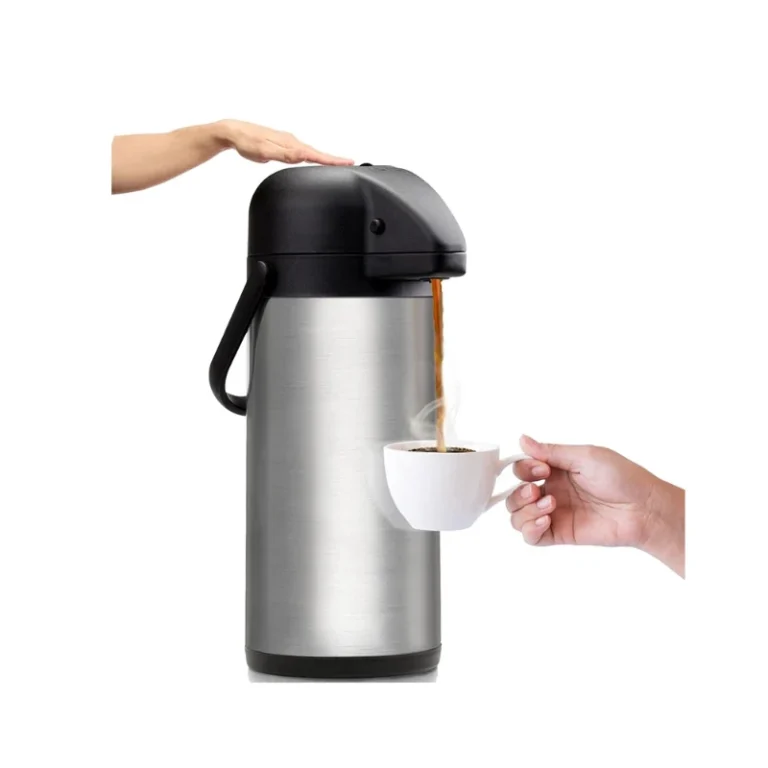
When shopping for a stainless steel water bottle for kids, one question often comes up: Should you choose 304 or 316 stainless steel?
Both materials are widely used in drinkware, and both have their own advantages. But is 316 really better than 304? Does your child need a 316 stainless steel water bottle, or is 304 already a good choice?
Let’s take a closer look at the differences and help you make a practical decision.
What Is the Difference Between 304 and 316 Stainless Steel?
The main difference between 304 and 316 stainless steel is their chemical composition.
304 stainless steel is one of the most commonly used materials in drinkware. It offers good corrosion resistance, durability, and everyday performance. That’s why it is widely used in insulated water bottles, coffee mugs, and food containers.
316 stainless steel contains an additional element called molybdenum. This gives it better resistance to corrosion, especially in environments where exposure to salts and certain chemicals may be a concern.
In simple terms, both are reliable stainless steel options, but 316 offers an extra level of corrosion resistance.
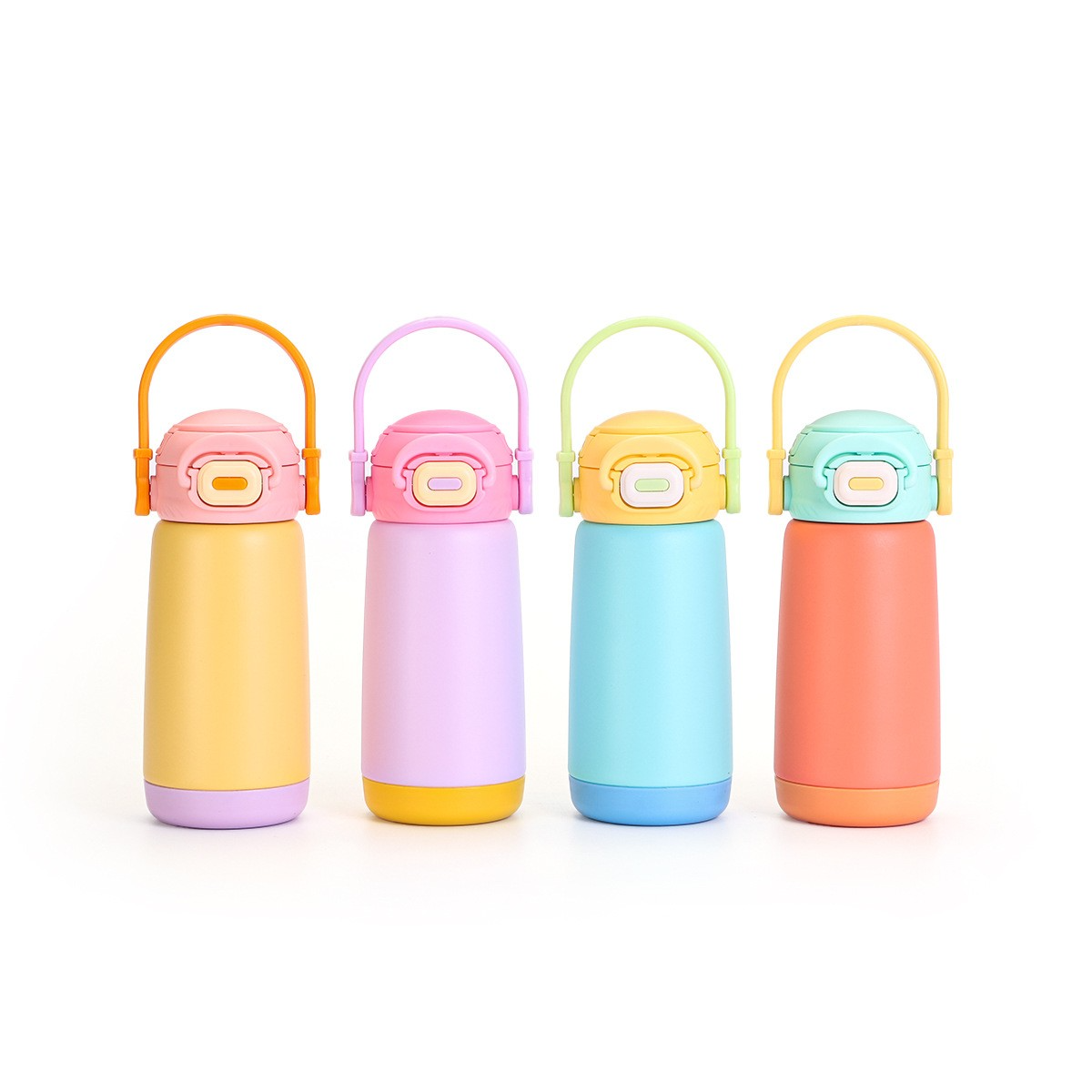
2 in 1 dual drinking option kids stylish insulated bottles
Is 304 Stainless Steel Safe for Kids’ Water Bottles?
Yes. Food-contact-grade 304 stainless steel is widely used for everyday drinkware and is a popular choice for children’s water bottles.
It is durable, corrosion-resistant, and suitable for normal drinking water applications when properly manufactured and maintained.
For most children who use their bottles at school, kindergarten, or during outdoor activities, a well-made 304 stainless steel water bottle is a practical option.
However, material quality is only one part of product safety. Parents should also pay attention to the materials used in straws, lids, silicone seals, and other parts that come into contact with drinking water.
Why Choose 316 Stainless Steel for Kids’ Water Bottles?
So, what makes 316 different?
Its main advantage is improved resistance to corrosion. This can be useful in more demanding environments or for buyers who prefer a premium material specification.
For example, brands looking to develop higher-end kids’ insulated water bottles may choose 316 stainless steel to differentiate their products.
However, it is important to understand that 316 does not automatically mean better insulation, better leak resistance, or a longer product lifespan. These features also depend on the bottle’s structure, vacuum technology, lid design, and manufacturing quality.
304 vs. 316 Stainless Steel: A Quick Comparison
Here is a simple comparison to help you understand the key differences.
| Merkmal | 304 Stainless Steel | 316 Stainless Steel |
|---|---|---|
| Korrosionsbeständigkeit | Gut | Ausgezeichnet |
| Molybdenum content | No intentional addition | Contains molybdenum |
| Everyday drinkware | Suitable | Suitable |
| Dauerhaftigkeit | Hoch | Hoch |
| Material cost | Generally lower | Generally higher |
| Common application | Everyday water bottles and tumblers | Premium drinkware and demanding environments |
Both materials can be good choices for kids’ water bottles. The right option depends on your product positioning, budget, and target market.
Which One Is Better for Different Kids’ Water Bottles?
For everyday school bottles, 304 stainless steel is often a sensible choice. It provides reliable performance while helping brands keep product costs competitive.
For premium children’s drinkware collections, 316 stainless steel can be an attractive option. It offers enhanced corrosion resistance and gives brands another selling point.
If you are a parent, focus on the overall product quality rather than choosing based on the steel grade alone.
If you are a wholesaler or importer, consider your target customers, retail price range, and market positioning before deciding which material to purchase.
What Else Should You Check Before Buying?
Whether you choose 304 or 316 stainless steel, there are several other details worth checking:
- Inner and outer materials: Check the actual material specifications of both layers.
- Lid and straw materials: Make sure all drinking-contact components are made from suitable food-contact materials.
- Vacuum insulation: Check the actual hot and cold retention performance.
- Leak-resistant design: Look at the sealing ring, lid connection, and locking structure.
- Easy cleaning: Removable straws and accessible lid components make daily cleaning easier.
- Quality control: Reliable manufacturing and inspection are essential for consistent product quality.
These details often have a bigger impact on everyday user experience than the stainless steel grade alone.
304 or 316, Which Should You Choose?
There is no single answer for every buyer.
304 stainless steel is a reliable and cost-effective option for everyday kids’ water bottles, while 316 stainless steel is a premium choice for those who want additional corrosion resistance.
At Anhui IFUN, we manufacture stainless steel insulated drinkware with different material options to meet various market needs. From kids’ straw bottles to insulated bottles with dual-drinking lids, we offer OEM and ODM customization, including colors, logos, and packaging.
Whether you are developing a new children’s drinkware collection or sourcing wholesale stainless steel water bottles, choosing the right material is a good first step toward building a product your customers will trust.