 Spanish
  English
  Portuguese
  Arabic
  German
  Russian
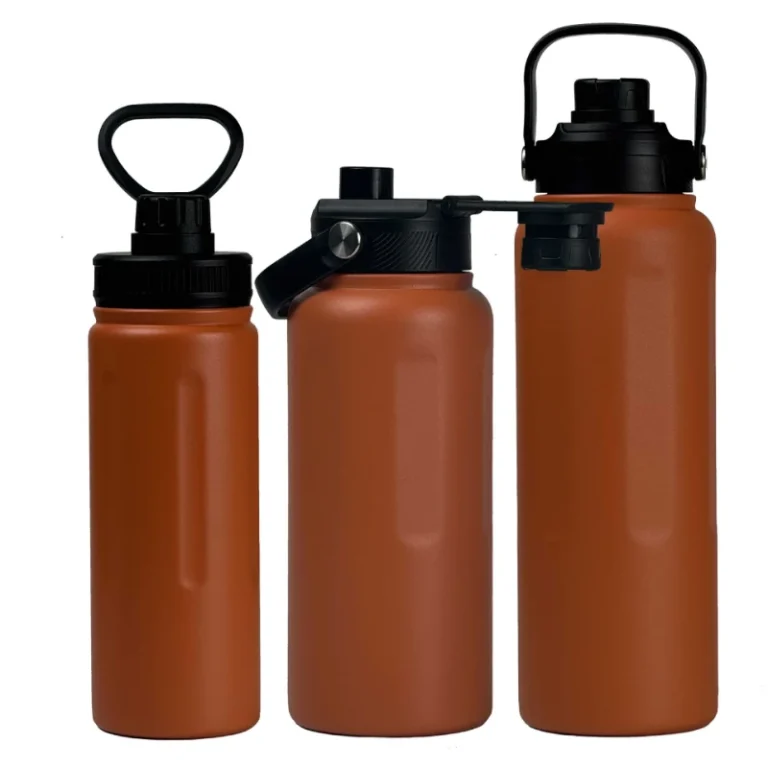
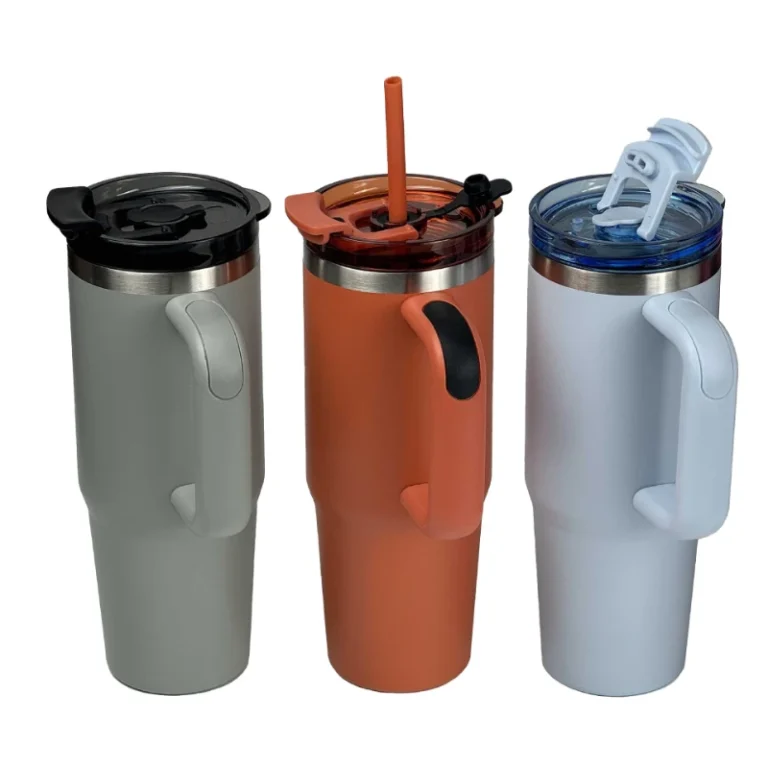
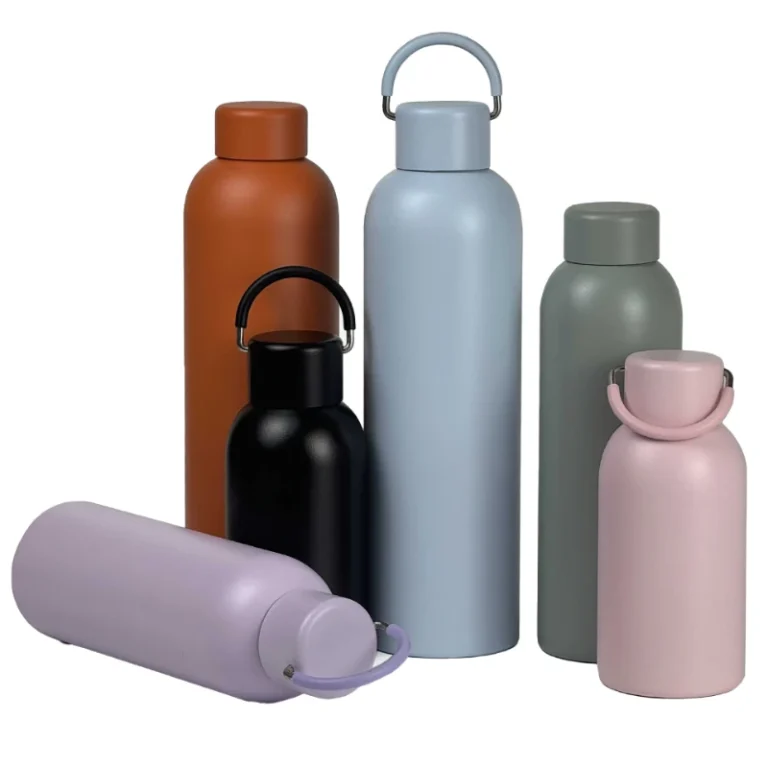
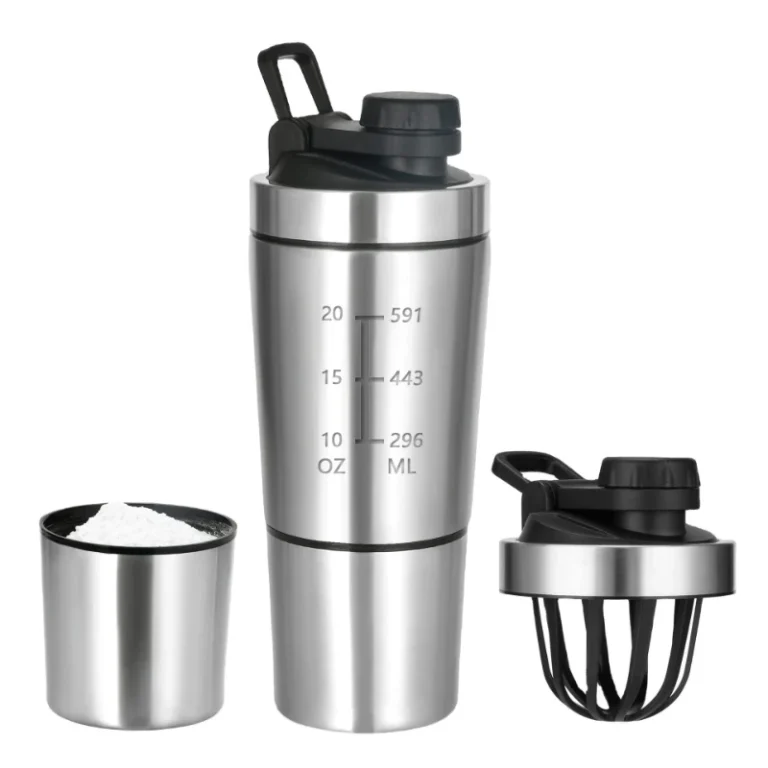
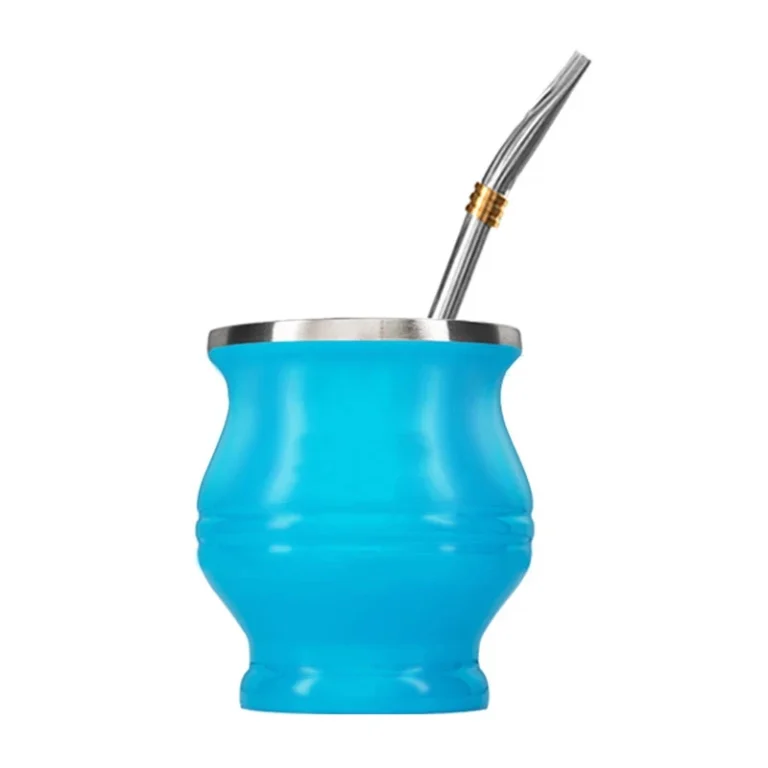
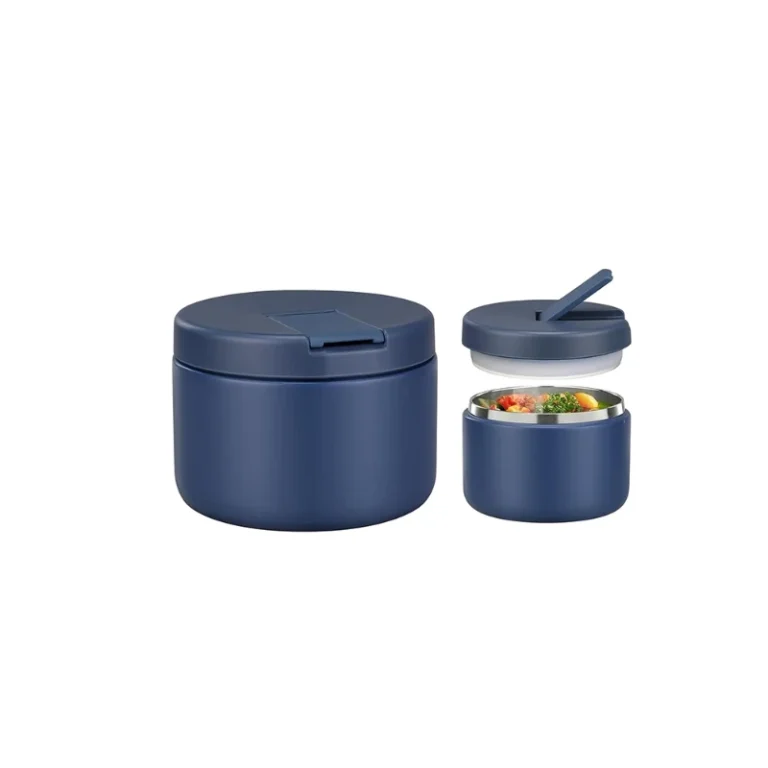
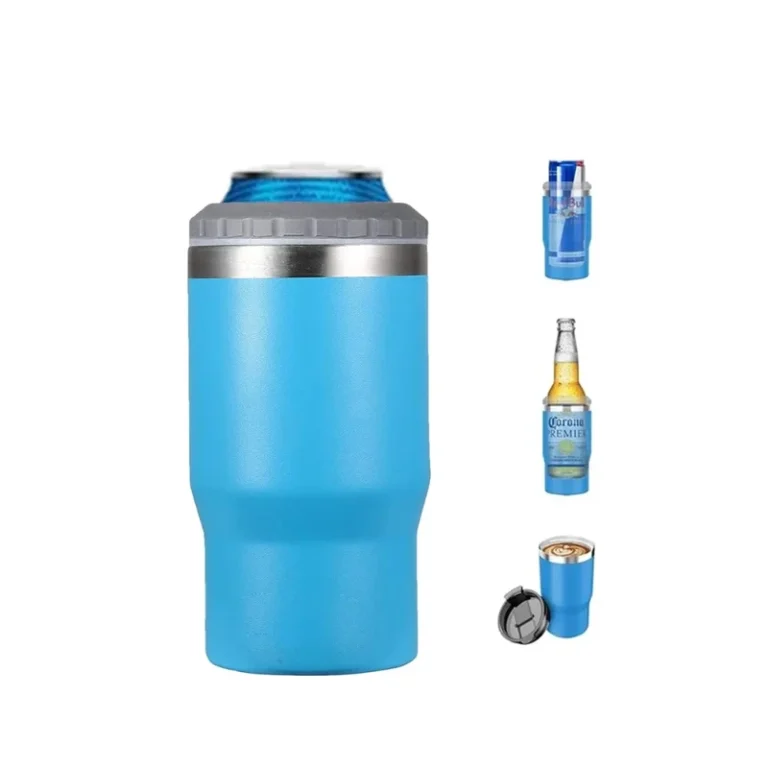
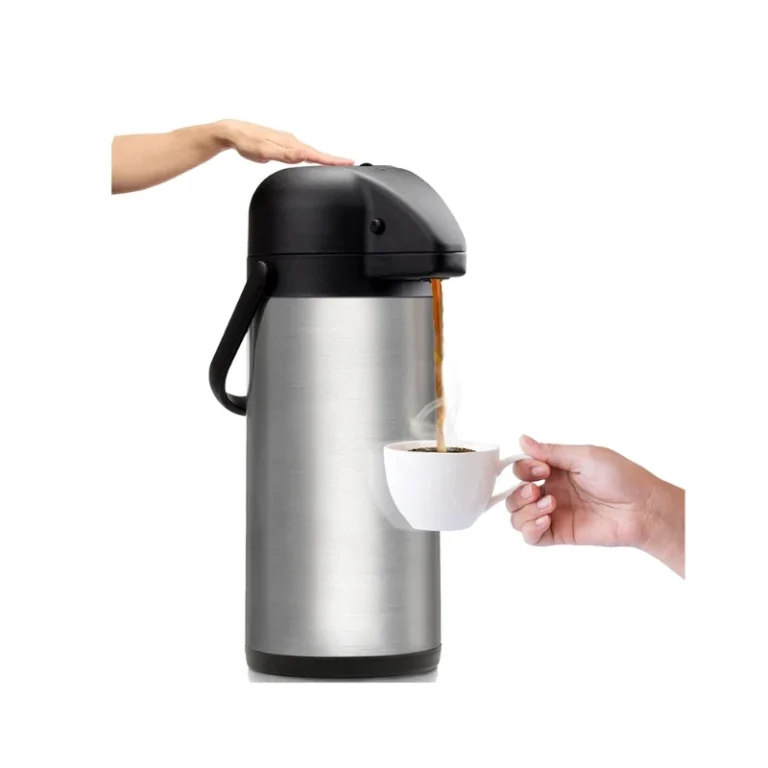
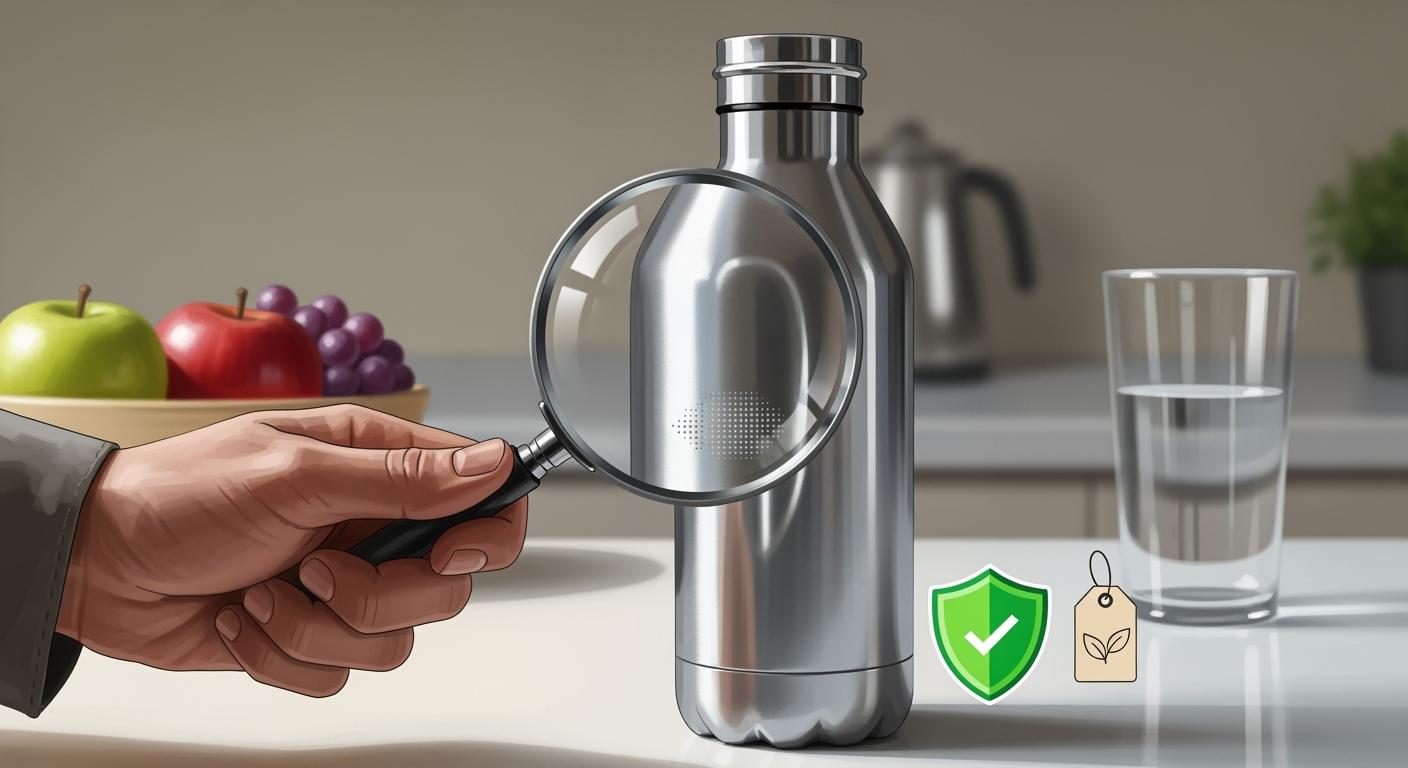
When choosing a stainless steel water bottle, always look for labels indicating “304 stainless steel,” “316 stainless steel,” or “18/8.” These stainless steel water bottle materials are safe for food, rust-resistant, and durable. Avoid purchasing bottles that lack clear labeling or are priced too low. Stainless steel bottles offer numerous advantages over plastic or glass:
-
Acero inoxidable does not release harmful chemicals like BPA, which can be found in some plastic bottles.
-
Unlike glass, which can easily break and is not ideal for everyday use, stainless steel is robust and long-lasting.
Select bottles that adhere to the material-guide-for-flasks-and-tumblers to ensure the safest drinking experience.
Principales conclusiones
-
Pick stainless steel bottles marked ‘304,’ ‘316,’ or ’18/8.’ These are safe and strong.
-
Do not use bottles if they do not show their grade. They might have unsafe stuff in them.
-
Buy bottles from brands you trust. Make sure they have certificates for food safety.
-
Clean your stainless steel bottle often. This keeps it clean and helps it last longer.
-
Stainless steel bottles cut down on plastic trash. They also keep your drinks safe.
Why Stainless Steel Water Bottle Material Is Safe
Food-Grade Stainless Steel Benefits
When you pick bottles made from food-grade stainless steel, you get many health benefits. This material follows strict food safety rules. It keeps your water safe from germs and dirt. Stainless steel, like 304 stainless steel and 316 stainless steel, does not have BPA or other bad chemicals. You do not face the dangers that come with plastic bottles, like hormone problems or health risks. Stainless steel uses safe, natural parts. It does not have chemicals that can make you sick or cause cancer. You can drink water from these bottles for a long time without worry.
-
Stainless steel water bottles have no BPA or harmful chemicals.
-
You keep yourself safe by not using risky plastic bottles.
-
Stainless steel is made from safe, natural parts.
-
You can keep water in stainless steel bottles for a long time.
316 stainless steel does not rust and stops bad reactions. You can wash your bottle many times and it will not lose quality. The material does not chip, scratch, or bend easily. The smooth surface makes it simple to clean and keep germ-free.
-
316 stainless steel does not rust and keeps water safe.
-
Chromium and nickel make a shield that stops rust.
-
Acero inoxidable is strong and does not let bad things get into your water.
Safety Compared to Plastic and Glass
Stainless steel bottles give you a safer way to drink than plastic or glass. Plastic bottles can let out chemicals, especially when they get hot. Chemicals like BPA and phthalates can mess with your hormones and cause health problems. Stainless steel does not react with drinks or let out bad chemicals. Your water stays clean and safe.
|
Tipo de botella |
Safety Features |
|
|---|---|---|
|
Glass Water Bottle |
Alta |
Breakable, can cause injury if shattered |
|
Acero inoxidable |
Bajo |
Durable, safe for various environments, non-breakable |
You do not have to worry about glass bottles breaking. Stainless steel bottles are strong and safe in many places. 316 stainless steel does not rust, so your bottle stays tough and safe. Stainless steel water bottle material is the best choice for food safety and staying hydrated for a long time.
Stainless Steel Grades Overview
304 Stainless Steel (18/8)
Most water bottles use 304 stainless steel. People also call it 18/8 stainless steel. It has 18% chromium and 8% nickel. These parts help stop rust and stains. The material does not mix with water or drinks. Your water always tastes clean.
Here is a quick look at what is inside:
|
Stainless Steel Type |
Chromium Content |
Contenido en níquel |
Molybdenum Content |
|---|---|---|---|
|
304 |
18% |
8% |
N/A |
304 stainless steel is very strong. You can drop your bottle and it will not break. You can use it for hot or cold drinks. It works well every day and lasts for years. Tests show 304 bottles do not leak or lose their shape. They last longer than glass or plastic bottles. Using one helps the planet because you do not need to buy new bottles often.
316 Stainless Steel and 316L Stainless Steel
Some bottles use 316 or 316L stainless steel. These types protect even better. 316 stainless steel has more nickel and also molybdenum. Molybdenum helps stop rust, even in salty places.
|
Stainless Steel Type |
Chromium Content |
Contenido en níquel |
Molybdenum Content |
|---|---|---|---|
|
316 |
16% |
10% |
2% |
316L stainless steel has less carbon than 316. This helps stop rust where the bottle is welded. Both 316 and 316L can handle high heat. They also stop bacteria from growing. You see these grades in medical bottles, baby bottles, and sports bottles.
Tip: Pick 316 or 316L stainless steel if you need the best protection in tough places.
304 vs 316 Stainless Steel Comparison
You may wonder which one is right for you. Here is a simple table to help you choose:
|
Característica |
304 Stainless Steel |
316 Stainless Steel |
|---|---|---|
|
Durabilidad |
Good for daily use, cost-effective |
Superior long-term durability, withstands higher pressure and temperatures |
|
Resistencia a la corrosión |
Moderate resistance |
Enhanced resistance due to molybdenum, ideal for outdoor and salty environments |
|
Rendimiento del aislamiento |
Effective in maintaining temperature |
Slightly better in extreme conditions, maintains temperature stability longer |
316 stainless steel costs more because it has extra features. You pay more, but you get more safety and strength. Many people pick 304 for everyday use. If you want the best for travel, sports, or medical use, choose 316 or 316L stainless steel.
How to Identify Stainless Steel Water Bottle Material
Finding Grade Markings
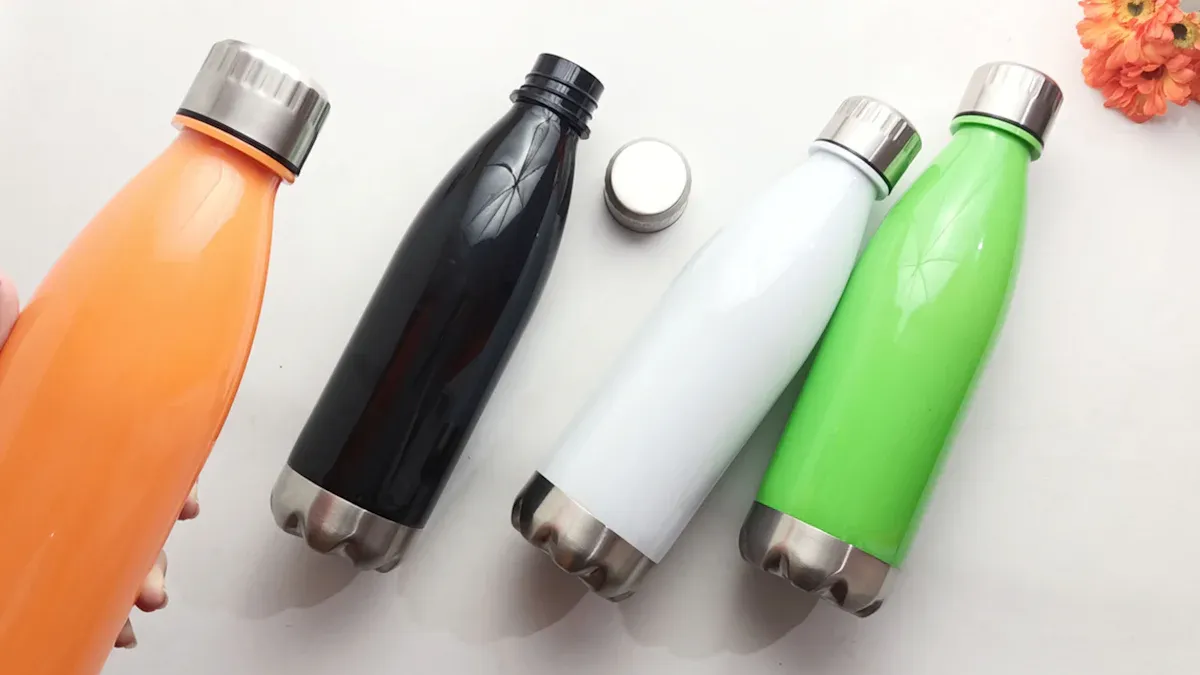
You can find out if a stainless steel water bottle is safe by looking for grade markings. Check the bottle, box, or product details for numbers like “18/8,” “18/10,” or “304.” These numbers tell you how much chromium and nickel are in the steel. Chromium and nickel help stop rust and keep your water tasting good. Good bottles show these numbers clearly. If you see “18/8” or “304,” the bottle is strong and safe.
Tip: If you do not see any grade marking, the bottle might not be safe. Always look before you buy.
Here is a table to help you know what the markings mean:
|
Marking |
Common Name(s) |
Key Characteristics |
Importancia |
|---|---|---|---|
|
304 |
18/8, 18/10 |
Food-grade, good rust resistance, durable |
Industry standard, safe for customers |
|
201 |
N/A |
Lower nickel content, less rust-resistant |
Cheaper, may not last as long |
Markings like “18/8” and “304” show the stainless steel water bottle material is food-grade. These bottles will not put bad stuff in your drink.
Reading Labels and Certifications
You should always check the labels and look for certifications when you pick a bottle. Certifications show the bottle is safe for food and drinks. Look for these important certifications:
-
FDA Regulations: The FDA checks if materials are safe for food and drinks.
-
ISO Standards: ISO makes rules for safe, good bottles.
-
BPA-Free Certification: This means the bottle does not have BPA.
-
LFGB Certification: This German test checks for chemical safety.
-
Third-Party Testing: Labs test bottles for bad chemicals.
-
Quality Assurance and Documentation: Look for safety papers and certificates.
Note: Bottles with FDA, ISO, or LFGB certifications have passed tough tests. You can trust these bottles every day.
Certifications help you know the bottle is safe and meets food safety rules. They also show the bottle will not put chemicals in your water.
Checking Inner Liner Material
The inner liner is the part that touches your water. It is the most important for safety. Most bottles use stainless steel for the inside. Stainless steel is strong, does not rust, and is easy to clean. Some bottles use a ceramic coating. Ceramic stops metal taste and blocks chemicals from plastic liners.
You can test the inner liner at home:
-
Get a small fridge magnet.
-
Try it on the bottom, sides, and lid of the bottle.
-
See if the magnet sticks. Stainless steel has a weak pull.
-
Feel the weight. Good bottles feel heavy and balanced.
Tip: Always make sure the inner liner is stainless steel or good ceramic. Do not use bottles with plastic liners.
Stainless steel water bottle material with a stainless steel inner liner keeps your water safe and fresh. It also makes your bottle last longer and stops rust.
What to Avoid in Stainless Steel Bottles
Unmarked or Generic Steel
Never pick bottles made from unmarked or generic steel. These bottles do not have any grade or certification. The makers might use materials that are not safe. If you do not see clear markings, you cannot trust the bottle. You could get sick from chemicals or other problems. The bottle might break or have bad stuff inside. Check the table below to see what can go wrong:
|
Risk Type |
Descripción |
|---|---|
|
Lixiviación química |
Bad chemicals might get into your water from the steel. |
|
Structural Integrity Issues |
The bottle might not be strong and could break or leak. |
|
Presence of Harmful Substances |
There could be unsafe materials in the bottle parts. |
Tip: Always check for grade markings like “304” or “18/8” before you buy a bottle.
201 Stainless Steel Risks
You should know about the dangers of 201 stainless steel. This type has less nickel and more manganese. It rusts faster and does not keep your water safe. If you put sour drinks in 201 stainless steel, metals can get into your drink. Nickel can make some people have allergies. Chromium can be bad for your health and may cause cancer. New studies say 201 stainless steel is not good for food. Pick bottles made from Acero inoxidable 304 for better safety.
|
Health Risk |
Descripción |
|---|---|
|
Resistencia a la corrosión |
201 stainless steel rusts easily and does not last long. |
|
Metal Leaching |
Sour drinks can make nickel and chromium get into your drink. |
|
Health Effects |
Nickel can cause skin problems; chromium can lead to cancer. |
-
Keeping sour drinks in 201 stainless steel for a long time is risky.
-
Nickel and chromium are the main metals that get into drinks.
-
Nickel often causes skin rashes or allergies.
-
Chromium can make you sick and is linked to lung cancer.
Red Flags: Price and Quality
You can find unsafe bottles by looking at price and quality. Safe bottles usually cost $10 to $15 for simple ones. Insulated bottles cost $20 to $40. Fancy bottles can cost over $50. If you see a bottle that is very cheap, it might be made with bad steel like 201. Good bottles use 304 stainless steel, which is stronger and does not rust. Cheap bottles rust fast and break easily. People like to pay more for bottles that last and are safe. Stainless steel bottles are returned less often than plastic ones, so they are more trusted.
Note: If a bottle is very cheap, always check the material and look for certifications before you buy.
Buying Tips for Safe Stainless Steel Bottles
Trusted Brands and Retailers
Pick stainless steel water bottles from brands people trust. Good brands show grade markings like “304” or “316” on their bottles. They tell you what materials they use and show certifications. You can find safe bottles at outdoor stores, special shops, and big online stores. These places sell bottles that follow food safety rules. If you buy from a trusted store, you are less likely to get a bottle with unsafe materials.
Tip: Choose brands that give warranties or promise you will be happy. This means they believe in their bottles.
Questions to Ask Before Purchase
Before you buy a stainless steel water bottle, ask the seller some questions to make sure it is safe:
-
Ask for test reports that show the whole bottle is safe for food, not just the steel.
-
Make sure the tests include lids, seals, and all non-metal parts.
-
Check if the reports are for the same model you want to buy.
-
Ask if the bottle gets tested more than once, not just one time.
These questions help you stay safe and avoid bad bottles. Sellers who answer your questions and show papers care about your health.
|
Question |
Por qué es importante |
|---|---|
|
Food contact test reports |
Shows the whole bottle is safe |
|
Test scope includes all parts |
Ensures lids and seals are safe |
|
Reports match your model |
Confirms safety for your exact bottle |
|
Repeat testing |
Proves ongoing quality and safety |
Care and Maintenance
You can keep your stainless steel water bottle safe and make it last longer by following these easy steps:
-
Wash your bottle every day with warm water, soap, and a bottle brush.
-
Clean the cap threads and seals so water and dirt do not build up.
-
For deep cleaning, mix water and white vinegar or lemon juice. Let it sit for a few hours, then rinse well.
-
Take out seals or gaskets and wash them by themselves to stop mold and grime.
-
Check your bottle often for cracks or broken seals. Replace any damaged parts right away.
-
Keep your bottle in a cool, dry place. Do not leave it in the sun or very hot places.
-
Use gentle dish soap or a mix of warm water and baking soda to clean it. For tough stains or smells, use water and white vinegar or lemon juice.
Note: Taking care of your bottle keeps it safe and makes your water taste good.
You can find safe stainless steel water bottles by checking grade markings. Look for numbers like 304, 316, or 18/8. Also, check for certifications on the bottle. Pick bottles with clear labels from trusted brands. Stainless steel bottles are better because they keep your drinks safe. They do not let harmful chemicals get into your water. Stainless steel stops bacteria and lasts longer than plastic or glass. Using these bottles helps the planet by making less trash. Make good choices for your health and enjoy a strong, safe bottle.
-
Stainless steel bottles do not let chemicals into your drink.
-
They do not break or crack easily.
-
You help stop plastic pollution and waste.
PREGUNTAS FRECUENTES
What does “18/8 stainless steel” mean?
You see “18/8” on bottles. This means the steel has 18% chromium and 8% nickel. These metals help stop rust and keep your water safe.
How can you check if your bottle is food-grade?
Look for markings like “304,” “316,” or “18/8” on the bottle or packaging. You can also check for certifications such as FDA or ISO. Trusted brands always show these details.
Is stainless steel safe for hot drinks?
Yes, you can use stainless steel bottles for hot drinks. The material does not release chemicals. It keeps your drink hot and safe.
Why should you avoid bottles without grade markings?
Bottles without grade markings may use unsafe materials. You cannot trust their quality. Always choose bottles with clear markings like “304” or “316.”
Can stainless steel bottles change the taste of water?
Stainless steel bottles do not change the taste of your water. You get a clean, fresh drink every time. If you notice a taste, clean your bottle well.