 Spanish
  English
  Portuguese
  Arabic
  German
  Russian
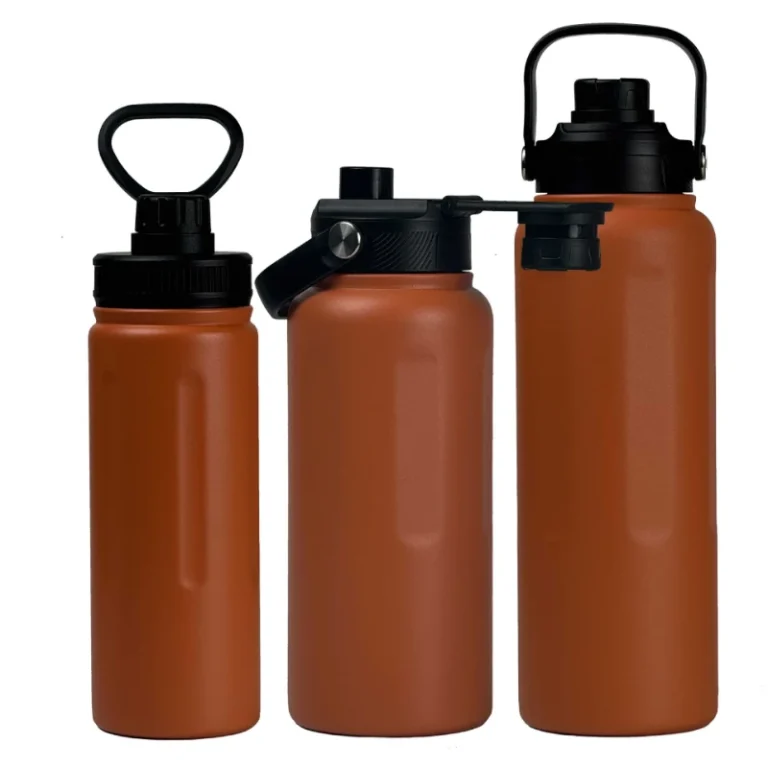
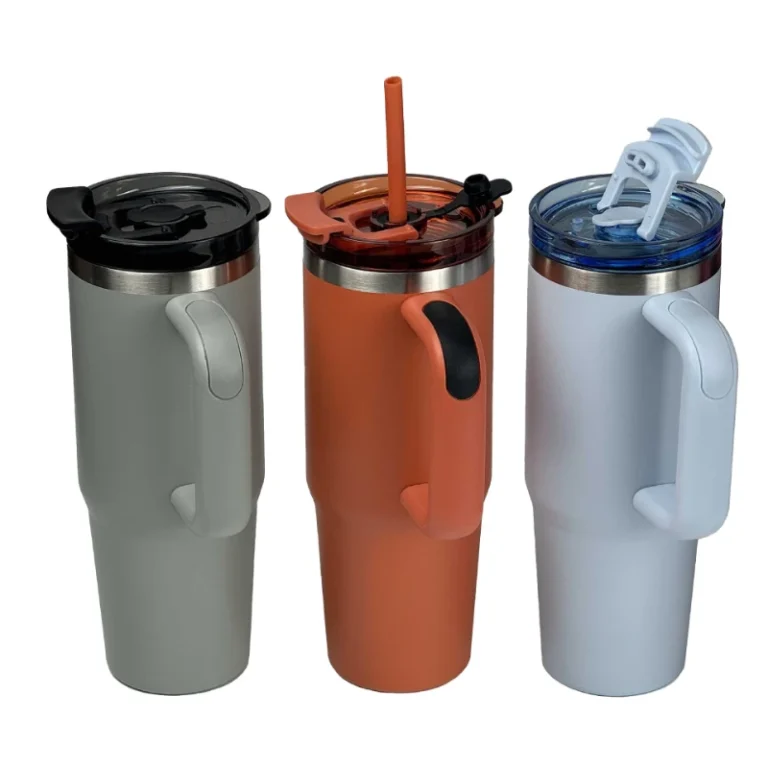
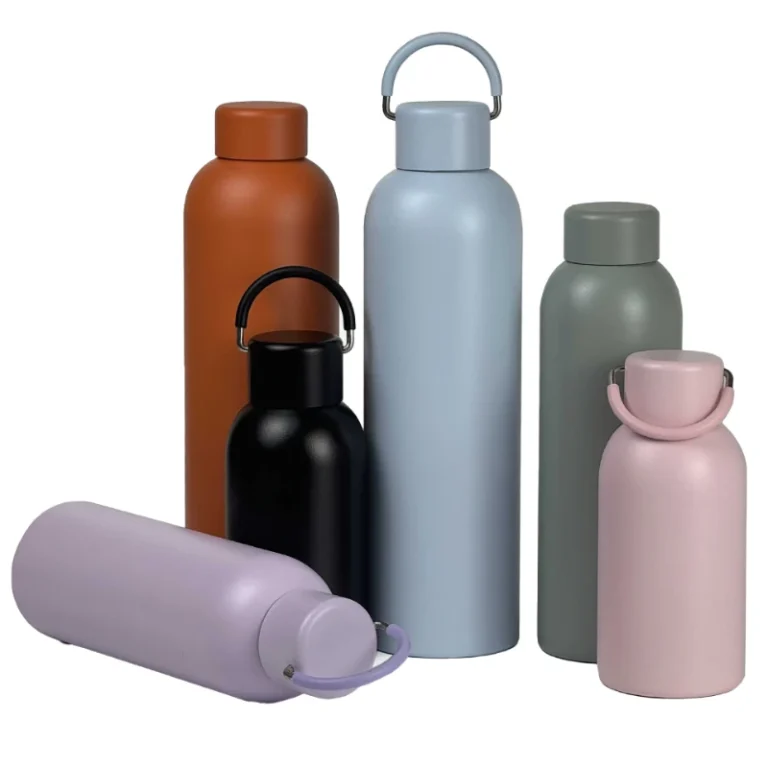
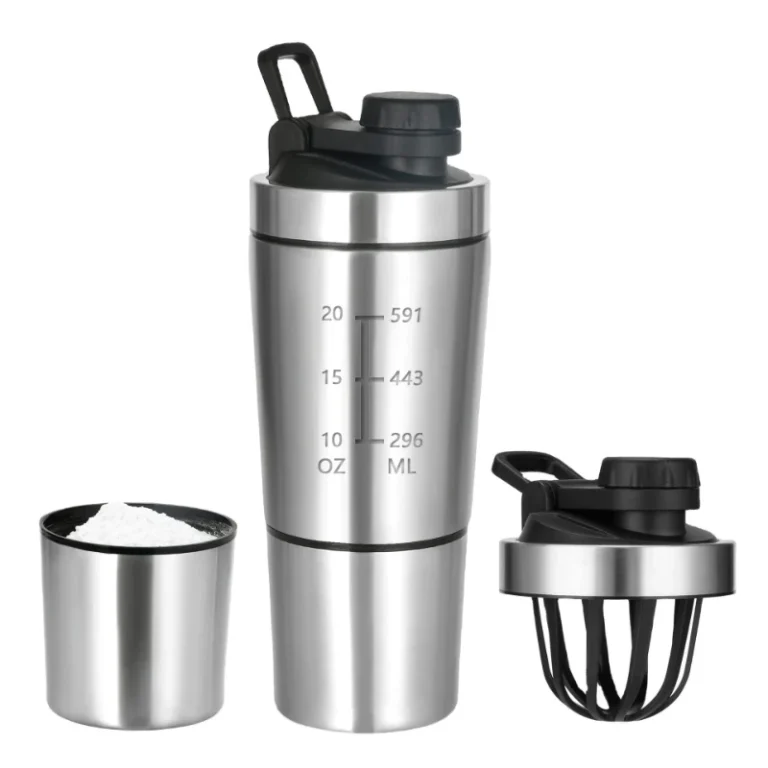
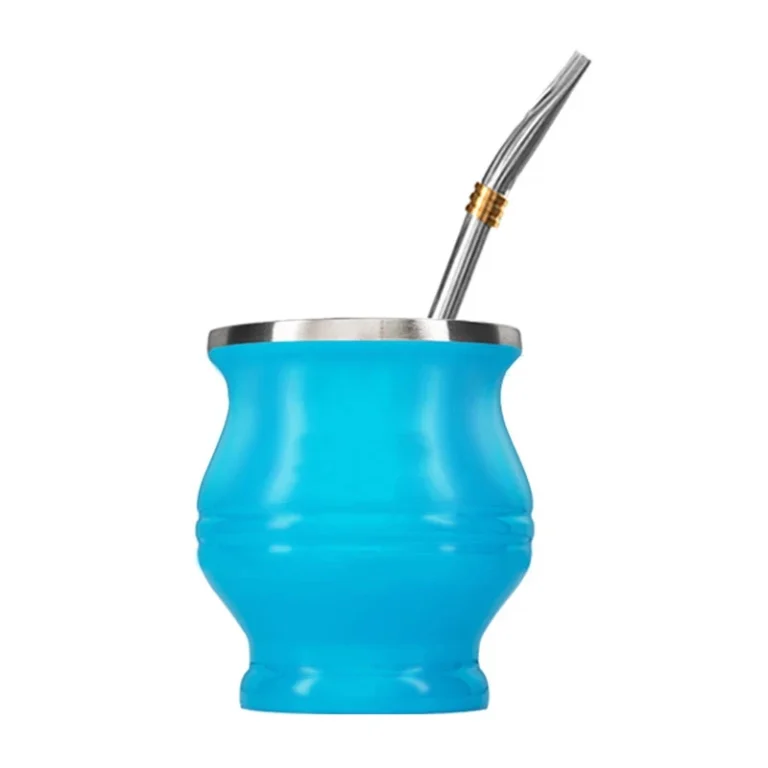
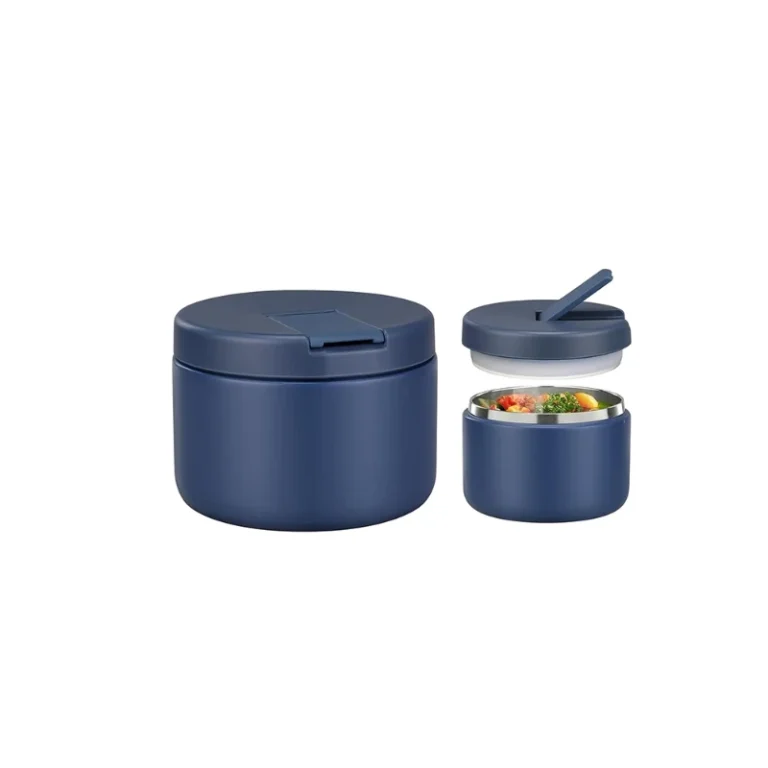
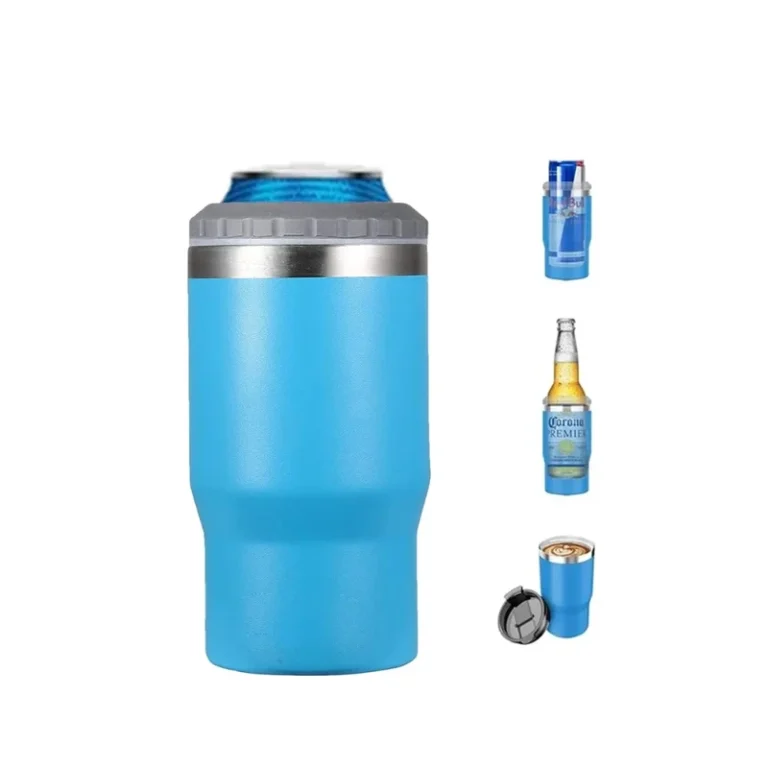
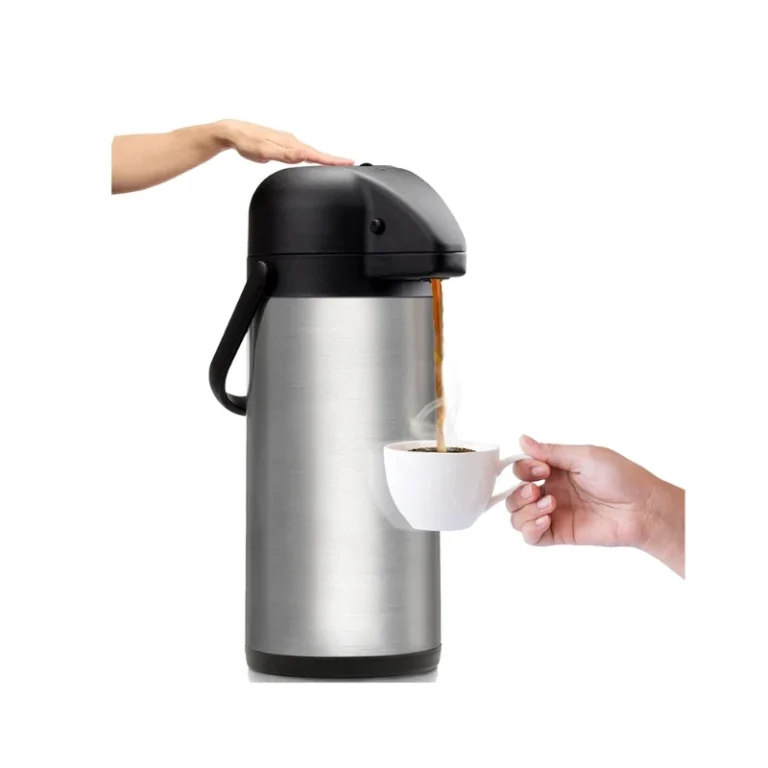
If you want a bottle for daily use, you probably care about taste, safety, durability, and value. Most people find that a high-quality stainless steel bottle works best for everyday life. You get a safe, BPA-free option that does not contain lead or leach harmful chemicals. Some users notice a metallic taste or worry about dents, but stainless steel bottles stay strong and portable. In the Ceramic Lined vs Stainless Steel Bottle debate, your choice really depends on what matters most to you each day.
For distributors, wholesalers, and private label brands, choosing between ceramic-lined and stainless steel bottles is not just about user preference—it directly impacts:
- Product positioning
- Manufacturing cost
- MOQ and scalability
- Customer complaints rate
- Long-term brand perception
In bulk purchasing, material = margin + reputation.
Principales conclusiones
-
Stainless steel bottles are durable and lightweight, making them ideal for daily use and outdoor activities.
-
Ceramic-lined bottles provide a pure taste without metallic aftertaste, perfect for those sensitive to flavors.
-
Both types of bottles require regular cleaning to prevent bacteria growth; stainless steel is easier to maintain.
-
Consider your drink preferences: stainless steel is great for hot and cold retention, while ceramic excels in taste.
-
Price varies: stainless steel bottles are generally more affordable, while ceramic-lined options offer unique benefits at a higher cost.
Ceramic Lined vs Stainless Steel Bottle: Taste Experience
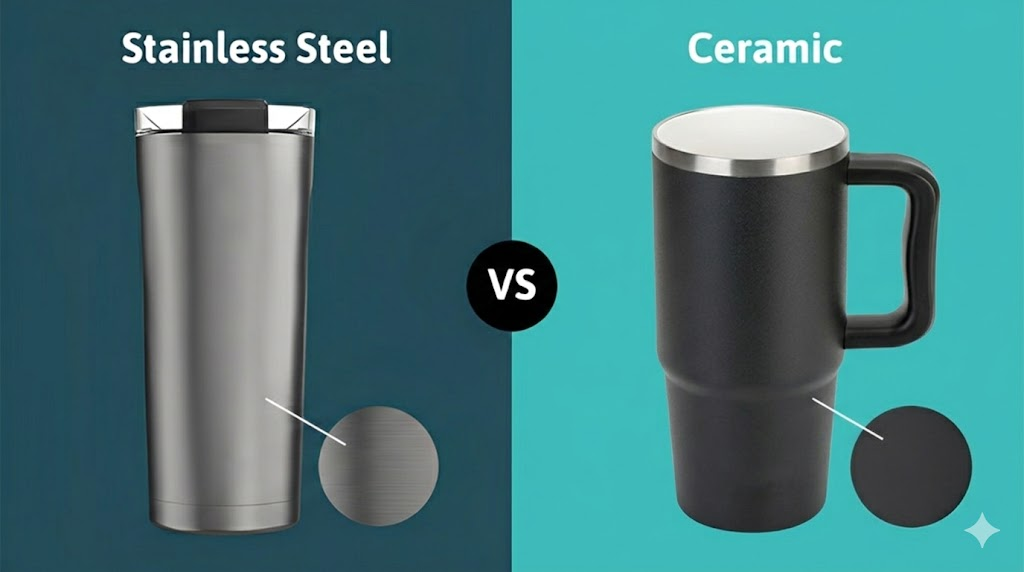
When you think about what you want from your water bottle, taste probably comes to mind first. No one wants their favorite drink to taste weird or pick up strange flavors. The Ceramic Lined vs Stainless Steel Bottle debate often starts with this simple question: which one keeps your drinks tasting fresh?
Metallic Taste in Stainless Steel 
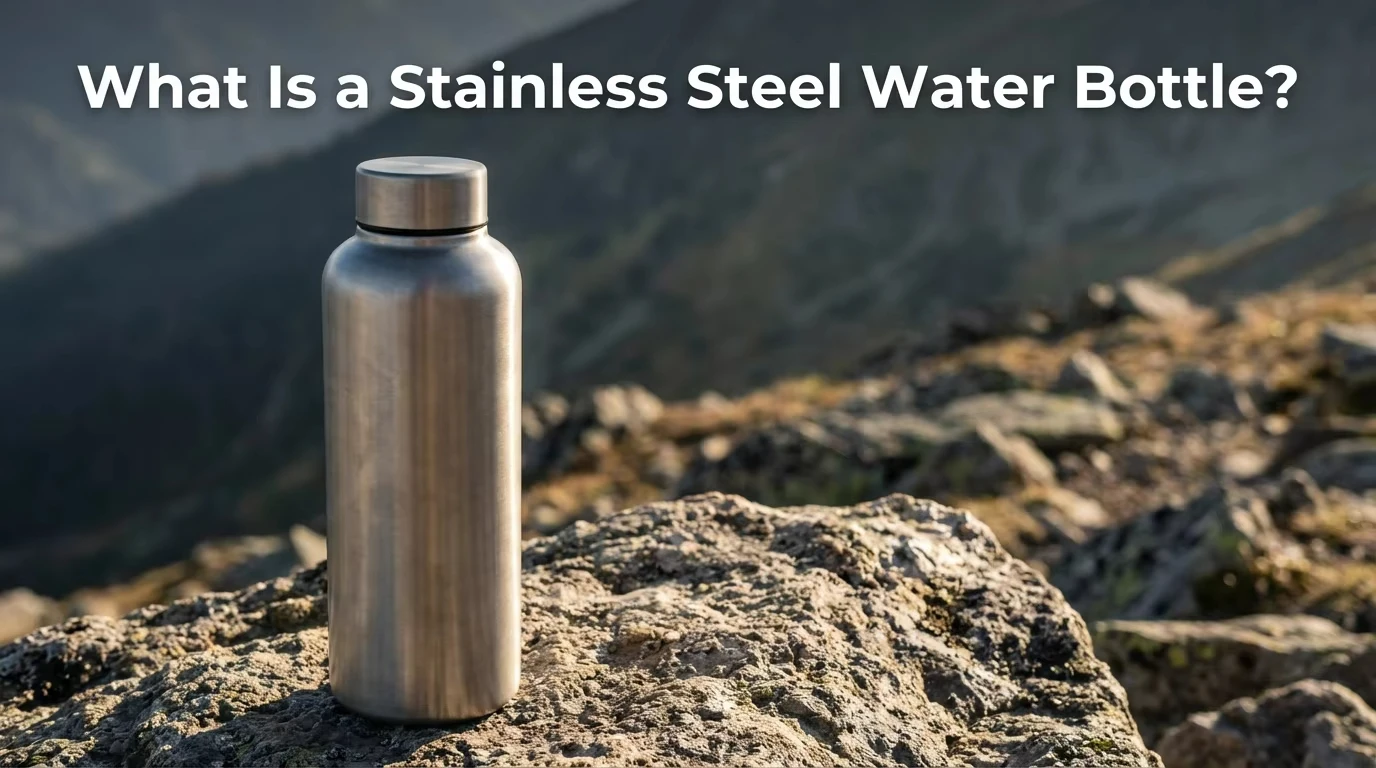
Have you ever taken a sip from a stainless steel bottle and noticed a faint metallic flavor? You are not alone. Many people say that stainless steel bottles sometimes give water or juice a slightly metallic aftertaste, especially if you fill them with acidic drinks like orange juice or coffee. This happens because stainless steel can react with certain beverages, changing the way your drink tastes.
Here’s a quick look at how users rate the taste experience:
|
Tipo de botella |
Taste Rating |
Notas |
|---|---|---|
|
Ceramic-Lined Bottles |
Excelente |
No metallic aftertaste |
|
Stainless Steel Bottles |
Bien |
Occasional metallic taste with acidic drinks |
You can see that stainless steel bottles usually do a good job, but they do not always keep flavors pure. If you are sensitive to taste, this might bother you over time.
Ceramic Neutrality
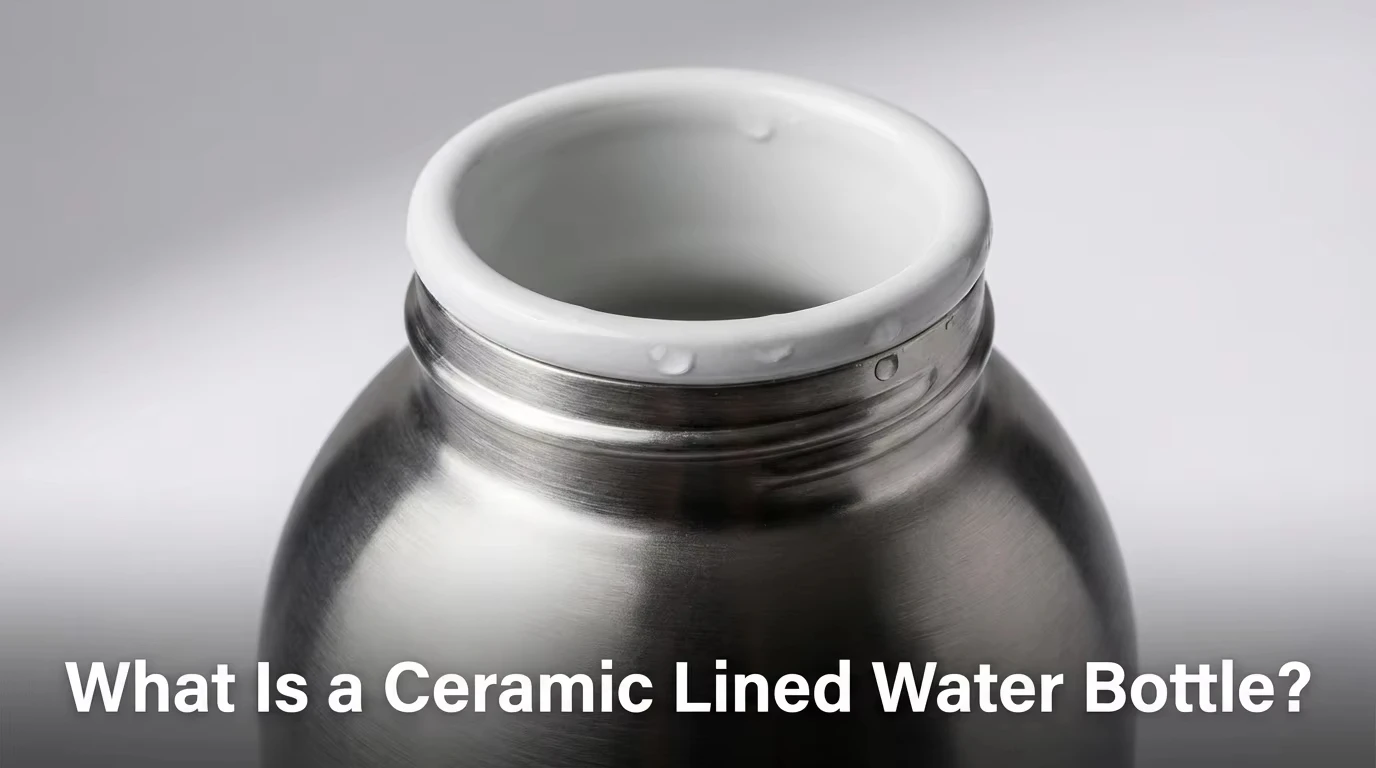
Now, let’s talk about ceramic-lined bottles. In the Ceramic Lined vs Stainless Steel Bottle comparison, ceramic stands out for its neutral flavor. Ceramic does not absorb or give off any flavors, so your drinks taste just the way they should. You get the real flavor of your coffee, tea, or water every time.
-
Ceramic does not change the taste of your drink. It keeps flavors pure and fresh.
-
The ceramic lining acts as a barrier. It does not react with your beverage, so you never get a metallic taste.
-
High-quality ceramic is stable and non-reactive, much like glass. This means it will not affect the flavor, even after many uses.
-
Ceramic’s slight porosity can absorb some coffee oils, making your coffee taste richer over time. Stainless steel does not do this.
-
Ceramic bottles also resist stains. You do not have to worry about leftover flavors from yesterday’s tea or coffee.
Consejo: If you love switching between different drinks—like coffee in the morning and fruit-infused water in the afternoon—a ceramic-lined bottle keeps each drink tasting just right.
When you look at the Ceramic Lined vs Stainless Steel Bottle choice, think about what matters most to you. If you want the purest taste and do not want to worry about lingering flavors or metallic notes, ceramic-lined bottles have a clear advantage. Stainless steel bottles work well for most drinks, but you might notice a difference with certain beverages.
Seguridad y salud
Lixiviación química
You want your water bottle to keep you safe, not add unwanted chemicals to your drink. When you look at the Ceramic Lined vs Stainless Steel Bottle debate, chemical leaching is a big topic. Stainless steel bottles usually feel safe, but they can sometimes release small amounts of metals into your drink. This happens more often when you fill them with acidic drinks like orange juice, lemonade, or tomato-based beverages.
-
Stainless steel can leach nickel and chromium, especially with acidic drinks.
-
Studies show that tomato sauce stored in stainless steel can increase nickel by about 8 times and chromium by 3 times.
-
The amount of metal that gets into your drink depends on how long the liquid sits in the bottle and how acidic it is.
Ceramic-lined bottles also have their own risks. Research shows that ceramic materials can sometimes leach metals, too. The amount depends on things like the pH of your drink, the temperature, and how long the liquid stays in the bottle. Most high-quality ceramic linings are safe for daily use, but you should always check that your bottle meets safety standards.
Consejo: If you use your bottle for water most of the time, both types are usually safe. For very acidic drinks, you might want to switch things up or not let them sit too long.
Hygiene and Bacterial Resistance
Keeping your bottle clean is just as important as choosing the right material. Both stainless steel and ceramic-lined bottles need regular cleaning to stay safe and fresh. You do not want bacteria or mold growing inside your bottle.
Here’s a quick guide to cleaning both types:
|
Cleaning Step |
Recommendation |
|---|---|
|
Daily Cleaning |
Use warm water and mild detergent. |
|
Interior Cleaning |
Use a bottle brush. Avoid steel wool or chlorine bleach. |
|
Drying Method |
Dry upside down to prevent bacteria and mold. |
|
Seal Replacement |
Change silicone seals every 3–6 months. |
|
Compliance Check |
Make sure your bottle meets FDA or other safety standards. |
You can also spray the inside with a mix of hydrogen peroxide and vinegar for extra disinfection. For deep cleaning, use a teaspoon of bleach in a quart of water, then rinse well and let the bottle air dry.
Stainless steel resists bacteria because it does not have pores where germs can hide. Ceramic linings are smooth, but if they crack or chip, bacteria can get trapped. Always check your bottle for damage and replace it if you see any chips or cracks.
Nota: Clean your bottle every day, especially if you use it for drinks other than water. A clean bottle keeps you healthy and your drinks tasting great.
Durability and Cleaning
Impact Resistance
You want a bottle that can handle bumps, drops, and the chaos of daily life. Stainless steel bottles shine in this area. If you drop one, it might get a dent, but it usually keeps working just fine. The 304 and 316 stainless steel bottles are tough. They can last for years, even if you toss them in your backpack every day. Ceramic-lined bottles feel solid, but the ceramic layer inside can crack or chip if you drop the bottle hard. Once that happens, you might need a new bottle.
Here’s a quick look at how long these bottles last:
|
Material |
Vida media |
|---|---|
|
304 Stainless Steel |
|
|
316 Stainless Steel |
10 to 20 years |
|
Ceramic Lined Bottles |
N/A |
Stainless steel bottles can last a decade or more. Ceramic-lined bottles depend on how careful you are. If you drop them often, they might not last as long.
Stain Resistance
You probably want your bottle to look clean and fresh. Stainless steel resists stains from coffee, tea, and juice. You can wipe away most marks with a sponge. Ceramic linings also do a great job. They do not hold onto stains or smells, so your drinks taste pure every time. If you switch between drinks, you will notice that ceramic keeps old flavors away.
Tip: If you drink a lot of coffee or tea, both types will stay looking good with regular cleaning.
Facilidad de limpieza
Nobody likes scrubbing bottles for ages. Stainless steel bottles are simple to clean. You can use a bottle brush and some soap. Most can even go in the dishwasher. Ceramic-lined bottles need a little more care. You should avoid harsh cleaners or metal brushes, which can scratch the ceramic. If the lining cracks, bacteria can hide in the gaps. Always check for chips before you clean.
When you compare Ceramic Lined vs Stainless Steel Bottle options, think about how rough you are on your gear and how much time you want to spend cleaning. Stainless steel wins for durability and easy care. Ceramic-lined bottles offer great stain resistance but need gentle handling.
Temperature Retention and Use Cases
Hot and Cold Drinks
You probably want your drinks to stay hot or cold for as long as possible. Stainless steel bottles do a great job here. They use double-wall insulation to keep your drinks cold for up to 36 hours and hot for up to 24 hours. Ceramic-lined bottles also keep drinks at the right temperature, but they usually don’t last as long as stainless steel.
Here’s a quick comparison:
|
Tipo de botella |
Cold Retention Time |
Hot Retention Time |
|---|---|---|
|
Acero inoxidable |
12–24 hours |
|
|
Ceramic-Lined |
20–30 hours |
10–18 hours |
If you need your coffee to stay hot all day or your water to stay cold during a long hike, stainless steel bottles give you the best results. Ceramic-lined bottles work well for shorter periods. You might notice that your drink cools down a bit faster in a ceramic-lined bottle.
Consejo: If you often leave your bottle in the car or take it to school, stainless steel keeps your drinks at the right temperature longer.
Travel and Outdoor Suitability
When you travel or spend time outdoors, you want a bottle that can handle bumps and changes in weather. Stainless steel bottles are tough. You can drop them, toss them in your bag, or take them camping. They resist dents and keep your drinks safe. Ceramic-lined bottles feel sturdy, but the ceramic layer can crack if you drop the bottle hard.
-
Stainless steel bottles are lighter and easier to carry.
-
Ceramic-lined bottles are a bit heavier and need more careful handling.
-
Both types fit in most cup holders and backpack pockets.
If you love hiking, biking, or just being outside, stainless steel bottles are your best friend. They keep drinks cold or hot for hours and survive rough treatment. Ceramic-lined bottles work well for daily use, but you need to be gentle with them.
Nota: For outdoor adventures or travel, choose stainless steel for durability and temperature retention. Ceramic-lined bottles are great for home, school, or office use.
Cost and Value
Price Comparison
When you shop for a new bottle, price often comes first. Stainless steel bottles usually cost less than ceramic-lined bottles. You can find a good stainless steel bottle for $15 to $30. Some brands charge more for extra features, but most stay in this range. Ceramic-lined bottles cost more. You might pay $30 to $50 for a quality one. The price goes up because of the special ceramic coating inside.
Here’s a quick look at what you might spend:
|
Tipo de botella |
Average Price Range |
|---|---|
|
Acero inoxidable |
$15–$30 |
|
Ceramic-Lined |
$30–$50 |
You pay more for ceramic-lined bottles, but you get a different taste experience and a smooth, easy-to-clean surface. If you want to save money, stainless steel gives you solid value. If you care about taste and don’t mind spending a bit more, ceramic-lined bottles might feel worth it.
Consejo: Watch for sales or bundles. Sometimes you can get a high-quality bottle for less.
Longevidad
You want your bottle to last. No one likes buying a new bottle every year. Stainless steel bottles can last a long time, but they sometimes pick up “ghost flavors” from old drinks. You might also notice stains or smells that stick around. If you don’t clean them well, bacteria can grow inside.
Ceramic-lined bottles have a smooth surface that resists stains and flavors. They stay fresh with less effort. If you take care of your ceramic-lined bottle, it can last over five years. The insulation layer usually lasts three to five years before you notice any change. Stainless steel bottles can last just as long, but you might need to replace them sooner if you notice smells or flavors that won’t go away.
Here’s a table to help you compare:
|
Característica |
Ceramic Lined Bottles |
Stainless Steel Bottles |
|---|---|---|
|
Lifespan with Proper Care |
5+ years |
Varies, sometimes less |
|
Insulation Layer Lifespan |
3–5 years |
Not always specified |
|
Maintenance Challenges |
Lower, easy to clean |
Higher, ghost flavors |
If you want a bottle that stays fresh and easy to clean, ceramic-lined bottles make life simple. If you don’t mind a little extra cleaning, stainless steel bottles give you great value for less money.
Practical Considerations
Weight and Portability
When you pick a bottle for daily use, weight matters. You want something that feels good in your hand and does not weigh down your bag. Here’s what you need to know:
-
Ceramic-lined bottles usually feel heavier than stainless steel bottles. You might notice the extra weight when you carry one in your backpack or gym bag.
-
Stainless steel bottles feel lighter and easier to carry all day.
-
Ceramic-lined bottles look stylish and feel solid, but they can make your bag feel heavy after a long day.
-
Fewer brands make ceramic-lined bottles, so you have fewer choices. They also cost more.
If you walk a lot, go to the gym, or carry your bottle everywhere, stainless steel gives you a lighter, more portable option. If you care more about taste and style, you might not mind the extra weight of ceramic-lined bottles.
Daily Use Scenarios
You use your bottle in lots of places—at work, school, the gym, or on the go. Both types work well, but each has its strengths.
-
Both bottles keep drinks hot or cold for hours.
-
Ceramic-lined bottles do not react with acidic drinks. You never get a metallic taste or smell.
-
Both types are non-toxic and safe for daily use.
-
Ceramic-lined bottles often come in cool colors and shapes. They look great on your desk or in your hand.
-
You can use both for water, coffee, tea, or juice.
Stainless steel bottles have become a daily must-have for many people. They keep drinks at the right temperature, last a long time, and help the planet by cutting down on plastic waste.
Here’s how each bottle fits into your day:
|
Setting |
Ideal Material |
Características principales |
Why It Works |
|---|---|---|---|
|
Oficina |
Ceramic-lined stainless steel |
Leak-proof, easy to clean, looks professional |
Keeps drinks pure and looks sleek on your desk |
|
Gimnasio |
Acero inoxidable |
Durable, lightweight, leak-proof, easy to sip |
Handles drops and fits in your gym bag |
|
School |
Acero inoxidable |
Tough, portable, easy to clean |
Survives busy days and keeps drinks fresh |
Consejo: If you want a bottle for the office, try a ceramic-lined one for pure taste and style. For the gym or school, stainless steel is your best bet for strength and easy carrying.
You have a lot to think about when picking your daily bottle. Here’s a quick look at how they compare:
|
Característica |
Ceramic-Lined Bottles |
Stainless Steel Bottles |
|---|---|---|
|
Taste |
Pure, no metallic |
May taste metallic |
|
Durabilidad |
Can chip |
Very tough |
|
Coste |
Más alto |
Más asequible |
|
Cleaning |
Easy, stain-resistant |
Apto para lavavajillas |
Think about what matters most to you—taste, safety, durability, or price. If you want a bottle that lasts, feels light, and stays safe, stainless steel is a great choice for most people. If you care most about pure taste, ceramic-lined bottles shine. No matter what you pick, you’ll stay hydrated and happy every day!
PREGUNTAS FRECUENTES
Customization & Branding Potential
Stainless steel advantages:
- Recubrimiento en polvo
- Grabado por láser
- Wide color options (Pantone matching)
- Faster production cycles
Ceramic-lined advantages:
- Premium feel
- Higher perceived value
- Ideal for boutique brands
👉 Important for Private Label Buyers:
If you want to build a mass brand → choose stainless steel
If you want premium differentiation → ceramic-lined
Real-World Use Case (What Big Buyers Actually Choose)
Scenario 1: Amazon / Retail Brand
👉 Choose: Stainless Steel
Reason: durability + cost control + fewer complaints
Scenario 2: Coffee Chain / Lifestyle Brand
👉 Choose: Ceramic Lined
Reason: taste + brand story + premium pricing
Scenario 3: Promotional / Corporate Orders
👉 Choose: Stainless Steel
Reason: budget + scalability + fast delivery
Hidden Manufacturing Differences (Most Blogs Don’t Tell You)
Stainless Steel Bottles
- Vacuum insulation technology
- Automated production
- Stable quality across large volumes
Ceramic Lined Bottles
- Coating or sintering process
- Higher defect risk if factory inexperienced
- Requires stricter QC
👉 This is where suppliers matter more than material.
How to Choose the Right Bottle for Your Business
Ask yourself:
- Are you targeting premium or mass market?
- What is your acceptable defect rate?
- Do you need fast restocking?
- What is your target price point?
👉 If unsure:
Start with stainless steel → test market → upgrade to ceramic line
Bulk Order Recommendations (From Factory Perspective)
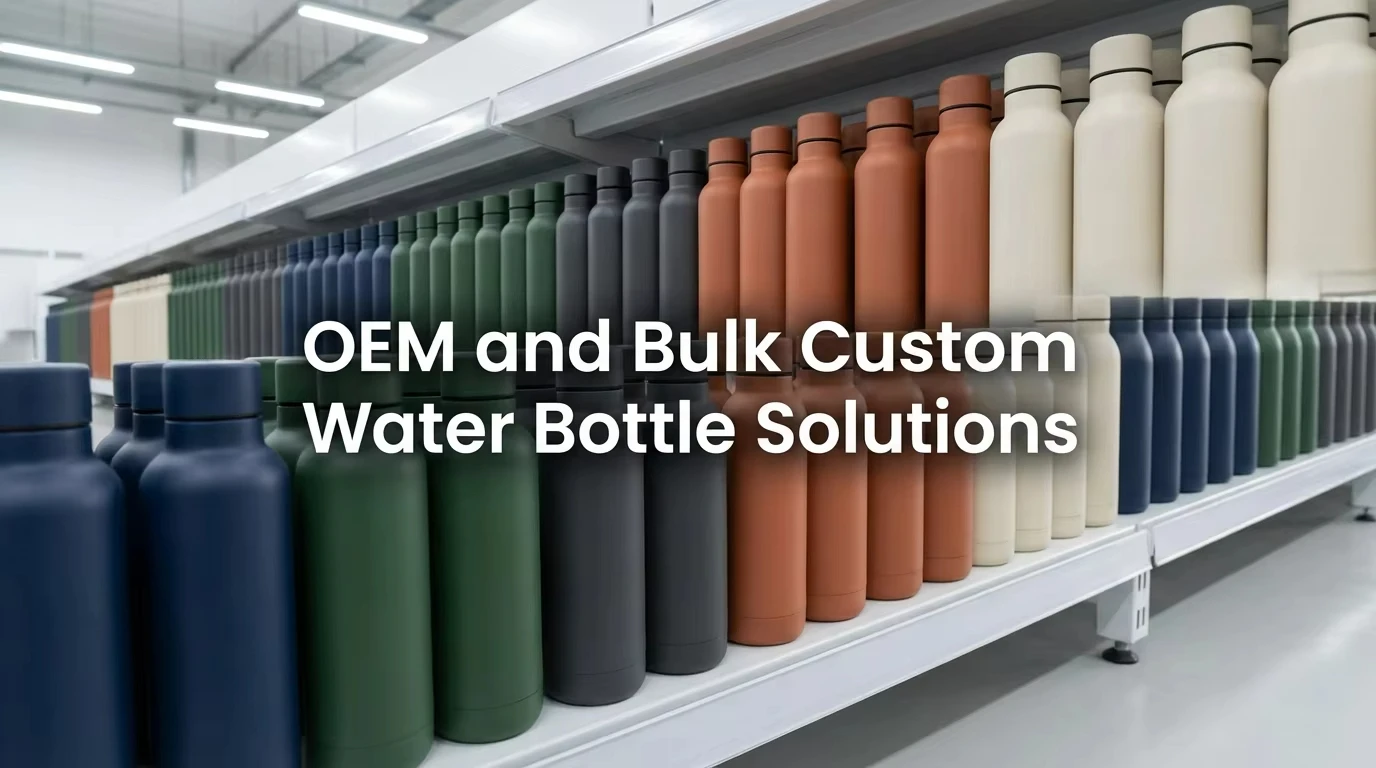
- Start with Acero inoxidable 304 for most markets
- Upgrade to Acero inoxidable 316 for EU / high-end buyers
- Use ceramic lining only when:
- Selling price supports it
- Brand positioning requires it
Why Work With an Experienced Manufacturer
A reliable supplier can help you:
- Reduce defect rates
- Ensure certification compliance
- Offer stable lead times
- Support OEM / ODM customization
Get Bulk Pricing & Custom Solutions
Looking for:
- Custom logo water bottles
- Wholesale stainless steel tumblers
- Ceramic-lined premium drinkware
- Stable production & fast delivery
👉 Contact us today for:
- Free quotation
- Sample support
- Low MOQ options
- Full OEM/ODM service